Semaglutide Injection Site Reactions: What To Know
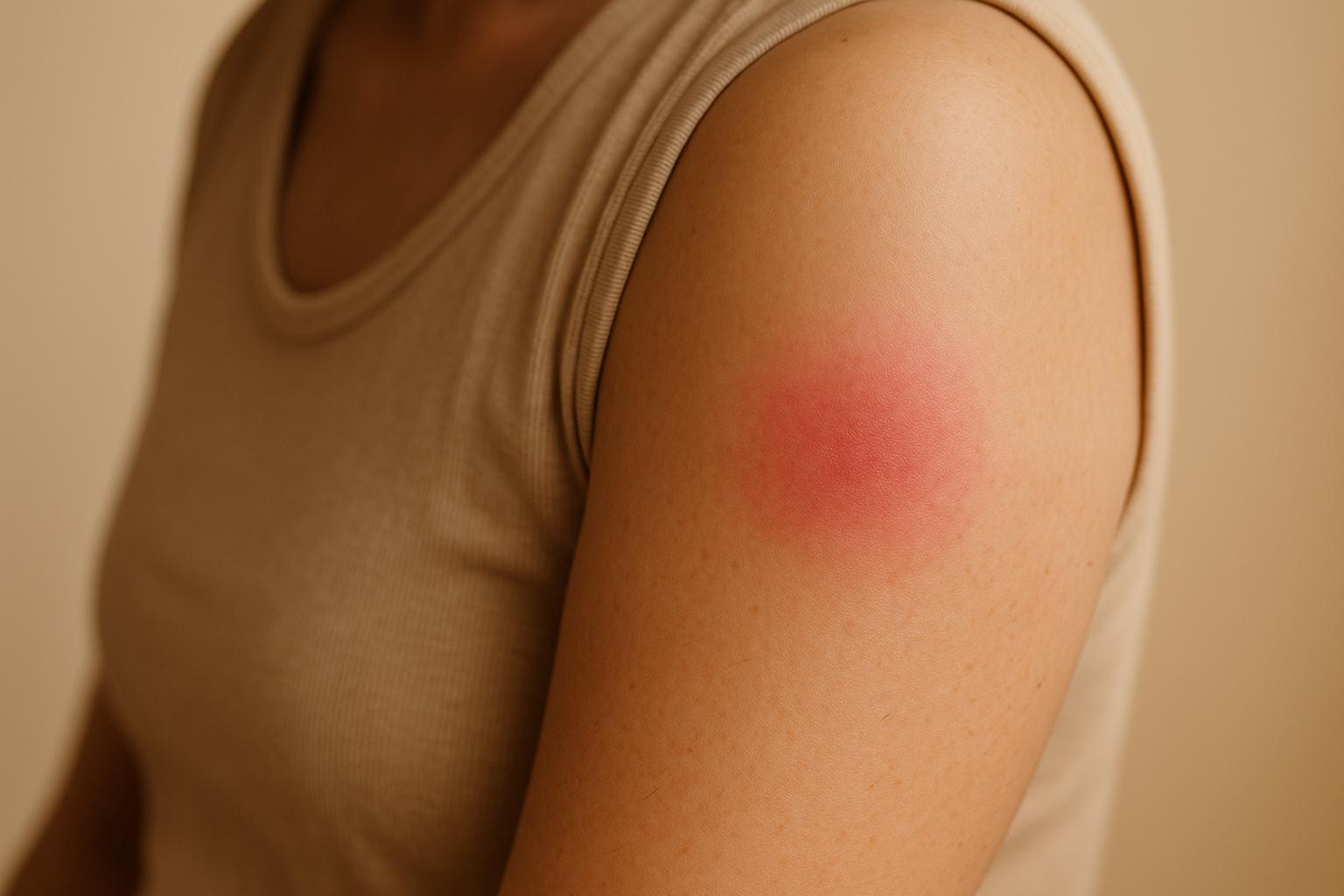
Using semaglutide for weight loss or diabetes? Mild reactions like redness, swelling, or tenderness at the injection site are common but usually go away within 1–2 days. Here’s what you should know:
- Normal Symptoms: Redness, slight swelling, itching, or small nodules are typical and temporary.
- Rare Issues: Infections, severe allergic reactions, or prolonged irritation may need medical attention.
- Prevention Tips: Rotate injection sites, clean the area, and use proper technique.
- Quick Relief: Apply a cool compress, avoid scratching, and consider OTC creams for discomfort.
If symptoms persist beyond two days or worsen, contact your doctor. Severe signs like fever, pus, or difficulty breathing require immediate medical help. Proper preparation and technique can minimize these reactions and ensure a smoother experience.
How to avoid injection site reactions with Mounjaro or Ozempic & when are they serious?
What Are Normal Injection Site Reactions?
When using semaglutide injections, mild, localized reactions at the injection site are possible. Your skin serves as a protective barrier, and when a needle penetrates it, your immune system may respond to safeguard the area.
Interestingly, only about 0.2% of patients reported injection-site reactions during clinical studies. This makes semaglutide one of the better-tolerated GLP-1 receptor agonists in terms of injection site concerns.
"Your skin is an organ that acts as a barrier to protect the body. When you insert a needle through that barrier, it’s normal to sometimes get a localized mild inflammatory response from your immune system." – Simon Edward, SemaPen
Common Symptoms
You might notice redness, slight swelling, mild itching, or small nodules at the injection site. These symptoms are part of your body’s localized immune response. The area may also feel warm to the touch due to increased blood flow.
In Wegovy clinical trials, about 2% of users experienced a rare skin sensitivity issue called dysesthesia, which feels like burning or tingling. While uncommon, it’s something to be aware of if you experience these sensations.
Additionally, some individuals may see minor bleeding right after the injection. This is usually just a drop or two and tends to stop on its own almost immediately.
How Long Reactions Last
Most injection site reactions are temporary, typically resolving within a few hours to 1-2 days without any intervention.
A notable example from 2019 highlights this timeline. A 75-year-old man using semaglutide experienced small nodules at his injection sites. On a 1 mg weekly dose, these firm, raised nodules appeared within minutes but disappeared within 2-4 days. When his dose was reduced to 0.5 mg, the nodules resolved even faster – within 24 hours.
If redness, swelling, or warmth persists beyond a couple of days, it’s a good idea to contact your healthcare provider. Prolonged reactions may indicate an issue that requires attention.
Why These Reactions Happen
Knowing why these reactions occur can help ease your worries. Your body sees the injection as a minor intrusion, triggering a localized immune response. This is a natural process and not a sign of a problem.
The needle creates a tiny wound, which leads to mild inflammation. Additionally, as the semaglutide is absorbed into your bloodstream, it can cause slight tissue irritation.
Sometimes, if the needle isn’t inserted fully, the medication may pool under the skin instead of dispersing into the fatty tissue. Repeatedly injecting in the same spot can also lead to skin bumps, known as lipohypertrophy, which can affect how well the medication is absorbed.
Proper injection technique and rotating injection sites are key to minimizing reactions – topics we’ll explore further in this article.
How to Manage Injection Site Reactions
Mild redness, swelling, or discomfort after a semaglutide injection is common and typically clears up within a few hours or days. You can use simple home remedies to help ease these symptoms and support healing.
Home Care Tips
Here are some practical ways to manage mild reactions at the injection site:
- Cool Compress: To reduce swelling, apply a cool compress. Use a clean cloth soaked in cold water or wrap an ice pack in a towel – never place ice directly on your skin, as it can cause harm. Hold the compress on the area for 10–15 minutes at a time.
"If you experience pain or irritation, resist rubbing or massaging the skin. This will only make the inflammation worse. Instead, gently apply pressure to the area with a clean cloth soaked in cold water." – SemaPen
- Avoid Irritation: Refrain from scratching or rubbing the injection site, even if it feels itchy. This could worsen inflammation or introduce bacteria. Wear loose-fitting clothing over the area to allow your skin to breathe and heal more comfortably.
- Over-the-Counter Relief: If the discomfort or itching persists, consider using an over-the-counter antihistamine or a numbing cream to soothe the area.
These steps can help you manage mild reactions effectively and keep the skin healthy as it heals.
sbb-itb-e2779c3
When to Contact Your Doctor
Most injection site reactions are mild and resolve on their own. However, there are situations where reaching out to your healthcare provider is crucial. Recognizing these signs early can help you avoid complications and ensure your treatment stays on track.
Signs of Infection
Though rare, infections at the injection site require immediate attention. Contact your doctor if you notice any of these symptoms:
- Pain that worsens after the first day (discomfort should gradually ease).
- Increasing warmth at the injection site, or any signs of discharge or pus.
- Redness that spreads or appears bright red instead of fading.
- A hard lump under the skin that seems to grow over time.
- Fever or unusual fatigue following your injection.
Blistering at the injection site is another red flag. If this occurs, contact your doctor to receive proper care.
While infections are uncommon, severe allergic reactions are far more urgent and demand immediate medical attention.
Severe Allergic Reactions
If you experience a severe allergic reaction, call 911 or seek emergency medical help right away. Symptoms to watch for include:
- Swelling of the face, lips, mouth, tongue, or throat.
- Difficulty breathing or swallowing.
- Throat tightness or the appearance of hives (pale red bumps that spread across the skin).
- Fainting, dizziness, or a rapid heartbeat.
Stop using semaglutide immediately if you notice any of these symptoms and seek medical assistance without delay.
Reactions That Don’t Go Away
Most injection site reactions should resolve within a few hours to a couple of days. If symptoms persist beyond two days or worsen, it’s time to contact your healthcare provider.
Reach out to your doctor if you experience numbness at the injection site or if a lump or nodule remains for several weeks. Additionally, if home remedies haven’t improved your symptoms after 3–5 days, professional guidance is necessary.
Any ongoing irritation at the injection site warrants a conversation with your provider. And if you develop a fever above 100.4°F (38°C) alongside injection site symptoms, don’t wait – contact your doctor promptly.
How to Prevent Injection Site Reactions
Taking a few simple precautions before and during your injection can go a long way in reducing irritation and discomfort. While mild reactions might still happen occasionally, using the right techniques can help minimize their impact.
Proper Injection Technique
How you administer your injection is key to avoiding site reactions. Start by washing your hands with soap and water, then clean the injection site with an alcohol swab. Make sure the area dries completely before proceeding – damp skin can increase stinging during the injection.
Rotate your injection sites by choosing a spot at least 1 inch away from your last injection. This gives the skin and underlying tissue time to heal and prevents the formation of lumps or scar tissue that can develop from repeated injections in the same area.
When injecting, gently pinch the skin to create a fold of subcutaneous tissue. Insert the needle at a 90-degree angle using a quick, steady motion. After injecting, hold the needle in place for 5–10 seconds to ensure the full dose is delivered. Avoid massaging the site afterward; instead, release the skin fold and, if needed, apply gentle pressure with a clean cotton ball or gauze.
Once you’ve mastered the injection technique, proper preparation of your medication is the next step to ensure a more comfortable experience.
Preparing Your Medication
The way you handle and prepare your semaglutide can greatly affect your comfort during injection. Always store your medication in the refrigerator at a temperature between 36°F and 46°F (2°C to 8°C) until you’re ready to use it. If you’ve already opened a pen, it can be stored at room temperature below 86°F (30°C) for up to 56 days.
Cold medication can cause more discomfort when injected. To avoid this, take your semaglutide pen out of the fridge about 30 minutes before use. Resist the urge to speed up the warming process by using hot water or a microwave – this can damage the medication.
Before each injection, inspect the medication closely. Hold the pen up to the light and check that the solution is clear and colorless. If you see particles, cloudiness, or discoloration, don’t use it. Also, double-check the expiration date. Expired medication may not work as intended and could lead to unexpected reactions. If anything seems off, reach out to your healthcare provider or pharmacist for guidance.
Best Injection Sites
Choosing the right injection site is just as important as the technique. Semaglutide is most effective when injected into areas with enough subcutaneous tissue. The three recommended sites are the abdomen, thigh, and upper arm, each with its own benefits.
The abdomen is often the preferred site because it offers a large surface area and may allow for faster absorption. When using your stomach, make sure to stay at least 2 inches away from your belly button and avoid the waistline where clothing might rub against the injection site.
The thigh is another good option, especially for self-administration. Aim for the front or outer part of your upper thigh, steering clear of the inner thigh or bony areas where there’s less subcutaneous tissue. This site can be a great alternative if you find the abdomen uncomfortable or if you’ve been using it frequently.
The upper arm provides a more discreet option for those who prefer to keep their injections less noticeable. Focus on the back or outer part of your upper arm where there’s enough subcutaneous tissue. However, this site can be harder to reach for self-injection, so you may need help from a family member or caregiver. If you’re injecting yourself, the abdomen or thigh might be easier to manage.
To keep your skin healthy, develop a rotation pattern. For example, you could use your abdomen one week, your right thigh the next, your left thigh the following week, and then return to your abdomen. Within each area, move the injection spot by at least 1 inch each time. This routine helps prevent overusing any single location and keeps your skin and tissue in better condition.
Conclusion
Most semaglutide injection site reactions are mild and temporary. After your injection, you might notice some redness, slight swelling, or tenderness. The good news? These symptoms usually fade on their own within a few hours or, at most, a couple of days. In most cases, they can be handled at home without needing to reach out to your doctor.
The trick to reducing discomfort is in how you prepare and administer your injections. Pick areas with enough subcutaneous fat and rotate injection sites regularly. By switching to a different spot each week and spacing injections at least half an inch apart, you allow your skin to recover. This simple habit helps prevent irritation, scarring, or fat tissue hardening that can happen with repeated injections in the same place. Not only does this make the process more comfortable, but it also ensures your medication is absorbed as it should be.
However, if you notice signs like redness with warmth, pus, fever, or severe pain, it’s time to call your healthcare provider. Similarly, symptoms such as difficulty breathing, significant swelling, or a rash spreading beyond the injection site require immediate medical attention.
FAQs
What should I do if I have a severe allergic reaction after a semaglutide injection?
If you notice any signs of a severe allergic reaction after taking semaglutide, stop using the medication right away and get medical help immediately. Be on the lookout for symptoms like:
- Severe rash, hives, or intense itching
- Blistering or peeling skin
- Swelling of the face, lips, tongue, or throat
- Trouble breathing, swallowing, or speaking
- Rapid heartbeat
- Wheezing or chest tightness
- Fainting or dizziness
These could signal a serious reaction that needs urgent attention. Don’t hesitate to reach out to a healthcare provider or call 911 if necessary.
How can I reduce the chances of injection site reactions when using semaglutide?
To reduce the chances of irritation or discomfort at the injection site when using semaglutide, consider these practical tips:
- Switch up your injection spots: Avoid using the same area repeatedly by rotating between your abdomen, thigh, or upper arm. This helps prevent irritation or tissue damage.
- Pick a clean and dry area: Ensure the site is free from scar tissue or too close to your belly button for better absorption and reduced discomfort.
- Take it slow: Inject the medication steadily and avoid pressing or rubbing the area afterward.
- Keep it hygienic: Wash your hands and clean the injection site thoroughly before administering the dose.
These simple measures can make the process smoother and more comfortable. However, if you notice persistent or severe reactions, reach out to your healthcare provider for advice.
What are the best injection sites for semaglutide, and how can I ensure comfort during use?
The best spots for injecting semaglutide are the stomach (abdomen), thigh, or the back of the upper arm. These areas typically have enough fatty tissue to make the process effective and as comfortable as possible.
To keep discomfort at bay, try switching up the injection site each time you dose. Steer clear of areas that are bruised, sore, or scarred. If you’re uncertain about the technique, reach out to your healthcare provider – they can guide you on how to administer it correctly.
Related Blog Posts

Transforming Lives, One Step at a Time
Keep reading

GLP-1 Medications and Mental Health: What to Expect and When to Get Support
Most of what gets written about GLP-1 medications covers the body. Dosing, appetite, nausea, what to eat, what to expect on the scale. Less…

Mons Pubis Fat Loss on GLP-1s: The “Pubic Area” Change Nobody Mentions
One change that surprises people on GLP-1 medications rarely comes up in conversation: the mons pubis, the soft fat pad over the pubic bone,…

How to Adjust Weight Loss Goals on GLP-1 Medications
Adjust weight goals on GLP-1 meds by tracking body composition and labs, optimizing protein, activity, sleep, and working with your provider on dosing.


