Does Ozempic Work if You Don’t Exercise? What to Expect
Introduction
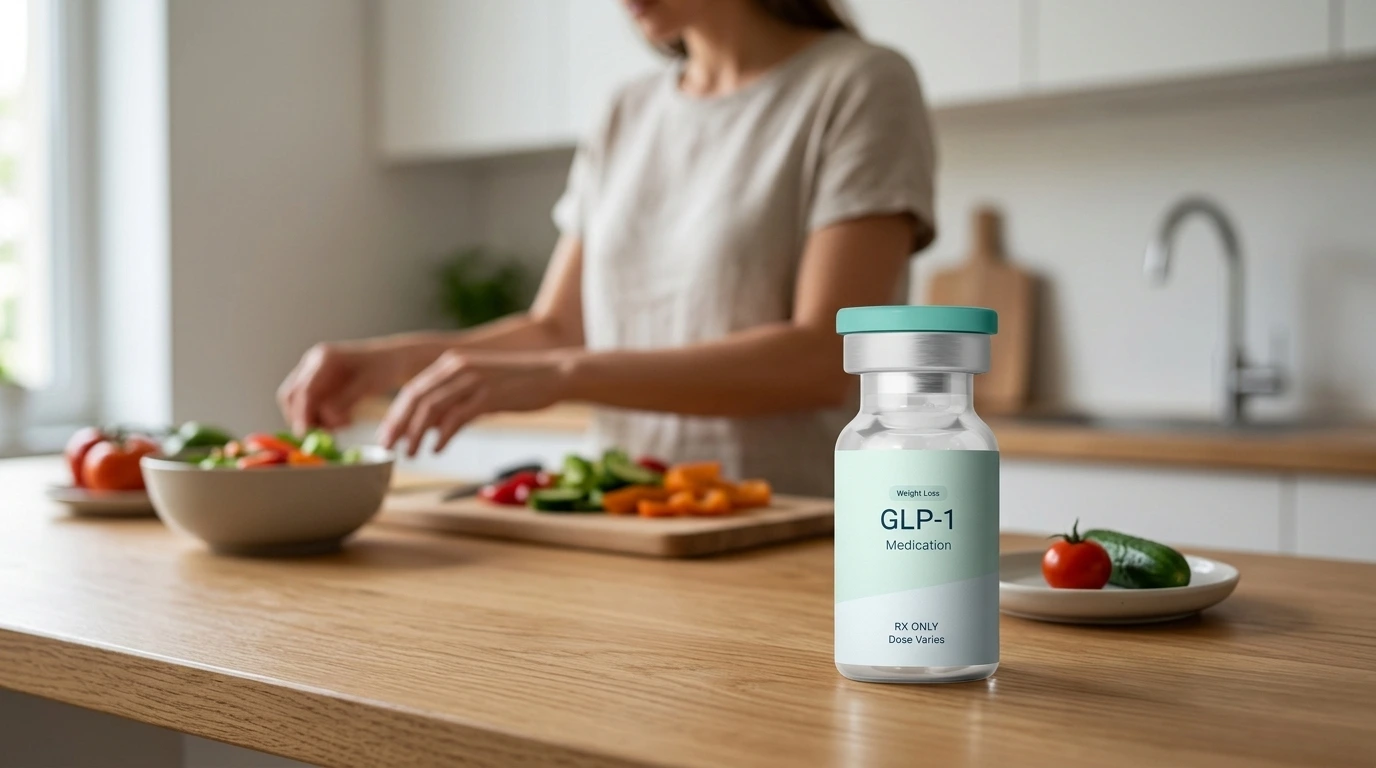
Starting a weight loss journey often feels like standing at the bottom of a very steep mountain. You may have been told for years that the only way to reach the top is through grueling workouts and intense cardio sessions. However, for many individuals, physical limitations, demanding schedules, or chronic health conditions make traditional exercise feel out of reach. With the rise of GLP-1 medications, a common question has surfaced: does Ozempic work if you don’t exercise?
At TrimRx, we believe in meeting you where you are with science-based solutions that fit your actual life, not an idealized version of it. If you’re wondering whether a prescription GLP-1 program is a fit for your lifestyle, you can take the free assessment quiz to get started. While these medications are powerful tools for weight management, it is important to understand how they function when physical activity isn’t part of the equation. This post explores the biological mechanisms of semaglutide, the clinical reality of losing weight without exercise, and how you can optimize your results regardless of your activity level.
Quick Answer: Yes, Ozempic® and other semaglutide medications can lead to significant weight loss without a formal exercise routine by suppressing appetite and slowing digestion. However, incorporating even light movement is recommended to prevent muscle loss and support long-term metabolic health.
How Semaglutide Works in the Body
To understand if the medication works without exercise, we first have to look at what it actually does inside your system. The active ingredient in Ozempic® is semaglutide. This is a GLP-1 receptor agonist, which is a scientific way of saying it mimics a hormone your body naturally produces called glucagon-like peptide-1.
This hormone targets two main areas: your brain and your digestive system. In the brain, it interacts with the centers that control hunger and satiety (the feeling of being full). By mimicking these signals, semaglutide helps you feel satisfied with much smaller portions of food and reduces the “food noise” or constant cravings that often lead to overeating.
In the digestive tract, semaglutide slows down gastric emptying. This means food stays in your stomach longer, which physically keeps you feeling full for an extended period. Because the medication addresses the biological drivers of hunger, it creates a calorie deficit—the fundamental requirement for weight loss—without requiring you to “burn off” calories through vigorous exercise. If you’d like to see whether this approach fits your health profile, complete the assessment quiz and review your options with a provider.
Can You Lose Weight Without Working Out?
The short answer is yes. Clinical trials have consistently shown that participants taking semaglutide lose a significant percentage of their body weight. While these studies typically involve lifestyle interventions, the weight loss is primarily driven by the reduction in caloric intake caused by the medication.
When your body receives fewer calories than it needs to maintain its current weight, it begins to use stored fat for energy. This process happens whether you are running a marathon or sitting at a desk. For an individual with a high BMI who has struggled with traditional dieting, the appetite suppression provided by the medication can be the missing piece that finally allows for a sustainable calorie deficit.
However, “working” and “working optimally” are two different things. While the scale will likely go down, the type of weight you lose matters just as much as the number itself.
The Role of Caloric Deficit
Weight loss is fundamentally a matter of energy balance. If you eat 1,500 calories but your body needs 2,000 to function, you will lose weight. Semaglutide makes it much easier to stick to that 1,500-calorie limit because you aren’t fighting constant hunger. Exercise is one way to increase the “calories out” side of the equation, but the medication primarily handles the “calories in” side.
Clinical Observations
In major clinical studies, such as the STEP trials for Wegovy® (which uses a higher dose of the same active ingredient, semaglutide), participants were encouraged to exercise. However, even those who reported lower levels of activity still saw substantial weight reduction. This suggests that the pharmacological effect of the drug is potent enough to drive results even when lifestyle changes are modest.
Key Takeaway: Weight loss on semaglutide is driven primarily by a biological reduction in appetite, meaning the medication can be effective even for those who are unable to engage in regular exercise.
The Risks of Losing Weight Without Movement
While you can lose weight without exercise, doing so comes with specific trade-offs that you should consider. Our goal at TrimRx is to ensure that your weight loss is healthy and sustainable, not just fast.
1. Loss of Muscle Mass (Lean Mass)
When you lose weight quickly, your body doesn’t just burn fat; it also breaks down muscle tissue for energy. Research suggests that without resistance training, a significant portion of the weight lost on GLP-1 medications can come from muscle. This is sometimes referred to as “sarcopenic obesity”—where a person reaches a lower weight but has a high body fat percentage and very little muscle. For more on protecting muscle during treatment, see our guide on GLP-1 and bodybuilding.
2. The Metabolic Slowdown
Muscle is metabolically active tissue, meaning it burns more calories at rest than fat does. If you lose too much muscle, your basal metabolic rate (the number of calories you burn just staying alive) will drop. This can make it much harder to maintain your weight loss in the long term, as your body will require fewer and fewer calories to stay at its new weight.
3. Changes in Physical Appearance
You may have heard the term “Ozempic butt” or “Ozempic face.” These terms describe the sagging or deflated appearance that can occur when fat and muscle are lost rapidly from specific areas of the body. Muscle provides the structural “fill” under the skin; without it, rapid weight loss can lead to more pronounced skin laxity.
4. Bone Density Concerns
Weight-bearing activity is essential for maintaining bone density. Rapid weight loss, especially in older adults, can sometimes lead to a decrease in bone strength if not balanced with some form of movement or proper nutrition.
Optimizing Results Without High-Intensity Exercise
If traditional “working out” isn’t an option for you, there are still ways to protect your health and improve your results while using a personalized weight loss program. You don’t need to join a gym or run miles to see the benefits of movement.
Prioritize Protein Intake
If you aren’t exercising, your diet becomes your primary tool for muscle preservation. We often recommend a high-protein diet to our members. Protein provides the amino acids your body needs to maintain existing muscle fibers. Aiming for lean protein sources at every meal—such as chicken, fish, tofu, or Greek yogurt—is vital.
Focus on NEAT (Non-Exercise Activity Thermogenesis)
NEAT refers to the energy you burn for everything you do that isn’t sleeping, eating, or sports-like exercise. This includes walking to the mailbox, cleaning the house, standing while on a phone call, or even fidgeting. Increasing your NEAT can help bridge the gap between a sedentary lifestyle and a formal workout routine.
Consider Low-Impact Movement
Movement doesn’t have to be “exercise” in the traditional sense. Many people find success with:
- Walking: Even 10 or 15 minutes a day can support cardiovascular health.
- Stretching or Yoga: Helps maintain mobility and muscle tone without high impact.
- Water Aerobics: Excellent for those with joint pain or mobility issues.
- Resistance Bands: A simple way to provide some muscle stimulus while sitting or standing at home.
Nutritional Support
When you are eating significantly less, every calorie needs to count. Using a supplement like our GLP-1 Daily Support supplement can help ensure you are getting the essential nutrients your body might be missing when your appetite is suppressed. These types of supports are designed to help maintain energy levels and overall wellness during the titration process.
The Importance of Muscle Maintenance
Maintaining muscle isn’t just about how you look; it’s about how your body functions. Muscle helps regulate blood sugar, supports your joints, and keeps your immune system strong.
Myth: “I don’t want to exercise because I don’t want to get bulky.” Fact: It is very difficult to “bulk up” while in a calorie deficit. For most people on GLP-1 medications, exercise serves to save the muscle they already have, rather than building massive new amounts.
If you are losing weight without exercise, we suggest a “move when you can” philosophy. This might mean taking the stairs instead of the elevator or doing five minutes of light stretching in the morning. These small actions send a signal to your body that your muscles are still needed, which can help prevent them from being used as fuel. If you’d like more strategies for preserving muscle while losing fat, our article on how to get the most out of your GLP-1 treatment covers the basics.
The TrimRx Approach to Weight Loss
At TrimRx, we understand that every individual’s health journey is unique. Some of our members are athletes looking to overcome a metabolic plateau, while others have not been able to walk comfortably in years. Our platform is designed to provide a personalized experience that accounts for these differences.
When you begin our program, you start with a free assessment quiz. This helps a licensed healthcare provider understand your medical history, your current physical capabilities, and your goals. Whether your treatment plan involves compounded semaglutide or compounded tirzepatide, the focus is on sustainable progress. If you’re ready to see whether treatment is a fit, start the assessment quiz.
We provide access to medications prepared by FDA-registered, inspected compounding pharmacies. These medications contain the same active ingredients as branded products like Ozempic® or Mounjaro®, but are customized for the telehealth model. This ensures you receive high-quality care without the need for in-person waiting rooms or the stress of pharmacy shortages.
What to Expect During Your Program
If you are starting a program with the intention of not exercising, it is helpful to have a roadmap of what the experience looks like.
Step 1: The Online Assessment You will complete a detailed health questionnaire. This covers your BMI, previous weight loss attempts, and any underlying health conditions. This is the foundation of your personalized program.
Step 2: Provider Review A licensed healthcare provider reviews your information to determine if a GLP-1 medication is safe and appropriate for you. They will consider potential contraindications and your specific weight loss needs.
Step 3: Medication and Support Once approved, your medication is shipped directly to your door from a licensed pharmacy. You also gain access to our dedicated team of specialists who can help you manage side effects like nausea or fatigue, which are common in the early stages. If you want extra support while eating less, our Weight Loss Boost supplement is designed to fit into a weight loss routine.
Step 4: Titration and Monitoring Your dose will typically start low and increase gradually. This is called titration. It helps your body adjust to the medication and minimizes side effects. During this time, we monitor your progress and help you navigate any challenges, whether you are exercising or not.
Comparing Your Options: Semaglutide vs. Tirzepatide
If you are concerned about weight loss without exercise, the choice of medication may play a role. Both semaglutide and tirzepatide are effective, but they work slightly differently. If you want help deciding whether treatment makes sense for you, take the free assessment quiz and review your options with a provider.
| Feature | Semaglutide (Active in Ozempic®) | Tirzepatide (Active in Mounjaro®) |
|---|---|---|
| Mechanism | Single hormone mimic (GLP-1) | Dual hormone mimic (GLP-1 & GIP) |
| Primary Benefit | Strong appetite suppression | Enhanced metabolic support |
| Typical Dose | Once-weekly injection | Once-weekly injection |
| Suitability | Great for reducing “food noise” | Often used for higher weight loss goals |
Both medications “work” without exercise, but tirzepatide’s addition of the GIP (glucose-dependent insulinotropic polypeptide) hormone may offer additional support for how your body processes sugar and fat. For a deeper comparison, our article on how effective tirzepatide is compared to semaglutide covers the differences in more detail. Your provider will help you decide which is best for your health profile.
Common Side Effects and Activity
One reason people avoid exercise on these medications is the side effects. During the first few weeks, you may experience:
- Nausea
- Fatigue
- Dizziness
- Changes in bowel habits
If you are feeling nauseous or tired, forcing a workout can be counterproductive. It is perfectly okay to prioritize rest during the adjustment period. As your body habituates to the medication, your energy levels often return, making light movement feel much more manageable. If side effects are a major concern, our article comparing tirzepatide and semaglutide side effects may help set expectations.
Note: If you experience severe abdominal pain, persistent vomiting, or signs of an allergic reaction, stop use and contact a healthcare professional immediately.
Strategies for Long-Term Success
Losing the weight is the first step; keeping it off is the second. If you choose not to exercise during the active weight loss phase, you should have a plan for how to maintain your results once you reach your goal.
- Monitor Lean Mass: Pay attention to your strength. If you find it harder to perform daily tasks like carrying groceries, you may be losing too much muscle.
- Stay Hydrated: GLP-1 medications can sometimes decrease your thirst drive. Drinking enough water is essential for metabolic function and preventing fatigue.
- Adjust Your Environment: Use the reduced hunger from the medication to build new habits. Clear your pantry of ultra-processed foods and replace them with whole-food options.
- Consider Oral Options: For those who are needle-averse or travel frequently, we also offer access to Oral Semaglutide and Oral Tirzepatide through our partner providers.
For readers who want a broader view of staying successful over time, our post on long-term weight loss success on GLP-1 breaks down the habits that stick.
The Reality of Weight Regain
One of the biggest concerns with GLP-1 medications is what happens when you stop. Research indicates that many people regain weight if they stop the medication without having established lifestyle changes.
Exercise is one of the strongest predictors of weight loss maintenance. Even if you don’t work out while losing the weight, incorporating some form of regular activity as you reach your goal can help “reset” your body’s internal thermostat and prevent the weight from creeping back.
At TrimRx, our goal isn’t just a temporary change. We want to help you achieve a healthier lifestyle that lasts. This means being honest about the role of movement—not as a punishment for what you ate, but as a way to keep your body strong and your metabolism humming.
Conclusion
So, does Ozempic work if you don’t exercise? The biological evidence and clinical data say yes. The medication is designed to address the hormonal and neurological drivers of weight gain, allowing you to lose weight primarily through appetite control and improved satiety.
However, a journey without movement requires a more strategic focus on nutrition and muscle preservation. By prioritizing protein, staying hydrated, and incorporating “stealth” movement like walking or stretching, you can see incredible results while protecting your long-term health.
TrimRx is here to guide you through this process with a program that is as unique as you are. Our telehealth platform removes the barriers to care, providing you with the medical supervision and high-quality medications you need to succeed—on your own terms, at your own pace.
Bottom line: While movement is always beneficial, you can achieve significant weight loss results on a GLP-1 program through appetite management alone, provided you focus on high-quality nutrition to protect your muscle mass.
Ready to see if a personalized weight loss program is right for your lifestyle? Take our free assessment quiz today and start your journey toward a healthier you.
FAQ
Can I lose muscle if I take Ozempic® and don’t exercise?
Yes, rapid weight loss without resistance training can lead to a loss of muscle mass along with fat. To help prevent this, it is recommended to eat plenty of protein and engage in light resistance activities, such as using bands or doing bodyweight movements, whenever possible. If you want structured support while your appetite is lower, the GLP-1 Daily Support supplement is designed for that stage of treatment.
Will the weight come back if I don’t start an exercise routine?
Weight maintenance is often more successful when physical activity is involved, as it helps keep your metabolism active. While the medication handles the initial weight loss, incorporating movement into your lifestyle can help prevent regain if you eventually transition off the medication. If you’re ready to discuss next steps, complete the free assessment quiz.
Is it safe to start Ozempic® if I have a physical disability that prevents exercise?
For many people with mobility issues, GLP-1 medications are a vital tool precisely because they allow for weight loss when exercise isn’t possible. You should consult with a healthcare provider through our platform to ensure the medication is safe for your specific medical history and physical condition.
How much weight can I expect to lose without working out?
While individual results vary, many people lose a significant amount of weight—often 10% to 15% of their body weight or more—primarily through the appetite-suppressing effects of the medication. Focusing on a nutrient-dense, high-protein diet can help maximize these results even without a formal workout plan.
Disclaimer: This content is for informational purposes only and does not constitute medical advice. It is not intended to diagnose, treat, cure, or prevent any disease or condition. Individual results may vary. Always consult a qualified healthcare professional before starting any weight loss program or medication.

Transforming Lives, One Step at a Time
Keep reading
I Took My Ozempic Two Days in a Row by Accident
Call for guidance now rather than waiting to see how you feel. In the United States, Poison Control is available free and around the…

Why Does My Ozempic Injection Sting More Some Weeks Than Others?
Because more variables change between injections than most people realize. Temperature of the medication, which site you used, how deep the needle went, how…

How to Store Your Ozempic Pen During a Power Outage
Keep the refrigerator door closed. An unopened refrigerator holds a safe temperature for roughly four hours, and a full freezer holds for considerably longer….


