How to Eat While on Zepbound for Optimal Results
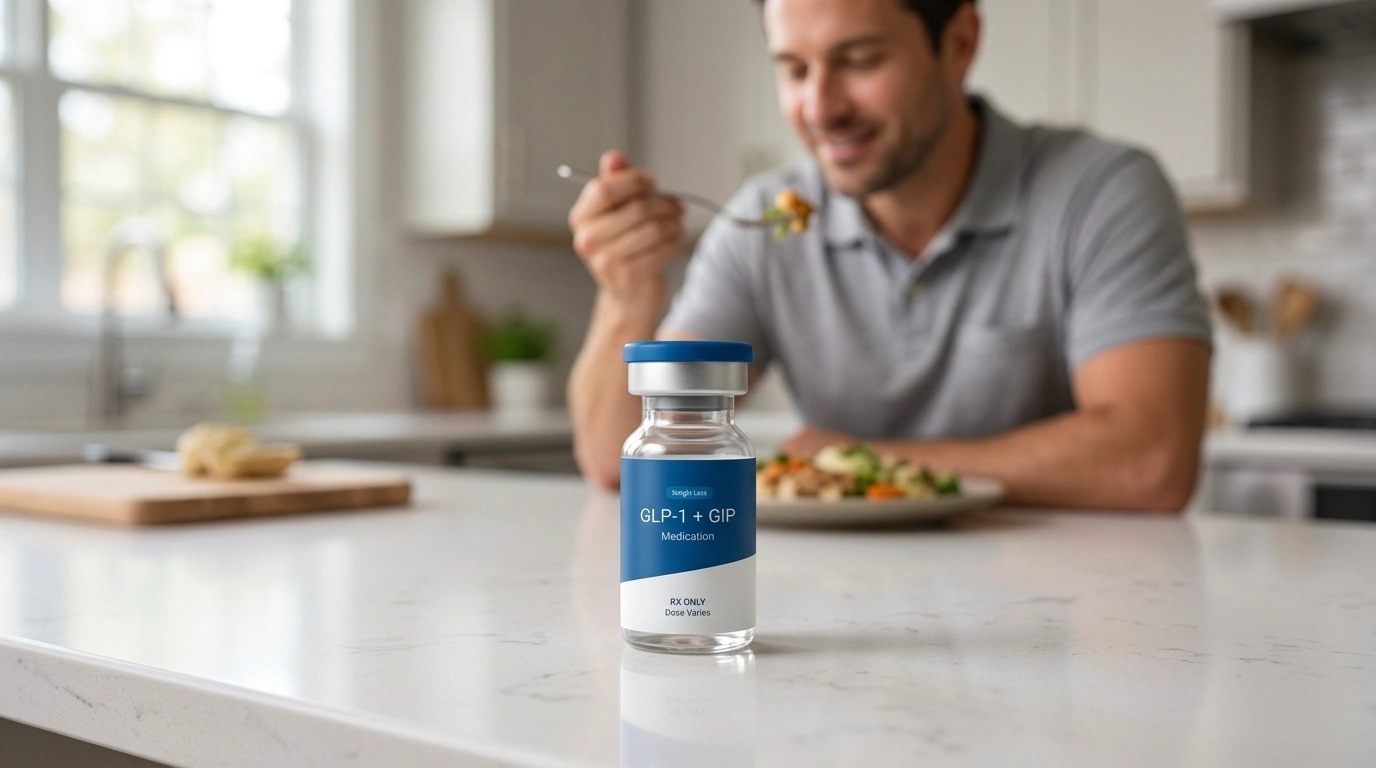
Table of Contents
- Introduction
- The Science of Satiety and Digestion
- Prioritizing Protein for Muscle Preservation
- The Role of Hydration and Electrolytes
- Managing Digestive Side Effects Through Food
- The Importance of Fiber and Gut Health
- Alcohol and Lifestyle Considerations
- Building a Sustainable Relationship with Food
- How to Get Started with a Personalized Program
- FAQ
Introduction
Starting a journey with a GLP-1 and GIP receptor agonist like Zepbound® often brings a surprising sense of relief. For many, the constant “food noise”—that persistent internal chatter about the next meal—finally goes quiet. However, this new silence can leave you wondering how to navigate your daily nutrition. When your appetite shifts so significantly, knowing how to eat while on Zepbound becomes a vital part of your success. At TrimRx, we believe that medication is most effective when paired with a personalized approach to nutrition that respects your body’s changing cues. If you are ready to see whether a medically guided program is a fit, take the free assessment quiz. This article covers the essential strategies for nourishing your body, maintaining muscle mass, and minimizing digestive discomfort while using these powerful medications. By focusing on nutrient density and mindful habits, you can support your metabolic health and achieve sustainable results.
The Science of Satiety and Digestion
To understand how to eat while on Zepbound, it is helpful to know what the medication is doing inside your body. Zepbound® contains Tirzepatide, a dual-acting medication that mimics two hormones: glucagon-like peptide-1 (GLP-1) and glucose-dependent insulinotropic polypeptide (GIP). These hormones work together to regulate blood sugar and signal to your brain that you are full.
One of the primary ways this medication works is by slowing down gastric emptying. This means food stays in your stomach for a longer period. While this helps you feel satisfied with smaller portions, it also means that your digestive system is working at a different pace. If you eat too much or choose heavy, rich foods, you may experience discomfort because the food is moving more slowly through your tract. For a closer look at hydration and fluid needs on this medication, see Hydration on Tirzepatide: Why Water Intake Matters More Than You Think.
Quick Answer: Eating on Zepbound requires focusing on high-quality protein, consistent hydration, and fiber-rich foods while avoiding high-fat or sugary items. Because the medication slows digestion, eating smaller, more frequent meals helps prevent nausea and ensures you get enough nutrients despite a reduced appetite.
Prioritizing Protein for Muscle Preservation
When you lose weight rapidly, your body naturally wants to burn both fat and muscle. To protect your lean muscle mass, protein must be the centerpiece of your plate. Muscle is metabolically active tissue; the more you keep, the stronger your metabolism remains as you reach your goal weight.
Aim for high-quality protein sources at every meal. This might include lean poultry, fish, eggs, tofu, or Greek yogurt. If you find it difficult to eat enough solid food due to a reduced appetite, high-quality protein shakes can be an excellent supplement. If you are not sure whether a prescription program is the right next step, you can see if you qualify for a personalized program.
Why Protein Matters
- Muscle Maintenance: Provides the amino acids necessary to repair and keep muscle tissue.
- Satiety: Works alongside the medication to keep you feeling full and satisfied.
- Blood Sugar Stability: Helps prevent the “crashes” that can sometimes lead to fatigue.
Key Takeaway: Make protein the first thing you eat at every meal. Ensuring you hit your daily protein goals is the single most important dietary factor in maintaining your strength and metabolic health during weight loss.
The Role of Hydration and Electrolytes
Hydration is often overlooked, but it is critical when using a GLP-1 or GIP medication. Many people find that their thirst cues diminish along with their hunger cues. Additionally, as your body loses weight and processes these medications, your fluid needs may actually increase.
Dehydration can lead to fatigue, headaches, and a higher risk of constipation—a common side effect of slowed digestion. It isn’t just about water, though; electrolytes like magnesium, potassium, and sodium are necessary for proper cellular function and nerve signaling. If you want nutritional support during GLP-1 treatment, the GLP-1 Daily Support supplement is designed to complement your intake.
Note: If you feel a “dip” in energy in the afternoon or experience frequent headaches, it may be a sign of dehydration or an electrolyte imbalance rather than a lack of calories, and some readers also explore the Weight Loss Boost supplement for added support.
Hydration Strategies
- Carry a Water Bottle: Keep water with you at all times and take small sips throughout the day.
- Use Electrolyte Mixes: Consider adding a sugar-free electrolyte powder to your water once a day.
- Eat Your Water: Incorporate hydrating foods like cucumbers, celery, and watermelon into your snacks.
Managing Digestive Side Effects Through Food
Because Tirzepatide slows the movement of food, certain items can sit in the stomach longer than usual, potentially causing nausea, bloating, or heartburn. Learning how to eat while on Zepbound means identifying which foods trigger these symptoms for you. For a deeper look at practical relief options, Tirzepatide Constipation Remedies — Evidence-Based Relief explains approaches that can help.
Foods to Minimize
High-fat and fried foods are the most common culprits for GI distress. Because fats take longer to digest anyway, adding them to a system that is already slowed down can lead to significant discomfort. Similarly, highly processed sugars can cause rapid shifts in blood sugar that may lead to “dumping syndrome” symptoms like cramping or diarrhea in some individuals.
| Food Category | Foods to Prioritize | Foods to Minimize |
|---|---|---|
| Proteins | Chicken, Turkey, Fish, Beans, Tofu | Fried chicken, Bacon, Fatty steaks |
| Carbohydrates | Berries, Sweet potatoes, Quinoa, Oats | Sugary cereals, White bread, Pastries |
| Fats | Avocado, Olive oil, Raw nuts | Butter, Heavy cream, Deep-fried snacks |
| Fiber | Leafy greens, Chia seeds, Lentils | Raw cruciferous veggies (if bloating occurs) |
Dealing with Nausea
If you experience nausea, especially in the first few days after your injection, focus on “bland” and simple foods. Crackers, plain toast, or ginger tea can help settle the stomach. It is also helpful to avoid lying down immediately after eating, as this can worsen acid reflux.
Myth: You have to eat three large meals a day to be healthy.
Fact: On Zepbound, your stomach may not have the capacity for large meals. Switching to 5–6 small snacks or “mini-meals” can prevent overfullness and reduce nausea.
The Importance of Fiber and Gut Health
Constipation is one of the most frequently reported side effects for those on GLP-1 medications. When digestion slows, waste stays in the colon longer, where more water is absorbed, making stools harder to pass. For another practical overview of digestive side effects, Common GLP-1 Side Effects: What to Expect covers what many people notice early on.
Fiber is your best tool for managing this. Aim for a mix of soluble and insoluble fiber. Soluble fiber (found in oats and beans) helps soften the stool, while insoluble fiber (found in whole grains and vegetables) provides the bulk needed to move things along.
If you struggle to get enough fiber through food alone, we recommend discussing a gentle fiber supplement with your healthcare provider. Additionally, our GLP-1 Daily Support supplement is designed to complement your nutritional intake and support overall digestive wellness.
Alcohol and Lifestyle Considerations
While there is no strict medical “ban” on alcohol while taking Zepbound®, many people find that their desire for alcohol decreases significantly. This is likely due to the medication’s effect on the brain’s reward centers. For a broader look at how these medications can affect appetite and eating patterns, see Common Appetite Issues on GLP-1 Medications: Q&A.
If you do choose to drink, be aware that:
- Alcohol can lower blood sugar, which may lead to dizziness when combined with the medication.
- The calories in alcohol provide no nutritional value and can slow your progress.
- Carbonated beverages (like beer or sparkling wine) can cause extra bloating and gas.
Building a Sustainable Relationship with Food
The ultimate goal of using the TrimRx platform and medications like Zepbound® is not just to lose weight, but to build a foundation for long-term health. The medication provides a “window of opportunity” where the physical struggle of hunger is lessened. Use this time to practice mindful eating.
Mindful eating involves:
- Eating slowly: It takes time for the “I’m full” signal to reach your brain, especially with slowed gastric emptying.
- Stopping at 80% full: Don’t feel obligated to finish your plate. Learn to recognize the first signs of satiety.
- Focusing on taste: Truly savoring your food can lead to greater satisfaction with smaller portions.
Bottom line: Success on Zepbound® isn’t about restriction; it’s about shifting your focus to quality over quantity. By listening to your body’s new signals and prioritizing protein and hydration, you can minimize side effects and maximize your health transformation.
How to Get Started with a Personalized Program
Navigating the nuances of medication and nutrition can feel overwhelming, but you don’t have to do it alone. TrimRx connects you with licensed healthcare providers who specialize in medical weight loss. Through our telehealth platform, you receive a personalized treatment plan tailored to your medical history and goals. If you want to understand the process from start to finish, How to Get GLP-1 Weight Loss Prescriptions Online: Telehealth Guide explains how virtual care works.
The process is designed to be simple and accessible. You begin by completing a free online assessment quiz. This helps our partner providers determine which medication—such as Compounded Tirzepatide or Compounded Semaglutide—may be appropriate for you. Once a prescription is issued, your medication is prepared by an FDA-registered, inspected compounding pharmacy and shipped directly to your door.
Steps to Begin Your Journey
Step 1: Complete the free assessment quiz on our platform to share your health history.
Step 2: Consult with a licensed provider to discuss your options and receive a personalized prescription if eligible.
Step 3: Receive your medication and start your program with 24/7 access to support and guidance.
FAQ
What are the best foods to eat to avoid nausea on Zepbound?
Bland, low-fat foods are generally the best tolerated when you are feeling nauseous. Opt for items like bananas, rice, applesauce, toast, or simple proteins like grilled chicken. Avoiding spicy, greasy, or very sweet foods can also help keep your stomach settled during the first few days after your dose.
Can I still eat my favorite foods while taking this medication?
Yes, you can still enjoy your favorite foods, but you will likely find that you want much smaller portions. The goal is to focus on nutrient-dense foods 80-90% of the time to ensure you get enough vitamins and minerals. Moderation is key, and you may find that your cravings for high-sugar or high-fat foods naturally decrease over time.
Why is it so important to eat enough protein?
Protein is essential to prevent the loss of lean muscle mass during rapid weight loss. Because Zepbound® significantly reduces your appetite, you are eating fewer total calories, making every gram of protein count toward maintaining your strength and metabolic rate. High protein intake also helps you feel more satisfied and supports your body’s repair processes.
How much water should I drink every day?
While individual needs vary, a good general goal is to aim for at least 80 to 100 ounces of water daily. Since the medication can mask thirst cues and increase the risk of constipation, staying ahead of your hydration is vital. If you are active or live in a warm climate, your needs may be even higher.
Disclaimer: This content is for informational purposes only and does not constitute medical advice. It is not intended to diagnose, treat, cure, or prevent any disease or condition. Individual results may vary. Always consult a qualified healthcare professional before starting any weight loss program or medication.

Transforming Lives, One Step at a Time
Keep reading

Why Is There a Bruise Where I Injected My Zepbound?
A bruise means a small blood vessel was disturbed under the skin and blood spread into the surrounding tissue. It is one of the…
My Zepbound Pen Won’t Click Past a Certain Dose
Start by checking which device you are holding, because the answer depends entirely on that. Zepbound has commonly been supplied in the United States…
Zepbound Alternatives: Your Options Compared
If Zepbound isn’t the right fit, the main alternative is semaglutide (sold as Wegovy), which produces slightly less weight loss but works similarly, along…


