Can You Build Muscle on Zepbound? Strategies for Success
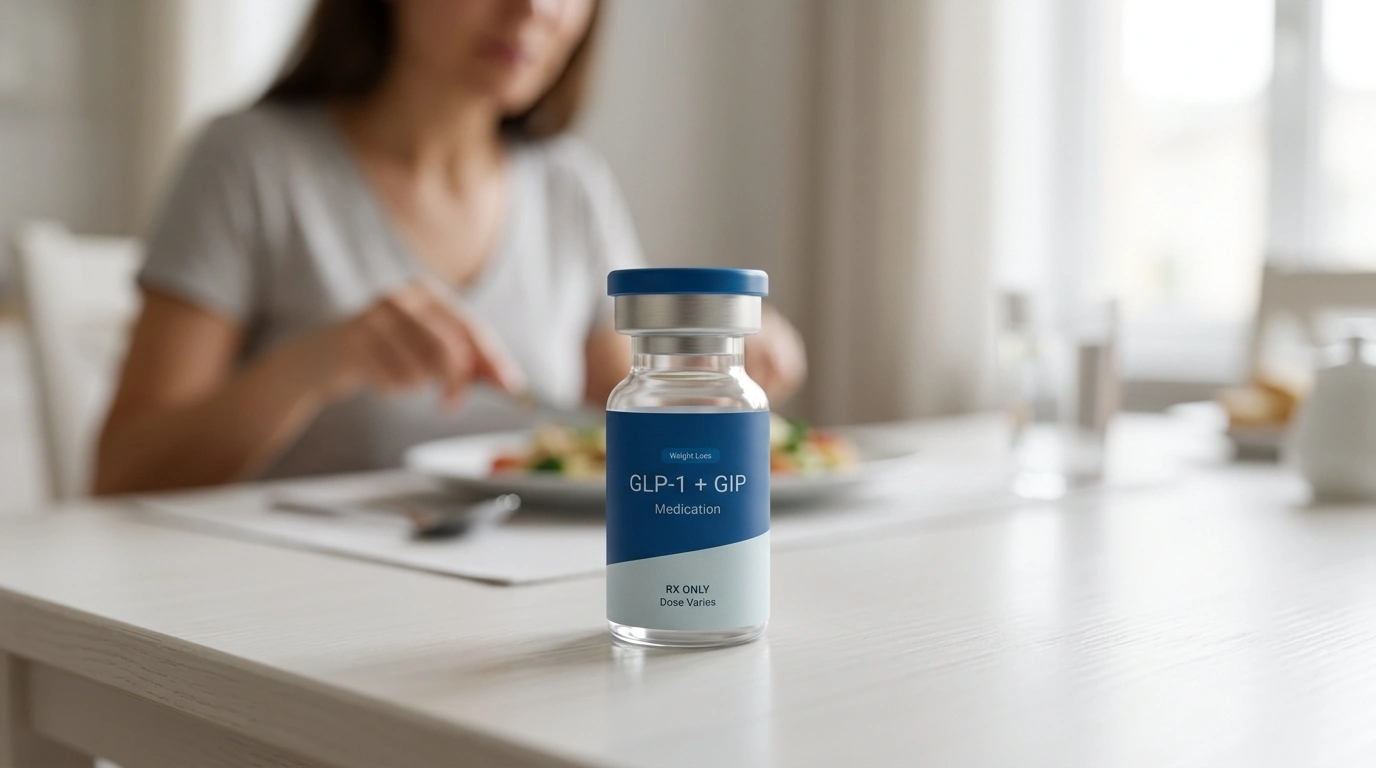
Table of Contents
- Introduction
- How Tirzepatide Affects Your Body Composition
- The Reality of Building Muscle in a Calorie Deficit
- The Non-Negotiable Role of Protein
- Why Resistance Training Is Mandatory
- Managing Side Effects to Support Training
- The Importance of Nutrient Support
- Monitoring Your Progress Beyond the Scale
- Designing a Sustainable Muscle-Building Routine
- Avoiding Common Mistakes
- The Long-Term Benefits of Muscle Mass
- Conclusion
- FAQ
Introduction
Watching the numbers on the scale drop is a significant victory for many, but noticing a loss of physical strength or a “soft” appearance can be a discouraging side effect of rapid weight loss. When using powerful medications like Zepbound®, many individuals worry that they are losing muscle just as fast as they are losing fat. At TrimRx, we understand that your goal isn’t just a lower number on the scale, but a healthier, stronger body. This article explores whether it is possible to maintain or even build muscle while using tirzepatide, the active ingredient in Zepbound®. We will look at the science of metabolic health, the importance of protein, and how a personalized approach can help you achieve a toned, athletic physique. While these medications are designed for weight loss, building muscle is entirely possible with the right nutritional and exercise strategy.
If you are considering prescription GLP-1 treatment, you can complete a free eligibility assessment to explore whether a personalized program may be appropriate for you.
How Tirzepatide Affects Your Body Composition
Tirzepatide is a dual-acting medication that mimics two natural hormones in the body: glucagon-like peptide-1 (GLP-1) and glucose-dependent insulinotropic polypeptide (GIP). These hormones work together to regulate blood sugar, slow down digestion, and signal to the brain that you are full. This leads to a significant reduction in calorie intake, which is the primary driver of weight loss. However, when the body is in a large calorie deficit, it doesn’t only burn stored fat for energy. It may also break down muscle tissue through a process called catabolism.
For a broader look at how resistance exercise supports lean mass during GLP-1 treatment, explore this guide to strength training on GLP-1 medications.
Muscle loss is a common concern with any rapid weight loss program, including those involving GLP-1 medications. Research suggests that a portion of the weight lost on these medications can come from lean body mass if the individual is not proactive. This is why “body composition”—the ratio of fat to muscle in your body—is a more important metric than total weight. Maintaining muscle is vital because muscle tissue is metabolically active, meaning it burns more calories at rest than fat tissue does.
Protecting your metabolic rate is the key to long-term success. If you lose too much muscle, your metabolism may slow down, making it harder to maintain your weight loss in the future. By focusing on muscle preservation and growth, you ensure that your weight loss is sustainable and that you feel strong and energetic throughout your journey.
Key Takeaway: Zepbound® effectively reduces appetite and caloric intake, but a significant calorie deficit can lead to muscle loss unless you prioritize protein and resistance training.
The Reality of Building Muscle in a Calorie Deficit
Building muscle while losing fat is a process often referred to as “body recomposition.” For most people, this is a challenging task because building muscle usually requires a calorie surplus, while losing fat requires a calorie deficit. However, individuals who are new to strength training or those who have a significant amount of body fat to lose are often able to achieve both simultaneously.
Learn more about building muscle on tirzepatide with protein and resistance work.
The dual-hormone action of tirzepatide may actually offer some metabolic advantages. While GLP-1 focuses on appetite and gastric emptying, the GIP component is thought to play a role in how the body stores and utilizes fat and energy. Some early discussions in the clinical community suggest that GIP might help protect lean mass more effectively than GLP-1 alone, though more research is needed. Regardless of the medication’s specific mechanism, the fundamental rules of muscle growth still apply.
To build muscle on Zepbound®, you must provide your body with a reason to keep its muscle tissue. When you engage in resistance training, you create microscopic tears in the muscle fibers. The body then uses protein and energy to repair these tears, making the muscle stronger and larger. If you are taking a medication that reduces your appetite, you must be very intentional about the quality of the calories you do consume to support this repair process.
The Non-Negotiable Role of Protein
Protein is the building block of muscle tissue and the most critical nutrient for anyone on a GLP-1 or GIP medication. When your appetite is suppressed, you might find yourself eating much smaller portions. If those small portions are low in protein, your body will look to your own muscle tissue to find the amino acids it needs for basic functions. This is why we emphasize high-protein intake for every person in our program.
Our practical guide to eating enough protein on tirzepatide offers additional strategies for meeting protein goals when appetite is reduced.
The “muscle protein synthesis” process requires a steady supply of essential amino acids. Most experts recommend that individuals looking to maintain or build muscle during weight loss aim for roughly 0.8 to 1 gram of protein per pound of target body weight. For someone aiming for 150 pounds, that means consuming 120 to 150 grams of protein daily. This can be difficult when your appetite is low, which is why planning is essential.
Focus on high-quality, lean protein sources at every meal.
- Chicken breast, turkey, and lean cuts of beef
- Fish and shellfish
- Greek yogurt, cottage cheese, and eggs
- Plant-based options like tofu, tempeh, and lentils
- Whey or plant-based protein shakes to fill the gaps
Key Takeaway: Aiming for high protein intake—roughly 1 gram per pound of goal weight—is the single most important dietary factor in preventing muscle loss while taking tirzepatide.
Why Resistance Training Is Mandatory
You cannot “will” your muscles to stay; you must use them. Cardiovascular exercise like walking or cycling is excellent for heart health and burning extra calories, but it does very little to build or protect muscle mass. To signal to your body that muscle tissue is essential, you must perform resistance training. This includes lifting weights, using resistance bands, or performing bodyweight exercises like push-ups and squats.
Strength training should occur at least three times per week for optimal results. Focus on “progressive overload,” which means gradually increasing the weight, frequency, or number of repetitions in your exercise routine. This constant challenge forces the muscles to adapt and grow. If you are new to the gym, starting with basic compound movements—exercises that use multiple joints and muscle groups—is the most efficient way to see progress.
For another tirzepatide-specific perspective, read about weight lifting to preserve muscle on Mounjaro.
The combination of tirzepatide and weightlifting can lead to a dramatic transformation. As the medication helps you shed fat, the strength training ensures that there is toned muscle underneath. This prevents the “skinny fat” look that sometimes occurs with rapid weight loss. Furthermore, resistance training improves insulin sensitivity, which works in harmony with the goals of your medication.
Managing Side Effects to Support Training
Common side effects of tirzepatide, such as nausea or fatigue, can make it hard to stay consistent with the gym. If you are feeling unwell, it is difficult to find the motivation to lift weights. However, managing these side effects is often a matter of hydration and timing. Many patients find that their energy levels improve once they stabilize their blood sugar and increase their water intake.
For more guidance, review these common GLP-1 side effects and management strategies.
Hydration is critical for muscle function and recovery. Dehydration can lead to muscle cramps and decreased strength during your workouts. Since medications like Zepbound® can sometimes reduce your thirst cues, you must be proactive about drinking water throughout the day. Adding electrolytes can also help, especially if you are training intensely or living in a warm climate.
Our team at TrimRx recommends listening to your body while pushing through the initial adjustment period. If you experience significant fatigue, try scheduling your hardest workouts for the days when your energy is highest, which is often a few days after your last injection. As your body adjusts to the medication, these side effects typically diminish, allowing you to focus more on your fitness goals.
The Importance of Nutrient Support
When you eat less, you also take in fewer vitamins and minerals. These micronutrients are essential for energy production and muscle recovery. Magnesium, for example, is vital for muscle contraction and relaxation, while Vitamin D supports bone health and muscle strength. If you are struggling to get enough nutrients from food alone, targeted supplementation can be a helpful bridge.
We offer specialized options like GLP-1 Daily Support to help fill these nutritional gaps. This type of supplement is designed to support the unique needs of individuals on weight loss medications. Additionally, products like Weight Loss Boost can provide the extra metabolic support needed to keep energy levels high enough for consistent exercise. Always consult with a healthcare provider before adding new supplements to your routine to ensure they are appropriate for your specific health profile.
Bottom line: While food should always be your first source of nutrients, high-quality supplements can help maintain the energy and micronutrient levels necessary for building muscle while your appetite is suppressed.
Monitoring Your Progress Beyond the Scale
To know if you are building muscle, you have to look at more than just your weight. Because muscle is denser than fat, your weight might stay the same even if your body composition is improving. This can be frustrating if you only look at the scale. Instead, use multiple methods to track your transformation.
Consider these alternative ways to measure success:
- Body Measurements: Track the circumference of your waist, hips, arms, and thighs.
- Progress Photos: Visual changes are often more apparent than scale changes.
- Strength Gains: Are you able to lift more weight than you were last month?
- Clothing Fit: Notice how your clothes feel, especially around the shoulders and waist.
- Body Composition Scans: Tools like DXA scans or bioelectrical impedance scales can provide an estimate of your fat and muscle percentages.
For more context on how muscle and fat can change during treatment, read about metabolic adaptation and body composition.
For a person with a BMI over 30 who is starting their journey, the initial focus is often on fat loss. However, as you move closer to your goal weight, the focus should shift toward building and defining muscle. Tracking these metrics ensures you stay motivated even when the scale moves slowly.
Designing a Sustainable Muscle-Building Routine
A personalized program is the most effective way to balance weight loss with muscle growth. There is no one-size-fits-all approach because everyone’s starting point, goals, and medical history are different. At TrimRx, we believe in a telehealth-first model that provides the medical supervision and personalized guidance needed to navigate this journey safely and effectively.
Step 1: Get a Professional Assessment. Take our free assessment quiz to determine your eligibility and help our partner providers understand your health goals. This is the first step in creating a plan that considers your specific needs.
Step 2: Prioritize Your Protein Intake. Plan your meals around lean protein. If you are too full for a full meal, reach for a high-quality protein shake or Greek yogurt to ensure you hit your daily targets.
Step 3: Start a Strength Training Program. Whether it’s at home or in a gym, begin a resistance routine. Focus on consistency over intensity in the beginning. Three sessions a week for thirty minutes is a great starting point.
Step 4: Stay Consistent and Patient. Muscle growth takes time, especially in a calorie deficit. Stay the course, even when progress feels slow. The combination of medical support and lifestyle changes is a powerful tool for long-term health.
Avoiding Common Mistakes
The biggest mistake people make is eating too few calories. While the medication makes it easy to fast or skip meals, extreme calorie deprivation will lead the body to burn muscle for fuel. Even if you aren’t hungry, you must consume enough energy to support basic bodily functions and your exercise routine. Think of food as fuel for your muscles rather than just calories to be avoided.
Another common error is neglecting sleep and recovery. Muscle is built while you sleep, not while you are at the gym. During deep sleep, the body releases growth hormones that repair tissue. If you are overtraining and under-sleeping, your body will remain in a stressed, catabolic state, making it nearly impossible to build muscle. Aim for 7–9 hours of quality sleep per night.
Finally, don’t ignore the importance of professional guidance. Weight loss medications are powerful tools that should be used under the care of a licensed healthcare provider. They can help you adjust your dosage or address side effects that might be hindering your progress. A personalized approach ensures that you are losing weight in a way that promotes health, not just thinness.
Myth: You will automatically lose all your muscle if you take Zepbound®. Fact: Muscle loss is a risk of any weight loss, but it is not a foregone conclusion. With high protein intake and resistance training, you can maintain and even build muscle mass.
The Long-Term Benefits of Muscle Mass
Muscle is your greatest ally in maintaining your weight loss for the long term. Once you reach your goal weight, having more muscle mass means your body requires more calories just to exist. This creates a “metabolic buffer” that makes it much easier to avoid regaining the weight. People with higher muscle mass also tend to have better blood sugar control and a lower risk of metabolic diseases.
Beyond the metabolic benefits, muscle improves your quality of life. Stronger muscles protect your joints, improve your posture, and make daily activities easier. Whether it’s carrying groceries, playing with your children, or enjoying outdoor hobbies, physical strength is the foundation of an active life. By focusing on muscle while using medications like Zepbound®, you are investing in your future self.
At TrimRx, our mission is to provide you with the tools, science, and support needed to transform your health. We don’t just want to help you lose weight; we want to help you build a lifestyle that lasts. Our platform connects you with licensed providers and high-quality compounded medications, such as Compounded Tirzepatide, to support your unique journey toward a stronger, healthier version of yourself.
Conclusion
Building muscle while taking Zepbound® is not only possible but essential for a healthy body transformation. By combining the appetite-regulating power of tirzepatide with a high-protein diet and consistent resistance training, you can change your body composition for the better. Remember to focus on the quality of your nutrition, prioritize strength training, and monitor your progress through measurements and strength gains rather than just the scale. This journey is about more than just losing weight; it is about gaining the strength and confidence to live your best life.
Our team is here to guide you through every step of this process with a transparent and supportive approach. We believe that everyone deserves access to personalized, science-backed weight loss solutions. If you are ready to take the next step in your health journey, the path forward is clear and accessible.
Key Takeaway: Success on Zepbound® is defined by losing fat while preserving the muscle that powers your metabolism and your life.
Ready to start your personalized journey? Take the free assessment quiz today to see which program is right for you and begin your path toward sustainable, healthy weight loss with our expert support.
FAQ
Can I build muscle while taking Zepbound?
Yes, it is possible to build muscle while taking Zepbound®, although it requires a focused effort on nutrition and exercise. To achieve this, you must consume adequate protein and engage in regular resistance training to stimulate muscle protein synthesis. While the medication creates a calorie deficit for weight loss, these lifestyle habits signal the body to preserve and grow lean tissue.
How much protein should I eat to prevent muscle loss?
Most experts recommend consuming between 0.8 and 1.2 grams of protein per pound of target body weight daily. For someone aiming for a goal weight of 160 pounds, this means a daily intake of 128 to 192 grams of protein. Spreading this protein intake across several small meals or snacks can help you meet your goals even when your appetite is suppressed by medication.
Is it safe to lift heavy weights on tirzepatide?
Generally, yes, resistance training is safe and highly recommended for individuals on tirzepatide. However, you should always consult with your healthcare provider before starting a new, intense exercise routine, especially if you have underlying health conditions. It is important to stay hydrated and listen to your body’s signals to avoid overexertion, especially during the first few weeks of treatment.
Will I look “skinny fat” if I lose weight too quickly on Zepbound?
The “skinny fat” appearance occurs when someone loses a significant amount of weight but lacks the underlying muscle tone to provide shape and definition. You can prevent this by prioritizing strength training and high protein intake from the beginning of your treatment. Focusing on body composition rather than just total weight will help ensure you look and feel toned as you reach your goal.
Disclaimer: This content is for informational purposes only and does not constitute medical advice. It is not intended to diagnose, treat, cure, or prevent any disease or condition. Individual results may vary. Always consult a qualified healthcare professional before starting any weight loss program or medication.

Transforming Lives, One Step at a Time
Keep reading

Why Is There a Bruise Where I Injected My Zepbound?
A bruise means a small blood vessel was disturbed under the skin and blood spread into the surrounding tissue. It is one of the…

My Zepbound Pen Won’t Click Past a Certain Dose
Start by checking which device you are holding, because the answer depends entirely on that. Zepbound has commonly been supplied in the United States…
Zepbound Alternatives: Your Options Compared
If Zepbound isn’t the right fit, the main alternative is semaglutide (sold as Wegovy), which produces slightly less weight loss but works similarly, along…


