How to Inject Zepbound in Stomach: A Step-by-Step Guide
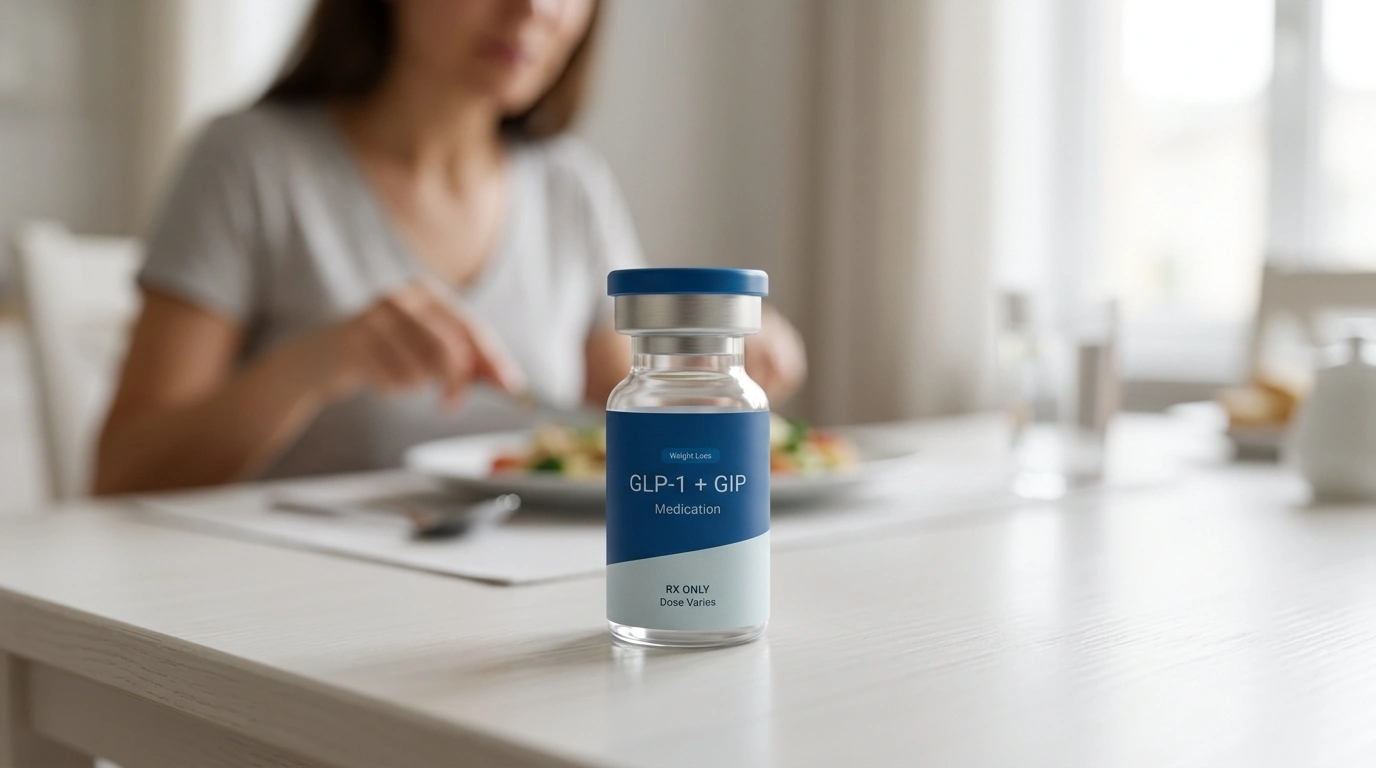
Table of Contents
- Introduction
- Understanding the Zepbound Pen and Tirzepatide
- Why the Stomach is a Primary Injection Site
- Preparing for Your Injection
- Selecting the Right Spot on Your Stomach
- Step-by-Step: How to Inject Zepbound in Stomach
- Post-Injection Care and Disposal
- Managing Common Injection Site Reactions
- The Importance of Site Rotation
- Troubleshooting Common Issues
- Storage and Handling Tips
- How TrimRx Supports Your Journey
- Conclusion
- FAQ
Introduction
Standing in your kitchen with a new prescription can feel like a major milestone, but it often comes with a side of nerves. If you are feeling a bit anxious about how to inject Zepbound® in the stomach, you are certainly not alone. Transitioning to a self-injectable medication is a significant step in a weight loss journey, and mastering the technique is the best way to feel confident and stay consistent. At TrimRx, we believe that understanding the “how” and “why” behind your treatment helps remove the guesswork, allowing you to focus on your health goals rather than the mechanics of the pen. If you are still figuring out whether a personalized program is the right next step, you can take our free assessment quiz. This post covers everything from preparing your injection site to the final click of the device, ensuring you have a clear, safe, and stress-free experience every time.
Understanding the Zepbound Pen and Tirzepatide
Before we dive into the physical steps, it helps to understand what you are handling. Zepbound® is a branded version of a medication called tirzepatide. This medication is known as a dual-receptor agonist, which means it mimics two natural hormones in your body: glucagon-like peptide-1 (GLP-1) and glucose-dependent insulinotropic polypeptide (GIP). If you want a broader overview of how GLP-1 treatments fit into weight management, our guide to GLP-1 for weight loss without diabetes is a helpful companion.
These hormones work together to regulate your appetite and how your body processes sugar. By activating these receptors, the medication helps you feel fuller for longer and can improve your metabolic health. The medication is delivered through a single-dose, pre-filled autoinjector pen. This pen is designed to be user-friendly, meaning the needle is hidden from view, and the device handles the depth and speed of the injection for you.
Key Takeaway: The Zepbound® pen is a pre-filled, single-use device designed to deliver a precise dose of tirzepatide into the fatty tissue just beneath the skin, known as the subcutaneous layer.
Why the Stomach is a Primary Injection Site
While there are several spots on the body where you can administer this medication, many people find the stomach to be the most convenient and least sensitive option. When you are learning where on your stomach to inject Zepbound, you are targeting the subcutaneous fat. This is the layer of fat between your skin and your muscle.
The abdomen provides a large, accessible area with plenty of subcutaneous tissue, which allows for consistent absorption of the medication. Some clinical observations suggest that injecting into the stomach may lead to slightly different absorption rates compared to the thigh or the back of the arm, though all three sites are medically approved. Most importantly, the stomach is easy to see and reach, which reduces the risk of accidental needle slips or improper pen positioning.
Preparing for Your Injection
Success starts before you ever touch the pen to your skin. A calm, clean environment makes the process much smoother.
Step 1: Inspect the Medication
Take the pen out of the refrigerator. Check the label to confirm it is the correct medication and dosage. Look through the clear glass window on the side of the pen. The liquid inside should be clear and colorless or slightly yellow. If it looks cloudy, has particles floating in it, or if the expiration date has passed, do not use it.
Step 2: Let it Reach Room Temperature
While you can inject the medication cold, some people find that a cold injection stings slightly more. If you want a closer look at that question, can you inject Zepbound cold explains the storage and comfort considerations in more detail. Letting the pen sit at room temperature for about 30 minutes can make the experience more comfortable. Do not try to warm it up with a microwave, hot water, or direct sunlight, as extreme heat can damage the tirzepatide molecule.
Step 3: Wash Your Hands
Cleanliness is vital to prevent infection at the injection site. Wash your hands thoroughly with soap and warm water for at least 20 seconds.
Step 4: Gather Your Supplies
You will need:
- Your Zepbound® pen
- An alcohol swab (or a cotton ball soaked in rubbing alcohol)
- A gauze pad or a clean tissue
- A sharps disposal container (or a heavy-duty plastic container with a lid)
Selecting the Right Spot on Your Stomach
The “stomach” is a broad area, but for an injection, you need to be specific. You want to stay at least two inches away from your belly button (umbilicus). If you want a deeper look at site choice, our article on whether it makes a difference where you inject Zepbound covers the approved areas and why they matter.
Where to inject:
- Anywhere in the lower or upper abdomen, as long as it is two inches from the navel.
- Areas with enough “pinchable” fat.
What to avoid:
- Do not inject into skin that is bruised, red, hard, or scarred.
- Avoid areas with stretch marks or skin conditions like psoriasis.
- Never inject through clothing; the pen must make direct contact with your skin.
Note: If you are also taking other injectable medications (like insulin), do not inject them in the exact same spot. Space them out or use a different region of the body entirely.
Step-by-Step: How to Inject Zepbound in Stomach
Once you are prepared and your site is selected, follow these steps to administer your dose correctly.
1. Clean the Injection Site
Wipe the chosen area of your stomach with an alcohol swab. Use a circular motion, starting at the center and moving outward. Let the skin air dry completely. Do not blow on it to speed up the process, as this can introduce bacteria.
2. Prepare the Pen
Check that the pen is in the “locked” position. You will see a small lock icon on the ring near the top. Remove the grey base cap by pulling it straight off. Do not twist it. Once the cap is off, do not touch the needle or put the cap back on, as this could damage the needle or contaminate it.
3. Position the Pen
Place the clear base of the pen flat against your skin at the site you just cleaned. Ensure the pen is perpendicular to your body (at a 90-degree angle). You do not need to pinch your skin for this type of autoinjector, though some individuals with very little body fat find a light pinch helpful.
4. Unlock the Device
While holding the pen firmly against your skin, turn the lock ring to the “unlocked” position. You are now ready to deliver the dose.
5. Press and Hold
With your thumb or finger, press the green injection button on the top of the pen. You will hear a loud “click.” This signifies the start of the injection. Continue to hold the pen firmly against your skin. You will hear a second “click” a few seconds later. This indicates the injection is complete.
6. Verify the Injection
Check the pen window. You should see a grey plunger filling the space. This is your visual confirmation that the medication has been fully delivered. You can now lift the pen away from your skin.
Post-Injection Care and Disposal
After you have completed the injection, there are a few final steps to ensure safety and hygiene.
Handling the site: A small drop of blood or a tiny amount of clear liquid at the site is normal. If there is bleeding, press a gauze pad or cotton ball against the spot for a few seconds. Do not rub the area, as this can interfere with how the medication is absorbed.
Safe Disposal: The Zepbound® pen is for one-time use only. Never attempt to reuse a pen or share it with someone else. Place the used pen immediately into a sharps disposal container. If you do not have an FDA-cleared sharps container, a heavy-duty laundry detergent bottle with a screw-on lid can work as a temporary substitute until you can dispose of it properly at a designated collection site.
Quick Answer: To inject Zepbound® in the stomach, clean an area 2 inches from your navel, press the pen flat against the skin, unlock it, and push the button until you hear the second click. Always dispose of the used pen in a puncture-resistant sharps container.
Managing Common Injection Site Reactions
It is common to experience a mild reaction at the site of the injection, especially during the first few weeks of treatment. Most of these reactions are temporary and fade within a day or two.
- Redness or Itching: This is often a mild immune response. A cold compress can help soothe the area.
- Minor Swelling: A small “wheal” or bump may appear immediately after the injection. This usually disappears as the medication absorbs.
- Bruising: This can happen if a small blood vessel is nicked. It is generally harmless but suggests you should try a slightly different spot next time.
If you experience severe pain, spreading redness, or signs of a systemic allergic reaction (like hives, swelling of the face, or difficulty breathing), contact a healthcare professional immediately.
The Importance of Site Rotation
One of the most critical aspects of learning how to inject Zepbound in the stomach is the concept of rotation. You should never inject into the exact same spot two times in a row.
If you repeatedly use the same small area, you may develop a condition called lipohypertrophy. This is a buildup of fatty tissue under the skin that can become hard or lumpy. Not only can this be uncomfortable, but it can also change how your body absorbs the medication, potentially making it less effective.
How to rotate effectively:
- Imagine your stomach is divided into four quadrants (top left, top right, bottom left, bottom right).
- Switch quadrants each week.
- Even within a quadrant, move your injection site by at least an inch from the previous week’s spot.
- Some people find it helpful to keep a “site log” in a journal or a phone app to track where they injected last.
Troubleshooting Common Issues
Even with the best preparation, things can sometimes go wrong. Here is how to handle common scenarios:
The pen didn’t click: Ensure the lock ring is fully in the “unlocked” position. If it still won’t click, do not force it. The pen may be defective. Contact the manufacturer or your pharmacist for guidance.
I saw a drop of liquid on the needle after injecting: A small drop is normal and does not mean you missed your dose. However, if a significant amount of liquid is on your skin, you may not have held the pen firmly enough or waited for the second click. Do not administer a second dose; simply wait until your next scheduled day and focus on technique.
The needle didn’t retract: If the grey plunger is not visible in the window, the dose may not have been delivered. Contact your healthcare provider to discuss how to proceed.
Storage and Handling Tips
To keep your medication effective, proper storage is non-negotiable.
- Keep it Cool: Zepbound® should be stored in the refrigerator between 36°F to 46°F (2°C to 8°C).
- Do Not Freeze: If the medication freezes, it is no longer safe to use. Throw it away.
- Travel Safety: If you are traveling, the pen can stay at room temperature (up to 86°F or 30°C) for up to 21 days. Keep it in its original carton to protect it from light.
- Original Packaging: Always keep the pens in their original box. This protects them from light and ensures you have the expiration date and instructions handy.
How TrimRx Supports Your Journey
Navigating the world of GLP-1 and GIP medications can feel overwhelming, but you don’t have to do it alone. We provide a telehealth-first approach that prioritizes your comfort and clinical safety. Our platform connects you with licensed healthcare providers who can evaluate your health history and determine if a GLP-1 or GIP medication is right for you. If you want to understand the broader support model behind this care, what GLP-1 support means for your weight loss journey is a useful read.
When you join a program through us, you get more than just a prescription. Our personalized programs are designed to fit your unique health profile and weight loss goals. We understand that the transition to injectable medication is a big adjustment. That is why our team of specialists is available to provide ongoing support, helping you manage side effects, refine your injection technique, and stay on track toward sustainable results. If you are looking for quick-access nutritional support during treatment, our GLP-1 Daily Support supplement may be a helpful option.
If you are looking for alternatives or supplementary support, we also offer access to products from FDA-registered and inspected compounding pharmacies. For example, compounded tirzepatide is a customized medication prepared by a pharmacist to meet specific needs. While compounded medications are not FDA-approved, they are often used when branded medications are in short supply or when a patient requires a specific formulation. We also offer immediate-access supplements, like our Weight Loss Boost supplement, to support your weight loss routine.
Conclusion
Mastering the process of how to inject Zepbound in the stomach is a foundational skill for anyone starting this medication. By following a consistent routine of preparation, site selection, and rotation, you can make the injection a seamless part of your weekly health habit. Remember to be patient with yourself—the first few times might feel clumsy, but it quickly becomes second nature.
At TrimRx, our mission is to empower you with the science, tools, and empathy needed for long-term weight management. We are here to guide you through every click of the pen and every milestone on your journey.
Your Next Steps:
- Review your injection technique with your healthcare provider.
- Start a log to track your injection sites and any reactions.
- If you are ready to explore a medically supervised, personalized weight loss plan, take our free assessment quiz to see which program is right for you.
FAQ
Does injecting Zepbound in the stomach hurt?
Most people report that the injection is relatively painless because the needle is very thin and the pen is designed for a quick, automated delivery. You might feel a slight pinch or a sensation of pressure, but letting the medication reach room temperature before injecting can help minimize any discomfort.
Can I inject Zepbound in the same spot every week?
No, you should always rotate your injection site to prevent skin irritation and the buildup of fatty tissue, which can interfere with medication absorption. You can stay in the stomach area, but move the site at least an inch away from where you injected the previous week.
What should I do if I see a bruise at the injection site?
A small bruise is usually nothing to worry about and occurs when the needle hits a tiny blood vessel. It will typically heal on its own within a few days; just be sure to choose a different quadrant of your stomach for your next dose to allow that area to recover.
Should I pinch my stomach fat before I inject?
With the Zepbound® autoinjector pen, pinching the skin is generally not necessary because the pen is designed to deliver the medication to the correct depth when pressed flat against the skin. However, if you have very little subcutaneous fat, your healthcare provider may suggest a light pinch—always follow the specific guidance provided during your clinical consultation.
Disclaimer: This content is for informational purposes only and does not constitute medical advice. It is not intended to diagnose, treat, cure, or prevent any disease or condition. Individual results may vary. Always consult a qualified healthcare professional before starting any weight loss program or medication.

Transforming Lives, One Step at a Time
Keep reading

Why Is There a Bruise Where I Injected My Zepbound?
A bruise means a small blood vessel was disturbed under the skin and blood spread into the surrounding tissue. It is one of the…
My Zepbound Pen Won’t Click Past a Certain Dose
Start by checking which device you are holding, because the answer depends entirely on that. Zepbound has commonly been supplied in the United States…
Zepbound Alternatives: Your Options Compared
If Zepbound isn’t the right fit, the main alternative is semaglutide (sold as Wegovy), which produces slightly less weight loss but works similarly, along…


