How to Treat Nausea from Zepbound: Practical Management Tips
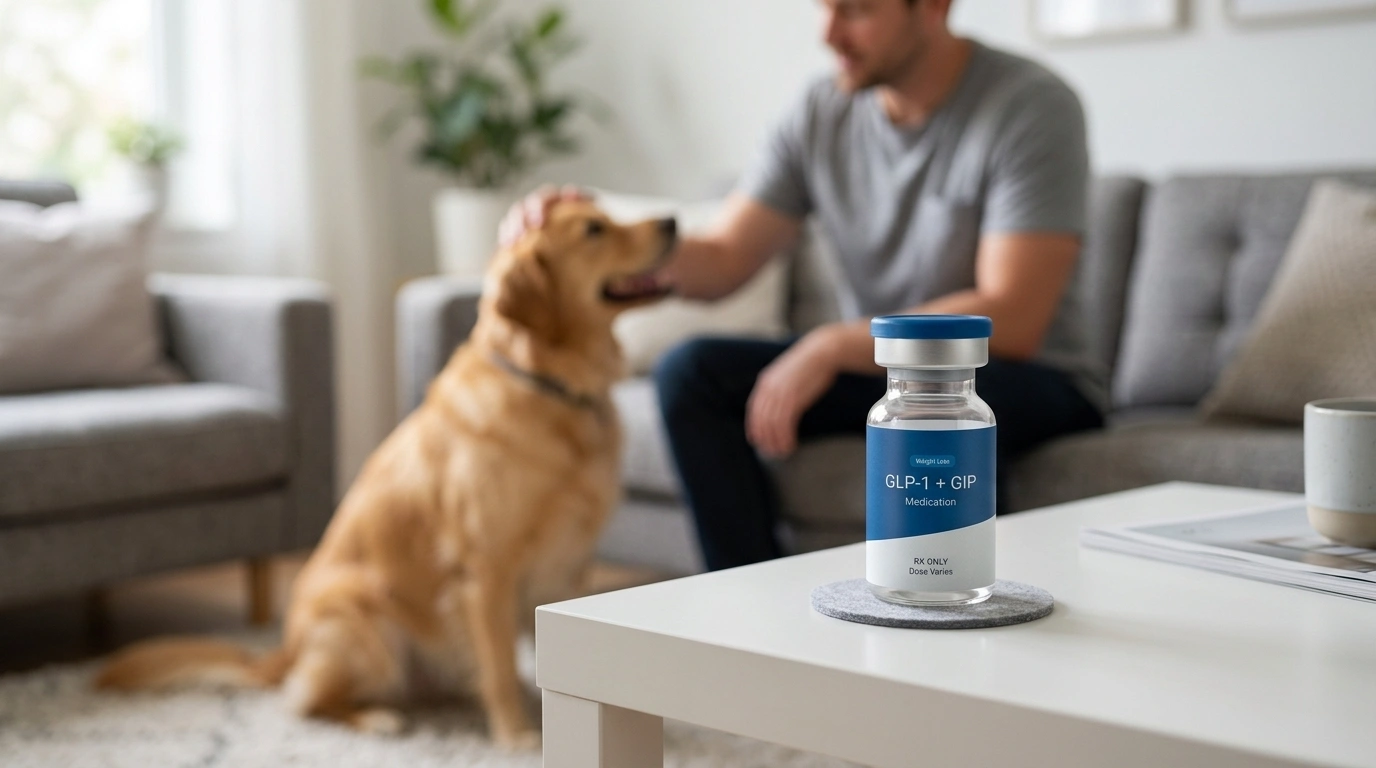
Table of Contents
- Introduction
- The Biological Cause of Nausea on Tirzepatide
- Dietary Adjustments to Reduce Nausea
- Hydration and Nausea Management
- Injection Techniques and Timing
- Lifestyle and Environment Hacks
- When to Consult Your Healthcare Provider
- The Importance of a Personalized Program
- Practical Steps: A Summary for Relief
- Conclusion
- FAQ
Introduction
Starting a new weight loss journey often brings a mix of excitement and anticipation. When you begin a medication like Zepbound®, you are taking a significant step toward improving your metabolic health and achieving a sustainable weight. However, as the body adjusts to the medication, it is common to experience some “onboarding” symptoms, with nausea being one of the most frequently reported. At TrimRx, we understand that physical discomfort can feel like a setback, but it is often a manageable part of the process. This article explores why this sensation occurs and provides actionable, evidence-based strategies for how to treat nausea from zepbound. If you are still deciding whether a personalized program is the right fit, you can take the free assessment quiz to get started. We will cover dietary changes, hydration habits, and lifestyle adjustments that help you stay comfortable while your body adapts to your treatment plan. Our goal is to ensure you feel supported and equipped to navigate these early stages successfully.
The Biological Cause of Nausea on Tirzepatide
To understand how to treat nausea from zepbound, it helps to understand why it happens in the first place. Zepbound is a brand name for tirzepatide, a medication that acts as a dual agonist for two specific hormones in the body: glucagon-like peptide-1 (GLP-1) and glucose-dependent insulinotropic polypeptide (GIP). These hormones are naturally produced in the gut and play a vital role in regulating appetite and blood sugar. For a broader explanation of how these medications work, see our guide on what GLP-1 is and how it works.
Tirzepatide works by mimicking these hormones to signal the brain that you are full, while also slowing down the rate at which your stomach empties. This process is known as delayed gastric emptying. Because food remains in the stomach for a longer duration, it can lead to a sensation of fullness that, for some, crosses the line into nausea. If you want a deeper look at this side effect, our article on why tirzepatide causes nausea explains the mechanism in more detail.
Key Takeaway: Nausea is typically a sign that the medication is working to slow your digestion and communicate with your brain’s hunger centers. For most individuals, this sensation is temporary and fades as the body becomes accustomed to the presence of the medication.
Most people find that nausea is most prominent during the first few days after an injection or when the dosage is increased. This is because the concentration of the medication in the bloodstream is at its peak. Understanding this “peak and valley” cycle can help you plan your meals and activities more effectively.
Dietary Adjustments to Reduce Nausea
What you eat—and how you eat it—is perhaps the most significant factor in managing gastrointestinal discomfort while on tirzepatide. Because your digestion is moving more slowly, the “backlog” of food can trigger a queasy feeling if the stomach is overloaded. Our guide on common GLP-1 side effects offers a helpful overview of the most common adjustment symptoms people notice early on.
The Power of Small, Frequent Meals
One of the most effective ways to treat nausea is to move away from the traditional “three large meals a day” structure. When your stomach is processing food more slowly, a large meal can feel heavy and overwhelming. Instead, aim for five or six small, nutrient-dense snacks or mini-meals throughout the day.
By keeping your portions small, you prevent the stomach from becoming overly distended, which is a primary trigger for nausea. This approach also helps maintain stable blood sugar levels, preventing the “empty stomach” nausea that some people experience when they go too long without eating.
Prioritizing Bland and Simple Foods
When nausea strikes, your digestive system is essentially asking for a break. During the first few weeks of treatment or after a dose increase, it may be beneficial to stick to the “bland diet.” Historically, this was known as the BRAT diet (bananas, rice, applesauce, and toast), but you can modernize this to include lean proteins and simple vegetables.
- Lean Proteins: Boiled or baked chicken, turkey, or tofu.
- Low-Fiber Grains: White rice or crackers can be easier on a sensitive stomach than high-fiber whole grains during an acute bout of nausea.
- Cold Foods: Sometimes the smell of hot, steaming food can trigger a gag reflex. Cold options like Greek yogurt, chilled protein shakes, or deli turkey slices often have less intense aromas and are better tolerated.
Foods to Avoid During the Adjustment Period
Just as certain foods can soothe the stomach, others can exacerbate the slowing effect of tirzepatide. High-fat and fried foods are the most common culprits. Fat naturally slows down digestion even further; when combined with a medication that already delays gastric emptying, it can lead to significant discomfort, bloating, and prolonged nausea.
Spicy foods and high-sugar snacks can also irritate the lining of the stomach. Additionally, carbonated beverages should be consumed with caution. The bubbles in soda or sparkling water introduce air into the digestive tract, which can contribute to a “bloated” feeling that quickly turns into nausea.
Bottom line: Focus on low-volume, high-protein, and low-fat food choices. Listen closely to your body’s fullness cues and stop eating the moment you feel satisfied, even if there is food left on the plate.
Hydration and Nausea Management
Staying hydrated is crucial when taking any GLP-1 or GIP medication, but it is especially important when you are feeling nauseated. Dehydration can actually make the sensation of nausea worse, creating a difficult cycle to break. Our article on what helps with nausea on tirzepatide walks through practical relief strategies that many patients find useful.
Small Sips and Electrolyte Balance
If you are feeling queasy, drinking a full glass of water at once might feel impossible. Instead, focus on taking small, frequent sips throughout the day. Using a straw can sometimes help control the amount you consume.
While plain water is excellent, you should also consider electrolytes. When your caloric intake decreases or if you experience any vomiting or diarrhea, your body loses essential minerals like sodium, potassium, and magnesium. Electrolyte-infused waters or powders can help maintain your energy levels and support proper muscle and nerve function. However, be sure to choose sugar-free versions to avoid blood sugar spikes and further stomach irritation.
Natural Remedies: Ginger and Peppermint
For centuries, ginger and peppermint have been used as natural remedies for digestive upset.
- Ginger: This root contains compounds called gingerols and shogaols that help speed up stomach emptying and soothe the digestive tract. You can try ginger tea, sugar-free ginger ale, or small amounts of fresh ginger steeped in hot water.
- Peppermint: Peppermint oil or tea can help relax the muscles of the gastrointestinal tract. This relaxation can reduce the cramping and “tight” feeling that often accompanies nausea.
If you find that your appetite is significantly suppressed, it may be helpful to speak with your care team about your overall support plan as part of a personalized assessment.
Injection Techniques and Timing
The way you administer your medication can sometimes influence the severity of side effects. While clinical data on injection sites is still evolving, many patients and providers have observed patterns that may help you find relief.
Choosing the Right Injection Site
Zepbound is typically injected into the fatty tissue of the abdomen, thigh, or upper arm. Some individuals report that injecting into the thigh rather than the abdomen reduces the intensity of gastrointestinal side effects like nausea. The theory is that the medication may be absorbed slightly differently in different areas of the body, though this varies significantly from person to person.
If you are struggling with nausea, it may be worth discussing a change in injection site with your healthcare provider. Always follow the specific instructions provided with your prescription, and ensure you are rotating your injection sites each week to prevent skin irritation or lumps.
Timing Your Dose
For many, the first 24 to 48 hours after an injection are the most challenging. You might find it helpful to time your dose based on your weekly schedule. For example:
- Before Bed: Some people prefer to take their injection on a Friday night before going to sleep. This allows them to sleep through the initial onset of side effects and gives them the weekend to rest and recover if needed.
- With a Light Meal: While the medication can be taken with or without food, having a small, protein-rich snack right before your injection may help settle the stomach.
Note: It is essential to remain consistent with your dosing schedule. If you find that you are consistently missing doses because of fear of nausea, contact your healthcare provider to discuss a potential dose adjustment.
Lifestyle and Environment Hacks
Sometimes, managing nausea is about more than just what you eat; it is about your environment and physical habits.
Stay Upright After Eating: Because of delayed gastric emptying, lying down immediately after a meal is a recipe for heartburn and nausea. Try to remain upright for at least two to three hours after eating to allow gravity to assist your digestive process.
Fresh Air and Breathing: If a wave of nausea hits, try to step outside or open a window. Fresh, cool air can be a powerful sensory distractor. Practicing deep, controlled “box breathing” can also help calm the nervous system and reduce the physical sensation of queasiness.
Avoid Strong Scents: During the first few weeks of treatment, your sense of smell may seem heightened. Strong perfumes, cleaning chemicals, or even intense cooking smells can trigger nausea. Keeping your environment well-ventilated and scent-neutral can make a significant difference in your daily comfort.
When to Consult Your Healthcare Provider
While mild to moderate nausea is a common and expected side effect of tirzepatide, it should never be debilitating. It is important to distinguish between “onboarding” discomfort and symptoms that require medical attention.
Managing Severe Symptoms
You should contact your healthcare provider immediately if you experience:
- Persistent vomiting that prevents you from keeping down fluids.
- Severe, sharp abdominal pain, particularly if it radiates to your back.
- Signs of severe dehydration, such as extreme thirst, dark urine, or dizziness.
- A complete inability to eat or drink for more than 24 hours.
Your provider needs to know how you are feeling so they can ensure the medication is safe for you. They may decide to keep you at a lower dose for a longer period to allow your body more time to adjust, rather than following the standard titration schedule.
Prescription Support
In cases where dietary and lifestyle changes aren’t enough, healthcare providers can prescribe anti-nausea medications, such as Ondansetron (Zofran®). These medications are specifically designed to block the signals in the brain and gut that cause vomiting and nausea. Many patients find that using an anti-emetic for just the first day or two after an injection helps them stay on track with their weight loss goals without suffering through physical misery.
Key Takeaway: You do not have to “tough it out” alone. Medical supervision is a core component of a safe weight loss journey, and your provider is there to help you manage these hurdles.
The Importance of a Personalized Program
At TrimRx, we believe that weight loss is not a “one size fits all” experience. Every person’s metabolic profile and sensitivity to medication are different. This is why a personalized approach is so essential when using medications like compounded tirzepatide or Zepbound. If you are wondering whether a supervised program fits your goals, you can take the free assessment quiz to explore your options.
When you participate in a medically supervised telehealth program, you aren’t just receiving a prescription; you are gaining a support system. We connect you with licensed providers who can help you interpret your body’s signals. If you are experiencing persistent nausea, your provider can review your health profile and adjust your plan accordingly. Our article on persistent nausea on GLP-1 explains when lingering symptoms may need a closer look. This might involve:
- Slowing down the rate of dosage increases.
- Suggesting specific nutrient supports.
- Providing guidance on specific food-drug interactions based on your medical history.
Personalized care ensures that your weight loss journey is sustainable. If a program is too difficult to maintain because of side effects, it isn’t the right program for you yet. We focus on finding the “sweet spot” where you achieve maximum benefit with manageable side effects.
Practical Steps: A Summary for Relief
If you are currently experiencing nausea, here is a quick action plan to help you feel better:
- Step 1: Simplify your intake. Switch to bland proteins and cold, low-aroma foods for the next 48 hours.
- Step 2: Hydrate strategically. Sip electrolyte-rich water slowly throughout the day rather than drinking large amounts at once.
- Step 3: Track your triggers. Keep a simple log of when the nausea is worst, what you ate beforehand, and where you injected.
- Step 4: Consult your team. Reach out to your provider through the platform to discuss whether an anti-nausea prescription or a dose adjustment is necessary.
By following these steps, you can take control of your comfort and focus on the positive changes your body is undergoing.
Conclusion
Nausea is a common hurdle on the path to better metabolic health, but it is one that can be cleared with the right strategies. By understanding the science of how tirzepatide interacts with your digestive system, you can make informed choices about your diet, hydration, and injection habits. Remember that this journey is a marathon, not a sprint, and taking the time to manage side effects early on will set you up for long-term success. For more context on early adjustment symptoms, you may also want to review how tirzepatide nausea starts and changes over time.
At TrimRx, our mission is to provide you with the tools, medication, and clinical expertise needed to transform your health in a way that feels supportive and sustainable. We are committed to a transparent, empathetic approach that puts your well-being first. If you are ready to take the next step toward a healthier version of yourself with a program tailored specifically to your needs, you can complete the free assessment quiz.
Key Takeaway: You have the power to manage your side effects. With small adjustments and professional support, you can successfully treat nausea and continue moving toward your weight loss goals.
FAQ
How long does nausea usually last after starting Zepbound?
For most people, nausea is most intense during the first 2 to 4 weeks of treatment as the body adjusts to the medication. It also commonly resurfaces for a day or two after a dose increase. If nausea persists beyond the initial adjustment period or becomes severe, you should consult your healthcare provider.
Is it better to take Zepbound on an empty or full stomach to avoid nausea?
There is no universal rule, but many people find that having a small, protein-rich snack before the injection helps settle the stomach. Conversely, taking the injection after a very large or high-fat meal can actually make nausea worse due to the delayed gastric emptying caused by the medication.
Can I take over-the-counter nausea medications with Zepbound?
Over-the-counter options like ginger lozenges or bismuth subsalicylate may provide mild relief for some. However, you should always check with your healthcare provider before starting any new medication or supplement to ensure there are no contraindications with your specific health profile or current prescriptions. If side effects are making it hard to stay on track, you can also take the free assessment quiz to see whether a personalized program is a better fit.
Why does high-fat food make me feel so sick on this medication?
Tirzepatide slows down the rate at which food leaves your stomach. Since fat is already the slowest macronutrient to digest, eating high-fat foods creates a “traffic jam” in your digestive tract. This can lead to significant bloating, reflux, and intense nausea as your stomach struggles to process the heavy load. If you want another perspective on dietary triggers, our article on managing nausea on GLP-1 with diet tricks can help.
Disclaimer: This content is for informational purposes only and does not constitute medical advice. It is not intended to diagnose, treat, cure, or prevent any disease or condition. Individual results may vary. Always consult a qualified healthcare professional before starting any weight loss program or medication.

Transforming Lives, One Step at a Time
Keep reading

Kids’ Birthday Party on Zepbound
If you have young children, birthday parties are a regular part of life: your own child’s, and the steady stream of classmates’ parties most…
Water Aerobics on Zepbound
For people with painful knees, hips, or backs, water aerobics and pool exercise are often the first kind of exercise that feels possible. The…

New Year’s Eve on Zepbound
New Year’s Eve is built around staying up late. There is usually a big dinner or a party spread, drinks through the evening, champagne…


