Camping and Hiking With GLP-1 Medications: Storage and Injection Tips
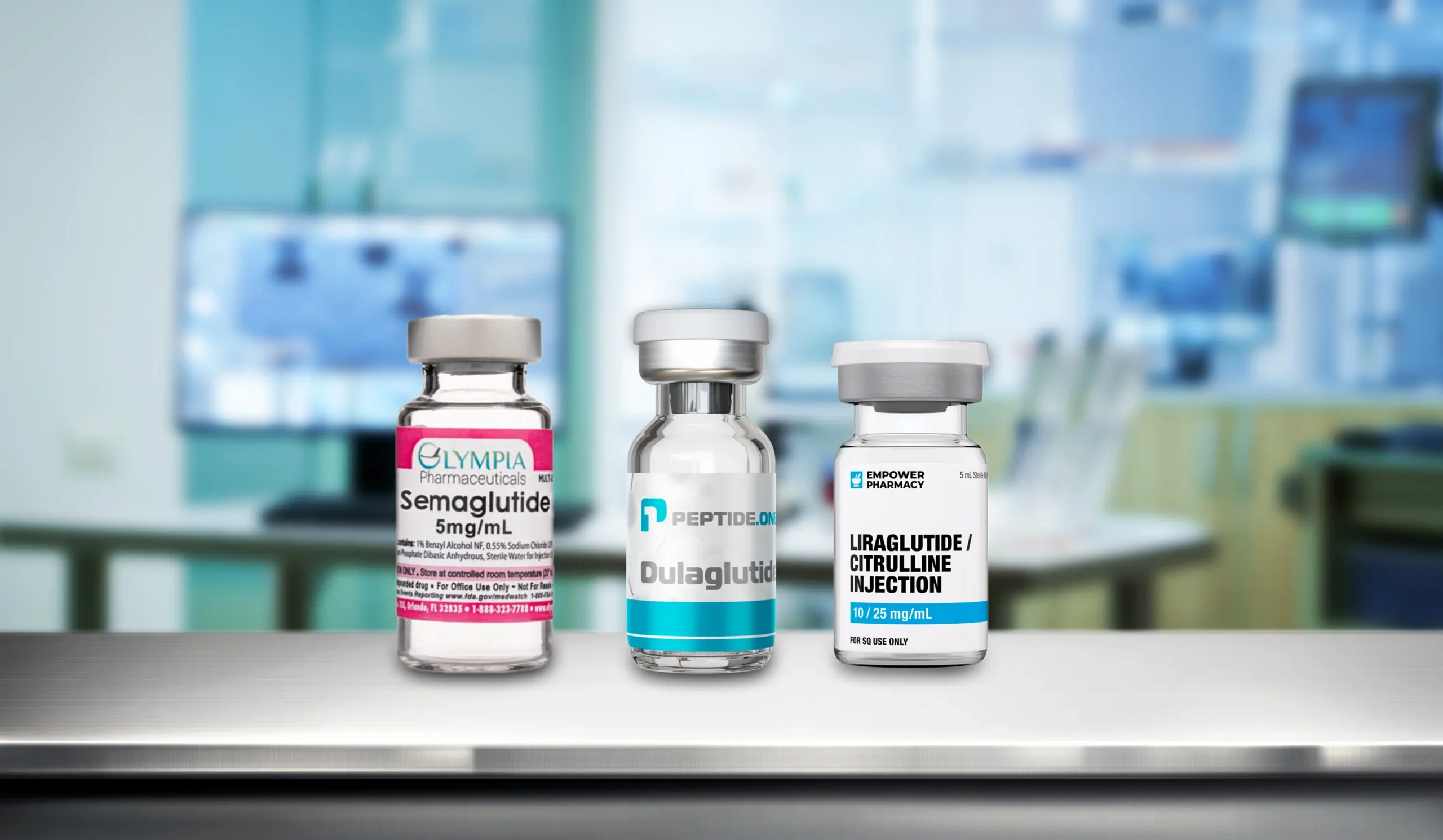
Spending time outdoors is one of the best things you can do while on a GLP-1 medication. The physical activity supports your treatment, the mental reset helps with stress eating patterns, and many patients find that time away from their usual food environment makes it easier to eat intentionally. The practical challenge is that semaglutide and tirzepatide require refrigeration, need sterile injection conditions, and don’t pair naturally with a backpack and a tent. Here’s how to make it work.
Understanding the Storage Challenge Outdoors
Before getting into solutions, it helps to be clear about what you’re actually managing. Unopened semaglutide and tirzepatide need to stay between 36°F and 46°F until first use. Once in use, many formulations can be kept at room temperature (below 77°F to 86°F depending on the specific product) for a defined period, typically up to 28 days for most pens and some vials. Check the specific guidance for your formulation, since compounded products may have different instructions than brand-name versions.
The outdoor storage challenge works in both directions depending on season and location. Summer camping introduces heat exposure that can degrade medication above its upper temperature limit. High-altitude camping or cold-weather trips introduce freezing risk, which damages peptide medications just as effectively as heat. The article on cold weather and GLP-1 medications covers freezing risk in detail, so this article focuses primarily on warm-weather and general outdoor scenarios, with notes on cold where relevant.
Planning Your Injection Timing Around Your Trip
The first and most important piece of outdoor trip planning for GLP-1 patients is injection timing. Since both semaglutide and tirzepatide are weekly injectables, you have real flexibility in when within your weekly window you inject.
If possible, time your injection to fall before your trip departs or after you return. A patient who injects every Thursday and is leaving for a five-day camping trip on Friday has already injected before the trip begins and won’t need to inject until after returning home. This is the simplest solution when the timing works.
When the injection day falls during the trip, plan for it specifically rather than figuring it out in the moment. Know in advance where you’ll be, what your storage situation looks like, and whether you’ll have access to a clean, flat surface for injection. A mid-hike injection on a trail with dirty hands and no way to clean the injection site is not ideal. Most experienced GLP-1 campers either inject at camp in the morning before heading out, or at the end of the day when they’re settled.
Keeping Medication Cold Without a Refrigerator
Several practical options exist for maintaining appropriate medication temperatures in outdoor settings.
Soft-sided coolers with ice packs. For car camping, a quality soft-sided cooler with gel ice packs can maintain temperatures in the appropriate range for 24 to 48 hours, longer with a higher-quality cooler and careful management. Store your medication toward the center of the cooler, away from the walls where temperature fluctuates most, and minimize how often you open the cooler. Keep it in shade whenever possible.
FRIO evaporative cooling cases. These are specifically designed for injectable medications and work through water-activated evaporative cooling. They require no electricity or ice and can keep medication within the acceptable temperature range for 45 or more hours in warm conditions. They’re lightweight, packable, and designed exactly for situations like backcountry travel. The tradeoff is that they work best in dry heat and are less effective in high humidity. If you’re camping in a humid environment, a cooler with ice packs is more reliable.
Insulated medication pouches with phase-change materials. Higher-end options use phase-change materials that absorb heat at a specific temperature, maintaining a stable environment longer than standard gel packs. These are worth the investment for multi-day backcountry trips where resupply isn’t possible.
Stream or spring water cooling. In a pinch, cold running water from a mountain stream can keep a sealed, waterproof medication case within acceptable temperature ranges. This is an improvised solution, not a primary strategy, but it’s worth knowing if you’re caught without other options.
For multi-day backcountry trips where none of these solutions can reliably maintain refrigeration, the practical answer is timing your trip so the injection falls before departure or after return, and carrying medication that’s already within its room-temperature use window if needed.
Injection Hygiene in the Backcountry
Clean injection technique matters more, not less, when you’re outdoors. Dirt, sweat, sunscreen, and insect repellent on your skin create contamination risks that don’t exist in a bathroom at home.
A few non-negotiable steps for outdoor injections:
Wash or sanitize your hands thoroughly before handling your medication or injection supplies. Alcohol-based hand sanitizer works well when water isn’t available. Let it dry completely before touching your supplies.
Clean the injection site with an alcohol swab. These are lightweight, individually packaged, and should always be in your kit. Don’t skip this step because you’re outside or in a hurry.
Use a clean, stable surface for drawing up medication if you’re using a vial and syringe. The lid of your cooler, a flat rock, or the top of a dry bag all work. Avoid drawing up medication while holding everything in your hands.
Never recap a used needle in the field without a safety device. Needle stick injuries are more serious in remote settings where medical care isn’t nearby. A travel sharps container is essential, and many are designed to also function as a one-handed recapping tool for exactly this situation.
Store used supplies properly. Pack out everything you pack in, including sharps containers, used swabs, and packaging. Leave no trace principles apply to medical waste as much as anything else.
The article on how to rotate injection sites for semaglutide and tirzepatide is a useful reference for choosing the best site when you’re in a non-standard situation, such as injecting through clothing layers or in limited space.
What to Pack: The Outdoor GLP-1 Kit
A well-prepared outdoor medication kit for GLP-1 patients includes:
Your medication (vial or pen), stored in an appropriate cooling solution. Enough needles or syringes for the trip plus one or two extras. Alcohol swabs, more than you think you’ll need. A travel sharps container. Hand sanitizer. A small ziplock bag for organizing supplies and keeping them dry. A copy of your prescription information or pharmacy label in a waterproof sleeve. Your medication cooling case or cooler solution appropriate to your trip length.
The total weight of this kit is minimal, and for most hikers it fits easily into a hip belt pocket or the top of a daypack where it stays accessible and away from the bottom of the bag where it might get crushed.
Fueling and Hydration on the Trail While on GLP-1 Medications
Hiking and backpacking have significant caloric demands, and tirzepatide and semaglutide’s appetite suppression can make it genuinely difficult to eat enough to fuel sustained outdoor activity. This is a real consideration, not a minor footnote.
A patient who normally eats 1,400 calories a day on semaglutide may need 2,500 or more calories on a full day of hiking with elevation gain. The medication will be suppressing appetite throughout, making it easy to chronically under-fuel, which shows up as fatigue, weakness, poor decision-making, and slow recovery.
Calorie-dense, easy-to-eat trail foods help bridge this gap: nut butters, trail mix with nuts and dried fruit, jerky, hard cheese, and energy bars that lead with protein. These require minimal preparation, pack well, and deliver meaningful calories in small volumes, which matters when appetite is reduced.
Hydration is equally important and often harder to manage on trail when you’re focused on distance and terrain. The recent article on hydration on tirzepatide covers the specific hydration dynamics of GLP-1 treatment in detail. On trail, a simple rule works well: drink before you’re thirsty, and eat before you’re hungry, because both signals are blunted on these medications.
Making Outdoor Activity Work for Your Treatment
The good news is that outdoor activity is genuinely complementary to GLP-1 treatment. Sustained moderate activity like hiking is one of the most effective ways to preserve muscle mass during weight loss, support cardiovascular health, and improve insulin sensitivity, all goals that align directly with what tirzepatide and semaglutide are doing metabolically.
Many patients find that outdoor trips become more enjoyable as treatment progresses and physical capacity improves. The combination of reduced weight, improved energy, and better metabolic health compounds over time into meaningfully better outdoor experiences.
If you’re considering starting GLP-1 treatment and want to explore whether compounded semaglutide or tirzepatide is right for you, take the TrimRx intake quiz to get started. Medication is delivered directly to your door, which means one less errand before your next adventure.
This information is for educational purposes and is not medical advice. Consult with a healthcare provider before starting any medication. Individual results may vary.

Transforming Lives, One Step at a Time
Keep reading
Construction Work in Summer on a GLP-1
Summer on a job site means early starts, heavy physical work, direct sun or hot interiors, and lunch from a cooler or the back…

Colonoscopy Prep on a GLP-1
If you are on a GLP-1 and have a colonoscopy, upper endoscopy, or any procedure with sedation coming up, the single most important step…
Clergy and Community Meals on a GLP-1
For pastors, priests, rabbis, imams, chaplains, and other community leaders, food is part of the work. Potlucks, fellowship dinners, holiday meals, funeral receptions, and…


