Hot Weather and GLP-1 Medications: Heat Storage and Injection Tips
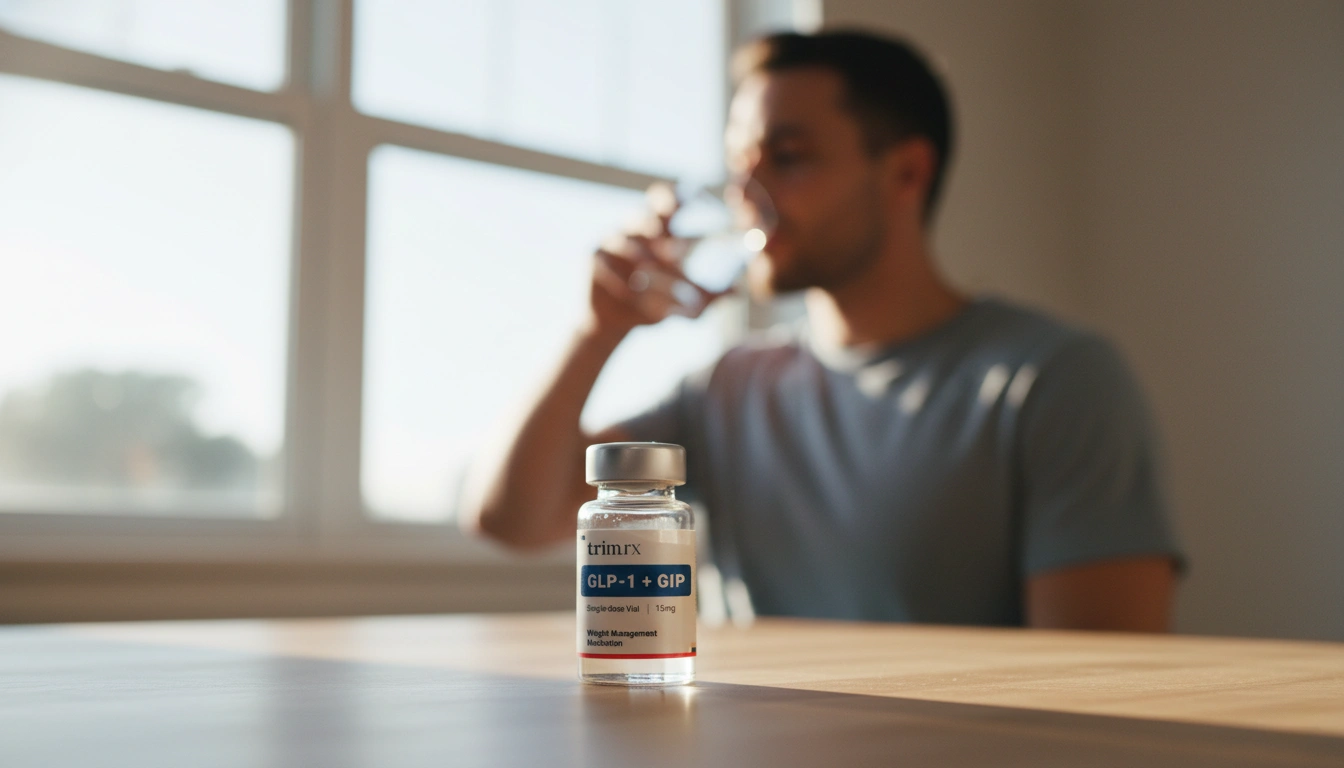
Summer creates a specific and underappreciated risk for GLP-1 patients. While most people understand that semaglutide and tirzepatide need refrigeration, fewer realize how quickly heat exposure can degrade these medications once they leave the fridge, and how many everyday summer situations put medication at risk without patients realizing it. A vial left in a hot car for an hour, a beach bag sitting in direct sun, or a medication case checked into an overhead bin on a warm tarmac can all compromise your treatment in ways that aren’t visible until you inject something that no longer works as it should.
What Heat Actually Does to GLP-1 Medications
Semaglutide and tirzepatide are peptide-based medications, meaning they’re built from chains of amino acids that are sensitive to temperature. When exposed to excessive heat, the molecular structure of the peptide begins to break down in a process called degradation. This doesn’t always produce visible changes, which is part of what makes heat damage so deceptive. A vial that looks perfectly clear and normal may have lost significant potency after sustained heat exposure.
The upper temperature limit for most GLP-1 medications in use is 77°F to 86°F (25°C to 30°C), depending on the specific product and formulation. Above that threshold, degradation accelerates. Unopened medication stored in a refrigerator should be kept between 36°F and 46°F. Once in use, the room-temperature window applies, but “room temperature” assumes an air-conditioned indoor environment, not a car dashboard in July.
To put this in practical terms: the interior of a car parked in direct sun on an 85°F day can reach 130°F to 150°F within 30 minutes. Even a car parked in shade on a hot day can exceed 100°F inside within an hour. These temperatures are well beyond the degradation threshold for GLP-1 medications, and even brief exposure at those extremes can compromise a vial.
The Most Common Ways Heat Damages GLP-1 Medications
Understanding where heat exposure actually happens helps you prevent it more effectively than a general warning to “keep it cool.”
Cars are the most frequent culprit. Leaving medication in a vehicle during summer, even for what feels like a short errand, is one of the most common causes of heat-related medication damage. This includes the glove compartment, center console, and trunk, all of which heat up rapidly and retain heat longer than the passenger cabin. Medication should never be left in a car in warm weather, period.
Direct sunlight through windows or bags. A medication case sitting on a windowsill, a beach bag in direct sun, or a backpack left on a hot surface can all expose medication to temperatures well above safe limits even without being in a car. UV exposure compounds the temperature issue, as direct sunlight can warm the contents of a bag or case faster than ambient air temperature alone would suggest.
Checked luggage on hot tarmacs. As covered in the article on flying with ozempic or semaglutide, GLP-1 medications should always travel in carry-on bags. Checked luggage sits on hot tarmacs during loading and unloading and can experience significant temperature swings that carry-on bags in a climate-controlled cabin avoid.
Outdoor events and activities. Festivals, outdoor weddings, sporting events, and beach days all create situations where medication may be out of refrigeration for extended periods in high ambient temperatures. Without active cooling, medication left in a bag at an outdoor event on a 90°F day is at risk within a few hours.
Mail delivery during heat waves. Most telehealth pharmacies, including TrimRx’s pharmacy partners, use insulated packaging designed to protect medication during transit. But extreme heat waves can overwhelm standard packaging, particularly if a package sits on a doorstep in direct sun for several hours after delivery. Tracking your shipment and retrieving it promptly on hot delivery days is a simple step that prevents this.
How to Tell If Your Medication Has Been Heat Damaged
Visual inspection is a starting point, but it has real limitations with heat-damaged GLP-1 medications.
Signs that something may be wrong include cloudiness or haziness in a solution that should be clear, visible particles or clumping, discoloration beyond the normal slight yellow tint, or a change in the consistency of the solution. Any of these warrants discarding the medication and contacting your pharmacy.
The harder situation is when heat-exposed medication looks completely normal. If you suspect your medication was exposed to significant heat but it appears visually unchanged, contact your pharmacy or TrimRx provider before injecting. Explain the situation, including approximately how long the medication was exposed and at what temperature conditions. They can help you assess the risk and advise on whether replacement is warranted.
Injecting degraded medication is unlikely to cause direct harm in most cases, but it may be partially or fully ineffective, which means you lose a week of treatment and potentially experience unexpected hunger or reduced satiety without understanding why.
Practical Cooling Solutions for Hot Weather
The same category of tools that works for cold-weather insulation works for hot-weather cooling, just with the goal reversed.
Insulated medication travel cases with gel packs. A quality insulated case with pre-frozen gel packs can maintain safe temperatures for 24 to 48 hours depending on the case quality and ambient temperature. These are the most practical solution for day trips, outdoor events, and short travel. The gel packs should be fully frozen before use, and the case should be kept out of direct sunlight even when insulated.
FRIO evaporative cooling cases. As mentioned in the article on camping and hiking with GLP-1 medications, FRIO cases use water-activated evaporative cooling to maintain medication within safe temperature ranges without electricity or ice. They work particularly well in dry heat and are a lightweight option for outdoor activities where carrying a full cooler isn’t practical. In high humidity, their effectiveness is reduced, so pair with another solution in humid climates.
Small portable coolers with USB or battery power. For situations where you’ll have access to a power source, compact electric coolers designed for medication or insulin storage maintain precise temperatures reliably and are worth considering for frequent travelers or patients who spend extended time in hot environments.
Hotel and venue refrigerators. For travel, asking your hotel to store medication in a dedicated refrigerator is a standard and easily accommodated request. For outdoor events, contacting the venue in advance to ask about medical refrigeration options is worth doing if you’ll be there for more than a few hours.
Managing Injections in Hot Weather
Heat affects not just storage but the injection experience itself, in ways that are worth preparing for.
Injecting warm medication is less comfortable than injecting medication at room temperature, and medication that has been sitting in heat may have slightly different viscosity. If your medication has been in an insulated case and feels warmer than usual, let it cool to room temperature before injecting rather than injecting it warm.
Sweating affects injection site preparation. In hot weather, the injection site may be sweaty, which interferes with alcohol swab cleaning and can increase infection risk if not managed. Clean the site thoroughly with an alcohol swab and let it dry completely before injecting, which takes longer when skin is damp. Choose injection sites that are less prone to sweating when possible, rotating thoughtfully as covered in the GLP-1 injection sites guide.
Sunscreen and insect repellent on the skin around the injection site should be wiped away before injecting. These products can introduce contaminants and interfere with injection site cleanliness.
Hydration in Hot Weather on GLP-1 Medications
Heat and GLP-1 medications create a compounding hydration challenge. Semaglutide and tirzepatide already reduce passive fluid intake by suppressing appetite and therefore food consumption. Hot weather increases fluid losses through sweating. The combination means GLP-1 patients in summer conditions are at meaningfully higher dehydration risk than either factor alone would create.
The practical implication is that your fluid intake targets need to go up in hot weather, not stay the same. The detailed breakdown of hydration dynamics on tirzepatide in the article on hydration on tirzepatide applies equally to semaglutide patients, and the summer context makes those recommendations more urgent, not less.
A useful anchor for hot-weather days: drink a full glass of water every hour you’re outdoors in the heat, regardless of whether you feel thirsty. Thirst is already blunted on GLP-1 medications, and heat blunts it further by the time you feel thirsty in hot conditions, you’re already behind.
What to Do If You Suspect Heat Damage
If you believe your medication may have been heat-exposed, the steps are straightforward. Do not inject until you’ve visually inspected it. If there are visible changes, discard it immediately. If it looks normal but heat exposure was significant, contact your pharmacy or provider before proceeding.
Document the situation with photos if possible, note approximately how long the medication was exposed and to what conditions, and reach out to your pharmacy promptly. Most telehealth platforms have processes for handling damaged medication, and acting quickly gives you the best chance of a timely replacement.
For patients on compounded semaglutide or tirzepatide through TrimRx, your pharmacy label includes contact information and your provider is reachable through the platform. If you haven’t started treatment yet and want to explore your options, take the TrimRx intake quiz to find out whether you’re a candidate.
This information is for educational purposes and is not medical advice. Consult with a healthcare provider before starting any medication. Individual results may vary.

Transforming Lives, One Step at a Time
Keep reading
Construction Work in Summer on a GLP-1
Summer on a job site means early starts, heavy physical work, direct sun or hot interiors, and lunch from a cooler or the back…

Colonoscopy Prep on a GLP-1
If you are on a GLP-1 and have a colonoscopy, upper endoscopy, or any procedure with sedation coming up, the single most important step…
Clergy and Community Meals on a GLP-1
For pastors, priests, rabbis, imams, chaplains, and other community leaders, food is part of the work. Potlucks, fellowship dinners, holiday meals, funeral receptions, and…


