Does Zepbound Pen Hurt? Tips for a Pain-Free Injection
Introduction
The thought of a weekly injection can feel overwhelming. Many individuals starting their weight loss journey find themselves hovering over the “fire” button, wondering if the pinch is as bad as they imagine. At TrimRx, we understand that needle anxiety is a real barrier for many people seeking better metabolic health. You are not alone if you feel a bit of hesitation before your first dose of Zepbound® (tirzepatide).
This article covers everything you need to know about the injection experience. We will explain the design of the autoinjector pen, what the sensation actually feels like, and how you can make the process virtually painless. For additional preparation guidance, review this step-by-step guide to injecting GLP-1 medications. We also look at the science of why these medications are injected and how our personalized approach helps you manage every step of your treatment. Our goal is to help you move past the fear of the needle and focus on your long-term wellness goals. Most users find that the discomfort is far less than they expected and becomes a simple, quick habit.
How the Zepbound Injection Process Works
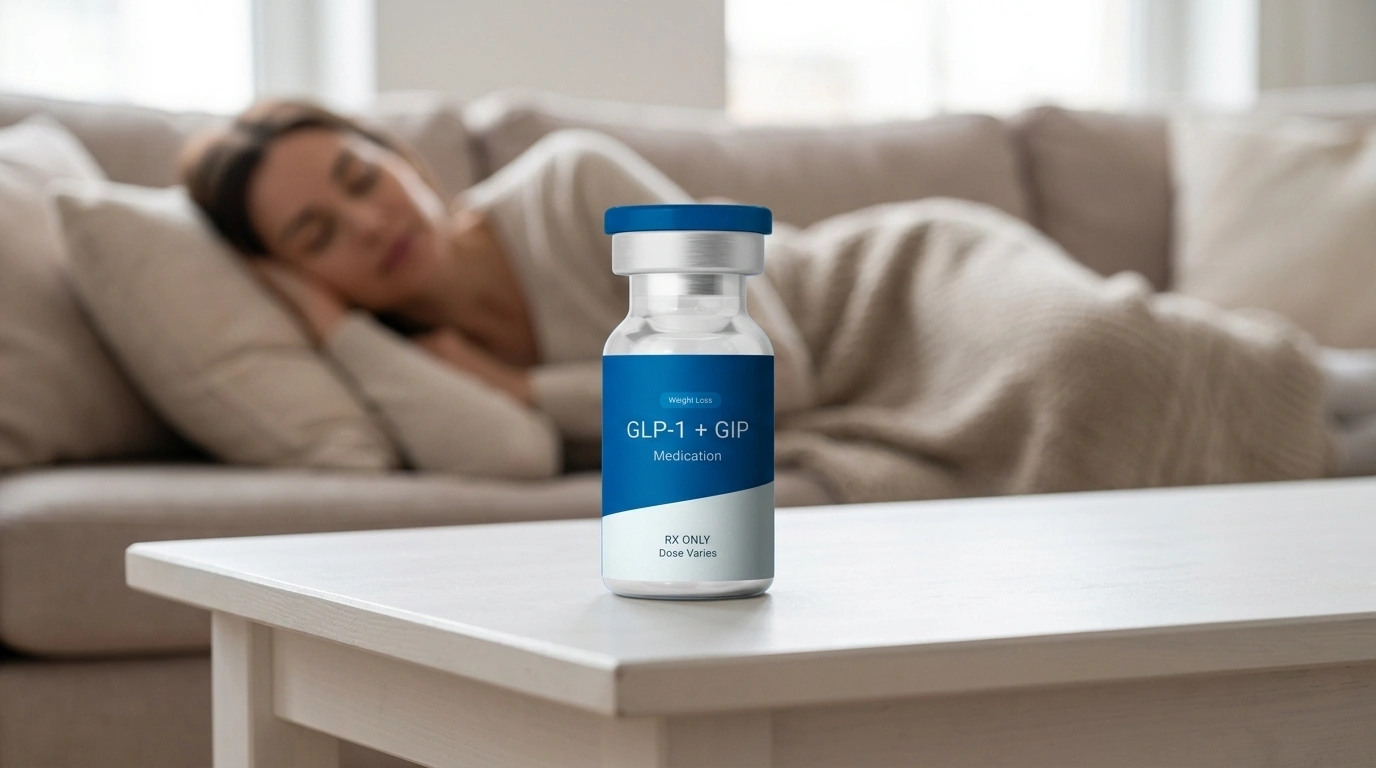
Zepbound® is a branded medication that contains tirzepatide. Tirzepatide is a dual GIP (glucose-dependent insulinotropic polypeptide) and GLP-1 (glucagon-like peptide-1) receptor agonist. These hormones work together to help regulate appetite and blood sugar. Because these molecules are large proteins, they are typically administered through a subcutaneous injection—meaning they go into the fatty tissue just under the skin—rather than a pill.
The medication comes in a pre-filled, single-dose autoinjector pen. This design is specifically created to make the process as easy as possible for people who are not medical professionals. The needle is hidden inside the device, so you never actually see it before, during, or after the injection. This is a significant benefit for those who have a phobia of needles.
The pen uses a spring-loaded mechanism. When you press the purple button at the top, the spring releases the needle into the skin, delivers the medication, and then retracts the needle back into the pen. The entire process takes about 10 seconds. Understanding that the device is doing most of the work can help reduce the stress of “doing it wrong.”
Quick Answer: Most people describe the Zepbound® injection as a mild pinch or a quick snap, similar to a rubber band against the skin. Because the needle is extremely thin and the injection is subcutaneous, the discomfort is usually minimal and lasts only a few seconds.
If you are considering prescription weight loss treatment, you can complete a free eligibility assessment to explore whether a personalized program may be appropriate for you.
Why You Might Feel a Sting During Injection
While the needle itself is very small, some users do report a brief stinging or burning sensation. This usually has less to do with the needle and more to do with the physical properties of the medication or the state of the skin. For a deeper explanation, read about why tirzepatide may burn during injection.
Temperature of the Medication
Zepbound® must be stored in the refrigerator to remain stable. However, injecting cold liquid into warm body tissue can cause a stinging sensation. The cold fluid creates a temperature shock to the local nerves, which the brain interprets as a sharp “bite.”
Alcohol Swab Residue
It is vital to clean the injection site with an alcohol swab to prevent infection. However, if you inject while the skin is still wet with alcohol, the needle can carry that alcohol into the puncture site. This often causes a sharp, temporary sting.
Muscle Tension
If you are nervous, you might subconsciously tense your muscles in the target area. Injecting into a “hard” or tensed muscle can be more uncomfortable than injecting into relaxed fatty tissue. Subcutaneous injections are meant to sit in the fat layer, and tensing up can make the needle’s path feel more resistant.
Injection Site Choice
Different parts of the body have different densities of nociceptors, which are the nerve endings that signal pain. If you choose an area with very little body fat or an area that is frequently rubbed by clothing, you may experience more sensitivity.
Step-by-Step Guide for a Comfortable Injection
Following a consistent routine can help reduce anxiety and minimize physical discomfort. If you are part of a program through TrimRx, your provider can offer specific guidance tailored to your health profile.
Step 1: Temper the medication.
Remove the pen from the refrigerator about 30 minutes before you plan to use it. This allows the liquid to reach room temperature. A warmer liquid is generally much more comfortable to inject than a cold one.
Step 2: Choose and clean your site.
Select a fatty area on the stomach (at least two inches from the belly button), the front of the thigh, or the back of the upper arm. Clean the area with an alcohol wipe and wait at least 30 to 60 seconds for the skin to air-dry completely.
Step 3: Prepare the pen.
Check the medication through the clear window to ensure it is colorless and not cloudy. Remove the base cap only when you are ready to inject. Do not touch the needle or the area where the needle comes out.
Step 4: Unlock and position.
Turn the lock ring to the “unlock” position. Place the base of the pen flat against your skin. Do not “stab” the pen; simply hold it firmly in place so that the clear base is flush against the skin.
Step 5: Press and hold.
Push the purple button. You will hear a loud click, which signals the start of the injection. Continue holding the pen against your skin. You will hear a second click a few seconds later. This indicates the injection is complete. Check to see if the gray plunger is visible in the window before lifting the pen.
Key Takeaway: Proper preparation—specifically letting the medication reach room temperature and allowing the alcohol to dry—is the most effective way to eliminate the “sting” associated with GLP-1 injections.
For more information about injection technique and comfort, review this complete GLP-1 injection guide.
Choosing the Right Injection Site
The location you choose for your weekly dose can change how much you feel the needle. Everyone’s body is different, so what works for one person might be more sensitive for another. You can also review this guide to choosing GLP-1 injection sites for additional site-selection guidance.
The Abdomen (Stomach)
The stomach is often the most popular site because it typically has the most subcutaneous fat. For many, this is the least painful site.
- Pro: Usually less sensitive than the limbs.
- Con: Some people experience slightly more gastrointestinal side effects when injecting in the stomach, though this varies by individual.
- Tip: Rotate your site each week. If you injected on the right side of your belly button this week, move to the left side next week.
The Thigh
The front of the thigh is another common choice. It is easy to reach and see what you are doing.
- Pro: Very easy to stabilize the pen against the leg.
- Con: The skin on the thigh can be tougher or more sensitive if you have less body fat in that area.
- Tip: Ensure you are sitting down so your leg muscle is completely relaxed during the injection.
The Upper Arm
The back of the upper arm is a third option, but it is often the most difficult to do by yourself.
- Pro: Some studies suggest certain sites may slightly alter how side effects are felt.
- Con: Hard to reach without assistance; skin can be thinner here.
Bottom line: Most patients find the stomach to be the easiest and least painful site, but rotating between the stomach and thigh is the best way to prevent skin irritation or lumps from forming over time.
Common Sensations vs. Signs of Concern
It is helpful to know what is “normal” so you don’t panic if your skin looks a little different after your dose. For broader guidance, read this management guide for tirzepatide injection side effects.
Normal Sensations:
- A tiny drop of blood: This is common and happens if the needle hits a small capillary. Simply blot it with a tissue.
- A small bump: A tiny, “bee-sting” like bump (wheal) may appear if the medication is very close to the surface. It usually disappears within an hour as the liquid absorbs.
- Minor redness: Some mild pinkness or itching at the site is common and usually fades quickly.
Signs to Discuss with Your Provider:
- Large, painful lumps: If you feel a hard knot that doesn’t go away after a few days, you may be injecting too close to the same spot every week.
- Persistent rash: An itchy rash that spreads or lasts for days may indicate a localized skin sensitivity.
- Severe allergic reactions: While rare, signs like trouble breathing, swelling of the throat, or a rapid heartbeat require immediate medical attention.
Note: If you experience significant pain that lasts more than a few minutes after the injection, or if you see signs of infection like warmth and pus at the site, contact a healthcare professional immediately.
Overcoming Needle Anxiety
The fear of needles, or trypanophobia, is a common hurdle. However, autoinjector technology was created specifically to help people overcome this. Because the needle is never visible, the “threat” is hidden from your sight.
One helpful technique is “distraction.” Try listening to music or a podcast while you prepare your dose. Some people find that coughing right as they press the button distracts the brain’s pain receptors, making the pinch unnoticeable. Another tip is to remember your “why.” Focusing on the health benefits—improved energy, better mobility, and metabolic health—can make the three-second pinch feel insignificant.
At TrimRx, we believe that weight loss is a holistic journey. It isn’t just about the medication; it’s about feeling empowered and supported. We provide a platform where you can access medical guidance and personalized programs that take your comfort into account. Having 24/7 access to a team means you never have to guess if a reaction is normal or if your technique is correct. If you are ready to explore your options, see if you qualify for a personalized program.
How Personalized Care Supports Your Journey
Every body responds differently to GLP-1 and GIP medications. While Zepbound® is a specific branded option, there are various paths to achieving your weight loss goals. Some individuals prefer the convenience of the autoinjector pen, while others may explore different delivery methods through a personalized program.
TrimRx connects you with licensed providers who evaluate your medical history and health goals. This telehealth-first approach means you don’t have to wait in a doctor’s office to discuss your concerns about needles or side effects. Our programs are designed to be comprehensive, covering everything from the initial doctor consultation to the shipping of medication from FDA-registered, inspected compounding pharmacies.
When you use a platform like ours, you aren’t just getting a prescription. You are getting a support system. If you find that the autoinjector pens for branded medications are difficult to use, or if you have questions about compounded alternatives like Compounded Tirzepatide or Compounded Semaglutide, we are here to help. Note that while compounded medications are prepared in specialized pharmacies, they are not FDA-approved like branded Zepbound®. However, they provide a personalized option for many patients under medical supervision.
Maximizing Your Results Beyond the Pen
The injection is only one small part of a successful weight loss program. While the medication helps manage hunger and cravings, the most sustainable results come from a lifestyle shift.
Stay Hydrated
Drinking plenty of water is essential when using medications like tirzepatide. It helps the kidneys process the medication and can actually reduce the likelihood of skin irritation at the injection site. Hydrated skin is more resilient and heals faster from the tiny puncture of a needle.
Focus on Protein
Maintaining muscle mass is vital during rapid weight loss. We recommend focusing on high-quality protein sources to ensure that the weight you lose comes primarily from fat, not muscle. This also helps support your energy levels as your body adapts to the medication.
Use Supplemental Support
Some patients find that adding targeted nutrients can help manage the transition. For example, our GLP-1 Daily Support or Weight Loss Boost supplements are designed to work alongside your program to ensure your body has the micronutrients it needs while your appetite is reduced. For energy and metabolic support during weight loss, explore the Weight Loss Boost supplement.
Key Takeaway: The “pinch” of the pen is a small trade-off for the potential benefits of improved metabolic health. By focusing on hydration, nutrition, and professional support, you can make the entire experience much more comfortable.
Conclusion
So, does the Zepbound® pen hurt? For the vast majority of people, the answer is no. It is a quick, minor sensation that is often compared to a light snap or a pinprick. By following simple steps like letting the pen warm to room temperature and choosing a fatty injection site, you can minimize or even eliminate any discomfort.
At TrimRx, our mission is to help you navigate this journey with science, empathy, and transparency. We offer a telehealth platform that removes the barriers to modern weight loss care. Whether you are curious about branded medications or interested in a personalized program featuring compounded options, we provide the medical supervision and support you need to feel confident.
- Most people find the injection significantly less painful than they feared.
- Proper technique—like letting the alcohol dry—is the key to a sting-free experience.
- Consistent site rotation helps keep the skin healthy.
- A personalized support team can help you manage anxiety and side effects.
Your health journey is about more than just a weekly shot; it is about building a sustainable, healthier future. If you are ready to take the next step toward your goals, we invite you to take our free assessment quiz to see which personalized program is right for your body and your lifestyle.
FAQ
Can I use the Zepbound pen on my arm if I’m alone?
While it is possible to inject into the back of the upper arm alone, it is the most difficult site to reach. You must be able to press the pen firmly against the skin and reach the activation button. Most people find the stomach or thigh much easier to manage without help.
What should I do if I see a drop of medicine on my skin after injecting?
A small drop of clear liquid on the skin is normal and usually does not mean you missed your dose. This often happens if the pen is pulled away too quickly. To prevent this, ensure you hear the second “click” and wait a few extra seconds before lifting the pen from your skin. If you want more reassurance about injection sensations, read what it means if you do not feel a Zepbound injection.
Will the injection hurt more if I have less body fat?
If you have very little subcutaneous fat in a specific area, you may be more likely to feel the needle. In this case, choose the area with the most “pinchable” fat, which is usually the abdomen. Avoid areas where the skin is very tight or close to the bone.
Does the injection get easier over time?
Yes, most patients report that the “fear factor” disappears after the first two or three doses. As you become familiar with the sound of the clicks and the feeling of the pen, the process becomes a routine part of your week that takes less than a minute. If needle size is another concern, review this comfort guide to GLP-1 injection needles.
Disclaimer: This content is for informational purposes only and does not constitute medical advice. It is not intended to diagnose, treat, cure, or prevent any disease or condition. Individual results may vary. Always consult a qualified healthcare professional before starting any weight loss program or medication.

Transforming Lives, One Step at a Time
Keep reading

Kids’ Birthday Party on Zepbound
If you have young children, birthday parties are a regular part of life: your own child’s, and the steady stream of classmates’ parties most…
Water Aerobics on Zepbound
For people with painful knees, hips, or backs, water aerobics and pool exercise are often the first kind of exercise that feels possible. The…

New Year’s Eve on Zepbound
New Year’s Eve is built around staying up late. There is usually a big dinner or a party spread, drinks through the evening, champagne…


