Life After Ozempic: What Patients Say About Keeping Weight Off
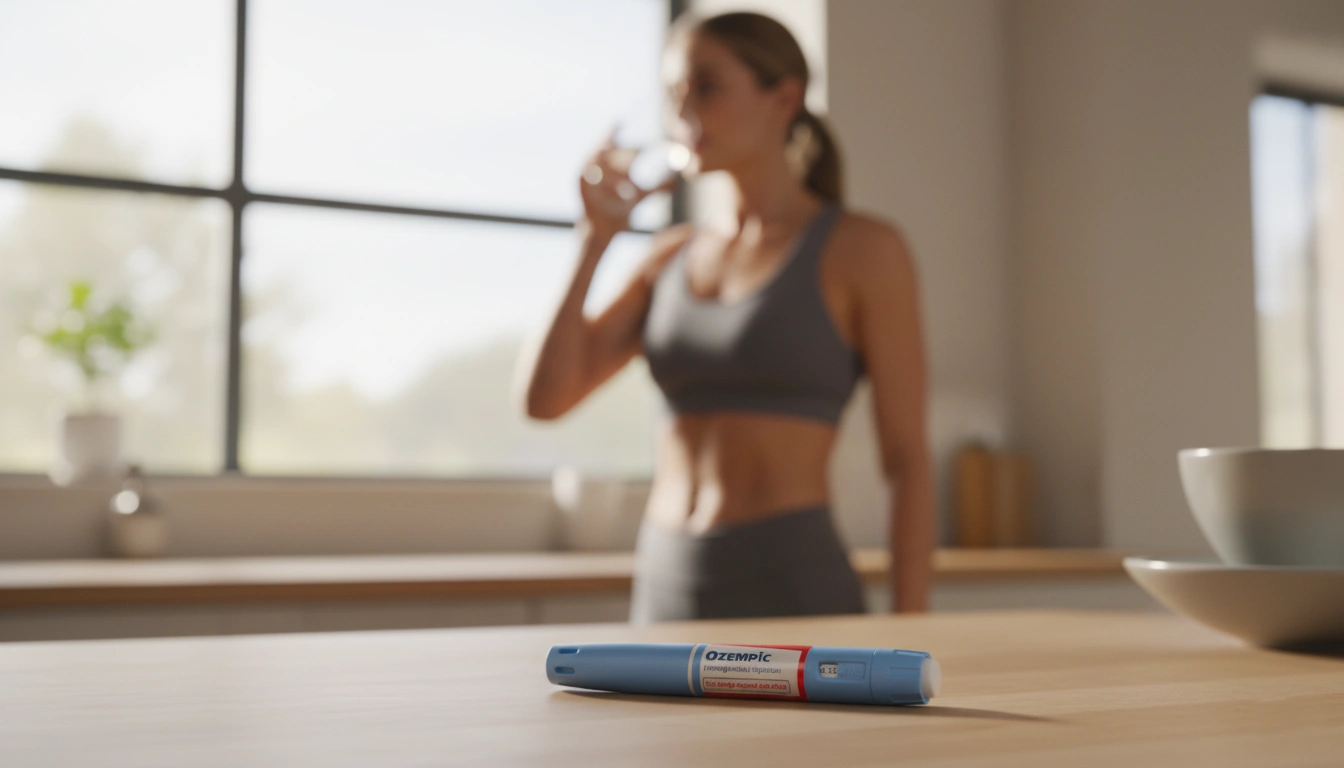
Ask people who have stopped a GLP-1 medication what life looks like afterward and you get a wide range of answers. Some kept most of their weight off. Some regained a significant portion within months. A smaller group found that the habits and mindset shifts from treatment held up well enough to make long-term maintenance feel genuinely manageable. What separates those outcomes is not luck. It tends to come down to how intentional the transition was, what habits were built during treatment, and whether patients had a realistic sense of what to expect going in.
What Most Patients Actually Experience After Stopping
The honest picture is mixed. Clinical data consistently shows that stopping a GLP-1 medication without a plan leads to meaningful weight regain, often within months. But patient experience is not uniform. Some people stop and find that a year of changed eating patterns, reduced appetite for certain foods, and regular movement carries them further than they expected. Others find that the appetite suppression was doing more work than they realized, and regain comes quickly once it is gone.
What patients report most often is surprise, in both directions. Some are surprised by how well they maintain. Others are surprised by how hard it gets without the medication’s support on hunger and cravings. The gap between expectations and reality is where most post-GLP-1 struggles begin.
What Patients Say Actually Worked
Across patient reports and clinical observation, a few themes come up repeatedly when people successfully maintain after stopping.
The Food Noise Shift Persisted
One of the most consistent things patients report is a lasting change in how they relate to food, even after stopping. During treatment, many experienced a quieting of the constant mental chatter around eating and cravings that they had lived with for years. Some found that shift persisted at least partially after stopping, especially patients who had used that mental space to build a new relationship with hunger and fullness signals. Our article on food noise and GLP-1 covers that experience in depth.
For those who came off the medication with genuine awareness of their actual hunger cues, managing intake was measurably easier. For those who had not worked on that during treatment, the food noise returned in full.
Structure Over Willpower
Patients who maintained well after stopping consistently describe relying on structure rather than motivation. Meal timing, consistent protein targets, prepared food options, and predictable routines did the heavy lifting that willpower cannot sustain long-term. This is not a new insight, but it shows up repeatedly in patient accounts as the practical difference between those who drift back and those who hold steady.
Protein and Resistance Training as the Foundation
Preserving muscle during GLP-1 treatment turned out to matter significantly after stopping too. Patients who maintained regular strength training and kept protein intake high reported a more stable metabolism and less dramatic regain. Our guide on how much protein you need on Ozempic or semaglutide covers the targets that matter most during treatment, and those targets do not change much once the medication stops.
Identity Shifts That Outlasted the Medication
Something that shows up in longer-term patient accounts is a change in self-perception that held even after the medication was gone. People who spent their treatment period genuinely adopting an identity as someone who exercises, eats carefully, and prioritizes health found that identity more durable than they expected. Our piece on weight loss identity and how rapid body changes affect self-perception explores how this shift works and why it matters more than any single habit.
What Catches People Off Guard
Appetite Returns Differently Than Expected
Most patients expect hunger to come back. Fewer are prepared for how it comes back. Consider this scenario: a patient stops semaglutide after 14 months feeling confident in their habits. For the first few weeks, things hold. By week six, evening cravings they thought were gone are back, and the structure that felt solid during treatment starts slipping. That experience is common enough that providers describe it as one of the most underestimated parts of stopping.
The appetite that returns is not always the same one patients had before treatment. Some find it more manageable, particularly if they spent treatment learning to actually read hunger cues. Others find it more intense in specific contexts, including stress, social eating, or evenings, that the medication had been quietly blunting all along. Our article on how Ozempic changes your relationship with food covers how that relationship shifts during treatment, which helps clarify what changes when the medication stops.
The Identity Adjustment Takes Time
Weight loss changes how people see themselves, and stopping the medication that enabled it can feel disorienting. Patients sometimes describe a period of anxiety about regain that becomes self-fulfilling when it drives stress eating or causes them to step back from exercise routines. Others find the transition straightforward when they had already built a stable, realistic sense of their new self during treatment. Our overview of the emotional side of body image and weight loss on GLP-1 covers what that psychological work looks like and why it is worth doing before you stop.
What the Research Confirms
Clinical data backs up what patients report. The STEP 4 trial, published in JAMA in 2021, randomized participants who had completed a 20-week run-in on semaglutide to either continue the medication or switch to placebo. Those who continued maintained their weight loss. Those who stopped regained a substantial portion of what they had lost within a year, and their cardiometabolic markers trended back toward baseline. The study confirmed what patient experience suggests: the medication is doing significant ongoing work, and stopping without preparation has predictable consequences.
That said, the trial also showed meaningful individual variation. Not everyone who stopped regained at the same rate or to the same degree. Baseline behaviors, starting points, and the habits built during treatment all influenced how individuals fared.
The Honest Middle Ground
Life after GLP-1 does not have to mean starting over. Patients who approach the post-treatment period as a phase requiring its own strategy, rather than assuming results will maintain themselves, tend to do meaningfully better. Our article on diet and exercise after Ozempic lays out what a practical maintenance strategy looks like. For a broader view of which habits actually persist over time, our piece on long-term weight loss success on GLP-1 covers what holds up and what tends to fade.
It is also worth knowing that resuming medication is a real option for many patients, not a sign of failure. Some people cycle on and off intentionally with provider guidance. Others find a low maintenance dose is a more sustainable long-term strategy than stopping entirely. These are conversations worth having before you stop, not after regain has already started.
What This Means for You
The patients who fare best after GLP-1 treatment are usually the ones who treated the medication as a tool for building a different way of living, not just a path to a number on the scale. The medication does the heavy lifting early. The habits, identity, and structure you build during that window are what carry you after.
If you are considering starting treatment and want to understand the full arc, including what comes after, that context is worth having from the beginning. Take TrimRx’s assessment to find out whether you are a candidate and what a plan designed around long-term success could look like for you.
This information is for educational purposes and is not medical advice. Consult with a healthcare provider before starting or stopping any medication. Individual results may vary.

Transforming Lives, One Step at a Time
Keep reading

Can You Sunbathe With an Injection Site Bruise on Ozempic?
You can, and the better answer is to cover that specific spot. Ultraviolet light on skin that is actively healing can trigger post-inflammatory hyperpigmentation,…

Can You Swim Right After Injecting Ozempic?
Essentially yes. Once the needle is out and you have held it in place for the recommended few seconds, the medication is in your…

Can You Take Ozempic While Recovering From Surgery?
The timing of restarting is a decision for your surgical team, and it is worth asking before you leave rather than working it out…


