Weight Loss for Women: Effective Strategies That Work

Some women seem to lose weight just by cutting out soda for a week. Others spend months eating salads and walking every evening, yet still feel stuck in the same place. That is usually where the frustration starts. Weight loss for women is rarely as simple as “eat less and move more,” even though people love saying that online.
Hormones change. Stress builds up. Sleep gets worse. Life gets busy. Sometimes your body holds onto fat even when you feel like you are doing everything right. That is why healthy weight loss works better when it feels realistic instead of extreme. Most women do not need another impossible diet. They need a way to lose weight that fits into real life without turning every meal into math homework where you’re constantly counting calories.
Weight Loss Challenges Unique to Women
Women deal with things that can quietly affect weight without realizing it at first. Hormones can change hunger levels, cravings, energy, and where the body stores fat. Pregnancy, menopause, stress, and even poor sleep can all shift the way your body reacts to food and exercise.
Then there is everyday life. A lot of women spend the day taking care of everyone else before thinking about themselves. Meals get rushed. Exercise gets skipped. Sleep turns into five tired hours and coffee becomes breakfast. After a while, the body starts fighting back.
This is also why fad diets usually fall apart. They sound exciting for a few days, but living on tiny portions and cutting out entire food groups gets exhausting fast. Most women do better with healthy lifestyle changes they can actually keep doing months from now.
Best Strategies for Weight Loss for Women
There is no single perfect weight-loss plan. The women who lose weight and keep it off are usually the ones who make small healthy changes they can stick with consistently.
1. Set an Achievable Weight Loss Goal
A lot of people start with huge expectations. They want to lose 10 pounds immediately, completely change their body in a month, and never eat dessert again. That pressure usually backfires.
Healthy weight loss tends to move slower than people want. Losing 1 to 2 pounds a week is more realistic and easier on your body. It may not sound dramatic, but those smaller changes add up faster than most people think.
It also helps to set goals that are not only about the scale. Maybe your goal is drinking more water every day. Maybe it is cooking dinner at home more often or taking a walk after work instead of sitting on the couch. Those habits matter more than people realize.
2. Choose the Right Diet
The word diet makes people nervous now, and honestly, that makes sense. Too many diets feel miserable after the first few days. A healthy diet should help you feel better, not punish you for eating.
The best way to lose weight is usually finding an eating pattern you can live with long term.
a) Low Calorie Diet
A low calorie diet works when you eat fewer calories than your body burns. That sounds simple, but starving yourself usually leads to cravings later.
The smarter approach is eating foods that actually fill you up. Protein, vegetables, fruit, whole grains, and healthy fats tend to keep hunger under control longer than processed foods high in added sugar.
A woman who eats grilled chicken, rice, and vegetables for lunch will probably stay full much longer than someone grabbing chips from a vending machine.
b) Low Carbohydrate Diet
Some women feel better cutting back on carbs, especially refined ones like white bread, pastries, sugary cereal, and soda. A low carbohydrate diet can help stabilize blood sugar levels and reduce constant snacking for some people.
That does not mean carbs are the enemy. Whole grains, fruit, and beans still have nutritional value. The goal is usually eating fewer ultra processed foods instead of fearing every carb on the plate.
c) Ketogenic Diet
The keto diet became popular because many people lose weight quickly at first. Since the eating pattern is very low in carbs, the body starts using fat for energy instead.
Some women enjoy the structure of keto. Others feel miserable trying to maintain it. It can feel restrictive, especially socially. Going out to dinner suddenly becomes complicated when almost everything contains carbs.
Before trying the keto diet, it is smart to talk with your healthcare professional, especially if you have health conditions like type 2 diabetes.
d) Mediterranean Diet
The Mediterranean diet feels less like a strict diet and more like normal eating. That is part of why people stick with it longer.
Meals usually include vegetables, olive oil, fish, beans, nuts and seeds, whole grains, and healthy fats. It supports healthy eating without making every meal feel tiny or boring.
A lot of women find this approach easier because it does not feel like they are constantly “on a diet.”
e) High Protein Diet
Protein can quietly make weight loss easier because it helps keep you feeling full. It may also help preserve muscle while losing fat, especially if you combine it with strength training and regular physical activity.
Eggs, chicken, fish, Greek yogurt, beans, and lean meats are all solid options. Even adding a little more protein at breakfast can help reduce cravings later in the day.
3. Monitor Your Calorie Intake and Keep a Food Journal
Most people are not overeating because they are lazy. They are overeating because life gets busy and eating becomes automatic.
A handful of snacks while cooking dinner. A sugary coffee on the way to work. Finishing leftovers because you do not want to waste food. Those small things add up quietly.
Food journaling helps you notice patterns without obsessing over every bite. Sometimes people realize they are drinking hundreds of extra calories every day without even thinking about it.
You do not need a perfect spreadsheet to track how many calories you’re consuming to lose weight. Even writing meals down in your phone can help support your weight loss efforts.
4. Increase Physical Activity and Exercise
Exercise matters, but not because you need to destroy yourself in the gym.
A lot of women think workouts only count if they leave them exhausted and sore. That mindset usually makes exercise harder to stick with. Regular physical activity works best when it feels manageable.
Taking a walk every day still counts. Dancing in your kitchen counts. Riding a bike counts. The goal is moving your body more consistently.
Strength training is especially important because muscle helps burn more calories over time. You do not need to become a bodybuilder either. Even basic resistance exercises can support healthy weight loss and overall health.
Some women also enjoy high-intensity interval training because the workouts are shorter while still helping burn fat and improve fitness.
5. Make Lifestyle Changes
Long-term weight loss usually comes from everyday habits more than dramatic diet rules.
a) Snacking Smarter
A lot of snack foods are designed to keep people eating without ever feeling full. Chips, candy, and sugary snacks disappear fast because they are high in calories but not very satisfying.
Healthier snacks like nuts and seeds, yogurt, fruit, or boiled eggs can keep hunger under control longer.
b) Drink More Water
People often confuse thirst with hunger. Drinking more water throughout the day may help reduce unnecessary snacking.
Water can also help before meals since it creates a fuller feeling naturally.
c) Sleep Better
Enough sleep changes more than energy levels. Poor sleep affects hunger hormones like ghrelin, which can increase cravings and make junk food harder to resist.
Women trying to lose excess weight often overlook sleep completely, even though it affects almost everything else.
d) Practice Mindful Eating
Mindful eating sounds trendy, but really it just means slowing down.
Eating while scrolling on your phone or watching television makes it easy to overeat without noticing. Sitting down properly and paying attention to meals can make a surprising difference over time.
6. Get Support
Trying to lose weight alone can feel draining. Support matters more than people think.
For some women, that support comes from family or friends. Others prefer fitness groups, online communities, or working with a registered dietitian.
Sometimes simply having someone encourage your progress makes healthy habits easier to maintain.
7. Try TrimRx Weight Loss Program
Some women prefer more structure because figuring everything out alone feels overwhelming. TrimRx offers one of the best weight-loss programs designed to support healthy weight management with practical guidance, support and access to GLP-1 and GLP-1+GIP medication.
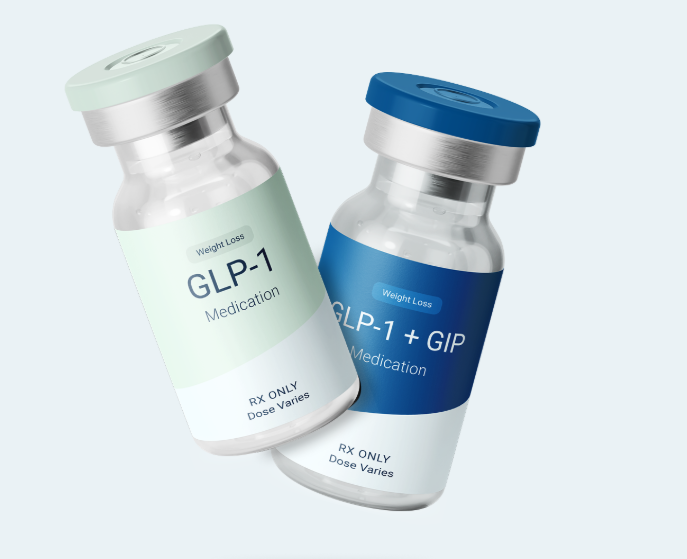
The biggest difference with a good program is accountability. It becomes easier to stay focused when you have a plan instead of guessing your way through every meal and workout.
8. Other Strategies
Bariatric Surgeries
For women dealing with obesity in adults or serious health conditions connected to excess weight, bariatric surgeries may become an option.
These surgeries can support major weight-loss results, but they still require healthy lifestyle changes afterward. Surgery alone does not create long-term weight loss success without better eating habits and regular physical activity.
Liposuction
Liposuction removes fat from certain areas of the body, but it is not really a healthy weight loss method. It is more cosmetic than medical in most cases.
Anyone considering it should talk with their healthcare professional first to understand the risks and expectations.
Tips for Keeping the Weight Off Once You’ve Lost It
Losing weight feels exciting. Keeping it off is usually the harder part.
The women who maintain a healthy weight long term are usually not doing anything extreme. They continue the same healthy habits that helped them lose weight in the first place.
That might mean meal prepping during the week, staying active, getting enough sleep, or limiting processed foods without banning them completely.
Perfection is not required either. One weekend of overeating does not erase progress. Healthy weight management works better when you stop thinking in all-or-nothing terms.
Conclusion
Weight loss for women does not need to feel miserable to work. Most women do better when they stop chasing quick fixes and start building healthier routines they can actually maintain.
A healthy diet, regular movement, enough sleep, and small consistent choices can go much further than extreme restrictions. The best way to lose weight is usually the one that still fits your life six months later.
Frequently Asked Questions
1. What is the fastest way for a female to lose weight?
The fastest healthy way to lose weight usually combines a healthy diet, regular physical activity, better sleep, and reducing foods high in added sugar and extra calories. Fast results from crash diets rarely last long.
2. What burns the most belly fat for females?
There is no single exercise that targets belly fat only. A combination of aerobic exercise, strength training, healthy eating, and consistent calorie control tends to work best over time.
3. What medication is used for obesity?
Several prescription medications may help support weight management in people with obesity. A healthcare professional can help determine which option is appropriate based on your health history.
4. How to lose 5 kg in a week?
Trying to lose 5 kg in a single week is usually not safe or sustainable. Rapid weight-loss methods often lead to water loss and muscle loss instead of healthy fat loss. Slower healthy changes are safer and easier to maintain.

Transforming Lives, One Step at a Time
Keep reading

Top 6 Best Weight Loss Medications in 2026
Prescription weight loss medication has gone mainstream. What was once a quiet corner of obesity medicine is now one of the most talked-about categories…

Top 8 Best Telehealth for Weight Loss in 2026
Finding the best telehealth for weight loss used to be a time-consuming process that involved hours of research, murky pricing pages, and a fair…

FDA Approved Weight Loss Medications List for 2026
Losing weight can be challenging, especially when diet and exercise alone aren’t enough to deliver lasting results. Fortunately, FDA-approved weight loss medications offer an…


