Can I Take Probiotics With Zepbound? Managing Gut Health
Introduction
Starting a weight loss journey with a medication like Zepbound® can feel like a major turning point, but it often comes with a learning curve for your digestive system. You might find yourself finally seeing progress on the scale, only to be met with nagging nausea, bloating, or changes in your bathroom habits. If you have ever clutched your stomach after a dose and wondered how to find relief, you are not alone. Many people look toward supplements to balance their internal environment during this transition. At TrimRx, we believe that understanding how your body interacts with these treatments is the key to long-term, sustainable success. This post covers the safety of combining probiotics with your medication, which specific strains might help, and how to optimize your gut health while on a personalized weight loss program. Taking probiotics with GLP-1 medications is generally considered safe and may even help manage some of the most common digestive side effects.
If you are considering a personalized prescription weight loss program, you can complete a free eligibility assessment to explore whether treatment may be appropriate for you.
How Zepbound Affects Your Digestive System
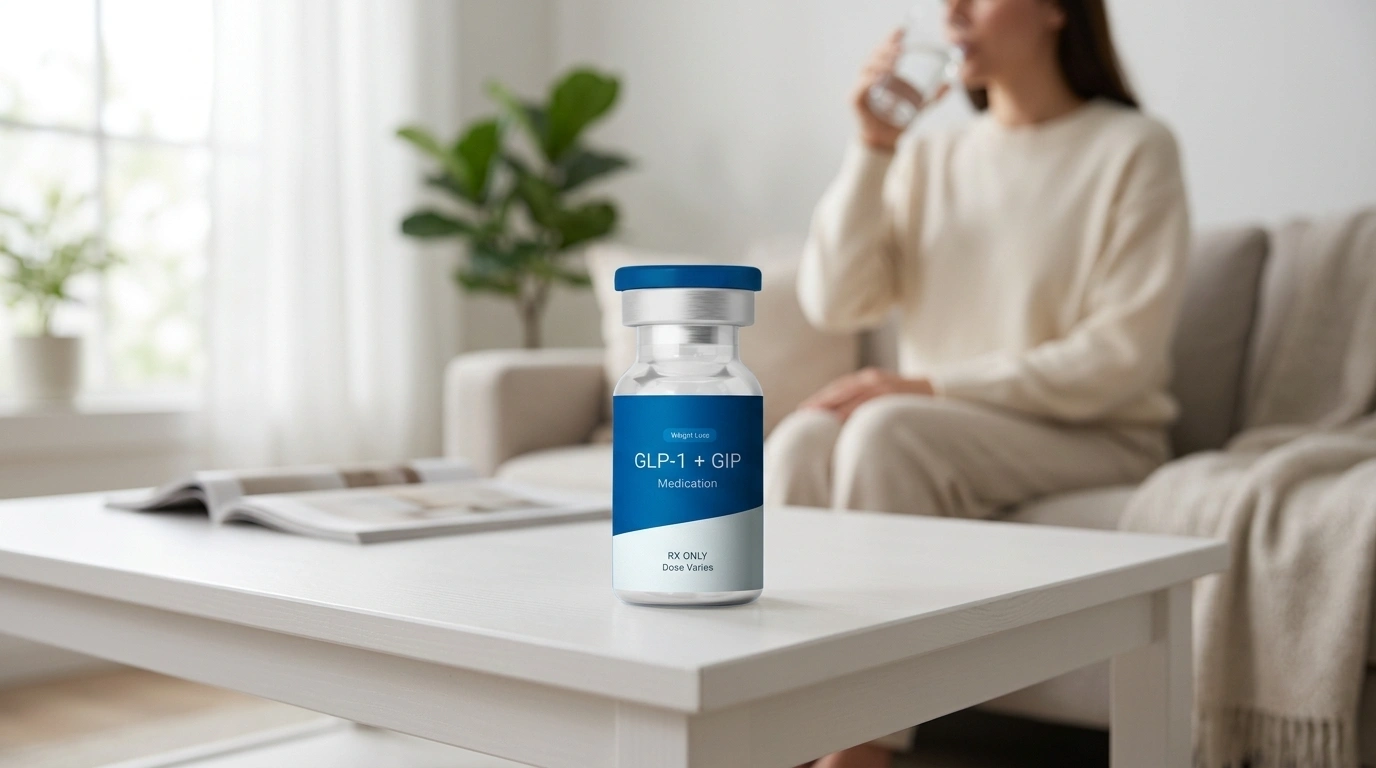
Zepbound® is a medication that belongs to a class known as dual GLP-1 and GIP receptor agonists. To understand how it interacts with probiotics, we must first look at what it does inside your body. The active ingredient, tirzepatide, mimics two natural hormones: glucagon-like peptide-1 (GLP-1) and glucose-dependent insulinotropic polypeptide (GIP). These hormones work together to regulate your appetite and how your body processes sugar. One of the primary ways this medication helps you lose weight is by slowing down “gastric emptying,” which is the rate at which food leaves your stomach.
For additional context, read this guide to how tirzepatide affects digestion and constipation.
Why Gastric Emptying Matters
When your stomach empties more slowly, you feel full for a much longer period. This is a powerful tool for weight management, but it also means food and supplements sit in your digestive tract longer than they used to. This shift in speed is exactly why some people experience gastrointestinal discomfort. Because the food is moving slowly, the environment of your gut microbiome—the trillions of bacteria living in your intestines—may also undergo changes. This is where the question of probiotics becomes particularly relevant for those on a weight loss journey.
The Gut-Brain Connection
The hormones targeted by these medications also communicate directly with your brain. They signal satiety, or the feeling of being satisfied after a meal. However, the gut and the brain are in a constant two-way conversation. If your gut is stressed due to slow digestion, it can send signals that result in that familiar “queasy” feeling. By supporting a healthy bacterial balance, you may be able to quiet some of the noise coming from a distressed digestive system.
Can You Take Probiotics With Zepbound?
The short answer is yes; there are no known direct drug interactions between probiotics and Zepbound®. Medical databases and clinical observations suggest that these two can be taken concurrently without one neutralizing the other. Probiotics are live microorganisms, usually bacteria or yeast, that provide health benefits when consumed in adequate amounts. They are essentially “good” bacteria that help keep your microbiome in balance.
The Absence of Direct Interactions
Probiotics work locally within the intestines, whereas tirzepatide is an injectable medication that enters your bloodstream. Because they operate through different pathways, they do not typically interfere with each other’s primary functions. Most healthcare providers actually encourage the use of gut-supportive supplements to help the body adjust to the metabolic changes brought on by weight loss treatments. However, because every individual’s health profile is unique, we always recommend discussing new supplements with your healthcare provider or a specialist through our platform.
The Absorption Question
The main consideration when taking any oral supplement with a GLP-1 medication is the timing of absorption. Because the medication slows down your stomach, it might take longer for an oral probiotic capsule to reach your small intestine. While this usually does not make the probiotic “unsafe,” it might slightly alter how quickly you notice its effects. Some users find that taking their probiotics at a consistent time each day, regardless of their injection schedule, helps maintain a steady state of beneficial bacteria.
Key Takeaway: Probiotics do not have known negative interactions with Zepbound® and are generally considered a helpful tool for supporting digestive comfort during weight loss.
Managing Specific Side Effects With Probiotics
Many people turn to probiotics specifically to combat the side effects that can arise during the first few weeks of treatment. As your body adapts to the medication, your digestive tract has to find a new rhythm. This transition period is often where probiotics shine.
For broader guidance, review these strategies for managing tirzepatide side effects.
Relieving Nausea and Bloating
Nausea is one of the most frequently reported hurdles for individuals starting tirzepatide-based medications. When food stays in the stomach longer, it can lead to a heavy, bloated sensation. Certain probiotic strains have been shown to help the body process gas more efficiently and reduce the sensation of abdominal distension. By maintaining a diverse microbiome, you give your body the microbial tools it needs to break down food effectively, even when the process is moving at a slower pace.
You can also learn more about tirzepatide-related bloating and relief strategies.
Combating Constipation
Slower transit time often leads to constipation, a side effect that can make the weight loss process feel much more difficult than it needs to be. When waste moves slowly through the colon, more water is absorbed back into the body, leading to harder stools. Specific strains of “good” bacteria help by promoting “motility,” which is the movement of muscles in the digestive tract. While the medication is trying to slow things down in the stomach, probiotics can help ensure things don’t come to a complete standstill further down the line.
For more practical tips, explore ways to relieve constipation from tirzepatide.
Dealing With Diarrhea
While less common than constipation, some individuals experience the opposite problem: loose stools or diarrhea. This often happens as the gut microbiome reacts to changes in diet or the medication itself. Probiotics are well-known for their ability to “bulk up” stools and restore balance after a digestive upset. They act as a stabilizing force, helping to return the gut environment to a neutral state.
Choosing the Best Probiotics for Your Journey
Not all probiotics are created equal, and some strains are better suited for the specific challenges of a weight loss program. When you are looking for a supplement, it is helpful to look for specific names on the label.
Lactobacillus Strains
Lactobacillus is one of the most common groups of probiotics and is often found in yogurt and fermented foods. Strains like Lactobacillus acidophilus and Lactobacillus rhamnosus are widely studied for their ability to support the intestinal barrier. This can be especially helpful if you are experiencing “leaky gut” symptoms or general sensitivity while on weight loss medication. These strains are often the backbone of high-quality probiotic blends.
Bifidobacterium Strains
Bifidobacterium species are primarily found in the large intestine and are crucial for regular bowel movements. If constipation is your primary concern, look for a supplement containing Bifidobacterium lactis. Research suggests this specific strain can help improve transit time and stool consistency. It is a workhorse for maintaining regularity when your digestive system feels sluggish.
Saccharomyces Boulardii: The Yeast Option
Unlike most probiotics which are bacteria, Saccharomyces boulardii is a beneficial yeast. It is incredibly hardy and is often used to treat or prevent diarrhea. Because it is a yeast, it is not affected by antibiotics, making it a great choice for overall gut resilience. For someone on a GLP-1 medication, S. boulardii can act as a protective layer for the gut lining, potentially reducing the inflammation that causes “sour stomach” or indigestion.
Bottom line: Selecting a multi-strain probiotic that includes both Lactobacillus and Bifidobacterium offers the broadest range of support for the various digestive shifts caused by Zepbound®.
The Role of TrimRx in Your Gut Health
At TrimRx, we recognize that weight loss is about more than just a weekly injection; it is about how you feel every single day. Our personalized programs are designed to look at the whole person. We understand that if you are struggling with stomach pain or bloating, it is much harder to stay committed to your activity goals or healthy eating plan. That is why our platform provides access to more than just medication.
We offer specialized supplements like GLP-1 Daily Support, which are designed to work in harmony with your treatment. These products are formulated to address the specific nutritional and digestive gaps that can occur when your appetite decreases and your digestion changes. By integrating high-quality supplements into your routine, we help you bridge the gap between “losing weight” and “feeling healthy.”
Supporting Your Gut Beyond Supplements
While a pill or capsule is convenient, your daily habits play a massive role in how well your gut handles your medication. Probiotics work best when they have the right “fuel” to grow and thrive.
The Importance of Prebiotic Foods
Prebiotics are essentially the food for your probiotics. They are non-digestible fibers found in many fruits and vegetables. Without prebiotics, the beneficial bacteria in your gut may not be able to colonize effectively.
- Garlic and Onions: These are rich in inulin, a type of prebiotic fiber.
- Bananas: Especially when slightly underripe, they provide resistant starch.
- Asparagus: A great source of fiber that supports gut microbes.
- Oats: Contains beta-glucan fiber, which is excellent for heart and gut health.
Hydration and GLP-1 Medications
Water is the most important “supplement” you can take while on Zepbound®. Because the medication can cause you to feel less thirsty, many people inadvertently become dehydrated. Dehydration is a leading cause of constipation and can make nausea feel much worse. If you are taking a probiotic, you need adequate water to help those bacteria move through your system and to help the fiber in your diet do its job.
Fiber Intake Guidance
Fiber is a double-edged sword when you are taking a GLP-1. You need it for regularity, but if you eat too much of the wrong kind too quickly, it can cause intense bloating because of the slowed digestion. We recommend focusing on soluble fiber—found in foods like beans, lentils, and peeled fruits—which dissolves in water and is generally gentler on a “slow” stomach than the tough, insoluble fiber found in kale or raw broccoli.
Note: If you experience severe abdominal pain, persistent vomiting, or an inability to pass stool for several days, stop taking your supplements and contact your healthcare provider immediately.
Step-by-Step: Adding Probiotics to Your Routine
If you are ready to add a probiotic to your regimen, follow these steps to ensure the best experience.
- Consult your provider. / Use our platform to speak with a licensed professional about your specific symptoms.
- Start with a low dose. / If you are new to probiotics, starting with a massive CFU (colony forming unit) count can actually cause temporary gas. Start small and work your way up.
- Choose a “survivable” capsule. / Look for “delayed-release” or “enteric-coated” capsules. These help the bacteria survive your stomach acid so they can reach your intestines alive.
- Monitor your symptoms. / Keep a simple log of how you feel for the first 14 days. Most people notice an improvement in bloating and regularity within two weeks.
If you are exploring prescription treatment, you can take the free assessment quiz to begin the eligibility process.
The Science of the Microbiome and Weight Loss
Recent research suggests that our gut bacteria might actually influence how easily we lose weight. People with a more diverse microbiome often have better metabolic health and improved insulin sensitivity. While Zepbound® does the heavy lifting of regulating your hormones, a healthy gut environment might provide the foundation that makes the medication even more effective.
Some studies have even indicated that GLP-1 levels in the body can be naturally influenced by certain bacterial strains. While a supplement is not a replacement for a prescription medication, maintaining a healthy gut might help support your body’s natural metabolic pathways. This is why we emphasize a holistic approach that includes both clinical interventions and lifestyle support.
Why Quality Matters in Supplements
The supplement market can be confusing, with thousands of products making bold claims. It is important to remember that probiotics are living organisms. If a product is sititng on a warm shelf for months, the bacteria may no longer be alive by the time you swallow the capsule.
We recommend looking for products that guarantee “potency through expiration,” not just “at time of manufacture.” This ensures you are actually getting the dose listed on the bottle. At TrimRx, we prioritize transparency and quality in everything we recommend, ensuring that the support you get is based on actual science rather than marketing hype.
Long-Term Success and Gut Maintenance
Your gut health is not a “set it and forget it” part of your health. As your dosage of medication increases, your digestive needs might change. Many people find they need more support during the “titration” phase—the period where your doctor gradually increases your dose—and can transition to a maintenance dose of probiotics later on.
The goal is to create a lifestyle that feels effortless. When your digestion is regular and your energy is high, you are more likely to stick with your program and reach your goal weight. You can explore energy support while on GLP-1 medication as part of your broader routine.
Managing Expectations
It is important to remember that probiotics are not a “magic pill” for side effects. They are a supportive tool. While they can significantly reduce discomfort for many, they might not eliminate side effects entirely, especially if you are on a high dose of medication. Patience is key. Your body is undergoing a major metabolic shift, and it takes time for both your hormones and your microbiome to find their new “normal.”
Consistency is the most important factor. Taking a probiotic once every few days will likely not yield the results you want. To see a real change in your digestive health, you should aim to take your supplement at the same time every day for at least a month.
The TrimRx Philosophy
We believe that everyone deserves a weight loss experience that is rooted in empathy and clinical excellence. Weight loss is a deeply personal journey, and it often comes with physical and emotional challenges. Our mission is to provide the technology and medical expertise to make that journey as straightforward as possible.
Through our telehealth-first model, we eliminate the barriers of traditional doctor’s visits. You can access consultations, lab work, and specialized support all from the comfort of your home. Whether you are curious about starting a medication like Zepbound® or you are looking for the best way to support your current treatment with probiotics, we are here to guide you every step of the way.
Conclusion
Navigating the world of weight loss medications and supplements can feel overwhelming, but you do not have to do it alone. Taking probiotics with Zepbound® is a safe and proactive way to support your digestive health and manage common side effects like nausea and constipation. By choosing the right strains and focusing on overall gut health through hydration and diet, you can make your weight loss journey significantly more comfortable. Our platform is dedicated to providing the personalized, science-backed care you need to succeed.
Key Takeaway: A healthy gut is the foundation of a healthy metabolism. Combining clinical weight loss treatments with targeted gut support offers a comprehensive approach to sustainable health.
Ready to take the next step in your personalized weight loss journey? Visit us to take our free assessment quiz and discover a program tailored specifically to your needs and health goals.
FAQ
Can I take probiotics at the same time as my Zepbound injection?
Yes, you can take probiotics on the same day as your injection. There is no evidence suggesting that the timing of a probiotic supplement interferes with the effectiveness of the injectable medication. Many people prefer to take their probiotic daily at a consistent time to maintain a routine.
Which probiotic is best for constipation on Zepbound?
Strains like Bifidobacterium lactis are specifically known for helping with bowel regularity and transit time. If constipation is your primary side effect, look for a high-quality multi-strain probiotic that features a significant amount of Bifidobacterium. Always ensure you are drinking plenty of water alongside your supplement.
For more guidance, review this guide to managing constipation on GLP-1 medications.
Will probiotics help with the nausea caused by weight loss meds?
While probiotics are not a direct anti-nausea medication, they can help by improving overall digestion and reducing gas and bloating. When your gut is in better balance and food is being processed more efficiently, the “heavy” feeling that often contributes to nausea can be significantly reduced.
Are there any supplements I should avoid while on Zepbound?
While most vitamins and probiotics are safe, Zepbound® can affect the absorption of any oral medication or supplement due to slowed gastric emptying. It is important to tell your provider about everything you take, especially blood thinners or oral contraceptives, as their effectiveness could be altered. If you are looking for nutritional support during treatment, explore the GLP-1 Daily Support supplement.
Disclaimer: This content is for informational purposes only and does not constitute medical advice. It is not intended to diagnose, treat, cure, or prevent any disease or condition. Individual results may vary. Always consult a qualified healthcare professional before starting any weight loss program or medication.

Transforming Lives, One Step at a Time
Keep reading
Surfing on Zepbound: Paddling Strength, Cold Water, and Dawn Patrol
Surfing asks a lot of your body. Paddling out through broken waves takes shoulder, back, and core strength. Cold water drains energy. Dawn sessions…

Skydiving on Zepbound: Planning a Tandem Jump
For many people who have lost weight, a skydive is a goal they set years ago and finally feel ready for. Some dropzones have…
A Day at the Renaissance Faire on Zepbound
A Renaissance faire is a full day out: jousts, stage shows, artisan stalls, dusty lanes, and food built for spectacle, from giant turkey legs…


