Can You Drink Wine on Zepbound
Introduction
Standing at a social gathering with a glass of wine in hand can feel different when you are on a weight loss journey, especially when that journey involves a medication like Zepbound®. For many individuals, the question isn’t just about whether a single glass is “allowed,” but how it will interact with their body’s new metabolic rhythm. Navigating the world of GLP-1 medications can be complex, and at TrimRx, we aim to provide clarity so you can make informed decisions about your lifestyle. This post covers the physiological interactions between alcohol and tirzepatide, the potential side effects you might encounter, and how drinking wine could impact your overall progress. While there is no absolute medical ban on drinking wine while taking this medication, understanding the risks to your digestion, blood sugar, and weight loss goals is essential for a safe and successful experience.
Understanding Zepbound and Your Body
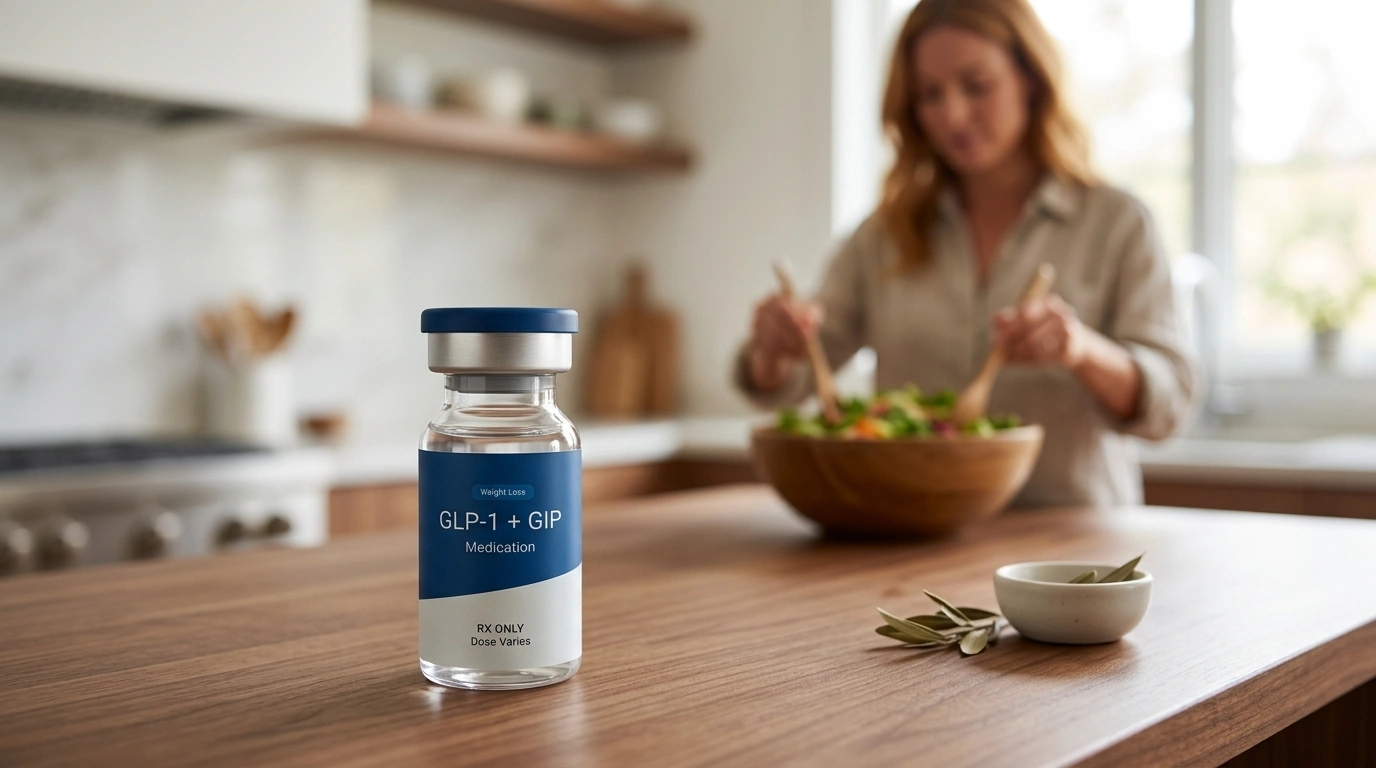
Zepbound® is a branded medication that contains the active ingredient tirzepatide. Tirzepatide is a dual-receptor agonist, which means it mimics two natural hormones in the body: glucagon-like peptide-1 (GLP-1) and glucose-dependent insulinotropic polypeptide (GIP). These hormones work together to regulate appetite, slow down the rate at which your stomach empties (gastric emptying), and improve how your body handles insulin and blood sugar. For additional background, review this guide to tirzepatide side effects.
When you take a medication that changes your metabolic signals so significantly, everything you consume—including alcohol—is processed differently. Because the medication slows down digestion, any food or drink stays in your system longer than it otherwise would. This fundamental shift in biology is the primary reason why your relationship with wine might change during treatment.
Quick Answer: While there is no direct contraindication that strictly forbids drinking wine on Zepbound®, it is generally recommended to use extreme caution. Alcohol can worsen common side effects like nausea, increase the risk of low blood sugar, and potentially slow down your weight loss progress due to its caloric content.
If you are considering prescription treatment and want to understand whether you may be a candidate, you can complete a free eligibility assessment.
How Wine Interacts with Tirzepatide
When you drink wine, your body treats the alcohol as a toxin that needs to be processed by the liver immediately. When you combine this with a medication like tirzepatide, several physiological interactions occur simultaneously. For a broader discussion, read what to know about drinking alcohol on tirzepatide.
Delayed Gastric Emptying and Alcohol Absorption
One of the primary functions of tirzepatide is to slow down the speed at which food leaves the stomach. This is called delayed gastric emptying. When you drink wine, it sits in the stomach for a longer period. For some, this might mean the alcohol is absorbed more slowly, leading to a delayed feeling of intoxication. However, for others, the prolonged presence of alcohol in the stomach can lead to significant irritation of the gastric lining.
The Risk of Hypoglycemia
Both Zepbound® and alcohol have the potential to lower blood sugar levels. Tirzepatide stimulates the pancreas to release insulin when blood sugar is high. Alcohol can also cause blood sugar drops, particularly if it is consumed on an empty stomach or in large quantities. The combination of the two can lead to hypoglycemia (dangerously low blood sugar), which can cause dizziness, confusion, and shakiness.
Dehydration Concerns
GLP-1 medications require the body to stay well-hydrated to function optimally and to minimize side effects. Alcohol is a natural diuretic, meaning it encourages the body to lose fluids. Combining a medication that already places demands on your hydration levels with a substance that dehydrates you can lead to severe headaches, fatigue, and even kidney strain. For more practical guidance, see why hydration matters during GLP-1 treatment.
Common Side Effects of Mixing Wine and Zepbound
The side effects of tirzepatide are primarily gastrointestinal. Many people experience nausea, vomiting, or diarrhea as their body adjusts to the medication. Introducing wine into this environment can act as a catalyst, making these symptoms much more intense.
Increased Nausea and Vomiting
Wine is acidic and contains sugar. In a stomach that is already processing food more slowly, the acidity of wine can trigger intense bouts of nausea. Many patients find that even half a glass of wine leads to a level of “queasiness” they never experienced before starting their weight loss program.
Acid Reflux and Heartburn
Because wine stays in the stomach longer due to the medication’s effects, it can lead to increased acid production. This often manifests as severe heartburn or gastroesophageal reflux (GERD). If you already struggle with reflux, wine is likely to exacerbate the burning sensation in your chest and throat.
The “Hangover” Effect
Many individuals report that hangovers feel significantly worse while on GLP-1 medications. This is likely due to a combination of dehydration, delayed processing of the alcohol, and the medication’s impact on the liver’s metabolic workload. What used to be a mild headache the next morning can turn into a day-long struggle with fatigue and gastric distress. You can also review how to time alcohol around tirzepatide injections.
Impact on Weight Loss Progress
Beyond the immediate physical side effects, there is the question of how wine affects your long-term goals. At TrimRx, we focus on sustainable results, and alcohol can sometimes act as a “hidden” barrier to the success of a personalized program.
Empty Calories and Metabolic Priority
Alcohol contains seven calories per gram, nearly as many as pure fat. These are “empty” calories, meaning they provide no nutritional value. Furthermore, when you consume alcohol, your body stops burning fat and sugar to focus on metabolizing the alcohol. If you are trying to reach a calorie deficit to lose weight, frequent wine consumption can stall your progress.
The Sugar Content in Wine
While dry wines have less sugar, many popular varieties (like Riesling, Moscato, or even some Chardonnays) contain significant amounts of residual sugar. This can cause insulin spikes, which the medication is actively trying to regulate. Constant spikes and crashes in blood sugar can lead to cravings later in the evening, often referred to as “the munchies,” which can lead to overeating and negate the appetite-suppressing benefits of the medication.
Reduced “Food Noise” and Alcohol Aversion
An interesting phenomenon reported by many people on tirzepatide is a decreased interest in alcohol altogether. The medication reduces “food noise”—the constant intrusive thoughts about eating. For many, this also extends to “alcohol noise.” You may find that you simply don’t crave wine like you used to, or that the taste has changed, often described as becoming “cloying” or “metallic.” If you are exploring how alcohol fits into treatment, this Zepbound and alcohol guide provides additional context.
Key Takeaway: Alcohol can interfere with the metabolic benefits of Zepbound® by causing blood sugar fluctuations and adding non-nutritional calories. Many patients also experience a natural decrease in the desire to drink once they start treatment.
Safety Concerns and Serious Risks
While occasional, moderate consumption may be tolerated by some, there are serious medical considerations that should be discussed with a licensed healthcare provider.
Pancreatitis Risk
Both GLP-1 medications and chronic or heavy alcohol use are associated with an increased risk of pancreatitis (inflammation of the pancreas). Combining the two can theoretically increase this risk. If you experience severe abdominal pain that radiates to your back, you should seek medical attention immediately.
Liver Health
Weight loss itself can put a temporary strain on the liver as the body processes stored fat. The liver is also responsible for metabolizing both alcohol and medications. Overburdening the liver with regular wine consumption while on a powerful weight management medication is generally not recommended for optimal health.
Nutrient Depletion
Regular alcohol consumption can interfere with the absorption of essential vitamins and minerals. Because those on weight loss medications are often eating smaller portions, it is critical that every bite (and sip) counts toward their nutritional goals. To support your body through this process, some people consider the GLP-1 Daily Support supplement to help bridge nutritional gaps that may occur when your diet changes significantly.
How to Navigate Social Situations
If you choose to have wine while on Zepbound®, doing so mindfully can help reduce the risk of adverse effects. It is important to listen to your body and recognize that your tolerance has likely changed.
Step-by-Step Approach to Social Drinking:
- Step 1: Prioritize Hydration. / Drink a full glass of water before you have a sip of wine and continue to alternate between the two throughout the night.
- Step 2: Eat a Balanced Meal First. / Never drink wine on an empty stomach. Ensure you have had adequate protein and fiber to help stabilize your blood sugar.
- Step 3: Start Very Small. / Begin with just two or three ounces of wine rather than a full glass to see how your stomach reacts.
- Step 4: Choose Dry Varieties. / Opt for dry wines like Sauvignon Blanc or Pinot Noir, which have lower sugar content than sweet or dessert wines.
- Step 5: Listen to the “Stop” Signal. / If you feel full or slightly nauseated, stop immediately. Your body’s signals are more sensitive while on this medication.
Bottom line: If you decide to drink wine, do it slowly, stay hydrated, and be prepared for your body to react much more strongly than it did in the past.
The Importance of a Personalized Program
Every individual’s biological makeup is different. Some people may be able to enjoy a glass of wine occasionally with no ill effects, while others may find that even a few sips lead to significant discomfort. This is why a telehealth-first approach can be so beneficial. Through the TrimRx platform, you have access to specialists who can help you tailor your lifestyle choices to your specific health profile.
A personalized program doesn’t just provide a prescription; it provides a framework for living. When you work with us, your journey is monitored by professionals who can help you understand these nuances. Whether you are using Compounded Tirzepatide or exploring branded options through a provider, having a dedicated team to answer questions about lifestyle interactions—like drinking wine—is vital for long-term safety.
If you are exploring whether prescription treatment is appropriate for you, see if you qualify for a personalized program.
When to Consult Your Provider
It is essential to talk to your healthcare provider about your alcohol consumption habits before starting or while taking Zepbound®. You should reach out for guidance if:
- You find it difficult to stop drinking or reduce your intake.
- You experience severe or persistent vomiting after drinking even small amounts of wine.
- You have a history of pancreatitis or liver disease.
- You experience symptoms of hypoglycemia, such as extreme shakiness or fainting.
- You feel that alcohol is significantly stalling your weight loss progress.
Professional guidance ensures that your weight loss journey is not just effective, but also safe for your specific medical history.
Conclusion
Can you drink wine on Zepbound®? The answer is nuanced. While there is no “hard rule” against it, the physiological changes induced by the medication make alcohol consumption a much different experience. From slowed digestion and increased nausea to the risk of low blood sugar and stalled weight loss, there are many reasons to approach wine with caution.
At TrimRx, we believe in an empathetic, science-backed approach to health. We are here to support you in navigating these social and lifestyle choices as you work toward a healthier version of yourself. By focusing on hydration, nutrition, and listening to your body’s new signals, you can find a balance that works for you. If you’re ready to start a journey that prioritizes your unique needs, take the free assessment quiz as the first step toward a personalized program designed for your success.
FAQ
Does wine taste different while taking Zepbound?
Many people report that their sense of taste changes while on tirzepatide. Wines that used to be enjoyable may suddenly taste overly sweet, metallic, or simply unappealing. This is often linked to the medication’s effect on the brain’s reward centers and its ability to reduce overall cravings.
Is it safe to have one glass of wine on a special occasion?
For many people, a single, small glass of wine consumed slowly with a meal is tolerated. However, you must be aware that the risk of nausea and acid reflux is much higher. It is always best to test your reaction in a safe, comfortable environment before drinking in a social setting. For more context, read this guide to drinking alcohol while taking Zepbound.
Can drinking wine cause a “plateau” in weight loss?
Yes, alcohol can contribute to a weight loss plateau. Not only does it add empty calories, but it also signals the body to prioritize burning alcohol over fat. If you find your progress has stalled, reducing or eliminating wine for a few weeks may help restart your weight loss.
What should I do if I feel sick after drinking wine on this medication?
If you feel nauseated or experience heartburn, stop drinking immediately and sip plain water or ginger tea. If you experience severe pain, persistent vomiting, or signs of low blood sugar like confusion, contact a healthcare professional or seek urgent care, as these could be signs of a more serious interaction. You can also review this tirzepatide side-effect management guide.
Disclaimer: This content is for informational purposes only and does not constitute medical advice. It is not intended to diagnose, treat, cure, or prevent any disease or condition. Individual results may vary. Always consult a qualified healthcare professional before starting any weight loss program or medication.

Transforming Lives, One Step at a Time
Keep reading

Kids’ Birthday Party on Zepbound
If you have young children, birthday parties are a regular part of life: your own child’s, and the steady stream of classmates’ parties most…
Water Aerobics on Zepbound
For people with painful knees, hips, or backs, water aerobics and pool exercise are often the first kind of exercise that feels possible. The…
New Year’s Eve on Zepbound
New Year’s Eve is built around staying up late. There is usually a big dinner or a party spread, drinks through the evening, champagne…


