Can You Maintain Weight Loss After Stopping Zepbound?
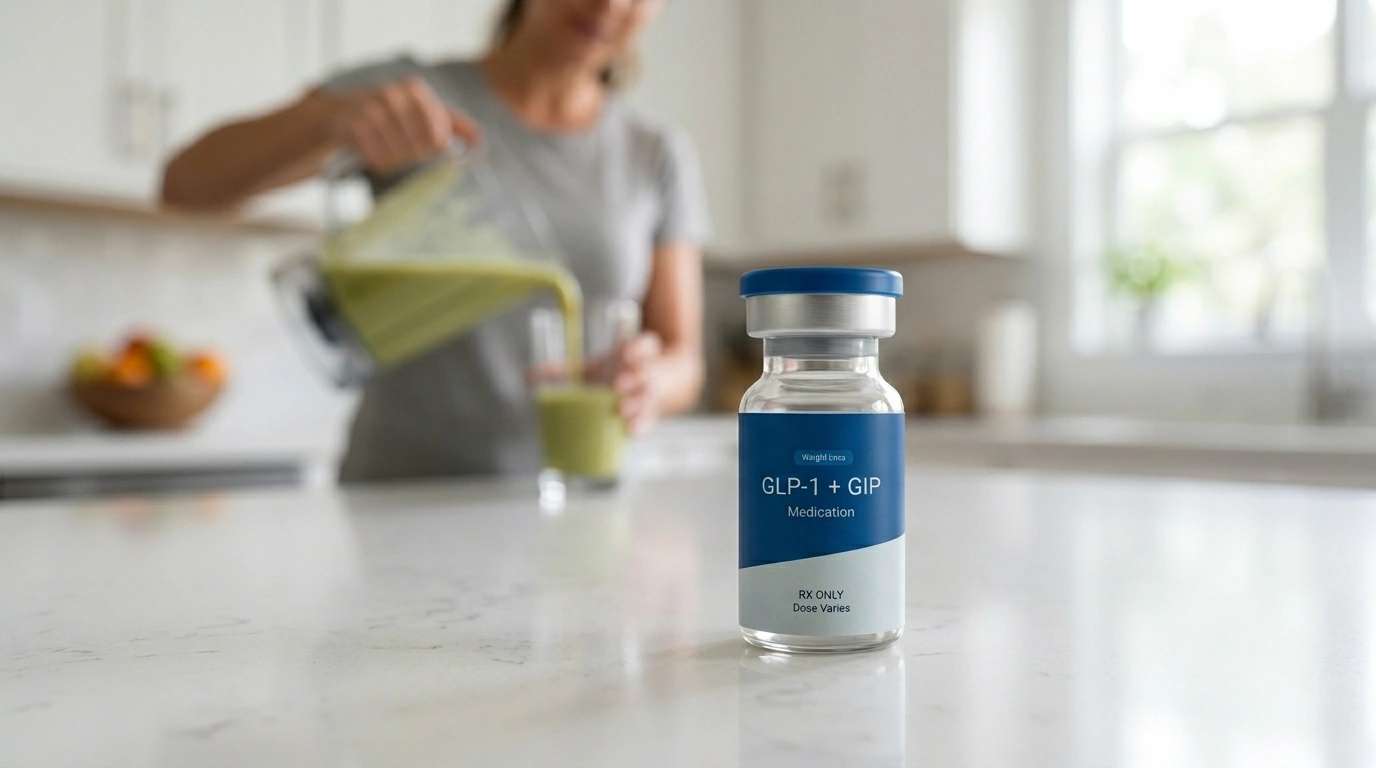
Table of Contents
- Introduction
- Why Weight Regain Occurs After Stopping GLP-1 Therapy
- Strategies for Sustaining Weight Loss
- The Role of Personalized Support at TrimRx
- Understanding the Difference Between Branded and Compounded Options
- Transitioning Off Medication: What to Expect
- Utilizing Targeted Nutrient Support
- Biological Reality: Is Maintenance Always Possible?
- The Importance of Mental and Emotional Health
- How to Prepare for Your Next Steps
- The TrimRx Approach to Sustainable Health
- Conclusion
- FAQ
Introduction
Reaching your goal weight is a monumental achievement, yet for many using Zepbound®, that success is often shadowed by a persistent question: what happens when the medication stops? It is a valid concern that reflects the reality of weight management for millions of Americans. The fear of seeing the scale climb back up can feel as heavy as the weight itself once did. At TrimRx, we understand that weight loss is not just a destination but a continuous journey of metabolic health. This article explores the biological challenges of maintaining weight loss after discontinuing a GLP-1 and GIP receptor agonist, the importance of metabolic “set points,” and the lifestyle foundations necessary to sustain your results. If you’re thinking about what comes next, you can take the free assessment quiz to explore your options with a medically supervised program.
Why Weight Regain Occurs After Stopping GLP-1 Therapy
Maintaining weight loss is often more biologically complex than the initial process of losing it. When you stop taking a medication like Zepbound®, which contains the active ingredient tirzepatide, your body undergoes a series of physiological shifts. Tirzepatide is a dual-receptor agonist, meaning it mimics two different hormones in the body: glucagon-like peptide-1 (GLP-1) and glucose-dependent insulinotropic polypeptide (GIP). These hormones work together to regulate appetite, slow gastric emptying, and improve how your body processes insulin.
When the medication is removed, the synthetic hormonal support that suppressed your appetite also disappears. For most people, this means the return of “food noise”—the intrusive, constant thoughts about eating that the medication helped silence. Without the slowed digestion and chemical signals of fullness provided by the medication, your biological hunger cues can return with significant intensity. This is not a lack of willpower; it is a predictable physiological response to the removal of a metabolic tool.
Key Takeaway: Weight regain after stopping a GLP-1/GIP medication is primarily driven by biology, as the body’s natural hunger signals and metabolic processes return to their baseline states without the medication’s influence.
The Return of Hunger Hormones
The balance between ghrelin and leptin often shifts unfavorably when weight loss interventions end. Ghrelin is the hormone responsible for signaling hunger to your brain, while leptin is the hormone that signals satiety, or fullness. Clinical research suggests that after significant weight loss, the body often increases ghrelin production and decreases leptin sensitivity as a survival mechanism. This “hunger surge” is the body’s way of trying to return to its previous, higher weight.
Metabolic Adaptation and the “Set Point”
Your body has a biological “set point,” which is the weight range it naturally strives to maintain. When you lose weight quickly, your metabolism may slow down to conserve energy—a process known as adaptive thermogenesis. If you stop using tirzepatide without having a plan to address this metabolic slowdown, you may find that you need far fewer calories to maintain your new weight than you did before the weight loss began. If your caloric intake returns to “normal” levels while your metabolism is still in a suppressed state, weight regain is highly likely.
Strategies for Sustaining Weight Loss
Long-term success after medication depends heavily on the habits established during the treatment phase. It is a mistake to view GLP-1 medications as a temporary fix that allows you to pause healthy habits. Instead, these medications should be viewed as a “bridge” that allows you to implement sustainable lifestyle changes while your biology is being supported.
Protecting Muscle Mass Through Protein and Resistance Training
One of the biggest predictors of weight maintenance success is the preservation of lean muscle mass. When people lose weight rapidly, they often lose muscle along with fat. Muscle is metabolically active tissue; the more you have, the higher your resting metabolic rate. To maintain your weight after stopping Zepbound®, you must prioritize:
- High-protein intake: Aiming for a specific protein goal daily helps repair and maintain muscle tissue.
- Resistance training: Lifting weights or performing bodyweight exercises at least three times a week signals to your body that it needs to keep its muscle.
- Adequate recovery: Giving your muscles time to heal is essential for long-term metabolic health.
Focus on Volume Eating and Fiber
Managing the return of hunger requires dietary strategies that promote fullness without excessive calories. Fiber is a critical tool in this process. Fiber slows down digestion and adds bulk to your meals, mimicking some of the effects that the medication once provided. Focus on incorporating high-fiber vegetables, legumes, and whole grains into every meal. This “volume eating” approach allows you to eat a satisfying amount of food while keeping your energy intake aligned with your new metabolic needs. For a closer look at the habits that carry results forward, see our guide on long-term weight loss success on GLP-1.
The Role of Personalized Support at TrimRx
Navigating the transition away from medication requires more than just a diet plan; it requires clinical oversight. At TrimRx, we believe that the best results come from a personalized approach that considers your unique health profile. We connect you with licensed healthcare providers who can help determine the most appropriate path for your specific needs, whether that involves a slow tapering of medication or a transition to other forms of metabolic support.
Our platform provides access to compounded tirzepatide and semaglutide through FDA-registered, inspected compounding pharmacies. This allows for a customized experience where your provider can adjust your program based on how your body responds. By using a telehealth-first model, we ensure you have the 24/7 support necessary to address concerns about weight maintenance as they arise, rather than waiting weeks for an in-person appointment. If you want help deciding whether a provider-guided program is the right fit, you can complete the free assessment quiz.
Bottom line: Success after medication is rarely a solo journey; having access to professional guidance and personalized programs significantly improves the chances of long-term weight stability.
Understanding the Difference Between Branded and Compounded Options
It is important to distinguish between branded medications and the options available through specialized platforms. Zepbound®, Mounjaro®, Wegovy®, and Ozempic® are trademarked, branded medications. While these are FDA-approved for specific uses like chronic weight management or Type 2 diabetes, they are not always accessible or appropriate for every individual’s journey.
Compounded medications offer an alternative pathway for those seeking personalized weight loss solutions. Compounded semaglutide and compounded tirzepatide are not FDA-approved, but they are prepared by licensed pharmacists in FDA-registered facilities. These medications use the same active ingredients found in the branded versions to support your metabolic goals. For many readers comparing options, our post on how to get semaglutide for weight loss is a useful next read.
Transitioning Off Medication: What to Expect
Stopping a GLP-1 medication “cold turkey” may lead to more significant challenges than a gradual transition. Many healthcare providers recommend a tapering process, where the dosage is slowly reduced over several months. This gives your body time to adjust its natural hormone production and allows you to practice your maintenance habits while still having some level of pharmacological support.
Note: You should never alter your medication dosage or stop your treatment without the direct supervision and approval of your healthcare provider.
Monitoring Your Metabolic Markers
Maintenance is not just about the number on the scale; it is about your internal health. As you transition away from medication, it is vital to monitor other markers of health, such as:
- Blood sugar levels: Ensuring your body continues to process glucose efficiently.
- Blood pressure: Monitoring how weight changes affect your cardiovascular system.
- Energy levels: Tracking how different foods and activity levels impact your daily stamina.
Utilizing Targeted Nutrient Support
As you move into a maintenance phase, your body’s nutritional needs may change. When appetite increases, it can be harder to ensure you are getting the specific micronutrients needed for optimal metabolism. At TrimRx, we offer quick-access supplements like GLP-1 Daily Support and Weight Loss Boost that do not require a prescription.
These supplements are designed to support your body’s natural pathways. GLP-1 Daily Support can help provide the nutrients your body needs to function optimally while you are focusing on a high-protein, high-fiber diet. While supplements are not a replacement for a healthy lifestyle or medication, they can serve as a valuable part of a holistic approach to metabolic wellness.
Biological Reality: Is Maintenance Always Possible?
For some individuals, obesity is a chronic condition that requires long-term management. Much like hypertension or asthma, the underlying biological drivers of weight gain do not necessarily disappear just because the weight has been lost. Research from clinical trials, such as the SURMOUNT-4 study, has shown that a significant number of participants who stopped tirzepatide regained a portion of their weight within a year.
This does not mean that maintenance is impossible, but it does mean it requires a different mindset. For many, the “maintenance” phase may actually be a “long-term management” phase. This could involve staying on a lower maintenance dose of medication indefinitely or using the medication intermittently as needed under the guidance of a doctor. Acknowledging that obesity is a biological disease rather than a character flaw is the first step toward finding a sustainable solution. If you want to compare what maintenance can look like in practice, our article on tirzepatide maintenance dosing is a helpful resource.
Myth: Regaining weight after stopping Zepbound® means you failed the program.
Fact: Regain is often a sign that the underlying metabolic issues require ongoing management rather than a short-term intervention.
The Importance of Mental and Emotional Health
The psychological aspect of stopping weight loss medication is often overlooked. For months or years, the medication may have provided a sense of control over food that you never had before. When that control begins to feel like it is slipping away, it can lead to anxiety, guilt, or a sense of defeat.
Building a support system is essential for the transition period. This might include working with a therapist who specializes in eating behaviors, joining a support group of others on similar journeys, or utilizing the specialized team available through our platform. Success is as much about your relationship with food and your body as it is about the chemistry in your bloodstream. For a broader look at what happens when treatment pauses, you may also want to read minimizing weight regain while pausing semaglutide or tirzepatide.
How to Prepare for Your Next Steps
If you are currently taking Zepbound® and are considering stopping, the time to plan is now. You should not wait until your last dose to start thinking about maintenance. Instead, treat your final months of medication as a “rehearsal” for your life after the drug.
Step-by-Step Maintenance Preparation
Step 1: Consult your provider. / Discuss your desire to transition off the medication and ask about a tapering schedule that fits your health profile.
Step 2: Audit your habits. / Honestly assess your current protein intake, daily movement, and sleep quality to identify areas that need strengthening.
Step 3: Establish a monitoring system. / Decide how you will track your progress without becoming obsessed with the scale—this might include measuring waist circumference or tracking energy levels.
Step 4: Secure your support tools. / Ensure you have access to the necessary supplements and professional guidance to help manage the return of hunger cues.
The TrimRx Approach to Sustainable Health
We believe that everyone deserves a weight loss plan that is as unique as they are. Our mission is to bridge the gap between clinical science and everyday life. By providing a platform that combines expert medical consultations with high-quality compounded medications and targeted supplements, we help you build a foundation for health that lasts.
Sustainable weight loss is not about a quick fix; it is about empathy, transparency, and science-backed strategies. Whether you are just starting your journey or are looking for a way to maintain the progress you have already made, we are here to guide you every step of the way. We focus on the person, not just the prescription, ensuring that your path to a healthier lifestyle is supported by a team that truly understands the complexities of metabolic health. To see whether a personalized program could support your next phase, take the free assessment quiz.
Conclusion
Maintaining weight loss after stopping Zepbound® is a significant challenge, but it is one that can be managed with the right tools and mindset. The return of hunger hormones and the body’s natural tendency to return to its set point make it difficult to sustain results through willpower alone. By focusing on preserving muscle mass, prioritizing protein and fiber, and working closely with healthcare professionals to manage the transition, you can protect the progress you have worked so hard to achieve.
- Weight regain is a biological response, not a personal failure.
- Preserving muscle through resistance training is vital for metabolic health.
- A gradual tapering of medication is often more successful than stopping abruptly.
- Ongoing professional support helps navigate the return of hunger cues.
Key Takeaway: The end of your medication protocol is the beginning of a new chapter in your metabolic health, one that requires a renewed commitment to lifestyle foundations and clinical support.
If you are ready to take the next step toward a personalized weight loss or maintenance program, your journey starts with understanding your unique needs. We invite you to take our free assessment quiz to see how a medically supervised, telehealth-based program can support your long-term goals.
FAQ
Why do people regain weight after stopping Zepbound®?
Weight regain typically occurs because the medication’s influence on appetite-suppressing hormones like GLP-1 and GIP is removed. When the drug leaves your system, your body’s natural hunger signals return, often with increased intensity, while your metabolism may have slowed down during the weight loss process.
Can I stay on a low dose of tirzepatide for maintenance?
Many healthcare providers suggest a “maintenance dose” to help patients keep their weight stable over the long term. This approach acknowledges that for many, obesity is a chronic condition that requires ongoing management rather than a one-time treatment. If you want to discuss whether ongoing treatment is appropriate for you, start with the assessment quiz.
What is the best diet for maintaining weight loss after a GLP-1?
A diet high in lean protein and fiber is generally considered the most effective for maintenance because it promotes satiety and helps preserve muscle mass. Focusing on whole, nutrient-dense foods can help mimic the fullness that the medication previously provided. If appetite is harder to manage during maintenance, GLP-1 Daily Support may fit naturally into that routine.
How does resistance training help with weight maintenance?
Resistance training builds and preserves muscle tissue, which is more metabolically active than fat. By increasing your muscle mass, you can help offset the metabolic slowdown that often follows significant weight loss, making it easier to maintain your new weight. For another perspective on long-term success habits, read how GLP-1 habits that actually stick support lasting results.
Disclaimer: This content is for informational purposes only and does not constitute medical advice. It is not intended to diagnose, treat, cure, or prevent any disease or condition. Individual results may vary. Always consult a qualified healthcare professional before starting any weight loss program or medication.

Transforming Lives, One Step at a Time
Keep reading

Why Is There a Bruise Where I Injected My Zepbound?
A bruise means a small blood vessel was disturbed under the skin and blood spread into the surrounding tissue. It is one of the…

My Zepbound Pen Won’t Click Past a Certain Dose
Start by checking which device you are holding, because the answer depends entirely on that. Zepbound has commonly been supplied in the United States…

Zepbound Alternatives: Your Options Compared
If Zepbound isn’t the right fit, the main alternative is semaglutide (sold as Wegovy), which produces slightly less weight loss but works similarly, along…


