Copper Peptides for Skin Guide
Introduction
A copper peptide serum cannot compensate for skipping sunscreen, using a harsh cleanser, or ignoring irritation. That is the first thing to understand. Copper peptides may support the look and feel of aging skin, but they are not a shortcut around the fundamentals.
The ingredient has become popular in anti-aging products because it sounds both technical and biologically relevant. That combination makes it easy to market aggressively. Some product pages suggest that a few drops can rebuild youthful skin on demand. No topical deserves that kind of automatic trust.
A more useful approach is practical. Learn what copper peptides are, what manufacturers claim, how to introduce them, what they cannot replace, and how to recognize a bad reaction. This guide leaves the before-and-after theatrics aside.
At TrimRx, we believe understanding your options is the first step toward taking control of your health. If you want to see whether a personalized treatment plan is a fit for you, you can start with a quick online visit.
What Are Copper Peptides?
Copper peptides are peptide ingredients associated with copper, a mineral involved in biological processes. In skincare, they appear in topical formulas such as serums, creams, and other leave-on products.
Quick Answer: Copper peptides are skincare ingredients discussed for their potential role in supporting the appearance and feel of aging skin.
They are usually positioned as part of an anti-aging routine. That does not make every copper peptide product interchangeable. The formula may also contain active ingredients, fragrances, preservatives, humectants, or emollients. Those components affect both the product’s feel and your skin’s tolerance.
The front label tells only part of the story. “Copper peptides” is a broad consumer-facing term. The full ingredient list and the formulation determine what is actually in the bottle. Compare products by reading the ingredients, not by trusting the biggest words on the package.
Why Are Copper Peptides Used in Skin Care?
Copper peptides are used because they are marketed as ingredients that may support the appearance of mature, dull, or uneven skin. The appeal is obvious. People want smoother texture, better-looking firmness, and a more resilient appearance without an aggressive procedure.
That appeal also invites inflated expectations. A cosmetic serum is not a medical treatment. An ingredient with an interesting role in skin biology does not guarantee dramatic results from every product containing it. Outcomes can vary with the rest of the formula, your skin’s condition, how often you apply it, and whether you use it consistently.
The useful question is not whether copper peptides are “powerful.” Ask what you want to change and whether the product fits that goal. A serum may make sense as a targeted anti-aging step. It cannot replace treatment for a persistent rash, severe acne, a suspicious spot, or another skin condition that needs professional evaluation.
What Can Copper Peptides Do for the Appearance of Skin?
Copper peptide products are generally marketed for the appearance of aging skin, including dullness, rough texture, and visible signs of reduced firmness. Those are cosmetic goals, not promises of permanent reversal.
Skin changes slowly. That makes a product difficult to judge after only a few applications and makes dramatic online claims particularly suspect. Lighting, facial expression, makeup, hydration, and camera processing can change the appearance of skin in a photograph.
Use a practical standard. If a product keeps your skin comfortable and helps it look more polished over time, it may deserve a place in your routine. If it causes burning, persistent redness, peeling, or a worsening rash, the anti-aging label is irrelevant. Irritated skin is not evidence that a product is working.
Are Copper Peptides Proven to Reduce Wrinkles?
Copper peptide products are commonly promoted for wrinkles and other visible signs of aging. That marketing does not establish that every formula reduces wrinkles in a meaningful or predictable way.
The word “proven” needs precision. Evidence about an ingredient, evidence about a specific formulation, and evidence about a particular product are different things. A product page can sound certain even when consumers have no clear way to compare the formula with a standard routine.
If wrinkles are your main concern, do not make one serum the entire plan. Daily sunscreen helps protect skin from ongoing ultraviolet exposure. A gentle cleanser limits unnecessary disruption, and a moisturizer can improve the look and feel of dryness. Copper peptides, if you choose to use them, are an optional addition, not the foundation.
How Should You Add Copper Peptides to a Routine?
Start with clean, dry skin unless the product label says otherwise. Apply a small amount, then use moisturizer if your skin needs it. During the day, sunscreen goes at the end of the routine.
Do not introduce several new products at once. If your face reacts, you will not know which product caused the problem. Give each new active its own trial period. Watch what happens over the following days instead of treating immediate tingling as proof that the product is working.
A simple routine is easier to maintain:
- Cleanse gently.
- Apply the copper peptide product according to its label.
- Use moisturizer if needed.
- Apply sunscreen during the day.
At night, follow the same basic structure without sunscreen. If you already use other active products, do not turn the first week into a chemistry experiment. Skin care rewards consistency, not clutter.
Can You Use Copper Peptides with Other Active Ingredients?
This is where routines usually go off the rails. People combine copper peptide serums with exfoliating acids, retinoids, vitamin C products, and other actives because each is marketed as the answer to a different concern. The result can be a regimen that irritates the skin and tells you nothing about which product helped.
Compatibility depends on the exact formulas and your skin. The product label may specify when or how to use the ingredient. Follow those directions instead of copying a generic routine from social media.
If you want to add copper peptides while using another active, change one thing at a time. Use the new product less frequently at first if the label allows, and stop if persistent irritation develops. A dermatologist or other qualified clinician can help if you have sensitive skin, eczema, rosacea, recurrent rashes, or a history of reactions to skincare products.
There is no prize for using the most actives. The best routine is the one your skin tolerates and you can maintain.
Can Copper Peptides Irritate Your Skin?
Yes. Any topical product can irritate skin, including products marketed as gentle, clean, natural, or suitable for all skin types. Irritation may appear as burning, stinging, redness, itching, tightness, flaking, or a rash.
A patch test can help you introduce an unfamiliar product more cautiously, though it cannot guarantee that your face will respond the same way. Apply a small amount to a limited area as directed by the product or a clinician. Watch for a reaction before applying it broadly.
Do not apply a new product to raw, cracked, sunburned, or actively inflamed skin unless a medical professional has told you to do so. If you develop swelling, blistering, severe discomfort, or a spreading rash, stop using the product and seek medical advice.
“Mild adjustment” is often used as a marketing excuse. It is a poor safety rule. Persistent irritation means your skin is objecting. Applying the product more carefully or buying a more expensive version may not solve the problem.
Key Takeaway: A copper peptide serum belongs in a broader routine that includes consistent sunscreen, gentle cleansing, and a moisturizer suited to your skin.
How Often Should You Use Copper Peptides?
There is no universal schedule for every copper peptide product or every face. Follow the instructions for the specific formula. If your skin is reactive or you are adding products to an established routine, a slower introduction makes more sense than immediate heavy use.
Your schedule should also account for the rest of your routine. Someone using several exfoliating or renewing products may need to simplify before adding another active. Someone with a very basic routine may have more room for a serum, but that still does not excuse ignoring irritation.
Judge the product after a reasonable period of regular use, not after one application. If you want a more honest comparison, take photographs under similar lighting. Keep the rest of your routine stable during that period, or you will not know what made the difference.
How Do You Choose a Copper Peptide Product?
Start with the ingredient list and the directions. Choose a source that clearly identifies the product, provides usable instructions, and explains how it should be stored. You should not have to guess what the bottle contains or how to use it.
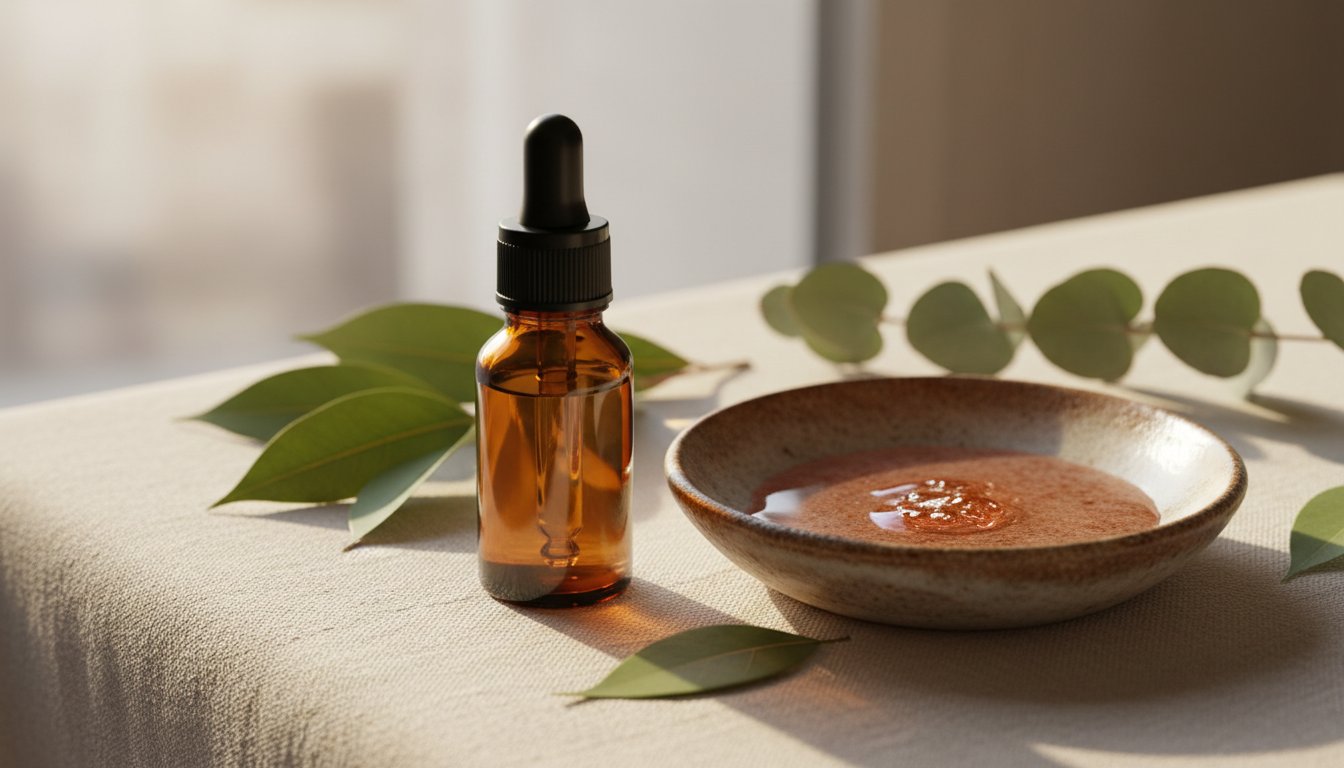
Then consider your skin. A rich cream may not suit someone who dislikes occlusive textures. A fragranced formula may be a poor choice for someone who reacts to fragrance. A dropper serum may be convenient, but convenience matters only if you use it consistently and store the product as directed.
Do not shop by percentage alone. A prominent number on a label does not tell you whether the complete formula will be well tolerated or meet your goals. A high price proves nothing about quality. Good skincare is not a contest to find the most expensive bottle.
If a product makes claims that sound like a medical guarantee, slow down. Cosmetic language can be enthusiastic. Your expectations should remain realistic.
Do Copper Peptides Replace Sunscreen or Professional Treatment?
No. Copper peptides do not replace sunscreen, and they are not a substitute for evaluating a persistent or concerning skin problem.
Sun protection matters because ultraviolet exposure contributes to visible skin aging. A copper peptide product cannot cancel repeated, unprotected exposure. If anti-aging is the goal, sunscreen is a more important foundation than another serum.
Professional care matters when the concern is more than cosmetic. A new or changing spot, a wound that does not heal, a persistent rash, significant swelling, or sudden changes in the skin deserve appropriate assessment. An anti-aging topical is not the right tool for every skin complaint.
Keep the category clear. A product can improve the look or feel of skin without treating the underlying cause of a medical condition. If you are unsure where your concern belongs, ask a qualified health professional.
What Role Does Overall Health Play in Skin Appearance?
Topical products are only one part of the picture. Sleep, nutrition, hydration, stress, sun exposure, hormones, medications, and general health can all affect how skin looks and feels. That does not mean a supplement or lifestyle change can erase wrinkles. It means a serum has a limited role.
Weight may also be part of a person’s broader health goals, but copper peptides are not a weight-loss treatment. TrimRx’s only program is GLP-1 weight loss telehealth, from $179 per month, and it does not sell or prescribe copper peptide skincare through that program.
The distinction matters. Health brands should not stretch a weight-loss service into a promise about every concern a reader may have. If your goal is skincare, assess skincare products on their own terms. If excess weight is a separate concern, address it separately with appropriate medical guidance.
The Path Forward
Copper peptides can be a reasonable optional step in an anti-aging routine, but they need a modest role. Start with the basics. Add one product at a time. Follow the label. Stop if persistent irritation develops. Do not mistake polished marketing for a guaranteed result.
TrimRx is a GLP-1 weight loss telehealth company, not a skincare provider, and this guide is educational rather than a treatment recommendation. The takeaway is straightforward: use copper peptides as a supporting cosmetic ingredient, not as a replacement for sunscreen, a tolerable routine, or professional care when your skin needs it.
Bottom line: TrimRx is a GLP-1 weight loss telehealth company, not a skincare provider. We cover copper peptides here as general education, not as a treatment offered by TrimRx.
FAQ
What Are Copper Peptides?
Copper peptides are topical skincare ingredients associated with copper and used in products marketed for the appearance of aging skin. They commonly appear in serums and other leave-on formulas.
Do Copper Peptides Reduce Wrinkles?
Copper peptide products are marketed for visible signs of aging, including wrinkles, but results are not guaranteed and can vary by product and person. Treat them as an optional part of a routine, not a shortcut around basic skincare.
How Do You Use Copper Peptides?
Use the product according to its label, generally after cleansing and before moisturizer. During the day, apply sunscreen as part of the routine. Introduce one new product at a time so you can identify irritation or other reactions.
Can Copper Peptides Irritate Skin?
Yes. Topical products can cause burning, stinging, redness, itching, tightness, flaking, or a rash. Patch testing may help you introduce a product cautiously, but stop using it if persistent or severe irritation develops.
Can You Use Copper Peptides with Other Skincare Actives?
It depends on the exact products and your skin’s tolerance. Avoid changing several active products at once. Follow the product directions and ask a qualified clinician for guidance if you have sensitive or reactive skin.
Do Copper Peptides Replace Sunscreen?
No. Copper peptides do not replace sunscreen. If your goal is to protect the appearance of your skin from ongoing ultraviolet exposure, daily sun protection is a more important foundation than any single serum.
Are Expensive Copper Peptide Products Better?
Not necessarily. Price does not establish that a product will work better or be easier to tolerate. Consider the ingredient list, instructions, packaging, source, and whether the formula suits your skin.
Does TrimRx Offer Copper Peptide Skincare?
No. TrimRx’s only program is GLP-1 weight loss telehealth. This article is general education about copper peptide skincare and does not represent a copper peptide product or skin treatment offered by TrimRx.
Disclaimer: This content is for informational purposes only and does not constitute medical advice. It is not intended to diagnose, treat, cure, or prevent any disease or condition. Individual results may vary. Always consult a qualified healthcare professional before starting any treatment or medication.

Transforming Lives, One Step at a Time
Keep reading

Does Rapid Weight Loss on Tirzepatide Affect Bone Density?
Bone density does fall during weight loss, and that is established regardless of how the weight comes off. What is less settled is whether…
Does Wellbutrin Cause Hair Loss? What to Expect
Does Wellbutrin cause hair loss? It’s a question that may come up when you notice increased shedding or changes in your hair after starting…

Is Wellbutrin an SSRI? What You Need to Know
If you’re wondering, “Is Wellbutrin an SSRI?” you’re not alone. Wellbutrin (bupropion) is an antidepressant, but it works differently from common SSRIs by primarily…


