Diabetes and Low Testosterone: What Men Need to Know
Introduction
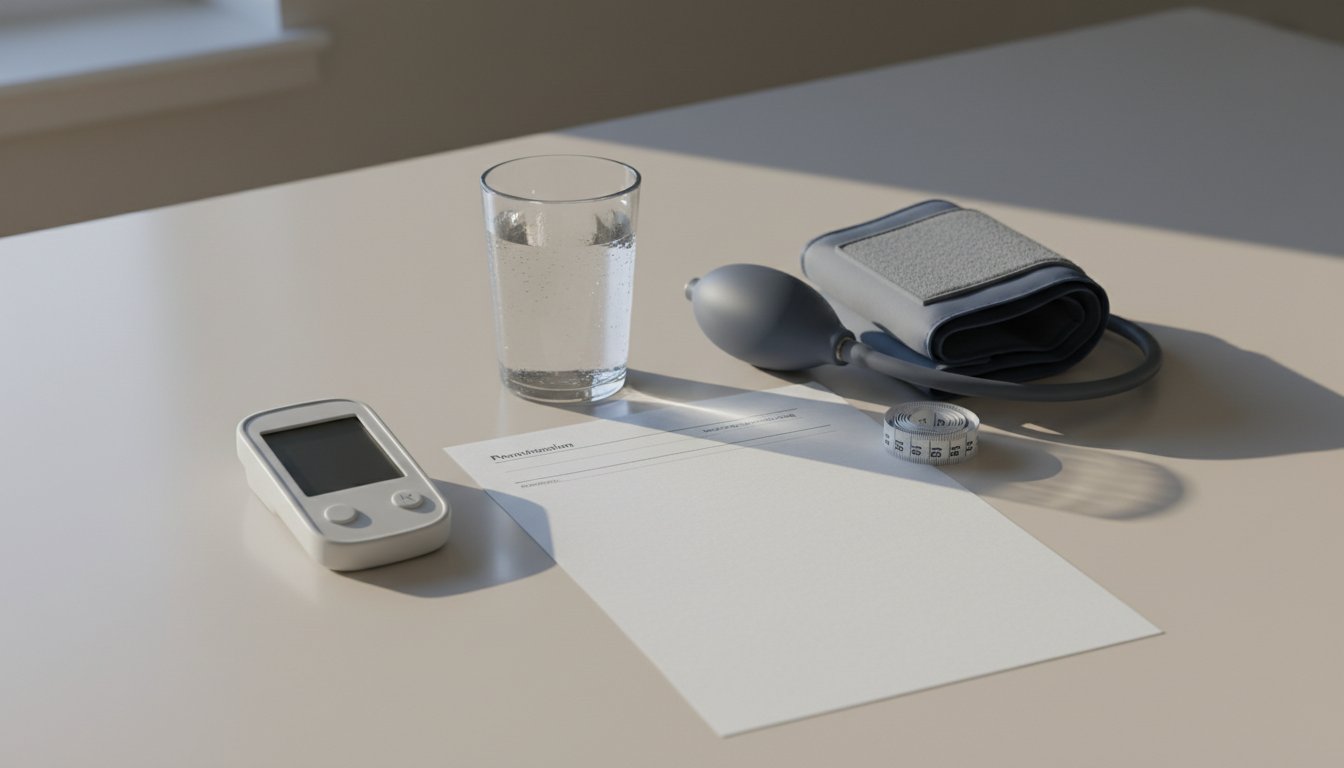
The glucose meter says one thing. The way you feel says another.
A man checks his blood sugar at 7:10 on a Monday morning, before coffee. He has also been waking tired, avoiding sex, and struggling through workouts that used to feel ordinary. Diabetes seems like the obvious explanation. Low testosterone is another possibility. Symptoms alone can prove neither.
Diabetes and low testosterone often overlap, but the story is not as simple as “high blood sugar lowers testosterone.” Weight, insulin resistance, sleep, medications, vascular health, and the function of the testes and pituitary can all matter. Treating one piece while ignoring the rest is a reliable way to get a disappointing result.
This guide explains how clinicians sort through the overlap, which symptoms deserve attention, what testing usually involves, and where testosterone replacement fits. TrimRx is a GLP-1 weight loss telehealth program, not a diabetes or testosterone clinic. We cover the subject because weight often belongs in the metabolic picture, and because men need clear information before considering hormone treatment.
At TrimRx, we believe understanding your options is the first step toward taking control of your health. If you want to see whether a personalized treatment plan is a fit for you, you can start with a quick online visit.
Can Diabetes Contribute to Low Testosterone?
It can be associated with low testosterone, particularly in men with type 2 diabetes and related metabolic problems. That does not mean every man with diabetes has testosterone deficiency. It also does not mean diabetes is always the direct cause.
Quick Answer: Diabetes and low testosterone often appear together, especially when excess weight, insulin resistance, or poor sleep are also present.
Several factors may be operating at once. Insulin resistance can affect hormone signaling. Excess body fat can change reproductive hormone balance. Poor sleep and sleep apnea can undermine energy, sexual function, and hormone production. Diabetes-related vascular and nerve complications can contribute to erectile problems, which are sometimes blamed on low testosterone without proper testing.
The useful question is not whether diabetes gets the blame. It is what is driving the symptoms.
When a man with diabetes develops low libido, fatigue, erectile changes, or reduced strength, a clinician should assess both metabolic health and hormone status. One does not rule out the other.
Which Symptoms Point Toward Low Testosterone?
Low testosterone can affect sexual function, physical performance, and mood. Reduced sexual desire is one of the more specific clues. Fewer spontaneous erections, erectile difficulty, reduced body hair, lower muscle mass, and a decline in exercise capacity may also justify an evaluation.
Fatigue and low mood are different. They matter, but they are weak evidence on their own. High or fluctuating glucose, poor sleep, depression, stress, alcohol use, medication effects, and the daily work of managing diabetes can all sap energy. Weight gain can do the same. Some men feel substantially better after improving sleep and glucose control without having a testosterone disorder.
Symptom checklists and online quizzes can point you toward care. They cannot make the diagnosis.
A useful appointment starts with concrete details:
- When did the change begin?
- Is libido lower, or is erection quality the main problem?
- Are morning erections still occurring?
- Has weight changed?
- How well are you sleeping?
- Which medications are you taking?
- Has glucose control changed?
Those answers help separate a hormone problem from a broader metabolic or sexual-health issue.
How Is Low Testosterone Diagnosed in a Man with Diabetes?
Diagnosis requires symptoms that fit testosterone deficiency and consistently low blood levels. Testing should usually happen in the morning, when testosterone is generally highest. If the result is unexpectedly low, it is generally repeated before treatment begins.
Fatigue alone is not enough. Neither is an online questionnaire or one borderline laboratory value. Testosterone can shift with illness, poor sleep, calorie restriction, certain medications, and the timing of the blood draw. The laboratory method and reference range matter as well.
The workup should also establish where the problem begins. Is the issue in the testes, or in the signals from the brain that regulate them? Additional hormone testing can help distinguish those patterns. Depending on the history, the clinician may also investigate thyroid function, prolactin, sleep apnea, medication effects, or other possible causes.
Diabetes makes this evaluation more important. A man may have genuine testosterone deficiency, a diabetes-related sexual complication, or both. Good care identifies which problem is producing which symptom.
Can High Blood Sugar Affect Sexual Function Without Low Testosterone?
Yes. Erectile function depends on blood vessels, nerves, psychological factors, and hormone signaling. Diabetes can affect several of those systems at the same time. A man can have difficulty getting or maintaining an erection while his testosterone remains normal.
That distinction changes the treatment plan. Testosterone replacement will not correct every cause of erectile dysfunction. If the main issue is vascular or nerve-related, it needs to be treated directly. If low desire is the dominant complaint and testosterone is confirmed low, hormone care may be relevant. If both problems are present, both need attention.
Sexual symptoms should not be written off as an inevitable part of diabetes. They are common, but they are not trivial or automatically untreatable. They can signal a need to look more closely at glucose, blood pressure, circulation, medication effects, or hormone health.
Many men delay the conversation because it feels awkward. The result is usually more guessing, not more clarity. A direct discussion with a qualified clinician is the better move.
Does Weight Connect Diabetes and Low Testosterone?
Often, yes. Excess weight can sit at the center of the relationship. It is closely linked with insulin resistance and type 2 diabetes, and it can also be associated with lower testosterone. Fat tissue affects hormone metabolism. Weight-related sleep problems and inflammation may further affect energy, libido, and reproductive function.
That does not make weight the explanation for every low testosterone result. Some men have testicular or pituitary conditions that require dedicated hormone care. Others have symptoms driven mainly by sleep, medications, depression, glucose swings, or vascular disease.
Weight still deserves a serious place in the evaluation. If a man has increased abdominal weight, worsening metabolic health, poor sleep, and a borderline testosterone result, starting testosterone immediately may overlook a major contributor. Weight loss can improve metabolic health and may improve testosterone in men whose low levels are closely tied to excess weight.
Consider weight care for what it is: one possible part of the plan, not a promise that weight loss will solve every hormone problem. The confirmed diagnosis should guide treatment.
Should a Man with Diabetes Start Testosterone Replacement Therapy?
Only after a clinician confirms testosterone deficiency and reviews the risks and alternatives. Testosterone replacement therapy, or TRT, is not a general energy treatment. It does not lower blood glucose, replace diabetes medication, or reverse diabetes complications.
For a man with genuine hypogonadism, TRT may improve symptoms related to low testosterone. The decision still requires a full review. The provider should discuss fertility plans, prostate history, sleep apnea, cardiovascular history, blood counts, medications, and the likely cause of the low level.
Some men need treatment for the underlying condition rather than testosterone itself. Levels can fall temporarily during illness, severe sleep disruption, or major weight change. In those cases, the underlying issue may need attention first. A medication-related problem may call for a medication review. A man who wants to preserve fertility needs a different conversation because standard testosterone can suppress sperm production.
The prescription should follow the diagnosis. In a crowded online market, that basic rule needs saying plainly.
Key Takeaway: A single low testosterone result does not settle the issue. Clinicians generally confirm a low level with repeat morning testing and investigate the cause.
What Should Be Checked Before Starting TRT?
A baseline evaluation should involve more than total testosterone. The clinician will generally review symptoms, repeat testosterone when appropriate, and consider free testosterone or related testing when the total result does not provide the full picture.
Additional hormone tests can help show whether the issue is in the testes or in the pituitary signals that regulate them. A complete blood count establishes a red blood cell baseline. Prostate evaluation, including PSA when appropriate for the man’s age and risk, belongs in the discussion. The medical history may also point toward testing for thyroid disease, prolactin problems, or sleep apnea.
Diabetes adds another layer. The clinician should understand current glucose treatment, cardiovascular risk, blood pressure, kidney health, sexual symptoms, and any medication that could affect energy or sexual function.
The goal is not to order every possible test. It is to avoid treating a hormone number in isolation.
A provider who prescribes first and asks these questions later has the order backward.
What Needs Monitoring After TRT Starts?
TRT requires follow-up. Testosterone levels need reassessment so the dose and formulation can be adjusted. A complete blood count matters because testosterone can raise red blood cell production. Prostate monitoring may be appropriate based on age, history, and risk. Symptoms should be reviewed alongside laboratory results.
The formulation affects the routine. Injections, gels, patches, and other options have different application and monitoring considerations. Topical testosterone requires care to prevent transfer to another person. Injectable therapy can create peaks and troughs when the dose or schedule does not fit the patient.
Fertility deserves more than a one-time warning. Standard testosterone can suppress the body’s own testosterone production and sperm production while a man is taking it. Anyone who wants children now or in the future should tell the prescriber before starting therapy, not after fertility changes.
Diabetes management continues on its own schedule. Glucose readings, nutrition, physical activity, and diabetes medications still require appropriate care. TRT replaces none of them.
Can Weight Loss Improve the Testosterone Picture?
It can, particularly when excess weight is contributing to lower testosterone. The effect is not guaranteed, and weight loss should not be sold as a universal cure for hypogonadism. It is one part of a cause-focused plan.
For some men, the pattern is clear: weight increases, sleep worsens, insulin resistance develops, activity falls, and testosterone declines. In that situation, addressing weight and sleep may improve several symptoms at once. Libido, stamina, glucose control, and hormone levels can all be affected by the same underlying changes.
For others, weight loss will not address the primary cause. A testicular disorder, pituitary condition, or another medical problem still requires direct evaluation. That is why laboratory confirmation and clinical review come before confident conclusions.
TrimRx focuses only on GLP-1 weight loss telehealth, with programs from $179 per month. We do not treat diabetes or low testosterone. When weight is genuinely part of the picture, medically supervised weight loss may be worth discussing with a licensed provider as one piece of broader care.
What Should Men Avoid When Looking for Online TRT?
Avoid any program that treats testosterone like a supplement. A legitimate evaluation should include medical history, appropriate blood testing, a licensed prescriber, and follow-up monitoring. A fast prescription based only on a symptom quiz is a warning sign.
Be wary of promises about guaranteed energy, dramatic muscle gain, or improved diabetes control. Testosterone is not a shortcut around glucose management, sleep, nutrition, or cardiovascular care. It also carries meaningful trade-offs, especially for fertility and blood-count monitoring.
Do not compare clinics by shipping speed or marketing language. Ask practical questions instead:
- Which labs are required before prescribing?
- What happens if the result is borderline?
- Who reviews the results?
- When are follow-up labs drawn?
- How is fertility addressed?
- What happens if symptoms do not improve?
- Can treatment be paused or changed if the risks outweigh the benefits?
A sound program should answer those questions directly. Vague answers are a reason to keep looking.
The Path Forward
Diabetes and low testosterone can overlap through weight, insulin resistance, sleep, sexual health, and hormone signaling. Symptoms alone cannot show which factor matters most.
Start with a proper evaluation. Confirm low testosterone with appropriate morning testing. Investigate the cause. Discuss fertility and monitoring before considering TRT.
TrimRx takes a focused approach. We provide GLP-1 weight loss telehealth from $179 per month, and weight is the only condition our program addresses. If excess weight is part of your metabolic and hormone picture, take our free assessment quiz to see whether medically supervised weight loss may fit your goals.
The central point is simple: do not chase a testosterone number before identifying the health pattern behind it.
Bottom line: When excess weight is part of the picture, medically supervised weight loss may belong in the conversation before or alongside hormone care. TrimRx provides GLP-1 weight loss telehealth from $179 per month.
FAQ
Does Diabetes Cause Low Testosterone?
Diabetes can be associated with low testosterone, particularly when excess weight, insulin resistance, poor sleep, or related metabolic problems are present. It does not mean every man with diabetes has testosterone deficiency. Blood testing and clinical evaluation are necessary.
What Symptoms Can Diabetes and Low Testosterone Share?
Fatigue, reduced sexual desire, erectile difficulty, lower exercise capacity, and changes in body composition can occur with either condition or with both. These symptoms are not specific enough to diagnose low testosterone without laboratory confirmation.
Can Low Testosterone Make Diabetes Worse?
Low testosterone and metabolic problems can occur together, but one symptom or laboratory result does not establish a direct cause-and-effect relationship. Diabetes treatment still requires its own plan. TRT should not replace glucose management.
What Tests Confirm Low Testosterone?
Clinicians generally use symptoms plus repeat morning testosterone testing. Depending on the results and medical history, they may also check related hormones, a complete blood count, prostate-related measures when appropriate, and other tests that help identify the cause.
Is TRT Safe for Men with Diabetes?
Safety depends on the individual diagnosis, medical history, formulation, dose, and monitoring. Before prescribing, a provider should review fertility, prostate risk, sleep apnea, cardiovascular history, blood counts, and current medications.
Can TRT Improve Blood Sugar?
TRT is not a diabetes treatment and should not be prescribed as a way to lower glucose. A man with diabetes should continue appropriate diabetes care even if he is also diagnosed with testosterone deficiency.
Can Losing Weight Raise Testosterone?
Weight loss may improve testosterone in men whose low levels are closely related to excess weight. It is not a guaranteed solution for every cause of low testosterone. Persistent symptoms or abnormal testing still require medical evaluation.
Does TRT Affect Fertility?
Standard testosterone can suppress the body’s own testosterone production and reduce sperm production while a man is taking it. Anyone who wants to preserve current or future fertility should discuss that goal before starting treatment.
Disclaimer: This content is for informational purposes only and does not constitute medical advice. It is not intended to diagnose, treat, cure, or prevent any disease or condition. Individual results may vary. Always consult a qualified healthcare professional before starting any treatment or medication.

Transforming Lives, One Step at a Time
Keep reading

Does Rapid Weight Loss on Tirzepatide Affect Bone Density?
Bone density does fall during weight loss, and that is established regardless of how the weight comes off. What is less settled is whether…

Does Wellbutrin Cause Hair Loss? What to Expect
Does Wellbutrin cause hair loss? It’s a question that may come up when you notice increased shedding or changes in your hair after starting…

Is Wellbutrin an SSRI? What You Need to Know
If you’re wondering, “Is Wellbutrin an SSRI?” you’re not alone. Wellbutrin (bupropion) is an antidepressant, but it works differently from common SSRIs by primarily…


