Diet and Erectile Dysfunction: What to Eat and What to Expect
Introduction
What you eat can shape the conditions that support an erection. It cannot, by itself, explain or cure every case of erectile dysfunction.
That distinction matters. Food affects circulation, blood pressure, blood sugar, body composition, and cardiovascular health. ED can also involve medication, hormones, nerves, mood, relationship strain, or an underlying medical condition. Improving your diet is worthwhile. Treating it as the whole diagnosis is not.
At TrimRx, we publish practical health information and provide physician-supervised GLP-1 weight loss treatment. Weight can overlap with erectile function, but TrimRx does not treat erectile dysfunction. If extra weight is part of your health picture, we explain where weight-focused care may fit without pretending it solves every cause of ED.
At TrimRx, we believe understanding your options is the first step toward taking control of your health. If you want to see whether a personalized treatment plan is a fit for you, you can start with a quick online visit.
How Are Diet and ED Connected?
An erection depends on blood flow. Blood must enter the penis, remain there, and move through healthy blood vessels. Diet affects several conditions that can disrupt that process, including high blood pressure, elevated blood sugar, abnormal cholesterol, and excess body weight.
Quick Answer: Your diet can affect erectile function, especially through its effects on blood vessels, blood pressure, blood sugar, cholesterol, and body weight.
The issue is rarely one meal. It is the pattern repeated over months and years. An eating pattern dominated by highly processed foods, excess sodium, added sugars, and heavy alcohol use can make metabolic and cardiovascular problems harder to control. Those problems can make erections less reliable.
A balanced eating pattern supports the same basic health factors that protect blood vessels throughout the body. That does not mean diet can reverse every case of ED. It means food is one useful lever when vascular or metabolic health is part of the problem.
Can an Unhealthy Diet Cause Erectile Dysfunction?
It can contribute to ED, especially when it helps drive conditions that impair circulation or nerve function. Regularly consuming more calories than the body needs can lead to weight gain. Poorly controlled blood sugar can damage blood vessels and nerves over time. High blood pressure and unhealthy cholesterol can also affect vascular health.
Still, the word “cause” needs precision. Most cases do not trace back to one dietary mistake. ED can have several contributors, and two men with similar eating habits may have entirely different reasons for their symptoms.
Do not assume you can simply eat your way out of persistent ED. Diet changes may improve the health factors involved, but a clinician still needs to consider medications, diabetes, cardiovascular disease, hormone problems, nerve conditions, mental health, and other causes.
Which Foods Are Most Helpful for Erectile Function?
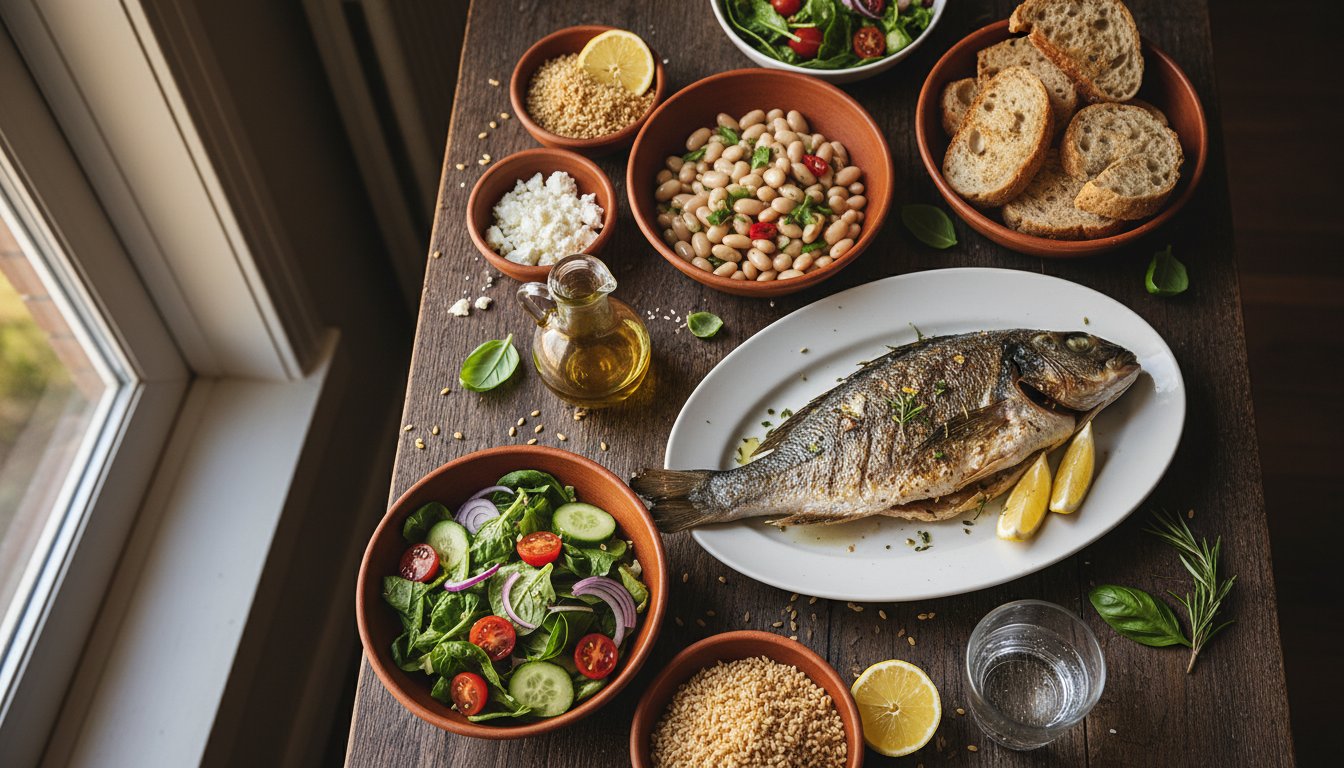
The most useful approach is a generally heart-healthy eating pattern, not a shopping list of supposed aphrodisiacs. Emphasize vegetables, fruits, beans, lentils, whole grains, nuts, seeds, fish, and other minimally processed foods. Unsaturated fats from olive oil, nuts, seeds, and fish can fit comfortably into that pattern.
These foods support overall cardiovascular and metabolic health. They also provide more fiber and nutrients than heavily processed alternatives. Tomatoes, berries, spinach, and salmon are not medications. The point is simpler: meals built around whole or minimally processed foods provide a stronger long-term foundation.
Try roasted vegetables with beans or fish, a whole grain, and a modest amount of olive oil for dinner. Breakfast could be plain yogurt with fruit and nuts, or eggs with vegetables and whole-grain toast. No exotic ingredient or branded supplement is required.
Does a Mediterranean-style Diet Help with ED?
A Mediterranean-style eating pattern gets attention because it emphasizes vegetables, fruit, legumes, whole grains, fish, nuts, and olive oil while limiting heavily processed foods. It is a sensible pattern for men whose ED overlaps with cardiovascular or metabolic concerns.
What you replace matters. Swapping a processed, high-sodium meal for vegetables, beans, whole grains, and fish is more meaningful than adding one “healthy” food to an otherwise unchanged diet. A handful of nuts does not cancel out a daily routine of sugary drinks, fast food, and excess alcohol.
Focus on meals you can repeat, not dietary perfection. If the Mediterranean label feels too formal, keep the useful parts: more plants, more fiber-rich foods, healthier fats, and fewer heavily processed meals. A workable pattern beats a rigid plan abandoned after two weeks.
Can Losing Weight Improve Erectile Dysfunction?
For some men, yes. Excess weight can overlap with the metabolic and vascular conditions associated with ED, and weight loss may improve some of the factors that make erections difficult. It can also help men feel more physically capable and comfortable, which may affect sexual confidence.
Weight loss is not a universal ED treatment. ED can persist after weight loss if the cause is medication, nerve damage, low testosterone, a psychological factor, or another medical condition. Men without excess weight can have ED too.
The useful question is not whether weight loss fixes ED for everyone. It is whether weight is one modifiable contributor in your case. If it is, improving weight and metabolic health can be a meaningful part of the plan. That may involve changes in food, physical activity, sleep, medical evaluation, or a supervised weight-loss program.
What Foods Should You Limit If You Have ED?
Start with the foods and drinks that are easy to overconsume and difficult to fit into a health-supportive pattern. Common examples include sugary drinks, heavily processed snacks, frequent fast food, and meals high in sodium or unhealthy fats. One serving does not cause an erection problem. A routine built around these choices can become a problem.
Alcohol deserves special attention. Heavy alcohol use can interfere with sexual function and make erections less dependable. It can also affect judgment, sleep, mood, and relationships, all of which can feed into sexual problems.
Skip the all-or-nothing rules. Reduce the frequency of foods that dominate your diet and replace them with meals containing vegetables, beans, whole grains, fish, lean proteins, fruit, nuts, or seeds. Aim for a better default, not a spotless menu.
Can Sugar Cause Erectile Dysfunction?
Sugar is not an on-off switch for ED. The more important concern is the broader effect of a diet high in added sugars, especially when it contributes to weight gain or poorly controlled blood sugar.
Diabetes matters because high blood sugar can damage the blood vessels and nerves involved in erections. For someone with diabetes or prediabetes, improving blood sugar management matters more than chasing a food that supposedly boosts sexual performance.
Cut back on sugary drinks first. Liquid sugar is easy to consume quickly and often does little to create lasting fullness. Replacing sweetened drinks with water or another unsweetened option can reduce the sugar in your diet without requiring a complicated meal plan.
Key Takeaway: Diet-related erectile dysfunction often develops gradually, so gradual improvements in eating habits can help too.
Does Alcohol Make Erectile Dysfunction Worse?
It can. Alcohol may make it harder to get or maintain an erection, particularly when consumption is heavy. Some men notice the effect immediately. For others, alcohol becomes part of a longer pattern involving poor sleep, low mood, relationship tension, and declining general health.
Alcohol can also hide the cause of ED. If erections are unreliable only after drinking, the connection is relatively clear. If drinking is frequent, the effect may look like a permanent decline rather than a situational problem.
Try reducing or stopping alcohol for a period and note whether erectile function changes. If ED continues, do not assume the experiment failed. Alcohol may be one contributor, not the only one.
How Quickly Can Diet Changes Affect Erectile Function?
There is no reliable countdown. The timeline depends on what drives the ED and how much dietary change affects the relevant health factors. A man whose symptoms are closely tied to heavy alcohol use may see a different pattern from a man with longstanding diabetes, medication-related ED, or vascular disease.
Diet is a long-term intervention. Blood pressure, blood sugar, cholesterol, body weight, and cardiovascular health do not change meaningfully after one healthy lunch. They respond to repeated choices and appropriate medical care.
That is why consistency matters more than intensity. Replacing sugary drinks, adding vegetables to lunch and dinner, or cooking at home more often may be easier to maintain than an extreme plan with no place in ordinary life.
Should You See a Doctor About ED If You Are Changing Your Diet?
Yes, if the problem is persistent, recurrent, or distressing. Improving your diet and seeking medical evaluation are not competing choices. You can do both.
A clinician may review your symptoms, medications, health history, blood pressure, blood sugar, cholesterol, hormone-related symptoms, and psychological or relationship factors. The workup depends on the situation. The goal is to avoid treating an important signal as a minor inconvenience.
Seek prompt medical attention for an erection that is painful or will not go away. Also mention ED if it appears with chest pain, shortness of breath, or other concerning symptoms. Sexual function is tied to general health, and a new change can warrant a wider look.
Are Supplements and “ED Foods” Worth Trying?
Be skeptical of any food, powder, capsule, or drink advertised as a guaranteed erection enhancer. The supplement market is full of confident promises. Confidence is not proof of a reliable treatment.
A healthy food can support a better eating pattern without being an ED medication. Garlic, watermelon, dark chocolate, pomegranate, and other foods are often promoted online, but no single item should carry the weight of a medical plan. Eating more whole foods is reasonable. Expecting one ingredient to solve persistent ED is not.
Supplements bring a separate safety concern. Products marketed for sexual performance may not have the quality control or predictable contents people assume. Tell a clinician what you take, especially if you use medication for blood pressure, heart disease, or another condition.
Can a GLP-1 Weight-loss Program Help with ED?
A GLP-1 weight-loss program is not an ED treatment. It may be relevant when excess weight is part of a person’s broader health picture, but any effect on sexual function would be indirect and depend on the individual’s underlying causes.
Weight-focused care should begin with a medical assessment, not the assumption that every symptom comes from weight. A provider should consider health history, current medications, goals, and whether a GLP-1 medication is appropriate. The same standard applies whether the concern is weight, sexual function, or both.
TrimRx’s only program is physician-supervised GLP-1 weight loss. It does not diagnose or treat erectile dysfunction. It may be relevant for people whose ED concerns exist alongside excess weight, but persistent ED still warrants discussion with a qualified clinician.
The Path Forward
Track your erections, alcohol intake, medications, and eating pattern for two weeks. If ED continues, bring that record to a clinician. It turns a vague complaint into a pattern that can be evaluated.
It also gives you a clear starting point with diet: fewer heavily processed meals and sugary drinks, more vegetables, beans, whole grains, fish, nuts, seeds, and water.
TrimRx publishes this guide and treats weight with GLP-1 medication, not erectile dysfunction; if weight-focused care is relevant to you, start with TrimRx’s free assessment quiz.
Bottom line: Persistent erectile dysfunction deserves medical attention. It can be an early sign of broader vascular or metabolic problems, not merely a bedroom issue.
FAQ
What Is the Best Diet for Erectile Dysfunction?
A heart-healthy pattern built around vegetables, fruit, beans, lentils, whole grains, nuts, seeds, fish, and healthier unsaturated fats is a sensible choice. A Mediterranean-style pattern fits that description. No single food reliably cures ED. The overall pattern matters more than a supposed superfood.
Can Changing Your Diet Reverse ED?
It may improve erectile function when diet-related factors such as excess weight, poor blood sugar control, high blood pressure, or broader vascular health are involved. It will not reverse every cause of ED. Persistent symptoms still deserve medical evaluation.
Are Eggs Bad for Erectile Dysfunction?
Eggs do not need to be treated as either a special ED food or a forbidden food. Their place in your diet depends on your overall eating pattern and individual health needs. Focus less on one ingredient and more on whether most meals include minimally processed foods and plenty of plant-based foods.
Does Sugar Make Erectile Dysfunction Worse?
A high intake of added sugar can contribute to weight gain and poor blood sugar control. Diabetes, along with blood vessel or nerve damage related to high blood sugar, can contribute to ED. Reducing sugary drinks and heavily sweetened foods is a reasonable step, but it is not a substitute for diabetes care.
Is Alcohol Bad for Erections?
Heavy alcohol use can make it harder to get or maintain an erection. It can also worsen sleep, mood, and other factors that affect sexual function. Reducing alcohol may help clarify whether it is contributing to your symptoms.
How Long Does It Take for Diet to Improve ED?
There is no fixed timeline. The answer depends on the cause of ED, your starting health, and how consistently your eating pattern changes. Diet is generally a long-term strategy, not an overnight fix. If symptoms persist, seek medical care rather than waiting indefinitely.
Can Losing Weight Improve Erections?
It can for some men, particularly when excess weight overlaps with metabolic or vascular problems. Weight loss does not treat every cause of ED, and men without excess weight may have other reasons for their symptoms. Consider weight one possible contributor, not the whole diagnosis.
Should I Take Supplements for Erectile Dysfunction?
Do not assume a supplement is safe or effective because it is labeled natural or marketed for sexual performance. No single supplement replaces an evaluation of persistent ED. Discuss any supplement with a clinician, especially if you take prescription medication.
Disclaimer: This content is for informational purposes only and does not constitute medical advice. It is not intended to diagnose, treat, cure, or prevent any disease or condition. Individual results may vary. Always consult a qualified healthcare professional before starting any treatment or medication.

Transforming Lives, One Step at a Time
Keep reading

Does Rapid Weight Loss on Tirzepatide Affect Bone Density?
Bone density does fall during weight loss, and that is established regardless of how the weight comes off. What is less settled is whether…

Does Wellbutrin Cause Hair Loss? What to Expect
Does Wellbutrin cause hair loss? It’s a question that may come up when you notice increased shedding or changes in your hair after starting…

Is Wellbutrin an SSRI? What You Need to Know
If you’re wondering, “Is Wellbutrin an SSRI?” you’re not alone. Wellbutrin (bupropion) is an antidepressant, but it works differently from common SSRIs by primarily…


