Does Zepbound Help With Perimenopause Weight Gain?
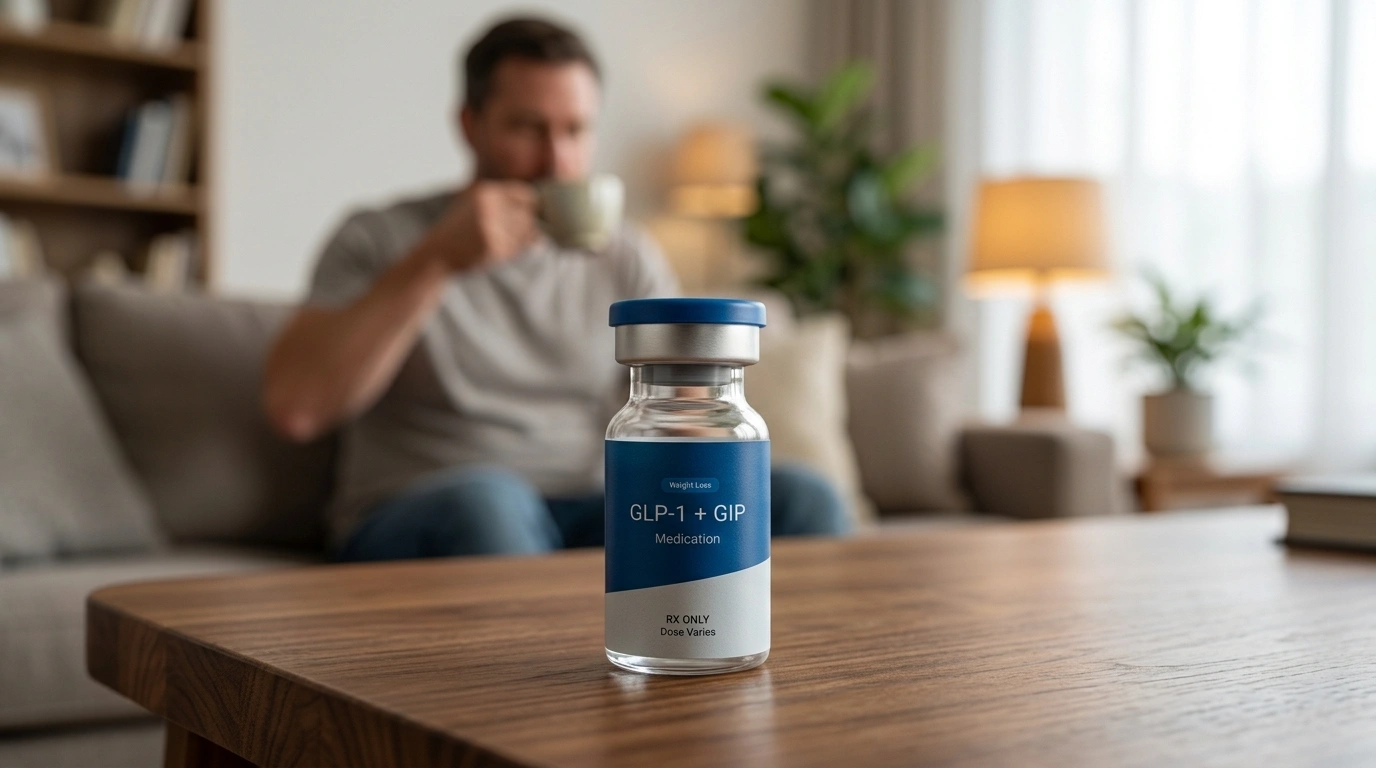
Table of Contents
- Introduction
- The Biological Reality of Perimenopause Weight Gain
- What is Zepbound and How Does it Work?
- Does Zepbound Help With Perimenopause Weight Loss?
- Can Zepbound Improve Other Perimenopause Symptoms?
- Comparing Tirzepatide to Semaglutide for Perimenopause
- Is Zepbound Safe During the Menopausal Transition?
- The Importance of a Personalized Program
- Maximizing Results: Nutrition and Muscle Mass
- Branded Medications vs. Compounded Options
- Addressing the Frustration of “Traditional” Weight Loss
- The Role of Telehealth in Modern Weight Management
- Conclusion
- FAQ
Introduction
Many women reaching their 40s and 50s notice a frustrating shift in how their bodies respond to diet and exercise. Even with no changes to a daily routine, the “midlife spread” can feel unavoidable as hormonal fluctuations take hold. This period, known as perimenopause, often brings about significant metabolic changes that make traditional weight loss methods feel less effective than they once were. As new medical advancements emerge, many are asking: does Zepbound help with perimenopause weight issues?
At TrimRx, we understand that weight management during the menopausal transition is about more than just aesthetics; it is about metabolic health and quality of life. This article explores how Zepbound® (tirzepatide) functions, its impact on the weight gain associated with hormonal shifts, and how modern telehealth programs provide a personalized path forward. While Zepbound is not a hormone replacement therapy, its ability to address insulin resistance and appetite makes it a significant tool for those navigating the complexities of perimenopause. If you want to see whether a personalized program may be a fit, you can complete the free assessment quiz.
The Biological Reality of Perimenopause Weight Gain
Perimenopause is the transitional phase leading up to menopause, characterized by the gradual decline of estrogen and progesterone. This hormonal shift is not just about reproductive health; it has a profound impact on how the body stores fat and processes energy. During this time, many women experience a shift in fat distribution, moving from “pear-shaped” storage in the hips and thighs to “apple-shaped” storage in the abdominal area.
This increase in visceral fat is often driven by a decline in insulin sensitivity. Estrogen plays a protective role in metabolic health, helping the body use insulin efficiently. As estrogen levels drop, the body may become more resistant to insulin, leading to higher blood sugar levels and increased fat storage, particularly around the midsection. Furthermore, the loss of muscle mass that naturally occurs with age—sarcopenia—slows the resting metabolic rate, making it easier to gain weight and harder to lose it.
Key Takeaway: Perimenopause weight gain is primarily driven by hormonal shifts that trigger insulin resistance and a redistribution of body fat toward the abdomen.
For a deeper look at how GLP-1 support works in a weight-loss plan, see TrimRx’s guide to GLP-1 support.
What is Zepbound and How Does it Work?
Zepbound® is an FDA-approved prescription medication specifically indicated for chronic weight management. The active ingredient in Zepbound is tirzepatide, a medication known as a dual agonist. It is unique because it mimics two different natural hormones in the body: glucagon-like peptide-1 (GLP-1) and glucose-dependent insulinotropic polypeptide (GIP).
GLP-1 receptors are located in the gut and the brain. When activated, GLP-1 slows down gastric emptying, meaning food stays in the stomach longer, leading to a prolonged feeling of fullness. In the brain, it signals the satiety centers to reduce appetite and cravings. GIP receptors also influence how the body breaks down sugar and fat. By mimicking both hormones, tirzepatide provides a “dual-action” approach that has shown significant efficacy in clinical settings for reducing body weight.
It is important to note that while Zepbound is a branded medication, the active ingredient, tirzepatide, can also be accessed through other channels. At TrimRx, we connect individuals with licensed providers who can prescribe compounded tirzepatide. These medications are prepared by FDA-registered, inspected compounding pharmacies and offer the same active ingredient found in the branded version, tailored to the patient’s specific needs.
If you are considering prescription treatment, the next step is to take the free assessment quiz.
Does Zepbound Help With Perimenopause Weight Loss?
Research and clinical observations suggest that Zepbound can be highly effective for managing weight during perimenopause. While the medication was not designed specifically for menopause, its primary mechanisms—improving insulin sensitivity and regulating appetite—directly address the metabolic hurdles women face during this transition.
Improving insulin sensitivity is a cornerstone of managing perimenopausal weight. Because tirzepatide helps the body process glucose more effectively, it can counteract the insulin resistance that often develops as estrogen declines. When the body uses insulin more efficiently, it is less likely to store excess calories as visceral fat. This makes the medication particularly useful for the “hormonal belly” that many women struggle with during their 40s and 50s.
Appetite regulation helps manage “hormonal hunger.” Fluctuating hormones can lead to increased cravings for sugar and refined carbohydrates. By slowing digestion and signaling fullness to the brain, tirzepatide helps individuals adhere to a calorie-controlled diet without the intense feelings of deprivation that often lead to diet failure.
Bottom line: Zepbound addresses the underlying insulin resistance and appetite fluctuations that make perimenopausal weight gain so difficult to manage with lifestyle changes alone.
For women comparing options, this is also a good time to review how semaglutide can support weight loss alongside tirzepatide.
Can Zepbound Improve Other Perimenopause Symptoms?
While Zepbound is not a treatment for vasomotor symptoms like hot flashes or night sweats, weight loss itself can have a positive secondary effect on the perimenopause experience. Many women find that reducing their total body weight leads to an overall improvement in their well-being.
- Joint Pain: Weight loss reduces the physical stress on joints, which can be particularly beneficial since perimenopause is often associated with increased systemic inflammation and joint discomfort.
- Sleep Quality: Carrying excess weight, especially around the neck and midsection, can contribute to sleep apnea or disrupted sleep. Improving metabolic health may lead to more restorative rest.
- Mobility and Energy: As the body becomes more efficient at processing energy and the physical burden of excess weight is lifted, many women report an increase in daily energy levels.
- Cardiovascular Health: Perimenopause increases the risk of heart disease. By improving blood pressure, cholesterol levels, and blood sugar, medications like tirzepatide support long-term heart health.
If your main concern is energy during the weight-loss process, the Weight Loss Boost supplement may be a relevant support option.
Note: If you are experiencing severe hot flashes, mood swings, or vaginal dryness, Zepbound will not address these directly. You should consult a healthcare provider about hormone replacement therapy (HRT) or other menopause-specific treatments in conjunction with weight management.
Comparing Tirzepatide to Semaglutide for Perimenopause
When looking for medical support for weight loss, the two most common options are tirzepatide (the active ingredient in Zepbound® and Mounjaro®) and semaglutide (the active ingredient in Wegovy® and Ozempic®). Both are GLP-1 receptor agonists, but they differ in their chemical structure and intensity.
| Feature | Semaglutide | Tirzepatide |
|---|---|---|
| Mechanism | Single Agonist (GLP-1) | Dual Agonist (GLP-1 + GIP) |
| Primary Effect | Appetite suppression & slow digestion | Enhanced appetite suppression & metabolic support |
| Common Branded Names | Wegovy®, Ozempic® | Zepbound®, Mounjaro® |
| Clinical Weight Loss | Significant (up to 15% in studies) | Highly Significant (up to 20%+ in studies) |
| Administration | Weekly subcutaneous injection | Weekly subcutaneous injection |
For a closer look at the broader medication class, you can read what GLP-1 therapy is and how it works.
For women in perimenopause, the dual action of tirzepatide may offer a slight edge due to the additional GIP component, which is thought to play a more significant role in how fat cells interact with insulin. However, both medications have been shown to be effective tools for sustainable weight management.
Is Zepbound Safe During the Menopausal Transition?
For most women, Zepbound is considered safe when used under medical supervision. However, because perimenopause is a time of shifting health risks, a thorough medical assessment is necessary. A healthcare provider will typically review your BMI, cardiovascular health, and family history before recommending the medication.
Common side effects associated with tirzepatide include nausea, diarrhea, vomiting, and constipation. These are usually mild to moderate and tend to decrease as the body adjusts to the medication. For women in perimenopause who may already be dealing with digestive changes or bloating, these side effects are important to monitor.
Potential contraindications include:
- A personal or family history of medullary thyroid carcinoma (MTC)
- Multiple Endocrine Neoplasia syndrome type 2 (MEN 2)
- Severe gastrointestinal disease
- History of pancreatitis
Important: Always disclose your full medical history, including any hormone therapies or supplements you are currently taking, to your healthcare provider during your consultation.
If you are ready to move from research to action, complete the free assessment quiz to see whether a personalized program may be appropriate.
The Importance of a Personalized Program
Weight loss in midlife is rarely a “one size fits all” situation. The hormonal landscape is too complex for a generic approach. This is why a personalized program is essential for success. A program that combines medication with a deep understanding of your health profile ensures that you are not just losing weight, but improving your overall metabolic health.
Our approach at TrimRx focuses on this personalization. We do not simply provide access to medication; we connect you with providers who understand the nuances of weight loss in the context of aging and hormonal shifts. By utilizing telehealth, we remove the barriers of traditional doctor’s visits, allowing for consistent support and monitoring throughout your journey.
Step 1: Complete the Free Assessment
The first step is a digital health quiz that gathers information about your BMI, health history, and weight loss goals. This helps determine if you are a candidate for a GLP-1 or GIP/GLP-1 medication.
Step 2: Provider Consultation
A licensed provider reviews your information. They will evaluate whether tirzepatide or another medication is the right fit for your body’s specific needs during perimenopause.
Step 3: Ongoing Support
Once a treatment plan is established, medication is shipped directly to your door from a licensed pharmacy. You have 24/7 access to specialized support to help manage side effects and adjust your program as needed.
To better understand the prescription path, you can also read how to get tirzepatide for weight loss.
Maximizing Results: Nutrition and Muscle Mass
Medication is a powerful tool, but for women in perimenopause, it must be paired with specific lifestyle strategies to ensure the weight lost is fat, not muscle. Muscle mass naturally declines during this stage of life, and rapid weight loss can accelerate that process if you are not careful.
Prioritize protein intake. To protect your metabolism, it is vital to consume adequate protein. This supports muscle maintenance and helps keep you feeling satisfied. Aiming for protein at every meal is a simple but effective strategy.
Incorporate resistance training. Lifting weights or using resistance bands signals to your body that it needs to keep its muscle tissue, even while you are in a calorie deficit. This keeps your metabolism high and helps prevent the “rebound” weight gain that can occur if muscle mass is lost.
Hydration and Micronutrients. GLP-1 medications can sometimes make it easy to forget to drink water. Staying hydrated is essential for digestion and energy. Additionally, specific supplements can support your journey. Our GLP-1 Daily Support is designed to provide the necessary nutrients that might be lacking when your appetite is significantly reduced.
For more practical strategies, see how TrimRx approaches sustainable weight loss.
Myth: “I will gain all the weight back the moment I stop the medication.” Fact: While some weight regain is common after stopping any weight loss intervention, many individuals successfully maintain their results by using the medication as a “reset” to establish sustainable nutrition and exercise habits.
Branded Medications vs. Compounded Options
When navigating the world of weight loss medications, you will encounter both branded options like Zepbound® and compounded alternatives. It is important to understand the distinction between them so you can make an informed choice for your health.
Branded medications are manufactured by specific pharmaceutical companies and have gone through the standard FDA approval process for that specific brand name. These are often what people first hear about in the news. However, branded medications can sometimes face supply shortages or insurance hurdles.
Compounded medications are prepared by licensed pharmacists in FDA-registered and inspected facilities. They use the same active pharmaceutical ingredients (APIs)—in this case, tirzepatide—to create a medication tailored to a patient’s needs. Compounding is a common practice when a branded drug is on a national shortage list or when a patient requires a specific dosage not available in the commercial version.
Note: Compounded tirzepatide is not “FDA-approved” in the same way the branded version is, but it is a legal and regulated way to access the active ingredient through licensed medical professionals.
If you want help deciding whether a GLP-1 pathway fits your goals, take the free assessment quiz.
Addressing the Frustration of “Traditional” Weight Loss
If you have spent the last few years feeling like your body has betrayed you, you are not alone. The perimenopausal transition can make you feel like the rules of health have changed overnight. You may find that the low-carb diet or the extra cardio sessions that worked in your 30s now yield zero results.
This is because the “calories in vs. calories out” equation is often disrupted by the metabolic shifts of midlife. When your body is resistant to insulin and your hormones are in flux, your biology is essentially working against your willpower. Medications like Zepbound help level the playing field. They address the biological drivers of weight gain, allowing your healthy choices to finally show results.
The Role of Telehealth in Modern Weight Management
The rise of telehealth has revolutionized how women can manage their health during perimenopause. Traditionally, getting a prescription for a weight loss medication required multiple in-person visits, potentially uncomfortable conversations in a waiting room, and a lack of specialized follow-up care.
Telehealth-first platforms offer a more discreet and comprehensive experience. You can consult with a provider from the comfort of your home, which is especially helpful for busy women balancing careers, family, and the symptoms of perimenopause. This model allows for more frequent touchpoints and easier access to specialists who understand the intersection of metabolic health and hormonal changes.
Conclusion
The transition through perimenopause is a significant life stage that requires a new approach to health and wellness. While the weight gain associated with this time can feel overwhelming, advancements in medical science have provided new tools to help women regain control of their metabolic health. Zepbound and its active ingredient, tirzepatide, offer a promising solution by addressing insulin resistance and appetite at a biological level.
At TrimRx, our mission is to provide an empathetic, science-backed path to sustainable weight loss. We believe that everyone deserves a personalized program that fits their unique health profile and lifestyle. By combining modern medication with clinical expertise and continuous support, we help you move through perimenopause with confidence and vitality.
Key Takeaway: Managing weight during perimenopause is not about a lack of willpower; it is about addressing hormonal shifts. Medications like tirzepatide provide the metabolic support needed to achieve lasting results.
If you are ready for a personalized next step, complete the free assessment quiz.
FAQ
Does Zepbound specifically target “menopause belly”?
While Zepbound does not specifically target one area of the body, it is highly effective at reducing visceral fat, which is the type of fat that accumulates around the abdomen during perimenopause. By improving insulin sensitivity, the medication helps the body stop storing excess energy in the midsection, leading to a more balanced fat distribution over time.
Can I take Zepbound while on Hormone Replacement Therapy (HRT)?
In many cases, Zepbound and HRT can be used together, as they address different aspects of the perimenopausal transition—one focusing on metabolic health and the other on hormone levels. However, it is essential to consult with a licensed healthcare provider to ensure there are no contraindications and that both treatments are optimized for your specific health profile.
How long does it take to see weight loss results on Zepbound?
Most people begin to see changes within the first few weeks of treatment as they titrate up to an effective dose. Clinical studies show that the most significant weight loss typically occurs over several months of consistent use alongside lifestyle changes. Your provider will monitor your progress to ensure you are losing weight at a healthy and sustainable pace.
Will Zepbound help with my perimenopause mood swings?
Zepbound is not a psychiatric or hormonal medication and does not directly treat mood swings or anxiety associated with perimenopause. However, many women find that their mood improves as a secondary result of having more energy, sleeping better, and feeling more confident in their bodies as they reach their weight loss goals.
For women who want broader education on tirzepatide, read TrimRx’s tirzepatide weight-loss guide.
Disclaimer: This content is for informational purposes only and does not constitute medical advice. It is not intended to diagnose, treat, cure, or prevent any disease or condition. Individual results may vary. Always consult a qualified healthcare professional before starting any weight loss program or medication.

Transforming Lives, One Step at a Time
Keep reading

Why Is There a Bruise Where I Injected My Zepbound?
A bruise means a small blood vessel was disturbed under the skin and blood spread into the surrounding tissue. It is one of the…

My Zepbound Pen Won’t Click Past a Certain Dose
Start by checking which device you are holding, because the answer depends entirely on that. Zepbound has commonly been supplied in the United States…

Zepbound Alternatives: Your Options Compared
If Zepbound isn’t the right fit, the main alternative is semaglutide (sold as Wegovy), which produces slightly less weight loss but works similarly, along…


