GHK-Cu Topical for Skin
Introduction
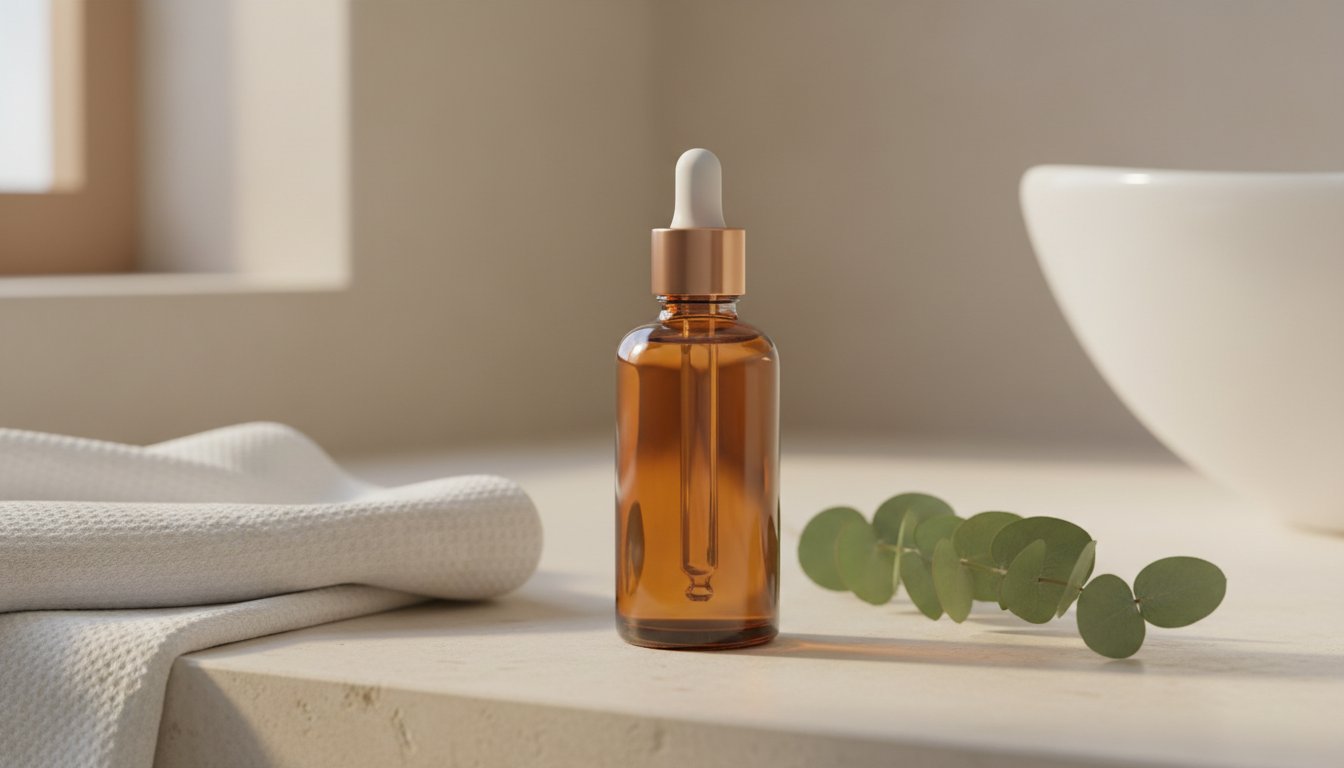
The bottle is small. The promise is not. GHK-Cu serums often arrive dressed in clinical language, sometimes with a faint blue tint and claims about firmer-looking skin. A few drops go onto the cheek, followed by the inevitable question: is that tingle doing anything, or is it simply irritation?
GHK-Cu has become a favorite of ingredient-driven skincare marketing. The name sounds technical. The copper connection adds a laboratory sheen. Online conversations place it beside retinoids, growth factors, and professional procedures, even though those are not interchangeable categories.
This guide separates the ingredient from the sales pitch. It covers what GHK-Cu is, why it appears in topical products, what it may reasonably do, how to use it, and where the evidence stops. TrimRx is a GLP-1 weight loss telehealth brand, not a skincare clinic, so that distinction stays clear.
At TrimRx, we believe understanding your options is the first step toward taking control of your health. If you want to see whether a personalized treatment plan is a fit for you, you can start with a quick online visit.
What Is GHK-Cu?
GHK-Cu is a peptide associated with copper. In topical skincare, it is used in products marketed to support the appearance and feel of aging or stressed skin.
Quick Answer: GHK-Cu is a copper-binding peptide found in some topical skincare products, usually marketed for skin aging and repair.
A peptide is a short chain of amino acids. That tells you what the ingredient is, not what it will do in a bottle on your bathroom shelf. Cosmetic peptides serve different purposes, and their effects depend on the exact molecule, concentration, formula, packaging, and consistency of use.
The “Cu” refers to copper. A GHK-Cu serum is not the same as a copper supplement, and applying one will not correct a nutritional deficiency. It is a topical cosmetic product intended for the skin’s surface.
That distinction matters. Skincare marketing often turns an ingredient name into a sweeping promise. GHK-Cu is not automatically a prescription treatment, medical procedure, or proven answer to every visible sign of aging.
Why Is GHK-Cu Used in Skincare?
GHK-Cu is used because it has been studied in connection with processes involved in skin structure and repair. Cosmetic companies commonly market it for skin that looks less firm, less smooth, or more weathered.
That gives it a plausible role in an anti-aging routine. It does not guarantee that every product containing it will work. A promising ingredient can still end up in an unstable, irritating, poorly packaged, or inconsistently used formula.
Its convenience is part of the appeal. GHK-Cu usually appears in serums, creams, or other leave-on products, so using it does not require an office visit. The catch is familiar: easy products can encourage people to collect bottles instead of using a small routine consistently.
Treat GHK-Cu as optional support. It may fit into a carefully built regimen, but it should not carry the whole routine. Daily sun protection and a tolerable skincare routine matter more than chasing the newest peptide.
What Does the Evidence Actually Tell Us?
The evidence around topical GHK-Cu is neither empty nor definitive. Research has examined copper peptides in relation to skin repair and appearance. That makes GHK-Cu worth studying. It does not prove that every over-the-counter serum produces a visible, clinically meaningful result.
Formulation is the first complication. Research on an ingredient does not automatically apply to every cosmetic product containing it. The vehicle, stability, dose, contact time, and storage conditions can affect what reaches the skin and how the formula performs.
Comparison is another problem. Someone may start GHK-Cu while also using sunscreen more consistently, sleeping better, adding moisturizer, or stopping a harsh exfoliant. If the skin improves, separating the effects can be nearly impossible.
Then there is the language. “Supports collagen,” “repairs skin,” and “reverses aging” are not equivalent claims. They imply different levels of certainty, yet product pages often run them together.
The practical answer is simple: GHK-Cu is a cosmetic peptide with a reasonable scientific rationale, but expectations should remain measured. Let tolerability, consistency, and visible usefulness determine whether a product stays in your routine. An impressive ingredient story is not enough.
Can Topical GHK-Cu Reduce Wrinkles?
It may help skin look smoother or more supported over time. It will not reliably erase wrinkles.
Wrinkles reflect several factors, including age, sun exposure, facial movement, dryness, genetics, and changes in the skin’s underlying structure. One serum cannot address all of them.
Fine lines caused partly by dehydration may look less noticeable when the skin barrier is moisturized. That can make an anti-aging routine appear more dramatic than the active ingredient alone deserves. A smoother surface is valuable, but it is not the same as rebuilding deeper tissue.
Effective anti-aging care begins with sun protection. Ultraviolet exposure is a major driver of visible skin aging, so skipping sunscreen while focusing on a peptide gets the priorities backwards. Gentle cleansing and regular moisturizing also help keep the routine comfortable enough to use.
GHK-Cu can sit alongside those basics. It cannot replace them. If you want a substantial change in etched lines, laxity, or pigment, a dermatologist can discuss options that are better studied or more powerful than a cosmetic peptide.
How Should You Use a GHK-Cu Topical?
Follow the product directions, particularly when the formula is new to you. Unless the label says otherwise, apply a small amount to clean, dry skin. More is not automatically better. It may only create more waste or irritation.
Add one new product at a time. It is not exciting advice, but it gives you a chance to see what your skin actually tolerates. Add a GHK-Cu serum, a new retinoid, an exfoliating acid, and a fragranced moisturizer in the same week, and any reaction becomes a guessing game.
Patch testing is a sensible step for a leave-on product. Use a small amount on a limited area according to the product’s instructions and watch for irritation before applying it broadly. Stop if you develop significant burning, swelling, a spreading rash, or another concerning reaction.
Store the bottle as directed. Peptide products can be sensitive to formulation and handling, and a warm, sunny windowsill is a poor default location for most skincare. Note changes in smell, color, or texture, and follow the manufacturer’s use-by guidance.
Morning or evening use depends on the formula’s directions and the rest of your routine. The clock matters less than tolerability and consistency.
Can GHK-Cu Be Combined with Other Skincare Ingredients?
GHK-Cu can fit into a routine with cleanser, moisturizer, and sunscreen. Those products do different jobs, and they generally matter more to the routine as a whole than one peptide does.
The harder question involves other active ingredients. Retinoids, exfoliating acids, benzoyl peroxide, and strong vitamin C products can irritate some people. Combining several at once raises the risk and makes it harder to identify the culprit.
Online discussions also offer firm rules about using copper peptides with specific actives. Formulas differ, and internet certainty often outruns the evidence. Follow the manufacturer’s layering instructions. If your skin is reactive or you use prescription treatment, ask a pharmacist or dermatologist instead of assembling a routine from social media warnings.
Simple usually wins. Start GHK-Cu within a gentle routine on its own. Once you know your skin is comfortable, decide whether adding other actives brings enough value to justify the extra complexity.
Key Takeaway: Research around GHK-Cu is interesting but does not justify treating every serum claim as proven.
What Side Effects Can Topical GHK-Cu Cause?
Any leave-on skincare product can irritate the skin. Possible reactions include redness, itching, dryness, stinging, or a rash. The culprit may be the peptide, or it may be a preservative, fragrance, solvent, or another ingredient in the formula.
A brief, mild sensation does not prove that a product is working. Burning, persistent redness, swelling, or worsening discomfort means it is time to stop and reassess. Calling a reaction “purging” and pushing through it can turn a manageable irritation into a longer problem.
Topical products can also cause allergic contact dermatitis. It may appear after repeated use rather than after the first application. If the same product repeatedly causes an itchy or inflamed rash, stop putting it on your face.
People with eczema, rosacea, a damaged skin barrier, or an active rash may need a simpler routine until the skin settles. GHK-Cu is not a treatment for an undiagnosed skin condition. Persistent acne, scaling, sores, pigment changes, or a new lesion calls for clinical assessment, not another serum.
How Can You Choose a GHK-Cu Product?
Start with the ingredient list and the formula’s basics. Look for clear labeling, sensible directions, intact packaging, and a company that explains storage. A dramatic front-label promise tells you less than a transparent ingredient list.
The most expensive product is not necessarily the best. Price may reflect packaging, branding, distribution, or the rest of the formula. It does not prove that the GHK-Cu is more stable or that the product will deliver a better result.
Do not use blue color as a quality test. Serum appearance can vary for many reasons, and color alone cannot confirm identity, strength, freshness, or stability.
Be skeptical of products promising to rebuild the entire face, erase deep wrinkles, or produce procedure-like results from a few drops. Cosmetic skincare can be useful without being miraculous. The better products often make modest promises and provide enough information for safe use.
If you are buying from an unfamiliar source, check whether the seller provides basic product information and a way to contact the company. Sourcing and handling matter when the product is going on your skin.
Who Should Be Cautious with GHK-Cu?
Anyone with a history of skincare reactions should introduce GHK-Cu slowly and patch test it. People with an active flare of eczema, rosacea, dermatitis, or another skin problem should deal with that issue before adding an optional anti-aging ingredient.
If you are pregnant, breastfeeding, taking prescription medication for a skin condition, or recovering from a procedure, ask your clinician whether a new topical is appropriate. The answer depends on the exact formula and your medical history.
A dermatologist is also the right person to consult when the concern may not be ordinary skin aging. A changing mole, persistent sore, unexplained rash, sudden pigment change, or ongoing facial redness needs more than cosmetic advice.
The same logic applies when a product disappoints. If consistent use produces no meaningful benefit, do not keep increasing the amount or piling on more actives. Reconsider the goal. You may need a better-supported treatment, a different diagnosis, or a simpler routine that you can follow reliably.
Is GHK-Cu Worth Adding to an Anti-aging Routine?
It may be worth trying if you want an optional peptide product, your skin is stable, and your expectations are realistic. The case for it is strongest when it complements a routine you already tolerate.
It is not a shortcut. If you are not wearing sunscreen, moisturizing when needed, or managing irritation, GHK-Cu is not the missing piece. A peptide cannot rescue a routine that repeatedly damages the skin barrier or ignores sun exposure.
Give a new product enough time for a fair assessment, but do not confuse patience with loyalty. Stop if it irritates you. Move on if consistent use produces nothing meaningful. Skincare is not a test of how many active ingredients your face can endure.
The best anti-aging routine is usually the one you can follow without drama. GHK-Cu may belong in that routine. It does not need to be the center of it.
The Path Forward
GHK-Cu topical products are optional cosmetic peptide products, not guaranteed wrinkle erasers or substitutes for medical skincare. Choose a clearly labeled formula, introduce it cautiously, protect your skin from the sun, and judge it by your skin’s response rather than by the sophistication of its marketing.
TrimRx publishes practical health education, but its only program is physician-supervised GLP-1 weight loss. We do not sell GHK-Cu or claim to treat skin conditions. When weight and metabolic health are the concern, TrimRx’s free assessment quiz is the natural place to see whether its program may fit.
Bottom line: TrimRx publishes educational skin content, but its only program is physician-supervised GLP-1 weight loss, not topical skincare.
FAQ
What Is GHK-Cu in Skincare?
GHK-Cu is a copper-binding peptide used in some topical cosmetic products. It is generally marketed for skin that looks older, less smooth, or less firm. It is not the same as taking a copper supplement.
Does GHK-Cu Remove Wrinkles?
No topical should be expected to remove every wrinkle. GHK-Cu may support a smoother-looking appearance for some users, but results depend on the product, formula, individual skin, and consistency of use. Deep wrinkles and laxity may require options beyond cosmetic skincare.
Is GHK-Cu a Retinoid?
No. GHK-Cu is a copper-associated peptide. Retinoids are vitamin A-related compounds. They are different types of ingredients and are not interchangeable anti-aging treatments.
Can GHK-Cu Irritate the Skin?
Yes. Redness, itching, dryness, stinging, or a rash can occur with any leave-on skincare product. The reaction may come from GHK-Cu or another ingredient in the formula. Stop using the product if irritation is persistent or significant.
Should You Patch Test GHK-Cu?
Patch testing is a sensible precaution, particularly if you have sensitive skin or a history of reactions. Introduce one new product at a time so you can identify the cause if irritation develops.
Can You Use GHK-Cu with Other Active Ingredients?
It may fit alongside other skincare products, but combining several active ingredients can increase irritation and complicate troubleshooting. Start with a simple routine and follow the product’s directions. Ask a dermatologist or pharmacist about a specific combination if you use prescription skin treatments.
Is GHK-Cu Better Than Sunscreen?
No. Sunscreen addresses ultraviolet exposure, one of the major drivers of visible skin aging. GHK-Cu may be an optional addition, but it should not replace daily sun protection.
Does TrimRx Sell GHK-Cu Skincare?
No. TrimRx’s only program is physician-supervised GLP-1 weight loss telehealth. TrimRx publishes this article for education and does not claim to treat skin conditions with its weight loss program.
Disclaimer: This content is for informational purposes only and does not constitute medical advice. It is not intended to diagnose, treat, cure, or prevent any disease or condition. Individual results may vary. Always consult a qualified healthcare professional before starting any treatment or medication.

Transforming Lives, One Step at a Time
Keep reading

Does Rapid Weight Loss on Tirzepatide Affect Bone Density?
Bone density does fall during weight loss, and that is established regardless of how the weight comes off. What is less settled is whether…
Does Wellbutrin Cause Hair Loss? What to Expect
Does Wellbutrin cause hair loss? It’s a question that may come up when you notice increased shedding or changes in your hair after starting…

Is Wellbutrin an SSRI? What You Need to Know
If you’re wondering, “Is Wellbutrin an SSRI?” you’re not alone. Wellbutrin (bupropion) is an antidepressant, but it works differently from common SSRIs by primarily…


