How Long Does Tirzepatide Last in the Fridge?
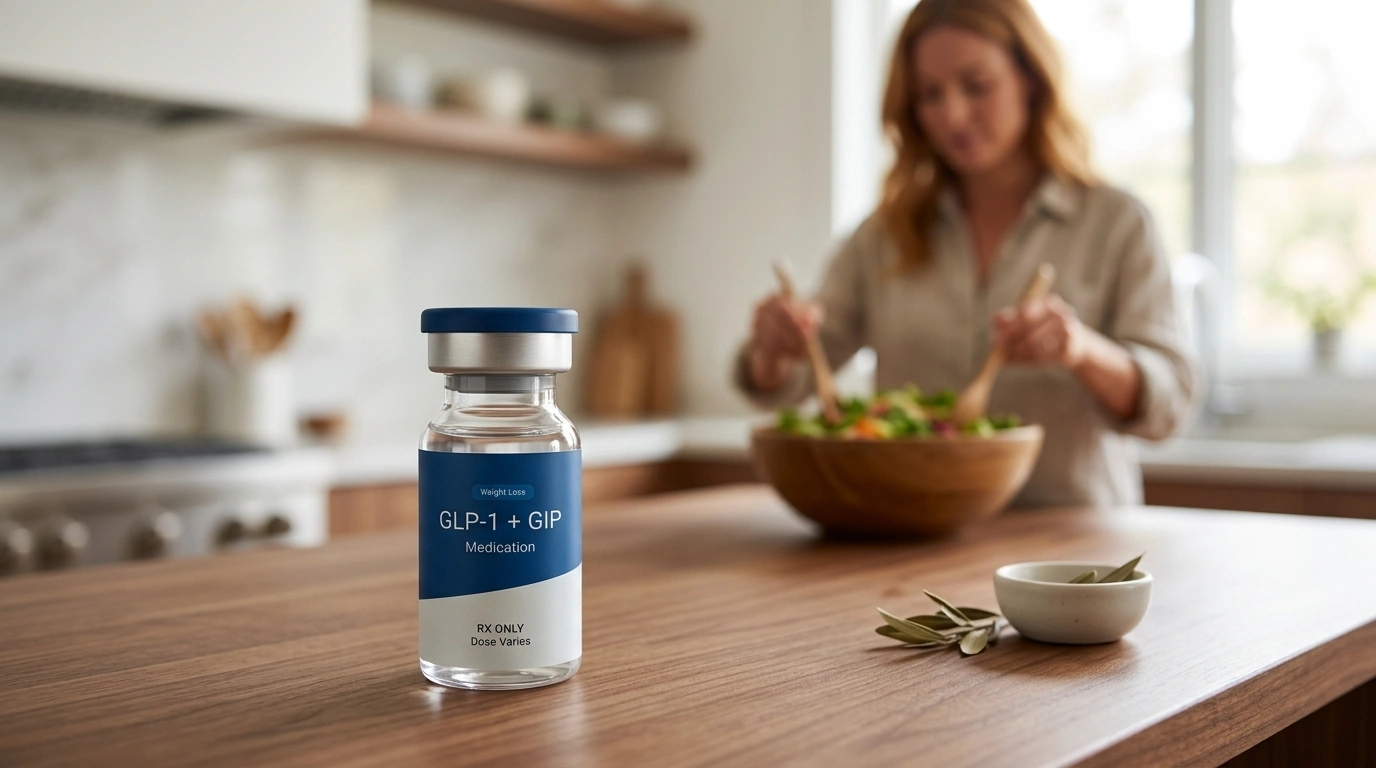
Introduction
Managing a weekly medication routine takes significant focus and commitment, especially when that medication is a delicate peptide like tirzepatide. Many individuals starting their weight loss journey worry about whether their medication is still effective after a long trip home from the pharmacy or a brief power outage. At TrimRx, we believe that understanding the science of your treatment is just as important as the treatment itself. This guide explores how long tirzepatide remains stable in various environments, the critical differences between branded and compounded storage, and how to protect your investment in your metabolic health. Properly storing your medication is essential for maintaining its potency and ensuring your path to sustainable weight management stays on track. Understanding these storage requirements is the first step toward a successful, medically supervised program. If you want to see whether prescription treatment is a fit, you can take the free assessment quiz.
Quick Answer: Tirzepatide typically lasts in the fridge until the expiration date printed on the packaging, which can be up to two years for branded pens if kept between 36°F and 46°F. Once removed from the refrigerator, branded versions like Mounjaro® or Zepbound® can stay at room temperature for up to 21 days, while compounded versions often have different limits based on their specific pharmacy formulation.
The Importance of Proper Storage for Peptides
Tirzepatide is a sophisticated medication known as a dual agonist. It works by mimicking two natural hormones in the body: glucagon-like peptide-1 (GLP-1) and glucose-dependent insulinotropic polypeptide (GIP). These hormones help the body regulate blood sugar levels and signal to the brain that you are full. Because tirzepatide is a peptide—a short chain of amino acids—it is structurally delicate. For a broader overview of how storage affects this medication class, see how tirzepatide storage and handling works.
Proteins and peptides are highly sensitive to their environment. When they are exposed to extreme temperatures or bright light, the molecular bonds can begin to break down. This process is called degradation. If the tirzepatide molecules break down, the medication may lose its ability to bind to the receptors in your body. This doesn’t necessarily make the medication toxic, but it does make it less effective, which can stall your progress.
For many people using the TrimRx platform, maintaining the “cold chain”—the continuous refrigerated supply chain—is a top priority. Keeping the medication within the recommended temperature range ensures that every dose delivered is as potent as the first.
Refrigeration Guidelines for Branded Tirzepatide
If you are using branded versions of the medication, such as Mounjaro® or Zepbound®, the manufacturer provides very specific guidelines. These products are typically packaged in single-dose pens. The design of these pens helps protect the liquid inside, but they still require careful handling.
Ideal Temperature Range
Branded tirzepatide should be stored in a refrigerator between 36°F and 46°F (2°C to 8°C). This temperature range slows down the natural breakdown of the peptide, allowing it to remain stable for a long period. Most pharmacies recommend keeping the medication in its original carton. This is not just for organization; the carton protects the pens from light, which can also cause the medication to degrade.
The 21-Day Room Temperature Rule
Manufacturers understand that life happens. Sometimes you might be traveling, or you might accidentally leave a pen on the counter. Branded tirzepatide pens can be stored at room temperature—up to 86°F (30°C)—for a maximum of 21 days.
If a pen has been out of the fridge for longer than 21 days, it should be discarded. It is also important to note that once a pen has reached room temperature, you should not put it back in the refrigerator to try and “reset” the clock. The 21-day window is a cumulative limit for stability at higher temperatures.
Tracking Expiration Dates
Every box and every individual pen will have an expiration date printed on it. This date is valid only if the medication has been stored properly in the refrigerator. If you keep your pens in the fridge and never let them warm up, they are generally safe and effective until that specific date.
How Long Does Compounded Tirzepatide Last?
Compounded tirzepatide is a different category of medication. While branded products are mass-produced in specific dosages, compounded medications are prepared by licensed pharmacists to meet specific patient needs. Through our platform, we connect patients with providers who may prescribe compounded medications prepared in FDA-registered, inspected compounding pharmacies.
Understanding the Beyond Use Date (BUD)
Unlike branded medications that have a long-term expiration date set by the manufacturer, compounded medications have a “Beyond Use Date” or BUD. This date is determined by the pharmacist based on the stability of the ingredients and the risk of contamination.
Because compounded tirzepatide is often provided in a multi-dose vial rather than a single-use pen, the BUD is usually shorter. Once a vial is punctured with a needle for the first dose, the clock starts ticking. Most compounded preparations are intended to be used within 28 to 30 days of the first puncture, provided they are kept refrigerated. If you are comparing storage rules for compounded products, this guide to compounded semaglutide and tirzepatide at home can help.
Storage Differences for Compounded Formulations
Compounded tirzepatide must almost always be kept in the refrigerator. Unlike branded pens, which have been tested for 21-day stability at room temperature, many compounded versions do not have the same data to support being left out.
Note: Always refer to the specific label provided by the compounding pharmacy. If the label says “Keep Refrigerated,” do not leave it at room temperature for an extended period unless explicitly instructed by your healthcare provider.
| Feature | Branded (Mounjaro®/Zepbound®) | Compounded Tirzepatide |
|---|---|---|
| Storage Temperature | 36°F to 46°F (Refrigerated) | 36°F to 46°F (Refrigerated) |
| Room Temp Limit | Up to 21 days | Varies (often minimal) |
| Light Sensitivity | High (Keep in carton) | High (Keep in amber vial/box) |
| Expiration Type | Manufacturer Expiry Date | Beyond Use Date (BUD) |
| Format | Single-dose pens | Multi-dose vials |
Where to Place Tirzepatide in Your Fridge
It might seem like any spot in the refrigerator is as good as another, but that is not the case for sensitive medications. The temperature inside a standard home refrigerator can fluctuate significantly depending on where you place items.
Avoid the Fridge Door The door is the warmest part of the refrigerator. Every time you open the door to grab a snack, the items in the door are exposed to warm kitchen air. This constant fluctuation can stress the peptide molecules.
Avoid the Very Back or Near the Cooling Element While you want the medication to stay cold, you must avoid freezing it. The very back of the fridge or the area directly next to the cooling vent can sometimes drop below freezing. If tirzepatide freezes, it is no longer safe to use.
The Ideal Spot The best place for your tirzepatide is on a middle shelf, towards the center of the refrigerator. This area typically maintains the most consistent temperature. Keep the medication in its original box to provide an extra layer of insulation and protection from the fridge light. If you want another storage-focused breakdown, read how long tirzepatide can be kept in the fridge.
The Danger of Freezing Tirzepatide
Freezing is one of the most common ways tirzepatide is accidentally ruined. Peptides are held together by delicate structures that can be physically sheared or broken when the liquid around them turns to ice crystals.
If you notice that your medication has frozen, do not use it, even if it has thawed out. The structural integrity of the tirzepatide has likely been compromised. Most people who use the medication after it has frozen find that it simply does not work, which can lead to a frustrating week of no appetite suppression or blood sugar control.
Key Takeaway: If your medication ever becomes frozen, it must be discarded. Thawing it out does not restore its effectiveness, as the freezing process permanently alters the peptide structure.
Traveling Safely with Tirzepatide
Many patients worry that starting a weight loss program will limit their ability to travel. However, with a little preparation, you can keep your tirzepatide at the right temperature while on the go.
For short trips, such as a commute or a few hours of errands, a branded pen can usually be kept in your bag as long as it doesn’t get too hot (staying below 86°F). For longer travel or when using compounded vials, a specialized medical travel cooler is recommended. If you want practical guidance for medication travel and handling, see what to do when tirzepatide is on the move.
Tips for Air Travel:
- Keep it in your carry-on: Never put your medication in a checked bag. The cargo hold of an airplane can experience extreme temperature fluctuations, ranging from freezing to sweltering.
- Use a gel pack: If using a cooler, ensure the ice or gel pack does not directly touch the medication vial or pen to prevent accidental freezing.
- TSA Regulations: Medically necessary liquids are generally exempt from the 3.4-ounce rule. Inform the TSA officer that you have medication and keep it in its original packaging with the prescription label.
How to Identify Spoiled Tirzepatide
Even if you follow storage rules perfectly, it is a good habit to inspect your medication before every injection. Tirzepatide should be a clear, colorless (or slightly yellowish) liquid. It should look like water.
Signs your medication may have spoiled:
- Cloudiness: If the liquid looks “milky” or cloudy, it may be contaminated or degraded.
- Particles: You should not see any flakes, “strings,” or solid specks floating in the liquid.
- Color Change: While a very slight yellow tint is sometimes normal for specific formulations, any dramatic change in color is a red flag.
- Visible Ice: If you see ice crystals, the medication has reached the freezing point and should be tossed.
If you observe any of these signs, do not inject the medication. Contact your healthcare provider or the pharmacy that dispensed the medication for guidance.
Managing Power Outages
If your power goes out, the first rule is to keep the refrigerator door closed as much as possible. A closed fridge can usually maintain its temperature for about four hours.
If the power is out for longer, you should check the temperature of the fridge once the power returns. If the temperature remained below 86°F, branded pens are still good for the remainder of their 21-day room-temperature window. For compounded medications, you should contact the pharmacy to see if they have stability data for “temperature excursions” (brief periods outside the recommended range).
Starting Your Journey with TrimRx
Navigating the logistics of weight loss medication can feel overwhelming at first. We are here to simplify the process. At TrimRx, we focus on a telehealth-first approach, meaning you can manage your entire program from the comfort of your home.
The journey begins with our free assessment quiz, which helps clinical providers understand your health history and goals. If you are eligible, a provider can recommend a personalized program that may include GLP-1 medications like compounded semaglutide or tirzepatide. Take a closer look at what GLP-1 side effects can feel like and how support helps if you want to understand what ongoing treatment support can look like. If you are ready to start, you can complete the free assessment quiz.
If you’re looking for nutritional support during treatment, the GLP-1 Daily Support supplement may fit naturally alongside your routine. We also provide access to a dedicated team of specialists to answer questions about your medication, side effects, or storage concerns. This comprehensive support is part of our commitment to helping you achieve sustainable, long-term health improvements.
Summary of Storage Best Practices
To ensure your tirzepatide remains effective throughout your treatment, follow these simple steps:
- Check the label: Always verify the expiration date or Beyond Use Date before use.
- Middle shelf storage: Keep your vials or pens in the center of the fridge, away from the back wall and door.
- Original packaging: Keep the medication in its box to block light and provide insulation.
- Inspect every dose: Ensure the liquid is clear and free of particles.
- Don’t freeze: If the liquid turns to ice, it is time for a new supply.
- Consult professionals: If you are ever unsure about the safety of your medication, ask a licensed healthcare provider.
Bottom line: While tirzepatide is a delicate medication, it is quite stable when kept in the refrigerator. Following the 21-day rule for branded products and the specific pharmacy instructions for compounded versions will ensure your treatment remains potent.
FAQ
Can I use tirzepatide if it was left out overnight?
If you are using a branded pen like Mounjaro® or Zepbound®, it is generally safe to use as long as the room temperature did not exceed 86°F, as it remains stable for up to 21 days out of the fridge. For compounded tirzepatide, you should consult the pharmacy label or your provider, as these formulations may not have the same room-temperature stability. If the medication feels hot to the touch or was in direct sunlight, it is best to err on the side of caution and consult a professional. If you are unsure whether prescription treatment is a fit, you can take the free assessment quiz.
Should I let the medication warm up before injecting?
Many people find that injecting cold medication can cause a slight stinging sensation or discomfort. It is perfectly safe to take your tirzepatide pen or vial out of the refrigerator about 30 minutes before your scheduled dose to let it reach room temperature. Just ensure it stays out of direct sunlight during this time and is injected promptly once it has warmed up. If you want a related dosing comfort guide, read whether you should inject tirzepatide cold or at room temperature.
What should I do if my medication looks cloudy?
Tirzepatide should always be clear and colorless; if your medication appears cloudy, discolored, or contains visible particles, you should not use it. Cloudiness can indicate that the protein has denatured or that there is bacterial contamination, both of which can make the medication ineffective or unsafe. Contact your pharmacist or healthcare provider immediately to discuss a replacement.
How do I dispose of tirzepatide that has expired or reached its room-temp limit?
Expired or spoiled medication should be disposed of properly using a sharps container for pens and needles to ensure the safety of others. Do not throw pens or vials into the regular trash if they contain needles, and check your local guidelines for medical waste disposal. If the medication has simply reached its time limit but the needle is not exposed, follow your local pharmacist’s advice for medication take-back programs. If you want to understand how similar products are handled after refrigeration issues, see how Zepbound is stored in the refrigerator.
Disclaimer: This content is for informational purposes only and does not constitute medical advice. It is not intended to diagnose, treat, cure, or prevent any disease or condition. Individual results may vary. Always consult a qualified healthcare professional before starting any weight loss program or medication.

Transforming Lives, One Step at a Time
Keep reading
Is It Normal to Feel Cold All the Time on Tirzepatide?
Feeling colder is common during meaningful weight loss and usually has straightforward explanations: less body fat providing insulation, less food being digested, and often…
How Long Should You Stay Near Your Phone After a First Tirzepatide Dose?
The fifteen-minute observation model people know from vaccines does not transfer to this medication, and assuming it does is the mistake worth correcting. Vaccines…

How to Read the Label on a Compounded Tirzepatide Vial
A compounded label carries more information than a retail prescription label and is worth reading properly once rather than glancing at every week. Eight…


