How Often Should You Eat on Zepbound for Best Results
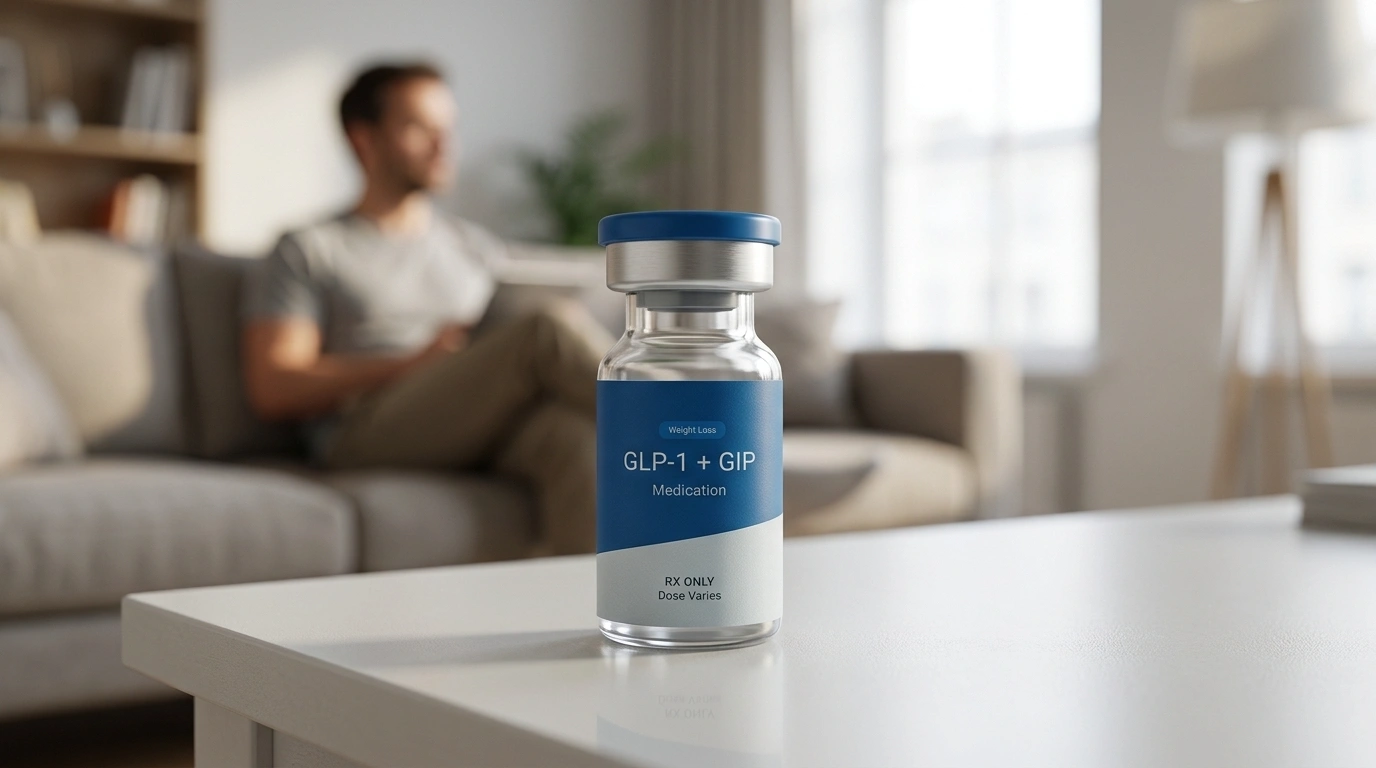
Table of Contents
- Introduction
- Why Your Eating Schedule Needs to Change
- The Case for Small, Frequent Mini-Meals
- Understanding “Mechanical Eating”
- Managing Side Effects Through Meal Timing
- The “Protein-First” Rule
- Hydration Timing and Meal Frequency
- A Practical Daily Routine
- Signs You Aren’t Eating Frequently Enough
- How to Get Started with a Personalized Program
- The Role of Targeted Supplements
- Conclusion
- FAQ
Introduction
Starting a weight loss journey with Zepbound® often leads to a sudden, quiet realization: the constant “food noise” that once dominated your day has finally gone silent. This shift is a sign that the medication is working, but it often leaves you with a very practical question: how often should you eat on Zepbound? When your natural hunger signals change so significantly, your old eating routines may no longer feel comfortable or even possible. At TrimRx, we believe that understanding these metabolic changes is the first step toward a sustainable lifestyle. This post explores how to structure your daily intake to ensure you are nourishing your body correctly while managing the unique way this medication affects your digestion. Finding a rhythm that respects your new appetite is essential for long-term health and success.
Quick Answer: Most individuals on Zepbound find success by eating 4 to 6 small, nutrient-dense mini-meals or snacks every 3 to 4 hours. This frequency helps maintain steady energy levels and prevents the digestive discomfort often caused by traditional, larger meals.
Why Your Eating Schedule Needs to Change
To understand how often you should eat, it is important to first understand how the medication works. Zepbound® is a branded medication containing tirzepatide, which is a dual-receptor agonist. This means it mimics two natural hormones in your body: glucagon-like peptide-1 (GLP-1) and glucose-dependent insulinotropic polypeptide (GIP). These hormones are naturally released by your gut when you eat, telling your brain you are full and helping to regulate blood sugar.
When you take this medication, these signals are significantly amplified. This leads to a major reduction in appetite, but it also causes delayed gastric emptying. This is the clinical term for the speed at which food moves out of your stomach and into your small intestine. Because your stomach processes food much more slowly, the traditional “three square meals” approach can often lead to physical discomfort. For more background, read this guide to tirzepatide side effects.
The Case for Small, Frequent Mini-Meals
Most healthcare providers suggest moving away from large meals in favor of more frequent, smaller portions. When your digestion is slowed, a large volume of food can sit in your stomach for an extended period, leading to intense bloating or nausea. This approach is also covered in TrimRx’s guide to eating while on Zepbound.
Avoiding the “Overstuffed” Feeling
By eating smaller amounts every few hours, you avoid overtaxing your digestive system. Think of your stomach as a conveyor belt that has been slowed down; if you place a large amount of “cargo” on it all at once, it becomes backed up. Smaller, frequent deliveries keep the system moving smoothly without causing a bottleneck that results in indigestion.
Maintaining Steady Energy Levels
Even though you may not feel intense hunger, your body still requires glucose and nutrients to function. If you wait 8 or 10 hours between eating because you “forgot” to eat, your blood sugar can dip. This often causes fatigue, irritability, or headaches. Eating a small, protein-rich snack every 3 to 4 hours ensures a steady stream of fuel for your brain and muscles.
Protecting Your Metabolism
Eating frequently helps signal to your body that it is in a state of plenty, which is important during weight loss. Consistently providing small amounts of fuel can help maintain your resting metabolic rate—the speed at which your body burns calories at rest—while you are in a caloric deficit.
Key Takeaway: Shifting to 4–6 mini-meals aligns with your body’s slowed digestion, reducing the risk of nausea while keeping your energy levels stable throughout the day.
Understanding “Mechanical Eating”
One of the most common experiences for those on Zepbound is a total loss of interest in food, particularly in the 48 hours following the weekly injection. While this helps with weight loss, it can lead to under-eating, which is counterproductive. This is where mechanical eating becomes a valuable tool.
Mechanical eating means eating because it is a scheduled time to nourish your body, even if the “urge” or “desire” to eat is absent. It is not about forcing a large meal; it is about providing a small, intentional dose of nutrition.
- Muscle Preservation: If you go long periods without any food, your body may begin to break down muscle tissue for energy. This is a common pitfall in rapid weight loss. Consistent, scheduled intake of protein helps protect your lean muscle mass.
- Preventing “Crash” Fatigue: Many people mistake the fatigue they feel on medication for a side effect of the drug itself, when it is actually a symptom of not consuming enough calories to sustain basic activity.
- Nutrient Density: When you eat less often, every bite must carry more weight. Mechanical eating ensures you are getting the vitamins and minerals necessary for hair, skin, and immune health.
Managing Side Effects Through Meal Timing
The timing and frequency of your meals are often the biggest factors in how many side effects you experience. Common issues like nausea, acid reflux, and bloating are frequently linked to how much food is in the stomach at any given time. For more strategies, review this guide to managing Zepbound nausea.
Preventing Nausea
Nausea is often at its worst when the stomach is either too full or completely empty. An empty stomach allows stomach acid to sit without a “buffer,” which can trigger a queasy sensation. Keeping a small, bland snack—like a few whole-grain crackers or a piece of string cheese—in your system can help neutralize this effect.
Avoiding Acid Reflux
Because food stays in your stomach longer, lying down shortly after a meal can cause acid to back up into the esophagus. To prevent this, try to have your last mini-meal at least 2 to 3 hours before you plan to sleep. If you find you are still struggling with reflux, make your evening eating window your smallest one of the day.
Honoring Satiety Signals
The medication makes the “full” signal very clear, but it is easy to override it out of habit. Stop eating the moment you feel a sense of satisfaction, rather than waiting until you feel “full.” Continuing to eat until your plate is empty—a habit many of us were raised with—is a leading cause of vomiting for those on GLP-1 medications.
Myth: You should wait until you are hungry to eat on Zepbound. Fact: Because the medication suppresses hunger signals, waiting for “hunger” can lead to under-eating and muscle loss. Following a schedule is often more effective.
The “Protein-First” Rule
When you are eating smaller amounts, the order in which you eat your food matters. Most clinical experts recommend a “protein-first” approach. Protein is essential for maintaining muscle mass and keeps you feeling satisfied for longer.
When you sit down for a mini-meal:
- Eat the protein source first (lean chicken, fish, tofu, beans, or Greek yogurt).
- Move to fibrous vegetables (steamed greens, carrots, or peppers).
- Finish with complex carbohydrates if you still have room (quinoa, berries, or sweet potato).
By eating protein first, you ensure that if you get full after only a few bites, you have already consumed the most vital nutrient for your metabolic health. You can also review these Zepbound diet strategies for additional meal-planning ideas.
Hydration Timing and Meal Frequency
It is easy to mistake thirst for hunger, but on Zepbound, it is also easy to forget to drink water entirely. Staying hydrated is critical, but the timing of your hydration is a nuance you should master.
Drinking a large glass of water immediately before or during a meal can take up valuable space in your stomach. This may prevent you from finishing your protein and vegetables. A better strategy is to sip water consistently between your eating windows. For additional guidance, read about hydration while taking tirzepatide.
- Aim for small, frequent sips throughout the day.
- Avoid “gulping” large amounts of water, which can contribute to bloating.
- If you struggle with constipation—a common side effect as digestion slows—increasing your water intake between meals is the most effective natural remedy.
A Practical Daily Routine
There is no “perfect” schedule that fits everyone, but creating a predictable rhythm helps your body adjust to the medication. A typical day for someone on a personalized weight loss program might look like this:
- 8:00 AM: A small protein shake or a half-cup of Greek yogurt with a few berries.
- 11:00 AM: A hard-boiled egg or a small handful of almonds.
- 1:30 PM: A small portion of grilled chicken (about 3 ounces) with a few slices of cucumber.
- 4:30 PM: An apple with a tablespoon of nut butter or a piece of low-fat cheese.
- 7:00 PM: A small serving of baked fish and steamed zucchini.
This schedule provides five opportunities for nourishment. By spreading your intake out, you respect your body’s slower digestive speed while ensuring you never go too long without fuel.
Signs You Aren’t Eating Frequently Enough
While the goal of Zepbound is to reduce caloric intake, there is a point where the intake becomes too low to be healthy. If you find yourself consistently skipping food for 24 hours or more, you should consult your healthcare provider.
Watch for these warning signs:
- Extreme fatigue that does not improve with rest.
- Frequent dizzy spells or feeling lightheaded when standing up.
- Brittle nails or an increase in hair thinning.
- Intense headaches that occur daily.
- Irritability or “brain fog” despite a lack of physical hunger.
These symptoms often indicate that your body is not receiving enough energy to maintain its basic functions. Using the TrimRx platform for personalized support can help you find the right balance for your health profile.
How to Get Started with a Personalized Program
Navigating the changes in your appetite can feel overwhelming, especially when you are trying to balance nutrition with a busy life. Starting a program involves more than just a prescription; it requires a supportive framework.
Step 1: Complete an Assessment Start by taking a free health assessment quiz. This helps determine your eligibility and allows a licensed provider to review your medical history and goals.
Step 2: Consult with a Specialist If eligible, you will be connected with a provider who can discuss your options. This may include branded medications or access to medications shipped from FDA-registered, inspected compounding pharmacies.
Step 3: Receive Your Personalized Plan Once a prescription is written, your medication is shipped directly to your door. You will also receive guidance on how to manage your nutrition and meal frequency.
Step 4: Ongoing Support As your body adjusts, you have 24/7 access to a team that can help you refine your eating schedule and manage any side effects that arise.
The Role of Targeted Supplements
For many, using targeted supplements can help bridge the gap during a lower-calorie diet. When you are eating less frequently, it can be difficult to get every nutrient your body needs.
If you are experiencing low energy or find it hard to maintain your nutrient intake, exploring quick-access supplements like GLP-1 Daily Support or Weight Loss Boost may be helpful. These are designed to support your body’s natural pathways and provide nutrients that may be missing when your appetite is significantly reduced. These do not require a prescription and can be an excellent addition to your routine.
Conclusion
Determining how often to eat on Zepbound is about moving away from rigid rules and toward a more frequent, small-scale approach. By prioritizing protein, staying hydrated between meals, and practicing mechanical eating when your hunger signals are quiet, you can maximize the benefits of your treatment while minimizing discomfort. Remember that your needs may shift throughout the week as the medication levels in your body change.
Our mission at TrimRx is to provide a telehealth experience that combines modern clinical expertise with a deep sense of empathy. We understand that weight loss is a personal and often emotional journey. By focusing on a personalized, science-backed approach, we help you build a lifestyle that supports your long-term metabolic health. If you are ready to take the next step, complete a free eligibility assessment to begin.
FAQ
Should I eat on Zepbound even if I am not hungry?
Yes, it is generally recommended to eat small, scheduled portions even when you do not feel hungry. This prevents muscle loss and helps maintain stable blood sugar and energy levels. This practice, known as mechanical eating, ensures your body has the basic fuel it needs to function. If you are considering treatment, you can find out if a personalized program may be right for you.
Is it okay to practice intermittent fasting while on Zepbound?
Fasting should only be done under the guidance of a healthcare professional while on this medication. Because Zepbound slows digestion, a large meal following a fast can cause significant gastric distress. Most patients find that frequent, small meals are a safer and more comfortable strategy.
Why do I feel more nauseous when my stomach is empty?
An empty stomach can allow gastric acid to build up without any food to absorb it, which often triggers nausea. Many people find that a few bites of a bland, high-protein snack every few hours can actually help settle the stomach and reduce queasiness. For more information, see this guide to what to eat when Zepbound causes nausea.
Can I eat a larger meal if I feel hungry at the end of the week?
As your weekly dose begins to wear off, you may notice a slight increase in appetite, sometimes called “breakthrough hunger.” While you can eat a bit more, it is still wise to stick to smaller portions. Overeating at the end of the week can lead to discomfort once you take your next injection and your digestion slows down again.
Disclaimer: This content is for informational purposes only and does not constitute medical advice. It is not intended to diagnose, treat, cure, or prevent any disease or condition. Individual results may vary. Always consult a qualified healthcare professional before starting any weight loss program or medication.

Transforming Lives, One Step at a Time
Keep reading

Kids’ Birthday Party on Zepbound
If you have young children, birthday parties are a regular part of life: your own child’s, and the steady stream of classmates’ parties most…
Water Aerobics on Zepbound
For people with painful knees, hips, or backs, water aerobics and pool exercise are often the first kind of exercise that feels possible. The…

New Year’s Eve on Zepbound
New Year’s Eve is built around staying up late. There is usually a big dinner or a party spread, drinks through the evening, champagne…


