How to Deal With Nausea From Zepbound Effectively
Introduction
Starting a new weight loss journey often brings a mix of excitement and apprehension, especially when you begin a medication like Zepbound®. While this dual-agonist treatment is highly effective for weight management, many people find that the initial weeks are marked by a familiar, uncomfortable companion: nausea. At TrimRx, we believe that managing your health should not feel like a constant battle with side effects. Feeling queasy can make it difficult to stay focused on your goals, but it is often a manageable part of the body’s adjustment period. This post covers why this sensation occurs, practical dietary shifts to settle your stomach, and lifestyle habits that support a smoother experience. By understanding how to support your system, you can navigate these temporary hurdles and stay on track toward sustainable health. If you’re wondering whether prescription treatment is the right fit, you can take the free assessment quiz to see which personalized program may work for you.
Why Nausea Occurs During Treatment
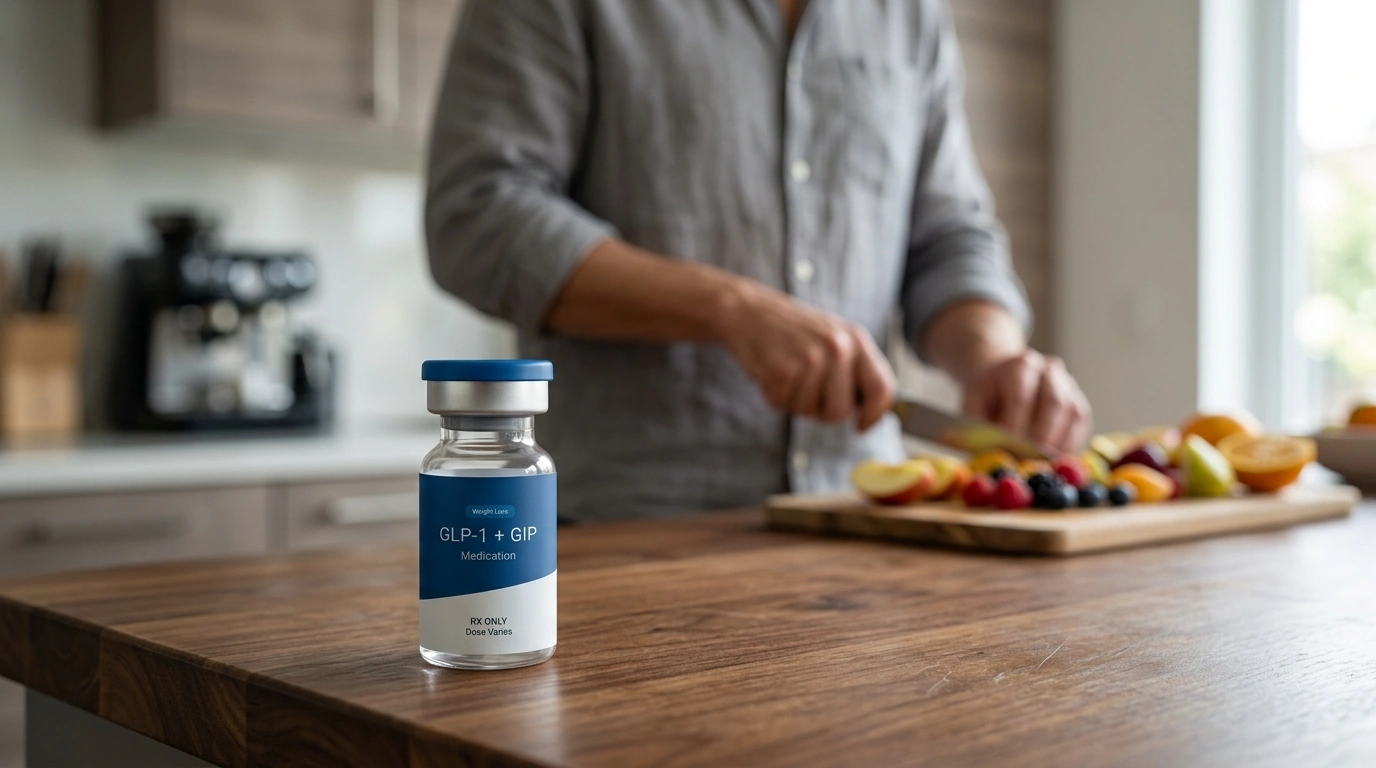
To manage nausea effectively, it helps to understand why it happens in the first place. Zepbound® contains an active ingredient called tirzepatide. This is a dual receptor agonist, meaning it mimics two natural hormones in your body: glucagon-like peptide-1 (GLP-1) and glucose-dependent insulinotropic polypeptide (GIP). These hormones play a critical role in how your body processes food and signals fullness to the brain.
One of the primary ways these hormones work is by slowing down gastric emptying. This means the food you eat stays in your stomach for a longer period. While this process is exactly what helps you feel full on less food, it can also lead to a sensation of heaviness or “morning sickness” style nausea. Your brain receives signals that the stomach is full, and if the digestive system is moving slower than it used to, the resulting backup can trigger the urge to be sick. For a deeper look at that process, see our understanding what causes nausea with Zepbound guide.
Most individuals find that nausea is most prominent during the first few days after an injection or when the dosage is increased. This is because the body is learning to calibrate its insulin response and digestive speed to the medication. For many, this symptom is a temporary phase that peaks early and gradually fades as the metabolic system adapts to the new hormonal balance.
Key Takeaway: Nausea is primarily caused by slowed gastric emptying, a process where food remains in the stomach longer to promote fullness. Understanding this mechanism helps in choosing the right strategies to mitigate discomfort.
Immediate Dietary Adjustments for Relief
What you put in your stomach—and how much of it—is the most significant factor in managing nausea. Because your digestion is moving at a slower pace, traditional eating habits may need to evolve.
Prioritize Bland, Simple Foods
When you are feeling nauseated, your digestive system is essentially asking for a break. High-fiber, spicy, or extremely complex meals require more work to break down. During “nausea waves,” many find success with the BRAT diet: bananas, rice, applesauce, and toast. These items are low in fat and easy on the stomach lining. If you want more practical tips, our how to deal with nausea from Zepbound guide goes deeper.
Avoid High-Fat and Fried Foods
Fatty foods are the most common trigger for medication-induced nausea. Fat naturally slows down digestion even further. When combined with a medication that already delays gastric emptying, a high-fat meal can sit in the stomach for an uncomfortable amount of time. Avoid fried chicken, heavy cream sauces, and greasy fast food, especially in the 24 hours surrounding your injection.
Small, Frequent Meals Over Large Feasts
The days of eating three large meals are usually over once you begin a GLP-1 or GIP treatment. Eating a large volume of food can quickly overwhelm a slowed digestive tract. Instead, aim for five or six very small “mini-meals” throughout the day. This keeps your blood sugar stable without overtaxing your stomach. If you feel full after three bites, listen to your body and stop. Forcing yourself to “clear the plate” is a direct path to increased nausea.
Focus on Protein First
Protein is essential for maintaining muscle mass during weight loss, but it should be consumed in its leanest forms. Choose grilled chicken, turkey, white fish, or tofu. These are easier to digest than red meat or heavy protein shakes. If solid food feels impossible, a chilled, low-sugar protein drink sipped slowly over an hour can provide necessary nutrients without triggering a gag reflex.
Master the Art of Hydration
Dehydration can actually mimic or worsen the feeling of nausea. However, the way you drink water matters just as much as how much you drink.
Avoid drinking large amounts of liquid during your meals. Filling your stomach with water while also trying to eat solid food can create too much volume, leading to physical pressure and queasiness. Try to stop drinking 30 minutes before a meal and wait 30 minutes after you finish eating to resume hydration.
Focus on small, consistent sips throughout the day. Instead of “chugging” a liter of water to hit a goal, keep a glass or bottle nearby and take tiny sips every few minutes. This prevents the stomach from becoming overly distended.
Incorporate electrolytes to maintain balance. When you are eating less, you are also consuming fewer natural minerals like sodium, potassium, and magnesium. This imbalance can lead to headaches and dizziness, which often accompany nausea. Adding a sugar-free electrolyte powder to your water once a day can help stabilize your system. Our nausea and GLP-1 medications solutions that work article covers hydration and other relief strategies.
Note: If you are experiencing vomiting along with nausea, hydration becomes a medical priority. Consult a healthcare provider if you cannot keep liquids down for more than 12 hours.
Lifestyle Habits and Physical Positioning
How you move and sit after eating can significantly influence how your stomach feels. Because food is sitting higher in the digestive tract for longer, gravity can be your best friend or your worst enemy.
- Stay upright after eating: Never lie down immediately after a meal or a snack. Try to remain upright for at least two to three hours. This allows gravity to assist the downward movement of food and helps prevent acid reflux, which often feels like nausea.
- Wear loose-fitting clothing: Pressure on the abdomen can exacerbate a sensitive stomach. Avoid tight belts, high-waisted leggings, or restrictive waistbands, especially on injection days.
- Get fresh air: Stagnant air or strong cooking odors can be major triggers. If you feel a wave of nausea, step outside or open a window. A cool breeze can help reset the vagus nerve and calm the stomach.
- Use ginger or peppermint: Both ginger and peppermint have long clinical histories of settling the stomach. Ginger tea, sugar-free ginger chews, or peppermint oil can provide natural relief.
Managing the Injection Process
The way you administer the medication and the timing of your dose can also play a role in how your body reacts. Many patients find that their “nausea profile” changes based on where they choose to inject.
While Zepbound® can be injected in the abdomen, thigh, or back of the arm, some anecdotal evidence and clinical observations suggest that the thigh may be associated with fewer gastrointestinal side effects for certain individuals. If you have been injecting in the stomach and experiencing significant nausea, you might discuss rotating to the thigh with your healthcare provider.
Timing your dose can also help. Some people prefer taking their injection on a Friday evening so they can rest over the weekend if they feel unwell. Others prefer a mid-week dose so they are not dealing with side effects during social events. Experimenting with the time of day—such as right before bed—may also allow you to sleep through the initial peak of the medication’s entry into your system.
Bottom line: Adjusting your injection site and timing, alongside your provider’s guidance, can help minimize the impact of nausea on your daily routine.
When to Seek Professional Guidance
While mild to moderate nausea is a common part of the adjustment period, it is important to distinguish between “expected discomfort” and “clinical concern.” You should always stay in close contact with your medical team throughout your journey. If you’re still deciding whether a prescription pathway is appropriate, you can take the free assessment quiz to see whether a personalized plan makes sense for you.
Contact your healthcare provider if:
- Nausea prevents you from eating or drinking anything for more than 24 hours.
- You experience severe, persistent abdominal pain.
- You have frequent, uncontrollable vomiting.
- You experience signs of severe dehydration, such as dark urine, extreme dizziness, or confusion.
Your provider may suggest a slower titration schedule. Titration is the process of gradually increasing your dose over several months. If the jump from one dose to the next causes debilitating nausea, staying at a lower dose for an extra month can give your body more time to habituate. In some cases, a licensed provider may also prescribe anti-nausea medication to help you through the transition.
How TrimRx Supports Your Journey
At TrimRx, we believe that medical weight loss should be a holistic experience, not just a prescription. We understand that side effects like nausea can be discouraging, which is why our platform connects you with licensed providers who can offer personalized guidance.
Our programs are designed to be telehealth-first, meaning you have 24/7 access to a dedicated team to discuss your symptoms without needing to wait for an in-person appointment. This personalized approach ensures that if you are struggling with nausea, you have the support needed to adjust your plan.
Beyond the prescription medications like compounded tirzepatide or semaglutide that may be prescribed by your provider, we also offer specialized support products. For example, our GLP-1 Daily Support supplement is designed to help bridge the nutritional gaps that can occur when nausea limits your food intake. By providing a curated blend of nutrients, we help you maintain your energy levels even when your appetite is low.
A Realistic Outlook on the Path Ahead
Nausea is often the body’s way of saying it is working through a significant metabolic shift. It is not a sign that the medication is “bad” for you, nor is it a sign of personal failure. Most people find that as they lose weight and their blood sugar stabilizes, the nausea diminishes.
Step 1: Track your triggers. Keep a simple log of what you ate before a nausea episode and where you injected. Step 2: Simplify your diet. Revert to bland, small meals for 48 hours after your dose. Step 3: Communicate with your team. Use the TrimRx platform to check in with your provider if side effects persist.
The goal is sustainable progress. By making small, intentional changes to your environment and eating habits, you can manage the discomfort and focus on the health benefits that come with long-term weight management.
Key Takeaway: Success on Zepbound® isn’t about “powering through” severe illness; it is about using dietary and lifestyle tools to minimize side effects while your body adapts to a healthier metabolic state.
Conclusion
Dealing with nausea from Zepbound® requires a combination of patience, dietary strategy, and clinical support. By prioritizing hydration, choosing bland foods, and staying upright after eating, most individuals can significantly reduce their discomfort. Remember that this is a journey of transformation, and your body is learning a new way to process energy. Our mission at TrimRx is to provide the science-backed, empathetic support you need to make this transition as smooth as possible. We are here to help you embrace a healthier lifestyle through a transparent, personalized approach. If you are ready to take the next step in your weight loss journey with a program that prioritizes your well-being, we invite you to take our free assessment quiz to see which personalized program is right for you.
FAQ
How long does the nausea from Zepbound® typically last?
For most people, nausea is most intense during the first few weeks of treatment or immediately following a dose increase. It often peaks 24 to 48 hours after an injection and gradually improves as your body becomes accustomed to the medication. Many patients find that after two or three months of consistent use, the nausea becomes much less frequent or disappears entirely.
Can I take over-the-counter medicine for nausea while on this medication?
Many people find relief using over-the-counter options like bismuth subsalicylate or ginger supplements. However, because Zepbound® affects how your body absorbs oral medications due to slowed gastric emptying, you must consult your healthcare provider before adding any new supplements or over-the-counter drugs to your routine. They can ensure there are no interactions and that the timing of the medication is effective. For a more complete breakdown of relief options, see our what to do for nausea from Zepbound guide.
Does the injection site really matter for nausea?
While clinical results vary, many users report fewer gastrointestinal side effects when injecting in the thigh rather than the abdomen. The medication is absorbed into the bloodstream regardless of the site, but some find the “peak” of the drug’s effect is more gradual when injected into the leg. You should discuss rotating injection sites with your provider to see if it improves your experience.
Why does the nausea feel worse in the morning?
Nausea may feel worse in the morning because your stomach has been empty for several hours, allowing stomach acid to build up, or because your last meal was not fully digested due to slowed gastric emptying. Staying hydrated and eating a small, bland snack like a cracker immediately upon waking can sometimes help settle the stomach. If morning nausea is persistent, it may be a sign that you need to adjust your evening meal size or timing.
Disclaimer: This content is for informational purposes only and does not constitute medical advice. It is not intended to diagnose, treat, cure, or prevent any disease or condition. Individual results may vary. Always consult a qualified healthcare professional before starting any weight loss program or medication.

Transforming Lives, One Step at a Time
Keep reading

Why Is There a Bruise Where I Injected My Zepbound?
A bruise means a small blood vessel was disturbed under the skin and blood spread into the surrounding tissue. It is one of the…
My Zepbound Pen Won’t Click Past a Certain Dose
Start by checking which device you are holding, because the answer depends entirely on that. Zepbound has commonly been supplied in the United States…
Zepbound Alternatives: Your Options Compared
If Zepbound isn’t the right fit, the main alternative is semaglutide (sold as Wegovy), which produces slightly less weight loss but works similarly, along…


