How to Know When to Increase Zepbound Dose
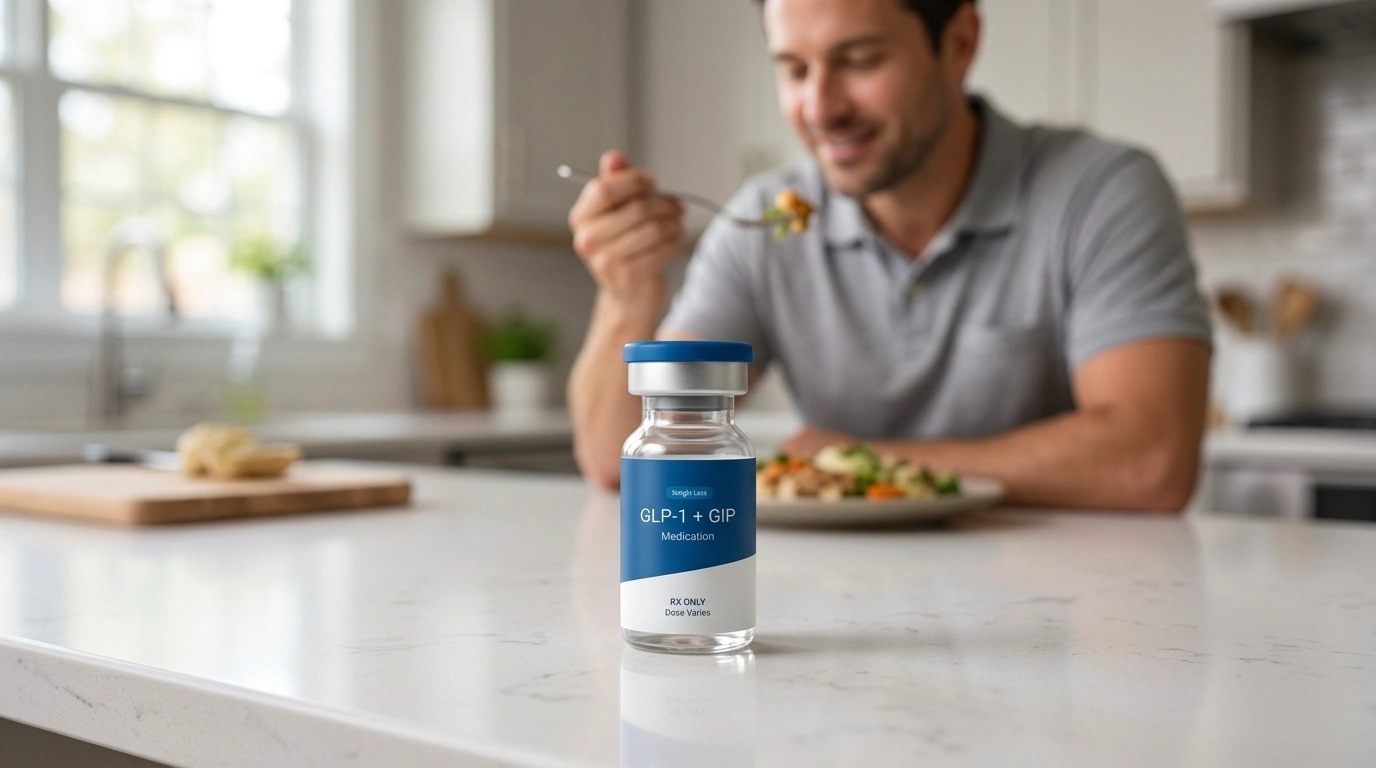
Table of Contents
- Introduction
- The Standard Titration Schedule for Tirzepatide
- Sign 1: The Return of Food Noise
- Sign 2: A Weight Loss Plateau
- Sign 3: Improved Tolerability of Side Effects
- How Tirzepatide Works in the Body
- When Not to Increase Your Dose
- Managing Side Effects During a Dose Transition
- The Role of Telehealth in Dose Management
- Optimizing Your Results at Any Dose
- Transitioning with TrimRx
- Conclusion
- FAQ
Introduction
Finding the right rhythm for your weight loss journey often involves more than just eating well and staying active. For many individuals using Zepbound®, the initial weeks feel like a breakthrough, but eventually, questions arise about whether the current strength is still doing its job. You might notice your appetite returning or the scale staying still for several weeks, leaving you wondering if it is time to move to the next level. At TrimRx, we understand that navigating medication adjustments can feel overwhelming without clear guidance. If you are considering prescription support, complete the free assessment quiz to see whether a personalized program may be a fit. This article covers the clinical signs that suggest a dose increase is necessary, how the titration schedule works, and the importance of balancing efficacy with your body’s ability to tolerate the medication. Deciding when to increase your dose is a personalized process that requires tracking your progress and maintaining an open dialogue with a licensed healthcare provider.
Quick Answer: You may need to increase your dose if your weight loss has stalled for four consecutive weeks or if “food noise” (persistent thoughts about eating) returns. Clinical guidelines suggest increasing the dose every four weeks until reaching a therapeutic level, provided you are tolerating the current dose without severe side effects.
The Standard Titration Schedule for Tirzepatide
The process of gradually increasing a medication dose is known as titration, and it is designed to help your body adapt. When using Zepbound®, which contains the active ingredient tirzepatide, the goal of titration is to minimize gastrointestinal discomfort while reaching a dose that provides significant metabolic benefits. Tirzepatide is a dual agonist, meaning it targets two different hormone receptors in the body: glucose-dependent insulinotropic polypeptide (GIP) and glucagon-like peptide-1 (GLP-1). For a broader overview of how these medications fit into weight management, see TrimRx’s guide to GLP-1 treatment.
The starting dose for this medication is typically 2.5 mg injected once weekly. It is important to understand that the 2.5 mg strength is generally considered an “initiation dose” or a “loading dose.” It is meant to introduce the molecule to your system rather than to produce maximum weight loss. Most patients stay on this starting dose for exactly four weeks before moving up to the 5 mg dose.
Following the initiation period, doses increase in 2.5 mg increments. The standard schedule involves moving from 5 mg to 7.5 mg, then to 10 mg, 12.5 mg, and finally the maximum dose of 15 mg. Each step usually lasts at least four weeks. However, not every person needs to reach the 15 mg maximum to see results. Some individuals find their “sweet spot” at 5 mg or 7.5 mg and remain there for several months if they continue to lose weight and feel satisfied.
| Dose Strength | Purpose | Typical Duration |
|---|---|---|
| 2.5 mg | Initiation / Loading | 4 Weeks |
| 5 mg | Initial Therapeutic Dose | 4+ Weeks |
| 7.5 mg | Intermediate Dose | 4+ Weeks |
| 10 mg | Higher Therapeutic Dose | 4+ Weeks |
| 12.5 mg | Advanced Dose | 4+ Weeks |
| 15 mg | Maximum Dose | Maintenance |
Sign 1: The Return of Food Noise
One of the most common signs that a dose increase may be necessary is the return of “food noise.” This term describes the persistent, intrusive thoughts about food, cravings, and the constant mental chatter regarding when and what the next meal will be. One of the primary benefits of GLP-1 and GIP medications is their ability to quiet this mental noise, allowing individuals to make rational food choices without feeling governed by intense hunger signals. If you want a deeper look at how these medications work in practice, this GLP-1 support explainer is a helpful next read.
When a dose is effective, you may find that you simply forget to snack or feel satisfied with much smaller portions. However, as your body becomes accustomed to a specific strength of tirzepatide, the receptors in your brain and gut may become less sensitive to that specific amount. If you find yourself white-knuckling your way through the afternoon or standing in front of the pantry late at night—habits that had previously disappeared—it is a strong indicator that the current dose is no longer providing the appetite suppression you need.
Monitoring your hunger levels is just as important as monitoring the scale. If you feel “physiologically” hungry (a rumbling stomach) shortly after a balanced meal, or “mentally” hungry (cravings) throughout the day, your provider may suggest moving to the next dose level. This adjustment helps re-establish the hormonal balance required to stay on track with your nutritional goals.
Sign 2: A Weight Loss Plateau
A clinical weight loss plateau is generally defined as four or more consecutive weeks with no change in body weight. It is vital to distinguish a true plateau from normal daily fluctuations. Body weight can shift by several pounds due to water retention, inflammation, or hormonal cycles. However, if the trend line on your scale has remained completely flat for a month despite consistent diet and exercise, your metabolism may have adapted to your current medication level.
Metabolic adaptation is a natural survival mechanism. When you lose weight, your body often tries to defend its previous weight by slowing down your resting metabolic rate. Tirzepatide helps counteract this by improving insulin sensitivity and slowing gastric emptying (the speed at which food leaves your stomach). If weight loss stops, it may mean the current dose is no longer sufficient to overcome the body’s natural tendency to stall.
Before assuming the medication has stopped working, evaluate your lifestyle consistency. If your protein intake, hydration, and physical activity have remained steady, but the weight is not moving, the medication dose is likely the primary variable that needs to change. At TrimRx, we encourage users to track these metrics so they can provide their healthcare provider with clear data during a consultation.
Key Takeaway: Increasing a dose is not a race to the maximum. The goal is to find the lowest effective dose that maintains steady weight loss (typically 0.5 to 2 pounds per week) while keeping side effects manageable.
Sign 3: Improved Tolerability of Side Effects
You should generally only consider increasing your dose if you are tolerating your current strength well. Side effects like nausea, constipation, or fatigue are common when starting or increasing GLP-1 medications. If you are currently struggling with significant gastrointestinal distress, moving to a higher dose will likely exacerbate these issues and could lead to more severe complications.
The ideal time to move up is when you have minimal to no side effects at your current level. If you have spent four weeks at 5 mg and feel completely “normal”—meaning no nausea and a manageable appetite—but your weight loss has slowed, you are likely a good candidate for 7.5 mg. Conversely, if you are still experiencing bouts of vomiting or severe cramping, your provider will likely recommend staying at your current dose or even moving down until your body stabilizes.
Listen to your body’s signals over the calendar. While the manufacturer’s schedule suggests an increase every four weeks, this is a guideline, not a requirement. Some people stay on 5 mg for three months because it continues to work and they want to avoid the potential for increased side effects at 7.5 mg. This personalized approach is a hallmark of the programs facilitated by the TrimRx platform.
How Tirzepatide Works in the Body
Understanding the science of tirzepatide helps clarify why dose increases are necessary. Tirzepatide is a dual-acting molecule that mimics two naturally occurring incretin hormones. The first is GLP-1, which is released by the intestines after eating. It signals the brain to feel full and slows down the stomach’s emptying process. The second is GIP, which also helps with appetite but plays a more significant role in how the body breaks down fats and sugars.
By activating both receptors, the medication provides a “double-hit” to metabolic dysfunction. Over time, however, the body’s receptors can undergo a process called downregulation. This means the cells become slightly less responsive to the medication. By incrementally increasing the dose, you provide a stronger signal to these receptors, maintaining the medication’s efficacy in the face of the body’s natural adaptation.
If you are still deciding whether medication support is right for you, you can take the free assessment quiz and review your options with a licensed provider.
When Not to Increase Your Dose
More is not always better when it comes to GLP-1 receptor agonists. There are several scenarios where staying at your current dose—or even delaying an increase—is the clinically appropriate choice. Rushing to the maximum dose of 15 mg can lead to “hitting a wall” where you have no further options if a plateau occurs at the highest level.
Avoid an increase if you are still losing 1 to 2 pounds per week. If the medication is working, there is no clinical reason to change it. Rapid weight loss (more than 3 pounds per week over a sustained period) can increase the risk of muscle loss, gallstones, and nutritional deficiencies. If your current dose is helping you lose weight at a healthy, steady pace, stay there as long as possible. For more practical context on building a sustainable routine, this weight loss journey guide is worth a look.
Do not increase your dose during periods of significant stress or illness. If you are dealing with a viral infection or an incredibly stressful life event, your body is already under strain. Adding the metabolic shift of a higher medication dose can overwhelm your system. It is often better to wait until your health and routine are stable before adjusting your prescription.
Myth: You must reach the 15 mg dose to see “real” results. Fact: Many patients achieve their goal weight without ever moving past the 7.5 mg or 10 mg doses. The “right” dose is the one that works for your unique biology.
Managing Side Effects During a Dose Transition
The transition period between doses is when side effects are most likely to peak. As the concentration of the medication in your bloodstream rises, your digestive system must adapt to a further slowing of gastric emptying. This can lead to a “backup” feeling, nausea, or acid reflux.
To manage these transitions, focus on “pre-habilitation” for your gut. In the days leading up to and immediately following a dose increase, focus on small, nutrient-dense meals. Avoid high-fat, greasy, or heavily processed foods, as these stay in the stomach longer and are more likely to cause nausea when combined with the medication.
Hydration and electrolytes are non-negotiable. GLP-1 medications can sometimes dampen the thirst reflex along with the hunger reflex. Dehydration can mimic the feeling of nausea and lead to severe fatigue. If your care plan includes extra nutritional support, it is worth discussing the right next step with your provider during the free assessment quiz.
The Role of Telehealth in Dose Management
One of the greatest advantages of a telehealth-first approach is the ease of communication. In a traditional clinical setting, you might have to wait weeks for an appointment to discuss a dose increase. Through a platform like TrimRx, you have access to a team of specialists who can review your progress and adjust your plan in real-time.
The process begins with a comprehensive assessment. When you feel you are ready for a change, your provider will review your weight loss logs, your reported side effects, and your overall health profile. This ensures that every dose increase is backed by clinical data rather than just a desire to lose weight faster.
Telehealth provides a bridge between clinical expertise and patient convenience. You don’t have to sit in a waiting room to talk about your appetite or your scale progress. Instead, you can provide these updates from the comfort of your home, allowing for a more agile and responsive treatment plan. If you are ready to see whether prescription weight loss support fits your situation, start with the assessment quiz and move forward with confidence.
Optimizing Your Results at Any Dose
Medication is a powerful tool, but it works best when supported by lifestyle foundations. If you feel a dose is “failing,” it is worth auditing your daily habits before requesting a higher strength. Sometimes, simple adjustments can “restart” weight loss at your current dose level.
- Prioritize Protein: Aim for 25–30 grams of protein per meal. This helps preserve lean muscle mass and increases the feeling of fullness.
- Strength Training: Muscle is metabolically active. By lifting weights or performing resistance exercises, you help keep your metabolic rate higher, making the medication more effective.
- Sleep Hygiene: Lack of sleep increases cortisol and ghrelin (the hunger hormone), which can override the appetite-suppressing effects of your medication.
- Fiber Intake: Because these medications slow digestion, fiber is essential for maintaining regular bowel movements and preventing the discomfort that leads people to stop treatment.
If you have optimized these areas and still face a plateau, it is a clear sign to proceed with a dose increase. We believe in a holistic approach where the medication acts as the catalyst, and your lifestyle provides the fuel for long-term, sustainable change.
Transitioning with TrimRx
Our mission at TrimRx is to simplify the complexities of modern weight loss. We believe that everyone deserves a personalized program that evolves as they do. Whether you are just starting at 2.5 mg or are considering moving to a higher therapeutic level, our platform connects you with the medical expertise and high-quality medications needed to succeed.
Our programs are designed to be transparent and supportive. There are no hidden fees, and the cost of your program remains consistent even as your dosage changes. We provide access to compounded medications shipped from inspected compounding pharmacies, ensuring that you receive the care you need without the hurdles often found in traditional pharmacy settings.
Conclusion
Knowing when to increase your Zepbound® dose is about balancing your progress with your well-being. If your weight loss has stalled for a month, your “food noise” has returned, and you are tolerating your current dose well, it is likely time to consult with your provider about moving up. Remember that weight loss is a marathon, not a sprint, and the goal is to find a sustainable level that supports your health without causing undue distress.
Key Takeaway: Progress is not always linear. A week without weight loss is normal, but a month without progress is a signal to re-evaluate your dose and lifestyle.
Next Steps:
- Review your weight logs from the last 30 days to identify a true plateau.
- Assess your current “food noise” levels on a scale of 1 to 10.
- Check for manageable side effects before requesting an increase.
- Complete the free assessment quiz to connect with a provider who can personalize your titration schedule.
FAQ
How long should I wait before increasing my dose?
The standard clinical recommendation is to stay on a specific dose for at least four weeks. This allows your body sufficient time to adjust to the hormonal changes and for your provider to accurately assess the effectiveness of that strength.
What if I am losing weight but still have food noise?
If you are still losing weight at a healthy rate (1–2 pounds per week), most providers recommend staying at your current dose even if you have some return of appetite. The goal is to use the lowest effective dose to preserve future options for dose increases if a true plateau occurs later.
Can I stay on the 2.5 mg dose forever?
While the 2.5 mg dose is intended as a starting point, some individuals are “hyper-responders” and continue to lose weight at this level. If you are reaching your goals and feeling satisfied on the initiation dose, there is no medical requirement to increase it, though most people eventually require at least 5 mg for sustained results.
What happens if I increase my dose too quickly?
Increasing your dose before your body is ready significantly increases the risk of severe nausea, vomiting, and diarrhea. This can lead to dehydration and may cause you to stop the medication altogether; therefore, it is essential to follow the guidance of a licensed healthcare provider.
Disclaimer: This content is for informational purposes only and does not constitute medical advice. It is not intended to diagnose, treat, cure, or prevent any disease or condition. Individual results may vary. Always consult a qualified healthcare professional before starting any weight loss program or medication.

Transforming Lives, One Step at a Time
Keep reading

Kids’ Birthday Party on Zepbound
If you have young children, birthday parties are a regular part of life: your own child’s, and the steady stream of classmates’ parties most…
Water Aerobics on Zepbound
For people with painful knees, hips, or backs, water aerobics and pool exercise are often the first kind of exercise that feels possible. The…

New Year’s Eve on Zepbound
New Year’s Eve is built around staying up late. There is usually a big dinner or a party spread, drinks through the evening, champagne…


