How to Prevent Constipation on Zepbound
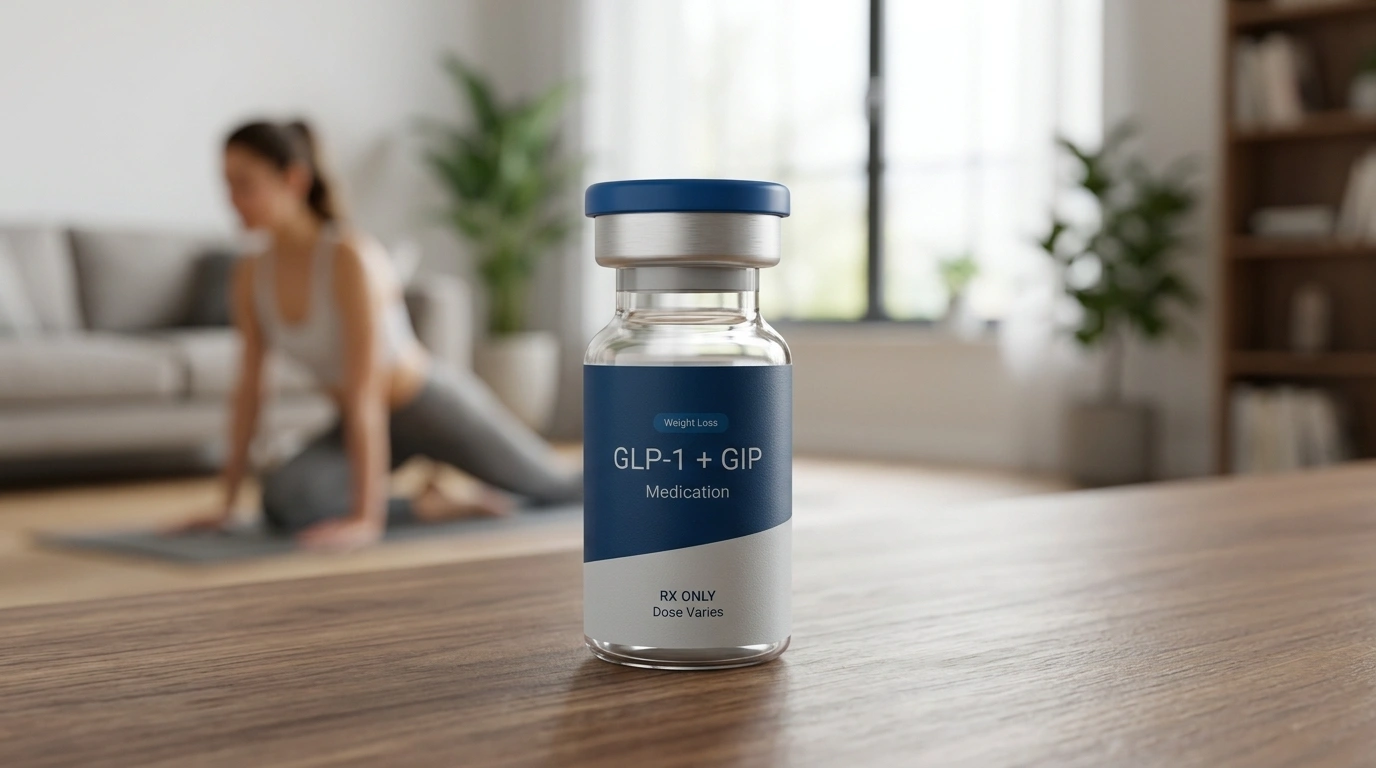
Table of Contents
- Introduction
- Why Zepbound® Impacts Digestion
- Strategic Hydration Habits
- Fiber Intake: The Right Way to Bulk
- Movement as a Digestive Catalyst
- Managing Side Effects with Supplements
- Practical Habits for Daily Regularity
- When to Consult a Healthcare Provider
- Personalized Support with TrimRx
- Conclusion
- FAQ
Introduction
Starting a weight loss journey with a medication like Zepbound® can feel like a major turning point. The excitement of seeing the scale move is often met with the reality of managing the body’s response to a new treatment. One of the most common hurdles individuals face is a change in digestive habits, specifically constipation. While it is a frequent side effect of tirzepatide—the active ingredient in Zepbound®—it does not have to be a permanent part of your routine. At TrimRx, we believe that understanding the “why” behind your body’s changes is the first step toward effective management. This post covers the physiological reasons for these digestive shifts and provides actionable strategies to keep your system moving smoothly. Our goal is to help you navigate these side effects so you can stay focused on your long-term health goals, and if you want to see whether a personalized program is right for you, you can take the free assessment quiz.
Why Zepbound® Impacts Digestion
To address constipation effectively, it is helpful to understand how the medication interacts with your gastrointestinal tract. Zepbound® is a dual agonist. This means it mimics two natural hormones in the body: glucagon-like peptide-1 (GLP-1) and glucose-dependent insulinotropic polypeptide (GIP). These hormones play a major role in how we process food and feel fullness. For a deeper look at the hormone behind this process, see what GLP-1 does and how it works.
The Mechanism of Slowed Gastric Emptying
One of the primary ways these medications support weight loss is by slowing down gastric emptying. This is the process where food moves from your stomach into your small intestine. By delaying this transition, the medication helps you feel full for a longer duration after eating.
However, this slowed transit time is not limited to the stomach. It can affect the entire digestive path. When the movement of the intestines—a process called peristalsis—slows down, waste products remain in the colon for a longer period.
The Role of Water Absorption
The colon’s main job is to absorb water from the waste passing through it. When the transit time is extended, the colon has more time to pull moisture out of the stool. This results in stool that is harder, drier, and more difficult to pass. This physiological shift is the core reason why many people on GLP-1 or GIP medications experience a change in frequency or ease of bowel movements.
Key Takeaway: Constipation on Zepbound® is primarily caused by slowed intestinal movement, which gives the body more time to absorb water from waste, leading to harder stools.
Strategic Hydration Habits
Hydration is the most critical factor in preventing constipation while using weight loss medications. Because the medication causes your body to pull more water from your digestive tract, you must compensate by increasing your overall intake.
Drinking water is not just about thirst. When you are on a medication that slows digestion, you should aim for consistent hydration throughout the day rather than drinking large amounts all at once. A good baseline for most adults is between 80 and 100 ounces of water daily, though this may vary based on your activity level and climate.
Quality Over Quantity: Electrolytes Matter
Sometimes, water alone is not enough. If you are eating less due to the appetite-suppressing effects of the medication, you might also be consuming fewer natural minerals. Electrolytes like magnesium, potassium, and sodium help the body regulate fluid balance and support muscle contractions in the gut.
- Consider adding a sugar-free electrolyte powder to one of your water bottles each day.
- Focus on sipping water consistently from morning until evening.
- Monitor the color of your urine; a pale yellow color usually indicates adequate hydration.
Fiber Intake: The Right Way to Bulk
Fiber is the “broom” of the digestive system. It adds bulk to the stool and can help stimulate the muscles of the intestines to keep things moving. However, there is a right and a wrong way to increase fiber when taking a GLP-1 medication. If you are looking for another practical guide to managing this side effect, what to take with Zepbound for constipation breaks down the main options.
Soluble vs. Insoluble Fiber
It is important to find a balance between the two main types of fiber:
- Soluble Fiber: This type dissolves in water to form a gel-like material. It is found in oats, peas, beans, apples, and citrus fruits. It can help soften the stool.
- Insoluble Fiber: This type promotes the movement of material through your digestive system and increases stool bulk. It is found in whole-wheat flour, wheat bran, nuts, beans, and vegetables like cauliflower and green beans.
The Golden Rule of Fiber: Low and Slow. If you suddenly increase your fiber intake without also increasing your water, you may actually worsen constipation. The fiber needs water to move. If you are adding more beans, lentils, or whole grains to your diet, do so gradually over the course of a week to allow your system to adjust.
Note: If you find it difficult to get enough fiber through whole foods due to a reduced appetite, a gentle psyllium husk supplement may be helpful. Always consult your healthcare provider before adding new supplements to your routine.
Movement as a Digestive Catalyst
Physical activity is a natural stimulant for the digestive tract. When you move your body, you help stimulate the natural contractions of the intestinal muscles. You do not need to perform high-intensity workouts to see a benefit.
Walking is one of the most effective tools for gut health. A 15-minute walk after meals can assist in the digestion process and help prevent the “heavy” feeling that sometimes accompanies slowed gastric emptying.
Focus on consistency over intensity.
- Daily light movement is better for digestion than one intense session a week.
- Yoga or stretching that involves gentle core twisting can also help “massage” the internal organs and encourage regularity.
- If you have a sedentary job, try to stand or walk for five minutes every hour.
Managing Side Effects with Supplements
When lifestyle changes like hydration and fiber aren’t quite enough, certain supplements can provide the necessary support. At TrimRx, we offer specialized options like GLP-1 Daily Support, which is designed to complement your program and support digestive health.
Magnesium for Regularity
Magnesium is a mineral that many people find helpful for maintaining regularity. Specifically, magnesium citrate or magnesium oxide can have an osmotic effect, meaning they help draw water into the intestines. This softens the stool and makes it easier to pass without the harshness of a stimulant laxative.
Probiotics and Gut Health
A healthy gut microbiome is essential for smooth digestion. While Zepbound® changes the speed of your digestion, probiotics can help ensure that the environment within your gut remains balanced. Look for high-quality, multi-strain probiotics or incorporate fermented foods like plain Greek yogurt or kefir into your diet, provided they fit your nutritional goals.
Bottom line: Supplements can be a powerful tool to bridge the gap between diet and digestive comfort, but they should be used as part of a broader strategy that includes hydration and movement.
Practical Habits for Daily Regularity
Beyond what you eat and drink, how you eat can also influence your digestive comfort. Because your stomach stays full longer, large meals can feel overwhelming to your system.
Adopt the “Small and Frequent” approach. Instead of three large meals, try eating four or five smaller, nutrient-dense snacks throughout the day. This prevents the digestive tract from becoming “overloaded” and may reduce the likelihood of backup.
Chew your food thoroughly. Digestion begins in the mouth. By breaking down food mechanically as much as possible before swallowing, you reduce the workload on your stomach and intestines.
Establish a routine. The human body thrives on rhythm. Trying to use the restroom at the same time each day—often after a morning warm drink or a meal—can help train your system to remain regular.
When to Consult a Healthcare Provider
While mild constipation is a common and manageable side effect, it is important to know when to seek professional guidance. Your health and safety are the top priority.
Contact a healthcare professional if you experience:
- Severe abdominal pain or cramping that does not go away.
- A total absence of bowel movements for more than several days despite using OTC remedies.
- Nausea and vomiting accompanied by the inability to pass gas.
- Noticeable swelling or bloating in the abdomen.
- Blood in your stool.
If you are a member of our program, you have 24/7 access to our dedicated team of specialists. We are here to help you adjust your plan, discuss your symptoms, and ensure that your weight loss journey remains safe and comfortable. If you want a broader discussion of safe relief options, managing constipation on semaglutide and tirzepatide offers a helpful overview.
Step 1: Monitor your symptoms / Keep a simple log of bowel movements and water intake. Step 2: Implement “The Big Three” / Increase water, adjust fiber, and add daily walking. Step 3: Use gentle aids / Consider magnesium or fiber supplements if approved by your provider. Step 4: Communicate / Reach out to your medical team if symptoms persist or become painful.
Personalized Support with TrimRx
Navigating the world of GLP-1 medications like Zepbound® or compounded tirzepatide doesn’t have to be a solo effort. We offer a telehealth-first approach that connects you with licensed providers who understand the nuances of these treatments. Our programs are fully personalized based on your health profile and goals. If you are ready for a next step, you can complete the free assessment quiz to see what fits your needs.
When you join the TrimRx community, your program includes more than just a prescription. We provide doctor consultations, necessary lab work, and unlimited support—all without hidden fees or the need for in-person waiting rooms. Whether you are using Compounded Semaglutide, Compounded Tirzepatide, or exploring other options, our team is committed to helping you achieve sustainable results with empathy and transparency. For readers interested in a deeper explanation of support during treatment, what GLP-1 support means is a useful place to continue.
Conclusion
Constipation is a common side effect of Zepbound® and other GLP-1 medications, but it is manageable with a proactive approach. By prioritizing consistent hydration, balancing your fiber intake, and staying physically active, you can support your body’s natural digestive processes. Remember that these medications are tools to help you reach a healthier version of yourself, and side effect management is part of the process.
Our mission is to help individuals embrace healthier lifestyles through science, empathy, and a transparent, personalized approach to sustainable weight loss. If you are ready to start a program tailored to your unique needs, taking the first step is simple.
- Ensure you are drinking at least 80–100 ounces of water daily.
- Incorporate 15 minutes of light walking after meals.
- Listen to your body and adjust your fiber intake slowly.
The next step in your journey is just a few clicks away. You can start by taking our free assessment quiz to see which personalized program is right for you.
FAQ
Why does Zepbound cause constipation in so many people?
Zepbound® contains tirzepatide, which slows down the rate at which food leaves the stomach and moves through the intestines. This slower transit time allows the colon to absorb more water from the waste, which often results in harder, more difficult-to-pass stools. If you want another treatment-focused guide, how to relieve constipation from tirzepatide walks through additional strategies.
Can I take over-the-counter laxatives while on Zepbound?
Many people find relief using gentle, over-the-counter options like stool softeners or osmotic laxatives like magnesium citrate. However, it is essential to consult with a healthcare provider before starting any new medication or supplement to ensure it is appropriate for your specific health needs and won’t interfere with your treatment. If you are considering whether a personalized program is the right fit, you can take the free assessment quiz.
How much fiber should I aim for each day?
A general recommendation for adults is between 25 and 35 grams of fiber per day. When taking a GLP-1 medication, it is vital to increase this amount slowly and drink plenty of water, as adding bulk without enough hydration can sometimes make constipation worse. If your appetite is lower than usual, GLP-1 Daily Support may help complement your routine.
Will the constipation go away as my body adjusts to the medication?
For many individuals, digestive side effects are most noticeable when first starting the medication or when increasing the dosage. As the body becomes accustomed to the treatment and you refine your hydration and dietary habits, many people find that their digestive system reaches a new, comfortable equilibrium.
Disclaimer: This content is for informational purposes only and does not constitute medical advice. It is not intended to diagnose, treat, cure, or prevent any disease or condition. Individual results may vary. Always consult a qualified healthcare professional before starting any weight loss program or medication.

Transforming Lives, One Step at a Time
Keep reading

Why Is There a Bruise Where I Injected My Zepbound?
A bruise means a small blood vessel was disturbed under the skin and blood spread into the surrounding tissue. It is one of the…

My Zepbound Pen Won’t Click Past a Certain Dose
Start by checking which device you are holding, because the answer depends entirely on that. Zepbound has commonly been supplied in the United States…

Zepbound Alternatives: Your Options Compared
If Zepbound isn’t the right fit, the main alternative is semaglutide (sold as Wegovy), which produces slightly less weight loss but works similarly, along…


