Can I Take Ozempic on Plane Trips? Essential Travel Tips
Introduction
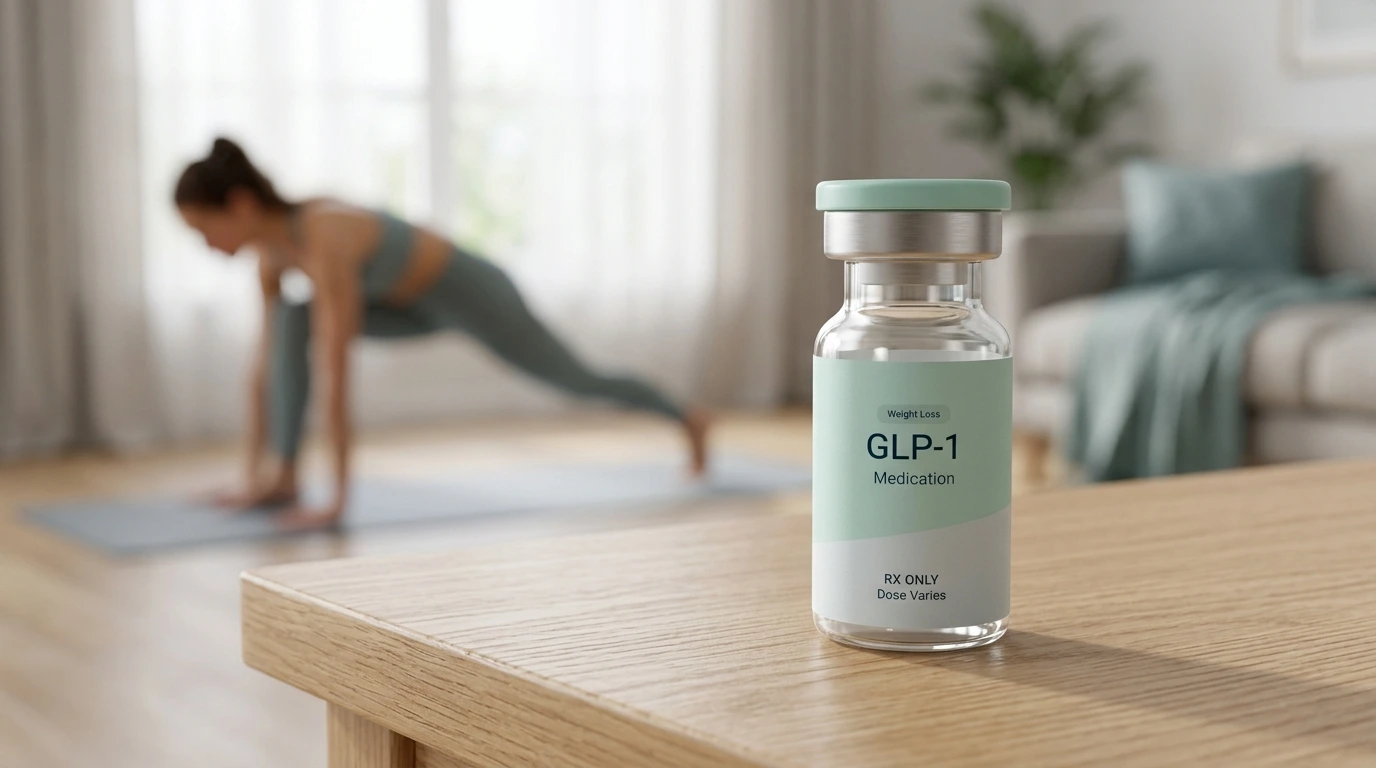
Planning a vacation or a business trip involves enough stress without worrying about your medication. If you are currently on a weight loss journey using semaglutide, you may find yourself asking: can I take Ozempic on plane flights safely? The short answer is yes, but the process involves more than just tossing a pen into your suitcase. Maintaining the effectiveness of your medication while navigating airport security requires a clear understanding of TSA regulations and temperature management.
At TrimRx, we believe that your health journey should fit seamlessly into your life, whether you are at home or halfway across the globe. Our goal is to ensure you feel empowered and prepared for every mile of your trip. This guide covers everything from Transportation Security Administration (TSA) protocols to cold-chain storage solutions and international travel requirements. By following a few simple steps, you can maintain your dosing schedule and protect your investment in your metabolic health while traveling, and you can also take the free assessment quiz if you want to see whether a personalized program fits your goals.
Navigating TSA and Airport Security
One of the primary concerns for travelers is getting through the security checkpoint with needles and liquid medication. The TSA has specific protocols for medically necessary liquids and supplies that differ from the standard “3-1-1” liquids rule.
The Medically Necessary Liquid Exception
Standard TSA rules limit liquids in carry-on bags to 3.4 ounces (100ml) per container. However, Ozempic® (semaglutide) and other GLP-1 (glucagon-like peptide-1) medications are classified as medically necessary liquids. This means you are permitted to carry them in volumes larger than 3.4 ounces if necessary, though most individual pens are well below this limit anyway. If you want a deeper travel-focused walkthrough, this compounded semaglutide travel guide covers the same trip-planning questions in more detail.
Declaring Your Medication
When you reach the front of the security line, it is best practice to notify the TSA officer that you are traveling with medication and associated supplies, such as needles. You do not need to wait for them to find the items in your bag. By being proactive, you can often speed up the process and avoid unnecessary “pat-downs” or bag searches.
Handling X-Ray Machines
According to the manufacturer and the TSA, semaglutide pens are safe to pass through airport X-ray machines. The low-level radiation used for baggage screening does not alter the chemical structure of the medication. If you are uncomfortable with your medication going through the X-ray, you have the right to request a visual or manual inspection instead, and this how to travel with semaglutide guide goes into those airport details step by step.
Quick Answer: Yes, you can take Ozempic on a plane. TSA allows medically necessary injectable medications and needles in carry-on luggage. You should declare these items at the security checkpoint and keep them in their original packaging to ensure a smooth screening process.
Essential Storage and Temperature Rules
Temperature control is perhaps the most critical factor when traveling with GLP-1 medications. Semaglutide is a protein-based hormone, and extreme temperatures can cause the medication to break down, rendering it ineffective.
The 56-Day Rule
Understanding the difference between unopened and opened pens is vital for your travel planning.
- Unopened Pens: These should be kept refrigerated between 36°F and 46°F. If you are traveling with a backup supply that has not been used yet, you must keep these cold.
- Opened (In-Use) Pens: Once a pen is first used, it can be kept at room temperature (up to 86°F) for up to 56 days. This flexibility makes short trips much easier, as you may not need a cooling case for a pen you are currently using. For a broader overview of storage and trip prep, the traveling with compounded semaglutide guide is a useful companion read.
Why You Must Use Your Carry-On
It is a common mistake to think that checking a bag is easier. However, you should never put your medication in checked luggage. The cargo hold of an airplane is not climate-controlled. Temperatures can drop well below freezing at high altitudes or soar while the plane sits on the tarmac. If your medication freezes, it must be discarded, even if it thaws later. Additionally, checked bags can be lost or delayed, which could cause you to miss a critical dose.
Using Travel Coolers and Insulated Cases
If you are traveling to a hot climate or your trip exceeds the 56-day room-temperature window, an insulated travel case is a wise investment. These cases are often designed for insulin but work perfectly for semaglutide pens. If you use gel packs or ice packs to keep the medication cool, the TSA requires that the packs be frozen solid at the time of screening. If the cooling packs are slushy or melted, they may be subject to additional screening or confiscation.
Packing Your Supplies Correctly
A successful trip requires more than just the medication pen itself. You need to pack the auxiliary supplies required for a safe injection.
Needles and Alcohol Swabs
Always pack more needles than you think you will need. Travel delays, canceled flights, or a dropped needle can leave you short. Keep your needles in their original paper tabs or packaging to prove they are medical supplies. Alcohol swabs are also essential for maintaining a sterile injection site while on the go.
Sharps Disposal on the Go
Disposing of used needles can be tricky while traveling. You should never throw loose needles into a standard trash can in a hotel room or airplane lavatory. You can purchase travel-sized sharps containers, or in a pinch, use a thick plastic container with a screw-top lid (like a heavy-duty water bottle) and label it clearly. Once you return home, you can dispose of it according to your local regulations.
Key Takeaway: Always keep your medication in your carry-on bag to avoid the extreme temperature fluctuations and potential loss associated with checked luggage. Ensure your current pen stays below 86°F and unopened pens stay refrigerated.
The TrimRx Approach to Flexible Care
At TrimRx, we understand that weight loss is a journey that happens in the real world—not just in a clinic. Our telehealth-first model is designed to support your lifestyle, whether you are at home or traveling across the country.
Our personalized programs provide access to medications like compounded semaglutide or compounded tirzepatide, which are prepared by FDA-registered and inspected compounding pharmacies. These medications work by mimicking natural hormones in your body to help regulate appetite and blood sugar. Because we provide comprehensive support, including doctor consultations and unlimited specialist access, we can help you plan for disruptions like travel or time zone changes. If you are thinking about starting a treatment plan, see if you qualify with the free assessment quiz.
While we do not ship branded medications like Ozempic® or Wegovy®, we connect you with licensed providers who can evaluate your health history and goals to determine if a compounded or branded option is right for you. Our goal is to make the medical side of weight loss transparent and accessible, so you can focus on enjoying your life—and your travels.
International Travel Considerations
Flying domestically is relatively straightforward, but international travel adds a layer of complexity. Different countries have different laws regarding injectable medications and needles.
Research Local Laws
Before you depart, check the embassy website of your destination country. Some countries, particularly in parts of the Middle East or Asia, have very strict regulations regarding any form of controlled substance or injectable medication. While semaglutide is generally widely accepted, it is always better to verify.
Bring Your Paperwork
While not a TSA requirement, having documentation is highly recommended for international flights.
- Original Packaging: Keep the pen in the box that has the pharmacy label with your name on it.
- Doctor’s Letter: A brief note from your healthcare provider stating that the medication is prescribed for a medical condition and includes needles can prevent a lot of questions at customs.
- Digital Copies: Keep a photo of your prescription on your phone as a backup.
Navigating Time Zones
If you are traveling across several time zones, you might wonder when to take your weekly dose. GLP-1 medications like semaglutide have a long half-life, meaning they stay in your system for a significant amount of time. Generally, you can stick to your “home” time for the first dose or shift your dose by a few hours to match your new local time. If your travel lasts several weeks, simply pick a consistent day and time in your new location.
Maintaining Your Routine Abroad
The biggest challenge of traveling while on a weight loss program is often the change in diet and activity levels. However, your medication can be a powerful tool to help you stay on track.
Hydration and Side Effect Management
Travel often leads to dehydration, which can worsen common GLP-1 side effects like nausea or constipation. Be diligent about drinking water, especially during long flights. If you use supportive supplements like our GLP-1 Daily Support supplement, make sure to pack those in your carry-on as well to help maintain your digestive comfort.
Eating Mindfully
One of the benefits of medications like semaglutide is the reduction in “food noise” or constant cravings. Use this to your advantage while traveling. You can enjoy local cuisines and “vacation foods” in moderation without feeling the need to overindulge. Focus on protein-rich meals and fiber to support the medication’s work in your body, and if you want more context on side effects and how they show up over time, this common GLP-1 side effects overview is a helpful next stop.
Note: If you experience severe side effects while traveling, such as persistent vomiting or intense abdominal pain, seek medical attention immediately at a local clinic or hospital.
Step-by-Step: Preparing for Your Flight
Follow this checklist to ensure your medication is ready for your next flight:
- Step 1: Check your supply. Ensure you have enough pens and needles to last the entire trip plus one extra week in case of delays.
- Step 2: Verify storage needs. If the pen is already in use, you can likely keep it at room temperature. If it is unopened, prepare your insulated travel case.
- Step 3: Organize your paperwork. Place your prescription label and a doctor’s note in a clear plastic bag with your medication.
- Step 4: Pack your carry-on. Place your medication in an easily accessible part of your bag so you can remove it for TSA screening if requested.
- Step 5: Set a reminder. Use your phone to set an alarm for your dosing day, especially if you are crossing time zones.
Troubleshooting Common Travel Issues
Even the best-laid plans can go awry. Here is how to handle common problems:
What if I leave my pen out in a hot car?
If your semaglutide pen is exposed to temperatures above 86°F for an extended period, it may lose its potency. Look at the liquid inside the pen. It should be clear and colorless. If it looks cloudy, discolored, or contains visible particles, do not use it. When in doubt, contact your healthcare provider or pharmacist, or review a dedicated guide like why GLP-1 medications cause GI issues if you are also trying to understand digestive side effects.
What if my medication freezes?
If your cooling pack was too close to the pen and the liquid froze, the medication is ruined. Freezing breaks the delicate protein structure of semaglutide. Even if it thaws and looks clear, it will likely not work. You will need to use a backup pen or contact a local pharmacy for assistance.
What if I lose my medication?
If your carry-on is lost or stolen, you will need to replace your medication. If you are traveling domestically, a local pharmacy may be able to transfer your prescription. If you are abroad, you may need to visit a local doctor to get a new prescription that is valid in that country. This is another reason why having a digital copy of your prescription is so important.
Conclusion
Traveling with GLP-1 medications does not have to be a barrier to your adventures. By understanding the rules for taking Ozempic on a plane—specifically the importance of carry-on storage, temperature maintenance, and proper TSA communication—you can focus on your destination rather than your pharmacy.
At TrimRx, our mission is to simplify the complexities of modern weight loss. We provide the tools, technology, and clinical expertise to help you achieve sustainable results on your own terms. Whether you are navigating a busy airport or a new city, we are here to support your metabolic health with science and empathy.
If you are ready to take the next step in your health journey with a program that travels with you, your first move is simple. Take our free assessment quiz to see which personalized program is right for your needs.
FAQ
Does Ozempic need to be refrigerated while flying?
If the pen has already been opened and used, it can stay at room temperature (up to 86°F) for up to 56 days, meaning it usually does not need refrigeration during a standard flight. However, if the pen is unopened, it must be kept cold between 36°F and 46°F. Use an insulated travel case with a frozen gel pack to maintain these temperatures for unopened pens during long travel days, and if you want a fuller breakdown of storage decisions, the how to travel with semaglutide guide is worth a look.
Can I take Ozempic needles on a plane?
Yes, you are permitted to carry medical needles and syringes on a plane when accompanied by your injectable medication. To make the security process smoother, keep them in their original packaging and declare them to the TSA officer at the checkpoint. It is also helpful to have your prescription label or a doctor’s note to verify the medical necessity of the supplies.
Should I put my Ozempic in my checked bag?
No, you should never put Ozempic or any GLP-1 medication in checked luggage. The cargo holds of airplanes are not temperature-controlled and can experience extreme cold that may freeze and ruin your medication. Additionally, keeping your medication in your carry-on ensures you have access to it even if your checked luggage is lost or delayed.
Can Ozempic go through the airport X-ray machine?
Yes, Ozempic pens are safe to pass through airport X-ray machines. The radiation used for baggage screening is very low and will not damage the semaglutide or affect how the medication works in your body. If you prefer, you can request a manual visual inspection from a TSA officer, although this is generally not necessary for the safety of the drug.
Disclaimer: This content is for informational purposes only and does not constitute medical advice. It is not intended to diagnose, treat, cure, or prevent any disease or condition. Individual results may vary. Always consult a qualified healthcare professional before starting any weight loss program or medication.

Transforming Lives, One Step at a Time
Keep reading

How to Tell If Your Ozempic Pen Is Empty
The dose counter is your answer, not the liquid you can see through the window. Dial the pen to your prescribed dose. If the…

What to Do If You Drop Your Ozempic Pen on the Floor
A dropped Ozempic pen is usually still usable, but you should not assume it is. Run four checks before you inject: look for cracks…
I Didn’t Hear a Click When I Injected My Ozempic Pen
The click is not how you confirm your dose went in. Semaglutide pens produce clicking sounds while you dial and while the plunger moves,…


