Can You Take Antibiotics While on Ozempic? Safety and Timing
Introduction
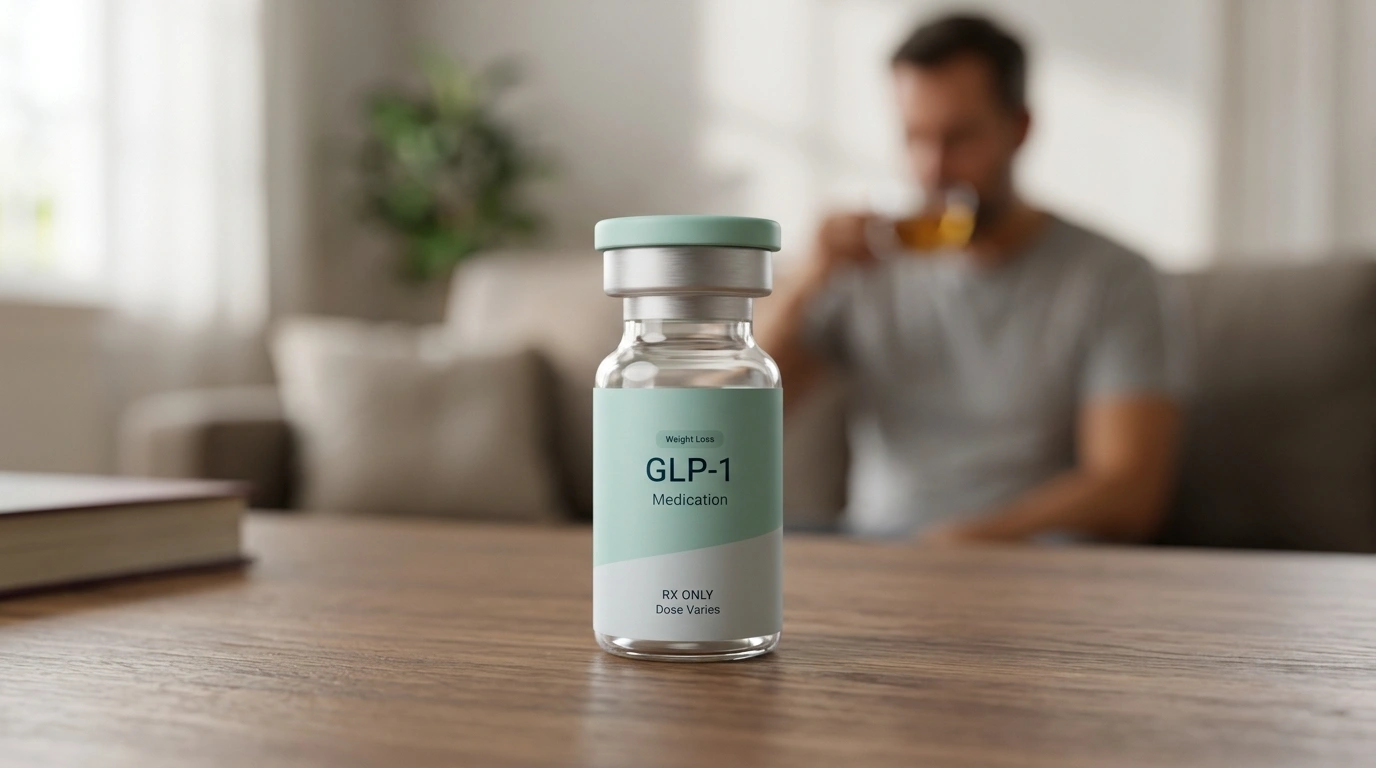
Waking up with a sinus infection or a persistent cough is frustrating enough, but when you are navigating a weight loss journey, a sudden illness adds a layer of concern. If you are currently using a medication like Ozempic® (semaglutide), you might find yourself staring at a new prescription for an infection and wondering: can you take antibiotics while on ozempic? At TrimRx, we understand that managing multiple medications can feel overwhelming, especially when you are focused on improving your metabolic health. This article covers the safety, timing, and side effects of combining these treatments so you can recover without losing your momentum. While there are generally no direct drug-to-drug contraindications, factors regarding digestion and blood sugar require consideration. Most individuals can safely take antibiotics while on a weight loss program, provided they follow specific timing rules and prioritize hydration. This post explains how these drugs interact and how to manage your health during an illness.
Quick Answer: You can generally take antibiotics while on Ozempic®, as there are no known direct pharmacological interactions between semaglutide and most common antibiotics. However, because semaglutide slows digestion, it may delay the absorption of oral pills, and some specific antibiotics can impact blood sugar levels.
How GLP-1 Medications and Antibiotics Interact
To understand how these medications coexist, it helps to look at how your body processes them. Ozempic® belongs to a class of drugs called GLP-1 receptor agonists. These medications mimic a natural hormone in your body called glucagon-like peptide-1 (GLP-1). This hormone tells your brain you are full and helps your pancreas manage insulin levels.
One of the primary ways semaglutide supports weight loss is by slowing down gastric emptying. Gastric emptying is the medical term for the speed at which food and medicine move from your stomach into your small intestine. When this process slows down, you feel full for a longer period. However, this mechanical delay can also affect how quickly an oral antibiotic enters your bloodstream.
For additional background, you can review this guide to how GLP-1 medications affect blood sugar and weight loss.
Absorption Timing and Slower Digestion
Most antibiotics are taken in pill or liquid form. Because the medication slows your stomach, an oral antibiotic might stay in your stomach longer than it would otherwise. For most common infections, a slight delay in absorption does not change the overall effectiveness of the treatment. The total amount of the drug absorbed by the body—often referred to as the area under the curve (AUC)—remains the same. Only the “time-to-peak” concentration is shifted.
Metabolic Pathways and the Liver
When doctors look for drug interactions, they often check the liver’s cytochrome P450 enzyme system. This is a common pathway that many medications use to exit the body. If two drugs fight for the same enzyme, one can build up to dangerous levels.
Semaglutide is unique because it is not processed through this enzyme system. Instead, it is broken down by proteolysis, which is the natural breakdown of proteins by enzymes throughout the body. Because semaglutide uses a different path than most antibiotics, they rarely cause a chemical conflict in your system.
Key Takeaway: The primary interaction between Ozempic® and antibiotics is physical, not chemical. The concern is the speed of your digestion, not a conflict in how the drugs are metabolized in the liver.
Safety Overview by Antibiotic Class
While the general rule is one of compatibility, certain classes of antibiotics require more vigilance than others. Every individual health profile is different, and we always recommend consulting a licensed healthcare provider before starting a new medication course.
| Antibiotic Class | Common Examples | Interaction Profile |
|---|---|---|
| Penicillins | Amoxicillin, Augmentin | Generally safe; possible overlapping GI side effects. |
| Cephalosporins | Cephalexin (Keflex®) | Generally safe; no known chemical interaction. |
| Macrolides | Azithromycin, Clarithromycin | Clarithromycin may affect blood sugar; Azithromycin is usually preferred. |
| Fluoroquinolones | Ciprofloxacin, Levofloxacin | Can cause blood sugar fluctuations; requires closer monitoring. |
| Tetracyclines | Doxycycline | Safe, but may increase acid reflux due to slower digestion. |
| Nitrofurans | Nitrofurantoin | Common for UTIs; generally safe but can cause nausea. |
Penicillins and Cephalosporins
Drugs like amoxicillin, Augmentin®, and cephalexin are among the most frequently prescribed antibiotics in the United States. These are generally considered very safe to take alongside your program. They do not typically interfere with blood sugar levels or metabolic pathways. The main consideration is the potential for overlapping digestive side effects.
Macrolides (Z-Pak and Clarithromycin)
This group includes common medications like azithromycin (Z-Pak®) and clarithromycin. While azithromycin is generally safe, clarithromycin requires more attention. Some clinical data suggests that clarithromycin can modestly increase semaglutide levels in the blood. If you are also taking other medications for type 2 diabetes, such as insulin or sulfonylureas, this combination could increase the risk of low blood sugar.
Fluoroquinolones (Cipro and Levaquin)
Ciprofloxacin (Cipro®) and levofloxacin are powerful antibiotics often used for urinary tract infections or pneumonia. These medications carry specific warnings regarding blood sugar fluctuations. In some cases, they can cause blood sugar to drop too low or spike too high, independent of your weight loss medication.
Note: If a provider prescribes a fluoroquinolone, you should monitor your blood glucose more often than usual, especially if you have a history of diabetes or pre-diabetes.
Managing the Gastrointestinal Double Whammy
The most common challenge patients face when taking antibiotics while on Ozempic® is not a dangerous chemical reaction, but rather the cumulative effect on the gut. Both GLP-1 medications and many antibiotics are known for causing gastrointestinal (GI) side effects. When taken together, these symptoms may feel more pronounced.
For more practical guidance, read about common semaglutide side effects and digestive symptoms.
Common overlapping side effects include:
- Nausea: This is the most reported side effect of semaglutide. Antibiotics can also irritate the stomach, leading to increased waves of nausea.
- Diarrhea: Antibiotics disrupt the natural balance of bacteria in your gut. When combined with the digestive changes of a GLP-1, this can lead to more frequent or urgent bathroom trips.
- Abdominal Cramping: Slowed digestion combined with an antibiotic can lead to a “heavy” feeling or bloating.
Bottom line: While you can take antibiotics on Ozempic®, the combination often intensifies mild digestive discomfort. Prioritizing stomach-friendly habits during your course is essential for staying comfortable.
If you are concerned about whether a GLP-1 program is appropriate for your health profile, you can complete a free eligibility assessment.
Timing and Administration: Injectable vs. Oral
The format of your medication matters when you are adding an antibiotic to your routine. Most people use Ozempic® or Wegovy® as a once-weekly injection. Because the medication is already in your system and is not absorbed through the stomach, you do not have to worry about the specific “timing” of your injection relative to your antibiotic pills.
The Oral Semaglutide Exception
If you are using an oral version of semaglutide (such as Rybelsus®), the rules are much stricter. Oral semaglutide must be taken on a completely empty stomach with exactly four ounces of plain water. You must wait at least 30 minutes—and preferably 60 minutes—before taking any other oral medications, including antibiotics. If you take your antibiotic too soon after your oral semaglutide, neither medication may be absorbed correctly.
Step-by-Step: Starting an Antibiotic Course
Step 1: Disclose your medications. / Tell the doctor prescribing the antibiotic that you are on a GLP-1 medication. Mention if you are using a branded version or a compounded semaglutide.
Step 2: Verify the food requirements. / Check if your antibiotic should be taken with or without food. If it allows for food, taking it with a small, bland snack can help buffer the stomach.
Step 3: Space your doses. / If you struggle with nausea, try to space your antibiotic dose away from the time you usually feel the most “full” or sensitive from your weekly injection.
Step 4: Monitor for dehydration. / Diarrhea and vomiting can quickly lead to fluid loss. Drink water or electrolyte-balanced beverages consistently throughout the day.
Step 5: Complete the entire course. / Never stop an antibiotic early because of mild nausea. This contributes to antibiotic resistance.
Blood Sugar and Infection: What to Watch For
It is important to remember that the infection itself changes how your body handles energy. When you are sick, your body produces stress hormones like cortisol and adrenaline. These hormones tell your liver to release extra glucose (sugar) into your bloodstream to provide energy to fight the illness.
For a broader explanation, review this overview of GLP-1 medications, blood sugar, and weight management.
Even if you are not eating much, your blood sugar might rise during an infection. If you are using Ozempic® for type 2 diabetes, you might notice that your readings are higher than usual. Conversely, if you are not eating because of nausea and then take a specific antibiotic like clarithromycin, your blood sugar could dip too low.
Signs of Low Blood Sugar (Hypoglycemia)
- Dizziness or lightheadedness
- Sudden sweating or chills
- Rapid heartbeat or palpitations
- Irritability or “brain fog”
- Extreme hunger despite taking your medication
If you experience these symptoms while on antibiotics, consume a small amount of fast-acting glucose (like juice) and contact your healthcare provider immediately.
Myth: Antibiotics will “cancel out” your weight loss medication or stop it from working.
Fact: Antibiotics do not interfere with the hormonal pathways GLP-1 medications use to reduce appetite. Your progress might slow temporarily due to illness-related changes in diet or activity, but the medication remains active in your system.
Practical Tips for Recovery and Nutrient Support
When you are fighting an infection, your priority should shift from weight loss to healing. Your body needs extra resources to support the immune system while managing the effects of your medication.
Prioritize Protein: Even if your appetite is low, try to sip on a protein shake or bone broth. Protein provides the amino acids your immune system needs to recover and helps prevent muscle loss during periods of low calorie intake.
Support Your Gut: Antibiotics kill both “bad” and “good” bacteria. Consider taking a high-quality probiotic or eating fermented foods a few hours after your antibiotic dose to help maintain a healthy microbiome and reduce the risk of diarrhea.
Avoid Irritants: Stay away from highly acidic, spicy, or very fatty foods. These can aggravate the stomach lining and worsen the slow-digesting effects of your weight loss medication, making nausea more intense.
Stay Hydrated: Dehydration is a significant risk when combining GLP-1s and antibiotics, especially if you experience diarrhea. If your urine is dark yellow, you need to increase your fluid intake immediately.
For additional hydration guidance during GLP-1 treatment, read this article about water, hydration, and weight loss.
If reduced appetite makes it difficult to maintain nutritional intake, GLP-1 Daily Support supplement may provide an additional wellness option to discuss with your healthcare provider.
When to Contact Your Healthcare Provider
Most people finish their course of antibiotics while on Ozempic® without major issues. However, you should never ignore your body’s signals. Contact a healthcare professional if you experience any of the following symptoms:
- Severe Vomiting: If you cannot keep down water or your medications, you are at risk for severe dehydration and kidney strain.
- Persistent Diarrhea: Diarrhea that lasts more than two days or is accompanied by severe cramping can lead to electrolyte imbalances.
- Signs of Allergic Reaction: Hives, swelling of the face or throat, or difficulty breathing are medical emergencies. This is often a reaction to the antibiotic rather than the GLP-1.
- Severe Abdominal Pain: While mild cramping is common, intense pain in the upper abdomen that radiates to the back can be a sign of more serious issues like pancreatitis.
You can also review this guide to semaglutide side effects and when to contact a provider.
The Role of Personalized Support
Navigating the complexities of modern weight loss medications is easier when you have a dedicated team in your corner. We provide more than just a prescription; our programs offer a comprehensive structure that adapts to your life. Whether you are using compounded medications shipped from FDA-registered compounding pharmacies or managing a branded prescription, you have 24/7 access to specialists. This ensures that when an unexpected illness arises, you have a partner to help you adjust your plan safely and effectively.
Personalization is key because every body reacts differently to the slowing of gastric emptying. Some individuals may find they need to temporarily adjust their diet to very bland foods while on antibiotics, while others may feel no different at all. Our team can help you determine if you should delay a dose or adjust your nutrient intake to stay on track.
If you are looking for ways to support your body’s natural pathways during this time, we also offer quick-access supplements. Our GLP-1 Daily Support supplement is designed to provide the nutrient foundation your body needs when your appetite is reduced, which can be especially helpful when you are recovering from an illness.
For people focused on energy and metabolic support during a weight loss journey, the Weight Loss Boost supplement is another option to discuss with a healthcare provider.
Conclusion
Taking antibiotics while on Ozempic® is generally considered safe and is a common occurrence for many patients. The primary challenges are the potential for increased stomach upset and the slight delay in how fast your body absorbs oral medications. By staying hydrated, monitoring your blood sugar, and communicating clearly with your healthcare providers, you can successfully treat your infection while staying on track with your goals. Our mission at TrimRx is to help you embrace a healthier lifestyle through science and empathy. We provide the tools, from telehealth consultations to medical supervision, to ensure your journey is as smooth as possible, even when life throws a curveball like a sudden infection. If you are ready to start a weight loss journey that prioritizes your overall well-being and provides clinical expertise every step of the way, the best first step is to take the free assessment quiz.
FAQ
Does Ozempic make antibiotics less effective?
No, there is no evidence that Ozempic® makes antibiotics less effective at killing bacteria. While semaglutide slows down your digestion, it typically only delays how long it takes for the antibiotic to be absorbed into your system. As long as you finish the entire course as prescribed by your doctor, the antibiotic should work as intended.
Should I skip my Ozempic dose while I am on antibiotics?
You should not stop or change your dose without consulting your healthcare provider first. In most cases, you can continue your regular injection schedule. However, if you are experiencing severe vomiting or cannot stay hydrated due to your illness, a provider might suggest delaying your dose by a few days until your stomach settles.
Can I take amoxicillin with Ozempic?
Yes, amoxicillin has no known direct chemical interaction with semaglutide and is generally safe to take. The main consideration is managing potential stomach upset, as both medications can affect your digestive system. Taking the antibiotic with a small, bland snack may help reduce nausea.
Do I need to worry about birth control if I take antibiotics on Ozempic?
While most common antibiotics do not “cancel out” birth control, the combination of a GLP-1 medication and an illness can be tricky. Semaglutide already slows the absorption of oral medications, and if an antibiotic causes vomiting or diarrhea, your birth control may not be fully absorbed. Many providers recommend using a backup method, such as condoms, during the illness and for seven days after finishing your antibiotics.
Disclaimer: This content is for informational purposes only and does not constitute medical advice. It is not intended to diagnose, treat, cure, or prevent any disease or condition. Individual results may vary. Always consult a qualified healthcare professional before starting any weight loss program or medication.

Transforming Lives, One Step at a Time
Keep reading

Your Pet’s Insulin and Your Ozempic in the Same Fridge
Diabetes is not only a human condition. Plenty of cats and dogs need daily insulin, and their owners become experts at injections. If you…
Taking Ozempic With COPD
Many people with COPD also have type 2 diabetes, and Ozempic or another GLP-1 is a common part of treatment. For some, losing weight…
Ozempic After a Stroke: What to Ask During Recovery
Many people who have a stroke also live with type 2 diabetes, and many of them take Ozempic or another GLP-1. In the weeks…


