Can You Take Omeprazole With Zepbound?
Introduction
Starting a weight loss journey with a GLP-1 medication often brings a mix of excitement and questions, especially when common side effects like acid reflux or “heartburn” begin to surface. If you are currently using Zepbound® or considering it, you might wonder if your usual over-the-counter or prescription reflux medication is safe to continue. Many individuals find themselves asking: can you take omeprazole with zepbound to manage stomach discomfort? If you are wondering whether a structured program is the right fit for you, you can take the free assessment quiz.
At TrimRx, we recognize that managing side effects is just as important as the weight loss itself. Understanding how these two medications interact—and how they both affect your digestive system—is essential for a safe and effective experience. This article will explain the safety profile of combining these treatments, how they work in the body, and what you should discuss with your healthcare provider to optimize your metabolic health.
Quick Answer: Yes, you can generally take omeprazole with Zepbound®, as there are no known direct drug-drug interactions between the two. However, because Zepbound® slows down how fast your stomach empties, it may change how quickly your body absorbs oral medications like omeprazole.
What is Zepbound and How Does It Work?
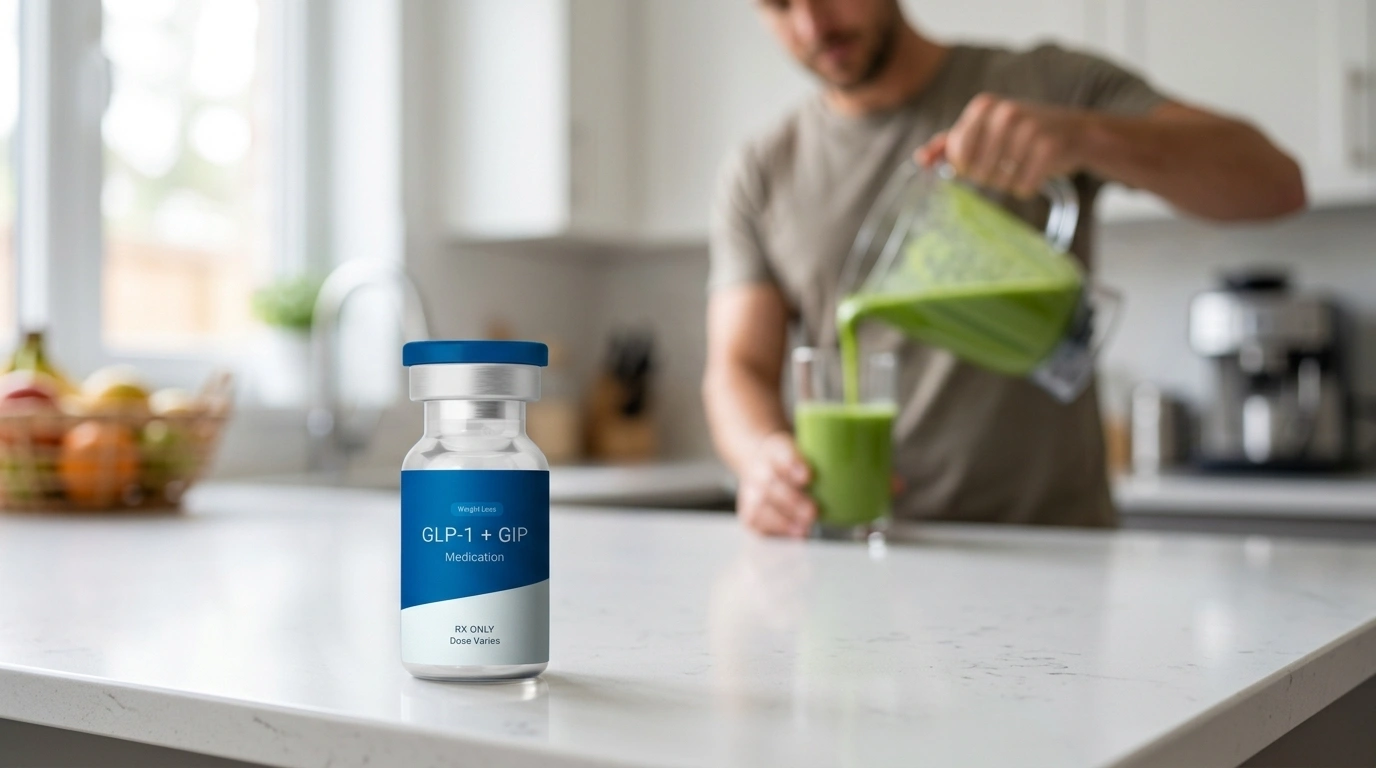
Zepbound® is a branded injectable medication containing the active ingredient tirzepatide. It belongs to a class of drugs known as dual GLP-1 (glucagon-like peptide-1) and GIP (glucose-dependent insulinotropic polypeptide) receptor agonists. For a deeper primer on how these medications work, this GLP-1 explainer can make the reflux connection easier to understand.
The primary role of these hormones is to regulate appetite and blood sugar. When you take this medication, it mimics natural hormones in your body to signal your brain that you are full. Perhaps most importantly for this discussion, it significantly slows down gastric emptying, which is the process of food moving from your stomach into your small intestine. By keeping food in the stomach longer, the medication helps you feel satisfied with smaller portions for longer periods.
This delayed digestion is a powerful tool for weight management, but it is also the primary reason why many patients experience gastrointestinal side effects. When food sits in the stomach for an extended time, it can lead to increased acid production, bloating, and that familiar burning sensation in the chest known as acid reflux.
What is Omeprazole?
Omeprazole is a widely used medication in a class called proton pump inhibitors (PPIs). It is available both as an over-the-counter product and as a higher-strength prescription. Its main function is to reduce the amount of acid produced by the glands in the lining of your stomach.
People typically take omeprazole to treat:
- Gastroesophageal reflux disease (GERD)
- Frequent heartburn
- Stomach ulcers
- Erosive esophagitis (damage to the esophagus from stomach acid)
By lowering the acidity of the stomach environment, omeprazole helps relieve discomfort and allows the digestive tract to heal. Because acid reflux is one of the most frequently reported side effects of tirzepatide, many patients look to omeprazole as a logical solution for relief. If you want a broader look at reflux patterns on tirzepatide, this tirzepatide reflux guide is a helpful next read.
Can You Take Omeprazole With Zepbound?
Clinical data and drug interaction databases currently show no major direct chemical interactions between omeprazole and Zepbound®. This means that the medications do not interfere with each other’s primary mechanisms of action in a way that would make them dangerous to combine for most people.
However, “no interaction” doesn’t mean there aren’t things to consider. The most significant factor is the timing of absorption. Because tirzepatide slows down the movement of everything in your stomach, it can change the “pharmacokinetics”—or the timing and rate—at which oral medications enter your bloodstream.
The Impact of Delayed Gastric Emptying
When you swallow an omeprazole capsule, it needs to pass through the stomach and into the small intestine to be absorbed effectively. Since Zepbound® slows this transit time, the omeprazole may sit in the stomach longer than intended. For some, this might mean the reflux medication takes longer to start working, or its peak effectiveness might be slightly altered.
Synergistic Side Effects
While the drugs don’t “fight” each other, they can both affect the gut. Both medications can occasionally cause side effects like nausea or changes in bowel habits (such as diarrhea). Taking them together requires monitoring to ensure your digestive system isn’t becoming overly stressed. If you want a deeper look at tirzepatide-related reflux specifically, here is a practical Zepbound heartburn guide.
Key Takeaway: While omeprazole and Zepbound® are generally safe to take together, the way your body absorbs oral pills may change due to slower digestion. Always consult your healthcare provider before combining them to ensure your specific dosage and timing are appropriate.
Managing Acid Reflux on a Weight Loss Program
Many people experience increased heartburn when they begin a program like the one we offer at TrimRx. This is often a temporary side effect as the body adjusts to the medication and new eating patterns. If you find yourself needing omeprazole while on Zepbound®, it is helpful to understand why the reflux is happening in the first place.
Why Zepbound Causes Heartburn
As mentioned, the slowed gastric emptying is the main culprit. When the stomach remains full for longer, the pressure inside the stomach increases. This pressure can push stomach acid back up into the esophagus, especially if the lower esophageal sphincter (the muscle that acts as a valve) is relaxed.
The Role of PPIs
Using a PPI like omeprazole can be a helpful short-term bridge. By reducing the “burn” of the acid, you can focus on your nutritional goals without the distraction of chronic discomfort. However, healthcare providers often recommend using the lowest effective dose for the shortest duration possible, as long-term use of PPIs carries its own set of considerations. For a closer look at the reflux mechanism behind tirzepatide, this acid reflux explainer is worth reading.
Important Precautions for Oral Medications
The interaction between Zepbound® and omeprazole highlights a broader rule for anyone on GLP-1 or GIP medications: oral medications may behave differently.
Oral Birth Control
One of the most critical warnings provided by the manufacturers of tirzepatide involves oral contraceptives. Because the medication can delay the absorption of birth control pills, there is a risk that the pills may be less effective, particularly when you first start the medication or when your dose is increased. Providers typically recommend using a backup barrier method (like condoms) for at least four weeks after starting the treatment or increasing the dose.
Other Oral Drugs
If you take medications that require a specific, rapid onset—such as certain pain relievers like ibuprofen, antibiotics like doxycycline, or medications with a narrow therapeutic index like warfarin or cyclosporine—you must discuss these with your doctor. The delayed absorption caused by Zepbound® could potentially change how well these medications work or increase the risk of side effects.
Potential Risks of Long-Term Omeprazole Use
While taking omeprazole to manage Zepbound® side effects is common, it is important to be aware of the potential risks associated with chronic PPI use:
- Magnesium Imbalance: Long-term use (usually over a year) can lead to low magnesium levels.
- Bone Health: There is an associated risk of increased bone fractures in the hip, wrist, or spine with high-dose or long-term use.
- C. Difficile Risk: Reducing stomach acid can sometimes allow certain bacteria, like Clostridium difficile, to flourish, leading to severe diarrhea.
How the TrimRx Program Supports Your Journey
Navigating the world of prescription medications can feel overwhelming, which is why we focus on a telehealth-first approach that prioritizes your safety and comfort. When you join a program through TrimRx, you aren’t just getting a prescription; you are getting access to a team that understands these nuances.
Our process begins with a free assessment quiz designed to capture your medical history, current medications (including things like omeprazole), and weight loss goals. This information is reviewed by a licensed healthcare provider who determines if a GLP-1 or GIP medication is right for you. If you want to see whether a personalized treatment plan fits your health profile, you can complete the free assessment quiz.
If you are prescribed a medication, your provider can guide you on how to manage common side effects like acid reflux. This personalized oversight ensures that your use of supportive medications like omeprazole is monitored and adjusted as needed. If you want a broader overview of tirzepatide side effects and how they are typically managed, this tirzepatide side effects guide is a useful next step.
Strategies for Reducing Heartburn Without Extra Medication
Before reaching for a daily pill, many people find relief by making small adjustments to their habits. Since Zepbound® changes how your body handles food, changing how you eat can make a significant difference.
1. Meal Timing and Size
Avoid eating large meals, especially late at night. Try to finish your last meal at least two to three hours before lying down. Since your stomach is emptying more slowly, giving your body extra time to process food before you go to sleep can prevent acid from backing up.
2. Focus on “Trigger” Foods
Certain foods are known to relax the esophageal sphincter or increase acid production. While on a weight loss program, it may be beneficial to limit:
- Spicy foods
- Fried or high-fat foods
- Caffeine and carbonated beverages
- Acidic foods like citrus and tomatoes
- Alcohol
3. Hydration
Drink plenty of water throughout the day, but try to avoid “chugging” large amounts during a meal, as this can add to stomach volume and pressure. Staying hydrated is also crucial for preventing other side effects like constipation or kidney strain.
What to Discuss With Your Healthcare Provider
If you are considering taking omeprazole with Zepbound®, or if you are already taking both and experiencing issues, a conversation with a licensed professional is the best next step. Here are a few questions you might ask:
- Is a PPI like omeprazole the best choice for my symptoms, or would an H2 blocker (like famotidine) be better?
- Should I take my omeprazole at a specific time of day to avoid interference with the Zepbound® injection?
- Are my other oral medications being absorbed correctly given the slowed gastric emptying?
- If my reflux persists, should we adjust my dosage of the weight loss medication?
If you want clinical team support from the start, you can begin your TrimRx assessment here and discuss your medication list with a provider.
Note: If you experience severe symptoms such as persistent vomiting, intense abdominal pain that radiates to your back, or difficulty breathing, stop using your medication and contact a healthcare professional immediately, as these could be signs of more serious conditions like pancreatitis or a severe allergic reaction.
Comparing Support Options
While omeprazole is a common choice, it isn’t the only way to manage the gastrointestinal side effects that can come with tirzepatide.
| Medication Type | Common Examples | How It Works | Best Used For |
|---|---|---|---|
| PPIs | Omeprazole, Pantoprazole | Shuts down acid-producing pumps in the stomach. | Chronic, frequent heartburn and GERD. |
| H2 Blockers | Famotidine (Pepcid®) | Blocks the signal that tells the stomach to make acid. | On-demand or short-term relief. |
| Antacids | Tums®, Rolaids® | Neutralizes acid that is already in the stomach. | Immediate, mild indigestion. |
The Path to Sustainable Weight Loss
At TrimRx, our mission is to help you achieve sustainable health through a combination of science, transparency, and empathy. We know that the physical discomfort of side effects can sometimes discourage people from staying on their path. By providing clear information about how medications like Zepbound® interact with common treatments like omeprazole, we empower you to stay the course safely.
Our programs are designed to be comprehensive. From the initial consultation to the delivery of medications from inspected compounding pharmacies, we aim to make the process as straightforward as possible. There are no waiting rooms or hidden fees—just a dedicated team focused on your success.
Steps to Start Your Journey
Step 1: Complete the Assessment. Take our free online quiz to share your health history and goals. Step 2: Consult a Provider. A licensed healthcare professional will review your profile to determine the best treatment plan for you. Step 3: Receive Your Program. If eligible, your medication and supplies are shipped directly to your door, with 24/7 access to specialist support.
If you are ready to take the next step toward a healthier lifestyle with a team that understands your needs, you can start your journey today by completing the free assessment quiz.
Conclusion
Can you take omeprazole with Zepbound®? In most cases, the answer is yes, but it should always be done under the guidance of a healthcare provider. While there is no direct “clash” between the two drugs, the way Zepbound® slows your digestion means that the timing and absorption of omeprazole—and any other oral medication—require careful attention.
Managing the side effects of weight loss medications is a vital part of the process. Whether through lifestyle changes, over-the-counter support, or a personalized clinical program, the goal is to feel your best while your body undergoes these positive changes.
Bottom line: Omeprazole can be a helpful tool for managing Zepbound-induced reflux, but it’s just one piece of the puzzle in a personalized metabolic health plan.
If you are ready to take the next step toward a healthier lifestyle with a team that understands your needs, complete the free assessment quiz to see whether a tailored program is right for you.
FAQ
Does omeprazole make Zepbound less effective?
There is currently no evidence to suggest that omeprazole reduces the weight loss effectiveness of Zepbound®. Omeprazole works on stomach acid, while Zepbound® works on hormonal receptors in the brain and digestive system. However, the slowed gastric emptying caused by Zepbound® might affect how quickly the omeprazole itself works.
When is the best time to take omeprazole if I am on Zepbound?
Generally, omeprazole is most effective when taken 30 to 60 minutes before your first meal of the day. Because Zepbound® slows digestion, your doctor might suggest specific timing to ensure the medication has enough time to be absorbed before your stomach becomes full from a meal. If reflux has been a recurring issue, this Mounjaro and omeprazole guide offers another helpful perspective.
Can I take other heartburn meds like Tums or Pepcid with Zepbound?
Yes, antacids like Tums® or H2 blockers like Pepcid® (famotidine) are commonly used alongside GLP-1 and GIP medications. These can provide more immediate relief for mild symptoms, whereas omeprazole is typically used for more persistent, daily reflux. Always check with your provider to see which is best for your specific symptoms. If you want a deeper look at reflux management on GLP-1 treatment, the Ozempic and heartburn guide is a useful companion read.
Should I be worried about my birth control if I take these together?
The main concern is not the omeprazole, but the Zepbound® itself. Because tirzepatide slows down the absorption of all oral medications, the effectiveness of birth control pills can be compromised, especially during the first month of treatment or after a dose increase. It is highly recommended to use a backup method of contraception during these times. If you are ready to discuss your full medication list with a provider, you can take the free assessment quiz.
Disclaimer: This content is for informational purposes only and does not constitute medical advice. It is not intended to diagnose, treat, cure, or prevent any disease or condition. Individual results may vary. Always consult a qualified healthcare professional before starting any weight loss program or medication.

Transforming Lives, One Step at a Time
Keep reading

Why Is There a Bruise Where I Injected My Zepbound?
A bruise means a small blood vessel was disturbed under the skin and blood spread into the surrounding tissue. It is one of the…
My Zepbound Pen Won’t Click Past a Certain Dose
Start by checking which device you are holding, because the answer depends entirely on that. Zepbound has commonly been supplied in the United States…

Zepbound Alternatives: Your Options Compared
If Zepbound isn’t the right fit, the main alternative is semaglutide (sold as Wegovy), which produces slightly less weight loss but works similarly, along…


