Can I Eat Steak on Ozempic? Navigating Red Meat and GLP-1s
Introduction
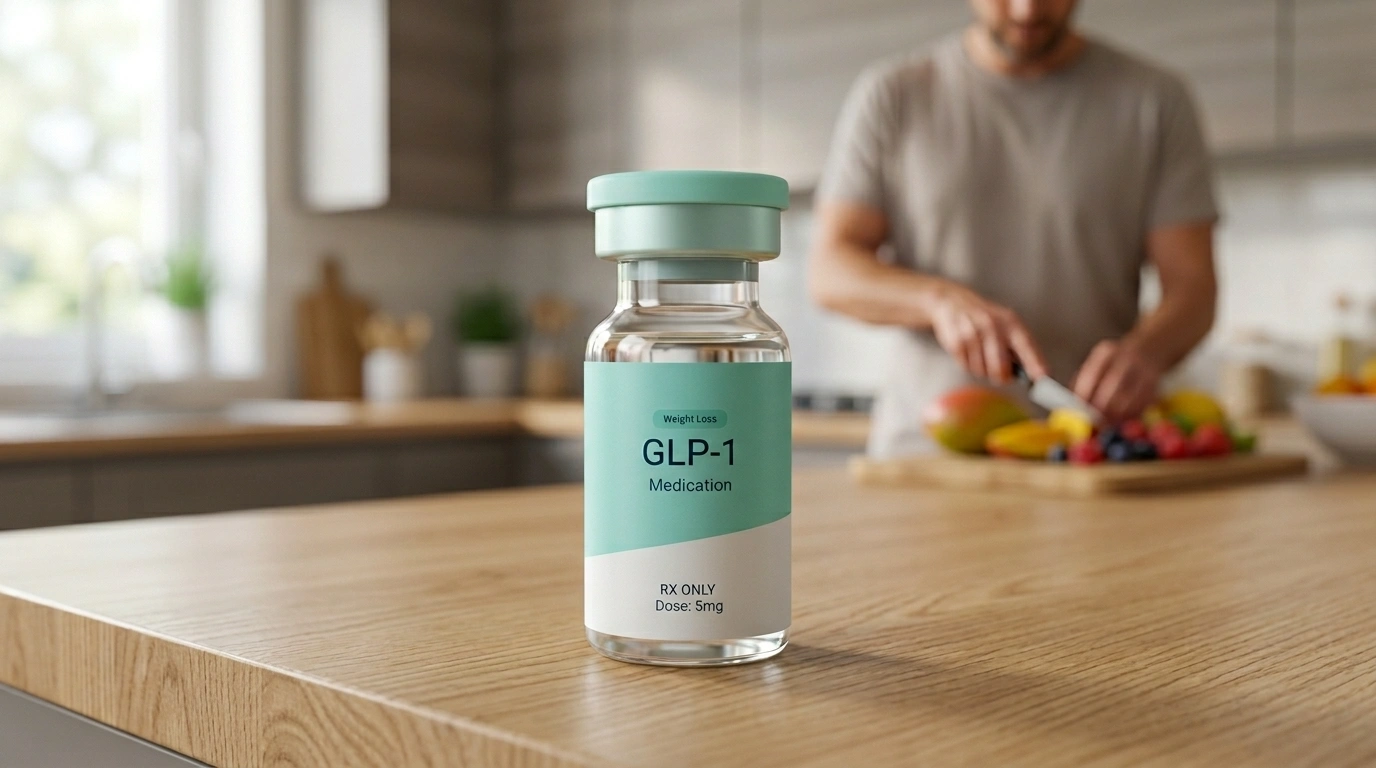
Starting a weight loss journey with a GLP-1 medication often changes your relationship with food faster than you might expect. Many people find that their cravings shift or that certain “heavy” foods no longer sit well. A common question we hear at TrimRx is whether classic favorites like a grilled steak are still on the menu. While there are no strictly “forbidden” foods on these medications, the way your body processes red meat changes significantly once you begin treatment.
If you’re just getting started, our free assessment quiz can help you see whether a personalized program is the right fit for your health history and goals.
This post covers why red meat can sometimes trigger discomfort, which cuts are safest to enjoy, and how to adjust your eating habits for the best results. We will also look at how to manage common digestive side effects while maintaining a high-protein diet. By the end of this article, you will have a clear plan for including steak in your routine without the common pitfalls of gastrointestinal distress.
How GLP-1 Medications Change Your Digestion
To understand why a steak might feel different now, it is helpful to understand how medications like Ozempic® or Wegovy® work. These drugs are known as GLP-1 receptor agonists. GLP-1 stands for glucagon-like peptide-1, which is a hormone your body naturally produces to regulate appetite and blood sugar.
One of the primary ways these medications support weight loss is through a process called delayed gastric emptying. In plain English, this means the medication tells your stomach to hold onto food for a longer period before moving it into the small intestine. This is why you feel full for hours after a small meal.
For a deeper look at that process, our article on how GLP-1 actually works for weight loss breaks down the appetite and digestion effects in more detail.
Quick Answer: Yes, you can eat steak while taking Ozempic®, but you may need to choose leaner cuts and eat smaller portions. Because the medication slows down your digestion, heavy or fatty red meats can stay in your stomach longer, potentially leading to nausea, bloating, or indigestion.
The Interaction Between Red Meat and Slowed Digestion
Red meat, especially a marbled steak, is naturally dense. It contains high levels of protein and varying amounts of fat. Even without medication, fat and protein take longer to digest than carbohydrates. When you add a GLP-1 medication to the mix, you create what some clinicians call a “double-slowing” effect.
The medication slows the stomach, and the high fat content of the steak slows it even further. When food sits in the stomach for too long, it can begin to feel heavy or lead to “sulfur burps,” which occur when gases build up during the prolonged digestive process. For some, this can escalate into significant nausea or even vomiting.
Why Fat Content Matters
Fat is the most significant factor in how well you will tolerate a steak. High-fat foods are known triggers for the side effects associated with semaglutide (the active ingredient in Ozempic®) and tirzepatide (the active ingredient in Mounjaro®).
When you consume a high-fat ribeye, for example, your gallbladder and pancreas must work harder to break down those lipids. Because the medication has already slowed the system, the fat can linger, leading to acid reflux or a feeling of “bricks” in the stomach.
Protein Density and Satiety
On the positive side, protein is essential for maintaining muscle mass during weight loss. Steak is a high-quality protein source. The challenge is finding the balance between getting enough protein to support your metabolism and avoiding the discomfort caused by the meat’s density.
Choosing the Right Cut of Steak
If you want to enjoy steak while on a GLP-1 program, the specific cut you choose makes a world of difference. At TrimRx, we encourage our community members to focus on lean protein sources that provide nutrition without overwhelming the digestive tract.
Best Lean Options
When shopping or dining out, look for these leaner cuts which are generally better tolerated:
- Eye of Round: One of the leanest cuts available.
- Sirloin Tip Side Steak: Very low in fat but still flavorful.
- Top Round: Often used for London Broil, this is a solid lean choice.
- Filet Mignon (Tenderloin): While more expensive, it is naturally leaner than a ribeye or T-bone if the exterior fat is trimmed.
If you want more ideas for building meals around protein, our tirzepatide nutrition guide covers how to structure meals that support satiety without overdoing fat.
Cuts to Approach with Caution
These cuts have higher marbling (intramuscular fat) and are more likely to cause issues:
- Ribeye: Known for its high fat content.
- T-Bone and Porterhouse: Contain a large amount of marbled fat.
- Prime Rib: Often served with a layer of fat and a heavy au jus.
- Ground Beef (80/20): High fat content can be problematic in burgers or meatloaf.
| Steak Cut | Fat Content | Tolerance Level on GLP-1s |
|---|---|---|
| Eye of Round | Very Low | High |
| Top Sirloin | Low | High |
| Filet Mignon | Moderate (if trimmed) | Medium |
| Ribeye | High | Low |
| Prime Rib | Very High | Low |
Practical Tips for Eating Steak on Ozempic
Eating steak is not just about the cut; it is also about the “how.” Adjusting your technique can help you enjoy your meal without the subsequent “Ozempic hangover.”
Step 1: Focus on Portion Size.
A standard steakhouse portion is often 8 to 12 ounces. On a GLP-1 medication, this is likely far too much for one sitting. Aim for 3 to 4 ounces—roughly the size of a deck of cards.
Step 2: Trim All Visible Fat.
Before cooking or eating, use a knife to remove any white fat from the edges of the meat. This significantly reduces the total fat load on your stomach.
Step 3: Choose Better Cooking Methods.
Avoid pan-searing in large amounts of butter or oil. Instead, try grilling, broiling, or air-frying. These methods allow excess fat to drip away from the meat.
Step 4: Chew Thoroughly.
Because your digestion is slower, your stomach has to work harder to break down solid chunks of meat. “Mechanical digestion”—the act of chewing—becomes much more important. Aim to chew each bite until it is almost liquid.
Step 5: Eat Your Protein First.
Since you will likely get full quickly, eat your steak at the beginning of the meal. This ensures you get your essential amino acids before your stomach signals that it is at capacity.
If digestion symptoms are a frequent concern, our piece on getting started with tirzepatide safely explains how personalized treatment planning can help you adjust more comfortably.
Key Takeaway: Success with red meat on GLP-1s depends on “Lean, Small, and Slow.” Choose lean cuts, keep the portion under 4 ounces, and eat slowly to allow your brain to catch up with your stomach’s fullness signals.
Managing Common Side Effects After Eating Meat
Even if you are careful, you might occasionally experience discomfort after a heavier meal. Understanding why these symptoms happen can help you manage them effectively.
Nausea and Indigestion
If you feel nauseated after eating steak, it is usually because the meat is sitting in the stomach longer than usual. To help, try to avoid lying down for at least two to three hours after eating. Gravity helps the digestive process. A light 10-minute walk after your meal can also stimulate gastric motility—the movement of food through the digestive tract.
The Problem with “Sulfur Burps”
Many patients report burps that smell like eggs after eating high-protein meals like steak. This happens when protein stays in the stomach so long that it begins to break down and release hydrogen sulfide gas. To minimize this, ensure you are staying hydrated. Water helps move things along. You might also consider a digestive enzyme if your healthcare provider agrees it is appropriate for you.
Heartburn and Reflux
Spices and heavy seasonings on your steak can exacerbate the heartburn already common with GLP-1 medications. If you find you are getting reflux, try seasoning your steak with simple salt and herbs rather than heavy garlic, onions, or spicy rubs.
The Importance of Personalized Care
Every body reacts differently to GLP-1 medications. While one person might eat a small steak with no issues, another might find that even a few bites cause distress. This is why the TrimRx approach focuses on personalized programs. We believe that weight loss is not a one-size-fits-all journey.
Our platform connects you with licensed healthcare providers who can help you navigate these dietary changes. If you want to see whether a medically supervised program makes sense for you, you can complete the free assessment quiz and review your options with a clearer picture of your next step.
Foods to Pair with Your Steak
What you eat with your steak can either help or hinder your digestion.
What to include:
- Cooked Vegetables: Raw vegetables like broccoli or cauliflower can be hard to digest and may cause gas. Steaming or roasting them makes them much gentler on the stomach.
- Hydrating Foods: Cucumbers or a small bowl of broth can help keep you hydrated, which is vital for digestion.
- Simple Grains: A small portion of quinoa or brown rice can provide fiber to help prevent constipation, a common side effect of both high-protein diets and GLP-1 medications.
What to avoid:
- Fried Sides: French fries or onion rings add a massive fat load that will almost certainly cause GI upset when paired with steak.
- Sugary Sauces: Many steak sauces are high in sugar, which can cause blood sugar spikes and subsequent crashes.
- Carbonated Drinks: Soda or sparkling water can add extra gas to an already slow digestive system, leading to painful bloating.
For readers who are also thinking about nutritional support while appetite is lower, our GLP-1 Daily Support supplement is designed for those moments when food intake drops and you want help staying on track.
When to Talk to Your Doctor
While mild nausea or bloating is common when starting a GLP-1 medication, certain symptoms require professional medical attention. If you experience severe abdominal pain, persistent vomiting, or an inability to keep down liquids, contact your healthcare provider immediately.
It is also important to consult a professional if you find you are unable to eat enough protein. Muscle loss is a risk during rapid weight loss, and if red meat is no longer an option for you, a provider can help you find alternatives like lean poultry, fish, or high-quality supplements.
At TrimRx, we offer 24/7 access to a dedicated team of specialists to help you manage these transitions. Whether you need to adjust your dosage or want advice on managing side effects, our team is there to support you.
Supplements to Support Your Journey
Sometimes, diet alone isn’t enough to manage the transition. If you are struggling with nutrient gaps because your appetite has decreased significantly, specific supplements can help.
For instance, our GLP-1 Daily Support is designed to provide essential nutrients that might be missing when your food intake drops. Additionally, if you find that your energy levels are low as you cut back on heavy foods like steak, our Weight Loss Boost supplement can provide a natural lift without the jitters associated with high-caffeine products.
If you want more background on how nutrition and medication work together, our article on building better results with tirzepatide explains how food choices support a GLP-1 routine.
Myth vs. Fact: Red Meat and GLP-1s
Myth: You must become a vegetarian to succeed on Ozempic®.
Fact: You do not need to cut out meat entirely. Most people find success by simply shifting toward leaner sources and smaller portions.
Myth: If a food makes you sick once, you can never eat it again.
Fact: Your tolerance often improves as your body adjusts to the medication. A steak that caused issues in week two might be perfectly fine by month three, especially if you follow the “Lean and Small” rule.
Building a Sustainable Lifestyle
The goal of using GLP-1 medications is not just to lose weight, but to build a lifestyle that you can maintain long-term. This means learning how to enjoy your favorite foods—like a good steak—in a way that respects your body’s new boundaries.
Sustainable weight loss is about balance. It is about choosing the filet over the ribeye, opting for a side of spinach over fries, and learning to stop eating the moment you feel satisfied. We are committed to helping you learn these cues. Our telehealth-first model means you can get the support you need from the comfort of your home, without the pressure of a traditional clinical setting.
For a broader look at getting started with a structured plan, our guide to starting a weight loss journey is a helpful next read.
Strategies for Dining Out
Dining at a steakhouse while on Ozempic® can feel intimidating, but it is entirely possible with a few adjustments:
- Order from the “Small Plates” or Appetizer Menu: Many steakhouses offer steak skewers or smaller 4-ounce medallions as starters.
- Ask for the “Doggie Bag” Early: When your meal arrives, immediately ask for a box and put half (or more) of the steak inside. This removes the temptation to overeat.
- Request “No Butter”: Many high-end steakhouses finish their steaks with a large pat of butter. Ask the kitchen to leave this off to save on the heavy fats that trigger nausea.
- Share the Entree: Sharing a steak with a friend is a great way to enjoy the flavor without the risk of overindulgence.
Bottom Line on Steak and GLP-1s
Steak can remain a part of your diet while you are on a weight loss journey, provided you are mindful of the fat content and portion size. By choosing lean cuts, cooking with less oil, and eating slowly, you can reap the protein benefits of red meat without the digestive downsides.
Bottom line: While the “double-slowing” effect of red meat and GLP-1s can cause discomfort, choosing lean cuts like top sirloin and limiting portions to 4 ounces allows most people to enjoy steak safely.
Conclusion
Navigating your diet on a GLP-1 medication requires a bit of trial and error, but you don’t have to do it alone. At TrimRx, we believe in a science-backed, empathetic approach to weight management. We understand that being able to enjoy a meal with your family is just as important as the numbers on the scale. Our personalized programs are designed to give you the tools, medication, and professional support necessary to make these dietary shifts permanent and painless.
If you are ready to see how a personalized, medically supervised program can change your life, the first step is simple. By taking our free assessment quiz, you can discover which options are best suited for your health history and your goals. We are here to help you embrace a healthier lifestyle through transparency, clinical expertise, and constant support.
Next Steps:
- Take the free assessment quiz to check your eligibility for a personalized program.
- Review our lean protein guide for more meal ideas.
- Explore our GLP-1 Daily Support supplement to fill nutritional gaps.
FAQ
Why does steak make me feel so full on Ozempic®?
Steak is high in protein and fat, both of which naturally take a long time to digest. Because Ozempic® further slows your stomach’s emptying process, the steak stays in your system much longer than usual, leading to an intense or even uncomfortable feeling of fullness.
Can I eat a burger while on a GLP-1 medication?
You can, but it is best to choose very lean ground beef (90% lean or higher) and avoid the extra fats found in cheese, bacon, or fried toppings. Eating the burger without the bun or using a lettuce wrap can also help reduce the overall volume of the meal, making it easier to digest.
What are “sulfur burps” and does steak cause them?
Sulfur burps are gas bubbles that smell like rotten eggs, caused by food sitting in the stomach for an extended period. Because steak is a dense protein that digests slowly, it is a common culprit for this side effect when your digestion is already slowed by medication.
Is it better to eat steak for lunch or dinner?
Many people find it better to eat heavier proteins like steak for lunch rather than dinner. Eating “heavy” foods earlier in the day gives your body more time to move the food through your system before you lie down to sleep, which can help prevent nighttime acid reflux and indigestion.
Disclaimer: This content is for informational purposes only and does not constitute medical advice. It is not intended to diagnose, treat, cure, or prevent any disease or condition. Individual results may vary. Always consult a qualified healthcare professional before starting any weight loss program or medication.

Transforming Lives, One Step at a Time
Keep reading
I Took My Ozempic Two Days in a Row by Accident
Call for guidance now rather than waiting to see how you feel. In the United States, Poison Control is available free and around the…

Why Does My Ozempic Injection Sting More Some Weeks Than Others?
Because more variables change between injections than most people realize. Temperature of the medication, which site you used, how deep the needle went, how…

How to Store Your Ozempic Pen During a Power Outage
Keep the refrigerator door closed. An unopened refrigerator holds a safe temperature for roughly four hours, and a full freezer holds for considerably longer….


