Can I Take Ozempic with No Gallbladder? Safety and Side Effects
Introduction
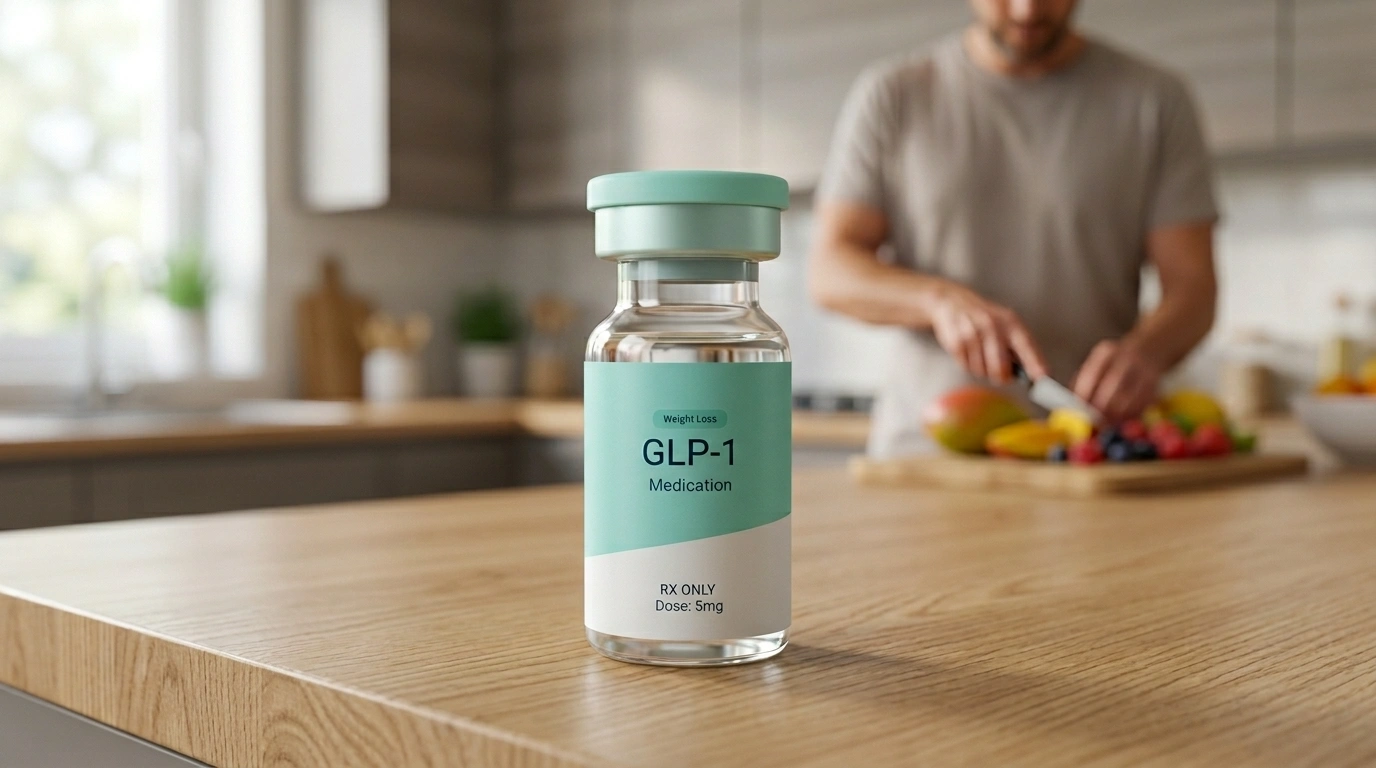
You have finally decided to prioritize your metabolic health and explore modern weight loss options. However, a past surgery leaves you with a lingering concern: can I take Ozempic with no gallbladder? This is a common question for many adults who have undergone a cholecystectomy, which is the surgical removal of the gallbladder. Whether the surgery happened years ago or is a recent event, understanding how GLP-1 medications interact with a modified digestive system is essential for your safety and success.
At TrimRx, we recognize that every weight loss journey is unique, especially when your medical history includes major abdominal surgery. This article will explain the safety of using semaglutide without a gallbladder, the potential side effects you might face, and how a personalized approach can help you manage your health goals. We will cover clinical considerations, dietary adjustments, and how to navigate this process through our telehealth platform. Ultimately, while having no gallbladder does not typically disqualify you from treatment, it does require a thoughtful, medically supervised strategy.
What is Ozempic?
Ozempic® is a brand-name prescription medication that contains the active ingredient semaglutide. It belongs to a class of drugs known as GLP-1 receptor agonists. GLP-1 stands for glucagon-like peptide-1, which is a hormone your body naturally produces in the gut. This hormone plays a vital role in regulating your appetite and how your body processes sugar.
When you take a medication like semaglutide, it mimics this natural hormone but lasts much longer in the bloodstream. It works by targeting areas of the brain that regulate hunger. This helps you feel full faster and stay full for a longer period. Additionally, it slows down gastric emptying, which is the process of food moving from your stomach into your small intestine. For a broader explanation, read this guide to how GLP-1 medications work.
While the medication was originally developed and FDA-approved to treat type 2 diabetes, its ability to support weight management has made it a widely discussed option for those struggling with obesity or weight-related health conditions. It is important to remember that Ozempic is a branded product. Many patients now access the same active ingredient through compounded semaglutide, which is prepared by specialized pharmacies.
The Role of the Gallbladder in Your Body
To understand if you can take Ozempic with no gallbladder, you first need to understand what that organ actually does. The gallbladder is a small, pear-shaped sac located just under your liver. Its primary job is to store and concentrate bile. Bile is a fluid produced by the liver that helps your body break down and digest fats.
When you eat a meal containing fat, your gallbladder contracts. This pushes the stored bile into the small intestine to help with digestion. If you do not have a gallbladder, your liver still produces bile, but it no longer has a storage tank. Instead, the bile drips continuously and directly into the small intestine. This guide to weight management after gallbladder removal provides additional context.
Most people have their gallbladder removed because of gallstones. These are hard deposits that form when bile contains too much cholesterol or waste. Gallstones can cause intense pain, inflammation, and blockages. Once the organ is removed, the body adapts, but the way you process high-fat meals often changes permanently.
Can I Take Ozempic with No Gallbladder?
The short answer is yes. Most clinical experts agree that having no gallbladder does not prevent you from using Ozempic or other semaglutide medications. In fact, many individuals who have undergone a cholecystectomy find great success with these treatments. However, there are specific physiological changes you must account for during your program.
One reason people worry about this is because Ozempic has been linked to gallbladder issues in patients who still have the organ. Clinical studies have shown that GLP-1 medications can increase the risk of gallstones or gallbladder inflammation in some people. If you no longer have a gallbladder, you are obviously not at risk for gallstones within that organ. You can also review this Ozempic and gallbladder health overview.
However, you still have bile ducts. These are the tubes that carry bile from the liver to the intestine. There is a very small risk of developing stones within these ducts. Because of this, it is essential to work with a licensed healthcare provider who can monitor your symptoms and ensure the medication is working safely with your specific anatomy. If you want to explore whether a prescription program may be appropriate, complete the free eligibility assessment.
Quick Answer: Yes, you can generally take Ozempic after gallbladder removal. Since the organ is already gone, you are no longer at risk for gallstones, but you must still monitor for digestive side effects and bile duct health under medical supervision.
Managing Digestive Side Effects Without a Gallbladder
One of the most significant challenges of taking semaglutide without a gallbladder is managing gastrointestinal side effects. Both the medication and the lack of a gallbladder can affect your digestion in similar ways. When you combine them, these symptoms can sometimes become more pronounced.
The most common side effects of Ozempic include:
- Nausea and occasional vomiting
- Diarrhea or loose stools
- Abdominal bloating and gas
- Heartburn or acid reflux
Many people who have had their gallbladder removed already experience “post-cholecystectomy syndrome.” This can involve frequent diarrhea or gas, especially after eating greasy or heavy meals. Because semaglutide slows down how fast food leaves your stomach, it can sometimes exacerbate these existing issues. For additional information, see this guide to managing common semaglutide side effects.
If you experience increased diarrhea, it is often because the continuous drip of bile into your intestine is not being properly “timed” with the slower movement of food caused by the medication. Adjusting your dosage slowly and focusing on your diet are the two most effective ways to mitigate these discomforts.
The Importance of Personalized Care
Because your digestive system functions differently after surgery, a “one size fits all” approach to weight loss rarely works. This is where a personalized program becomes vital. At TrimRx, our process begins with a comprehensive health assessment to understand your surgical history and current symptoms.
A licensed provider needs to know when your gallbladder was removed and if you have any lingering digestive issues. They use this information to determine the right starting dose for you. For someone without a gallbladder, a “low and slow” approach to increasing the dosage is often recommended. This gives your body and your liver’s bile production more time to adjust to the medication.
By using a telehealth platform, you have the advantage of ongoing support. If you notice that your digestion is struggling, you can communicate with a specialist without waiting weeks for an in-person appointment. This constant loop of feedback ensures that your treatment remains both safe and effective. If you are ready to discuss your history with a provider, start with a free assessment.
Does Ozempic Cause Gallbladder Issues?
It is a known fact that GLP-1 medications like Ozempic, Wegovy®, and Mounjaro® can increase the risk of gallbladder-related events in people who still have the organ. This usually happens for two reasons. First, the medication can slow down the contraction of the gallbladder, which allows bile to sit still and form stones. Second, rapid weight loss itself is a known trigger for gallstones.
When you lose weight quickly, your liver secretes more cholesterol into the bile. If that bile stays in the gallbladder too long, stones form. For those who have already had their gallbladder removed, this specific risk is eliminated. You cannot get gallstones in an organ that no longer exists. For more related information, read about Wegovy and gallstone concerns.
However, it is important to note that the medical community still keeps a close watch on bile duct health. Even without a gallbladder, the liver and the ducts are part of the same system. This is why you should never start a GLP-1 medication without a prescription and medical oversight, even if you feel “safe” because your gallbladder is gone.
Dietary Strategies for Success
If you are taking semaglutide without a gallbladder, your diet is your most powerful tool for avoiding side effects. Your liver is now providing a steady stream of bile rather than a large burst when you eat fat. Therefore, eating large amounts of fat at once can overwhelm your system.
Consider these dietary tips:
- Eat Smaller, More Frequent Meals: Instead of three large meals, try five small ones. This matches the continuous flow of bile from your liver.
- Focus on Lean Proteins: Chicken, turkey, fish, and tofu are easier for your body to process than marbled steaks or fried foods.
- Increase Fiber Gradually: Fiber helps regulate bowel movements, but adding too much too fast while on semaglutide can cause significant bloating.
- Prioritize Hydration: Diarrhea and slower digestion both require plenty of water to keep your system moving and prevent dehydration.
Many people find that their tolerance for certain foods changes once they start their weight loss program. Keeping a food journal for the first few weeks can help you identify which foods trigger nausea or diarrhea. This allows you to refine your diet to support both your weight loss goals and your digestive comfort.
Weight Loss Benefits After Gallbladder Removal
Interestingly, some studies suggest that gallbladder removal can actually lead to subtle metabolic changes that make weight gain easier for some people. Changes in the gut microbiome and bile acid signaling can impact how your body stores fat. For these individuals, a GLP-1 medication can be a powerful tool to reset their metabolic health.
By mimicking the natural GLP-1 hormone, semaglutide helps improve insulin sensitivity. This is crucial because many people who struggle with gallbladder issues also have underlying metabolic concerns, such as insulin resistance. Taking a proactive step to manage your weight can also reduce the strain on your liver, which is now working harder to manage bile production.
Sustainable weight loss also reduces the overall inflammation in the body. For someone who has had surgery, maintaining a healthy weight is one of the best ways to ensure long-term wellness and prevent future complications in the digestive tract.
Understanding Compounded vs. Branded Medications
When discussing semaglutide, it is important to distinguish between branded products and compounded options. Ozempic and Wegovy are branded versions of semaglutide produced by a specific manufacturer. These are FDA-approved for their specific labeled uses.
Because of high demand and cost, many people choose to use compounded semaglutide. Compounded medications are prepared by licensed pharmacists in FDA-registered and inspected compounding pharmacies. These pharmacies mix the active ingredient to create a medication that meets a specific patient’s needs.
While compounded semaglutide is not “FDA-approved” in the same way a brand-name drug is, it is a common and legal way for patients to access treatment through telehealth platforms like ours. We connect you with licensed providers who can prescribe the most appropriate form of medication for your health profile, whether that is a branded injection or a compounded version.
The Role of Telehealth in Your Journey
Navigating weight loss after surgery can feel overwhelming, but modern technology makes it simpler. Telehealth eliminates the need for crowded waiting rooms or awkward conversations in person. You can complete your entire assessment from the comfort of your home.
The process typically involves a detailed health quiz, where you will mention your gallbladder surgery. A licensed provider reviews this data, orders any necessary lab work, and determines if you are a good candidate for the program. This model allows for continuous monitoring. If you experience side effects related to your digestion, you can easily reach out to our team for guidance.
We believe that transparency and accessibility are key to sustainable weight loss. By removing the barriers to care, we help you stay consistent with your program, which is the most important factor in seeing real results.
Supporting Your Body with Nutrients
When you take a GLP-1 medication and you do not have a gallbladder, your body’s ability to absorb certain nutrients can be affected. Bile is necessary for the absorption of fat-soluble vitamins, such as vitamins A, D, E, and K. Because Ozempic slows digestion and you have a constant bile drip, you might need extra support to ensure your nutrient levels remain optimal.
At TrimRx, we offer quick-access supplements like GLP-1 Daily Support and Weight Loss Boost. These are designed to complement your prescription program. Weight Loss Boost can provide metabolic support during weight loss while your body adapts to a lower calorie intake and a different digestive rhythm.
Taking a holistic view of your health means looking beyond just the number on the scale. It means ensuring your gut is healthy, your energy is stable, and your body has the building blocks it needs to thrive during your weight loss transformation.
When to Contact a Healthcare Provider
While most people tolerate semaglutide well without a gallbladder, you should always be aware of “red flag” symptoms. Because you still have bile ducts and a pancreas, you need to watch for signs of rare but serious complications.
Contact a professional immediately if you experience:
- Severe, persistent pain in the upper right or center of your abdomen
- Yellowing of the eyes or skin (jaundice)
- High fever accompanied by abdominal pain
- Vomiting that prevents you from keeping liquids down
These symptoms could indicate a blockage in a bile duct or inflammation of the pancreas (pancreatitis). While these are rare, they require immediate medical evaluation. Regular check-ins with your telehealth provider help catch minor issues before they become serious problems.
Key Takeaway: While Ozempic is generally safe without a gallbladder, you should prioritize low-fat meals and gradual dose increases to avoid worsening digestive side effects like diarrhea and nausea.
Preparing for Your Consultation
Before you start a program, it is helpful to gather your medical details. Knowing the date of your gallbladder surgery and any complications you had during recovery will help your provider give you the best advice. You should also make a list of any other medications or supplements you are currently taking.
During your consultation, do not be afraid to ask specific questions about your digestion. Ask how to handle a “flare-up” of diarrhea or what to do if the nausea feels unmanageable. A good provider will give you a clear plan of action. Being prepared helps you start your journey with confidence rather than anxiety.
Realistic Expectations for Weight Loss
It is important to have a realistic timeline for your results. Weight loss on semaglutide is a journey, not an overnight event. Most people start at a very low dose to test their tolerance. For someone without a gallbladder, this initial phase is critical for ensuring your digestion can handle the medication.
You may not see significant weight loss in the first few weeks, and that is okay. The goal is to build a sustainable foundation. Over time, as your dose increases and your body adjusts, you will likely notice a significant reduction in food cravings and a steady decline in weight. Combined with a healthy lifestyle, these medications can lead to profound improvements in your metabolic health.
Bottom line: Having no gallbladder is rarely a barrier to taking Ozempic, but success requires a personalized dosage plan and a diet that accounts for how your body now processes fats.
Starting Your Path with TrimRx
Our mission at TrimRx is to help you embrace a healthier lifestyle through science, empathy, and a transparent approach. We understand that weight loss is not just about willpower; it is about biology. Whether you are managing life after surgery or just looking for a way to break through a weight loss plateau, we are here to guide you.
Our platform offers a seamless way to access doctor consultations, lab work, and medication—all shipped directly to your door from inspected compounding pharmacies. By focusing on your unique health profile, including your surgical history, we help you navigate the complexities of GLP-1 therapy with confidence.
Conclusion
Can you take Ozempic with no gallbladder? The evidence suggests that for the vast majority of people, the answer is a definitive yes. While you may face a slightly higher risk of digestive side effects like diarrhea or nausea, these can usually be managed through a careful, medically supervised program and smart dietary choices. Without a gallbladder, you actually bypass the risk of gallstones that some other patients face, though you must still remain vigilant about your overall digestive health.
Sustainable weight loss is about more than just a prescription; it is about finding a program that understands your body’s specific needs. We invite you to take the next step in your health journey. By prioritizing personalized care and clinical expertise, you can reach your goals safely and effectively.
Take the free assessment quiz today to see if our personalized weight loss program is right for you.
FAQ
Is the risk of side effects higher if I don’t have a gallbladder?
Some patients report more frequent diarrhea or nausea because the medication slows down digestion while bile flows continuously into the small intestine. However, these symptoms are often temporary and can be managed by adjusting your diet and increasing your medication dose very slowly. Most people find that their bodies adapt after the first few weeks of treatment.
Can semaglutide cause problems in my bile ducts?
While you cannot get gallstones in your gallbladder once it is removed, there is a very small risk of stones forming in the bile ducts. This is rare and is usually associated with very rapid weight loss rather than the medication itself. Working with a healthcare provider ensures that your weight loss progress is steady and safe to minimize this risk.
Do I need to follow a special diet while taking Ozempic without a gallbladder?
It is highly recommended to follow a low-fat diet to avoid overwhelming your digestive system. Since your liver drips bile constantly rather than storing it, eating high-fat meals can lead to “fat malabsorption,” which causes urgency and loose stools. Focus on smaller portions and lean proteins to keep your digestion smooth while on the medication. For additional guidance, review these diet and digestion strategies after gallbladder removal.
How soon after gallbladder surgery can I start Ozempic?
Most providers recommend waiting until you have fully recovered from surgery and your digestive symptoms have stabilized. This typically takes several weeks to a few months, depending on your individual recovery. It is essential to consult with your surgeon and your weight loss provider to determine the safest timeline for your specific situation. If you are ready to discuss your medical history with a provider, complete a free assessment.
Disclaimer: This content is for informational purposes only and does not constitute medical advice. It is not intended to diagnose, treat, cure, or prevent any disease or condition. Individual results may vary. Always consult a qualified healthcare professional before starting any weight loss program or medication.

Transforming Lives, One Step at a Time
Keep reading
Can You Take Melatonin on Ozempic?
Generally yes, and it is worth mentioning to your provider as you would any supplement. There is no known interaction between melatonin and semaglutide….
Can You Take Ibuprofen on Ozempic?
For occasional use in someone who is well hydrated and has healthy kidneys, ibuprofen is generally considered reasonable, and it is worth checking with…

Why Do I Feel Best Two Days After My Ozempic Injection?
Because you are noticing the shape of a weekly dose, and day two often sits in a useful window: the initial side effects have…


