What Happens If You Take a Double Dose of Zepbound?
Introduction
It is a common Sunday evening scenario: you are preparing your weekly injection and suddenly realize you cannot remember if you already took your medication this morning. Or perhaps a technical error with the injection pen makes you wonder if the full dose was delivered, leading you to consider a second shot. If you find yourself asking what happens if you take a double dose of Zepbound, you are not alone. Medication errors are a frequent source of anxiety for those navigating new weight loss journeys.
At TrimRx, we believe that understanding the science behind your treatment is the best way to stay safe and confident. If you are still exploring whether prescription GLP-1 treatment fits your needs, you can take the free assessment quiz to see what comes next. This article will explain the physiological effects of taking too much Zepbound® (tirzepatide), the specific symptoms to monitor, and the immediate steps you should take if an accidental double dose occurs. While these medications are powerful tools for metabolic health, adhering to a precise schedule is essential for your comfort and safety. If you are also looking for additional support during treatment, the GLP-1 Daily Support supplement and Weight Loss Boost supplement may be worth exploring.
What is Zepbound and How Does It Work?
Zepbound® is a brand-name injectable medication containing the active ingredient tirzepatide. It is a dual GIP (glucose-dependent insulinotropic polypeptide) and GLP-1 (glucagon-like peptide-1) receptor agonist. In plain English, a receptor agonist is a substance that mimics the natural hormones your body produces after eating.
These hormones work together to help regulate your appetite and metabolic processes. The GLP-1 component targets the brain to signal fullness and slows down gastric emptying, which is the process of food leaving your stomach. The GIP component is thought to further improve how the body breaks down sugar and fat. By mimicking both, the medication provides a “dual-action” approach to weight management. For a deeper look at how tirzepatide is used in a treatment plan, see our guide on how to get tirzepatide for weight loss.
Because this medication is so potent, healthcare providers use a titration schedule. This means you start at a very low dose—usually 2.5 mg—to allow your body to adjust. Every four weeks, the dose is typically increased until a maintenance level is reached. This gradual “ramp-up” is specifically designed to minimize the digestive side effects that can occur as the body learns to process the higher hormone levels.
What Happens During a Double Dose?
Quick Answer: Taking a double dose of Zepbound® significantly increases the risk of severe gastrointestinal distress, including intense nausea, vomiting, and diarrhea. While not usually life-threatening for most healthy adults, it can lead to complications like severe dehydration or low blood sugar (hypoglycemia).
When you take double the prescribed amount, you are essentially bypassing the titration process that your doctor carefully planned. Your body is suddenly flooded with a higher concentration of the medication than it is prepared to handle. This typically leads to an intensification of the drug’s primary side effects. For more context on how side effects tend to appear and improve over time, read our overview of tirzepatide side effects.
Immediate Gastrointestinal Impact
The most immediate and common result of a double dose is significant digestive upset. Because the medication slows your digestion so effectively, having twice the amount in your system can cause your digestive tract to feel as if it has come to a temporary standstill. This often manifests as:
- Severe Nausea: A persistent feeling of sickness that may not respond well to over-the-counter remedies.
- Vomiting: Frequent or “projectile” vomiting as the body attempts to clear the stomach.
- Abdominal Pain: Sharp cramping or a heavy, bloated sensation in the upper or lower abdomen.
- Diarrhea or Constipation: Extreme shifts in bowel habits as the dual hormones affect the intestinal lining.
The Risk of Hypoglycemia
While tirzepatide is designed to regulate blood sugar rather than force it down, a double dose can occasionally cause hypoglycemia, or dangerously low blood sugar. This is more common in individuals who are also taking other medications for type 2 diabetes, such as insulin or sulfonylureas. Symptoms of low blood sugar include:
- Dizziness or lightheadedness
- Shakiness or tremors
- Excessive sweating and chills
- Confusion or irritability
- Rapid heartbeat
Dehydration and Electrolyte Imbalance
If the double dose leads to persistent vomiting or diarrhea, the most significant secondary risk is dehydration. When you lose fluids faster than you can replace them, your kidneys can come under stress. Signs of clinical dehydration include dark-colored urine, extreme thirst, dry mouth, and a feeling of faintness when standing up.
Key Takeaway: A double dose primarily triggers an “overdose” of the medication’s intended effects on the gut, leading to a much higher intensity of common side effects rather than entirely new medical symptoms.
Immediate Steps to Take After a Double Dose
If you realize you have taken a double dose of Zepbound®, the first and most important step is to stay calm. Most people who experience a dosing error can manage their symptoms at home with proper guidance and monitoring.
Step 1: Contact Your Healthcare Provider
Do not wait for symptoms to begin before reaching out. Call the doctor who prescribed the medication or your telehealth provider. They need to be aware of the error so they can advise you on whether to skip your next dose and how to manage your specific health profile. If you are a member of a platform like ours, you can utilize your access to clinical specialists for immediate guidance. If you are considering starting treatment rather than troubleshooting an error, you can also complete the free assessment quiz to get personalized next steps.
Step 2: Focus on Hydration
Since vomiting and diarrhea are the most likely outcomes, you must stay ahead of fluid loss. Do not try to chug large amounts of plain water, as this can sometimes trigger more vomiting. Instead, take small, frequent sips of:
- Electrolyte-replacement drinks
- Clear bone broth
- Water with a pinch of salt and a squeeze of lemon
- Ice chips
Step 3: Monitor for “Red Flag” Symptoms
While most cases are manageable, some reactions require urgent medical attention. Seek emergency care or visit an urgent care center if you experience:
- An inability to keep down any liquids for more than 12 hours.
- Severe, persistent pain in the upper abdomen that radiates to the back (a potential sign of pancreatitis).
- Signs of a severe allergic reaction (hives, swelling of the face or throat, difficulty breathing).
- Fainting or loss of consciousness.
Step 4: Manage Mild Symptoms at Home
If your doctor confirms you can stay home, focus on comfort. Eat very small amounts of bland foods like crackers or toast if you feel up to it. Avoid fatty, fried, or highly sugary foods, as these will likely worsen the nausea caused by the doubled medication levels.
How to Handle Future Doses
One of the most confusing parts of a double dose is knowing when to take your next shot. You should never “guess” your way through the next week.
The 72-Hour Rule Manufacturer guidelines generally state that if you miss a dose, you can take it as long as there are at least 3 days (72 hours) until your next scheduled dose. However, if you have doubled your dose, your provider will likely instruct you to skip your next scheduled dose entirely. This allows the concentration of the medication in your bloodstream to return to a safe level. If you are comparing how different missed-dose situations are handled, our article on missing a dose of Ozempic can help you understand the broader pattern.
Resetting Your Schedule If you skip a week to recover from a double dose, you may find that your “injection day” needs to shift. Work with your clinical team to determine the best day to restart. In many cases, it is safest to wait until all gastrointestinal symptoms have completely resolved before introducing more medication into your system.
The Importance of the Titration Schedule
To understand why a double dose feels so intense, it helps to understand why the 2.5 mg, 5 mg, and 7.5 mg increments exist. The body’s GLP-1 and GIP receptors are found throughout the brain and the gut. When these receptors are activated for the first time—or at a significantly higher volume—they trigger a “slow down” signal to the entire digestive system.
If you are currently prescribed 5 mg and accidentally take two 5 mg pens (10 mg total), you are jumping two levels ahead of where your body is acclimated. This sudden change is what causes the “shocks” to the system. This is why we emphasize a personalized approach. At TrimRx, our programs are built around this gradual adjustment, ensuring that each patient moves at a pace that their body can handle. For a closer look at dose escalation, see our post on Zepbound dosing for beginners.
Bottom line: The titration schedule is a safety mechanism. Doubling a dose bypasses this mechanism, leading to a temporary but intense period of side effects as the body struggles to process the excess hormones.
Preventing Future Dosing Errors
Accidents happen, but there are several strategies you can use to ensure you never have to worry about a double dose again.
- Use a Tracking App: Many people find success using a simple medication reminder app that requires them to “check off” the dose as soon as it is administered.
- Mark Your Calendar: If you prefer physical records, put a large “X” on a kitchen calendar immediately after your shot.
- Consistent Timing: Try to take your injection at the same time on the same day every week. Making it part of a routine—such as every Sunday morning after breakfast—makes it harder to forget if you have already done it.
- The “Pen Disposal” Method: Only take one pen out of the refrigerator at a time. Once used, immediately place the pen in a sharps container. If the pen is in the container, the dose has been taken.
How TrimRx Supports Your Journey
Navigating the world of GLP-1 and GIP medications can feel overwhelming, especially when questions about safety and dosing arise. We provide a telehealth-first platform that connects you with licensed providers who understand these nuances. Our mission is to provide more than just a prescription; we provide a partnership.
Our personalized programs include:
- Clinical Oversight: You are never alone in your treatment. If a mistake happens, our team is available to help you navigate the next steps.
- Product Support: For those dealing with the standard (or amplified) side effects of these medications, we offer products like the GLP-1 Daily Support supplement. This is designed to help manage the nutritional and digestive needs of those on a weight loss journey.
- Energy Support: If lower intake leaves you feeling run down, the Weight Loss Boost supplement can be a helpful option to explore.
- Simplicity: No hidden fees and no waiting rooms. Everything from the assessment to the shipping is handled through our streamlined online platform.
If you are just starting or looking for a more supported way to manage your weight, taking our free assessment quiz is the first step toward a program tailored specifically to your medical history and goals.
Compounded vs. Branded Medications
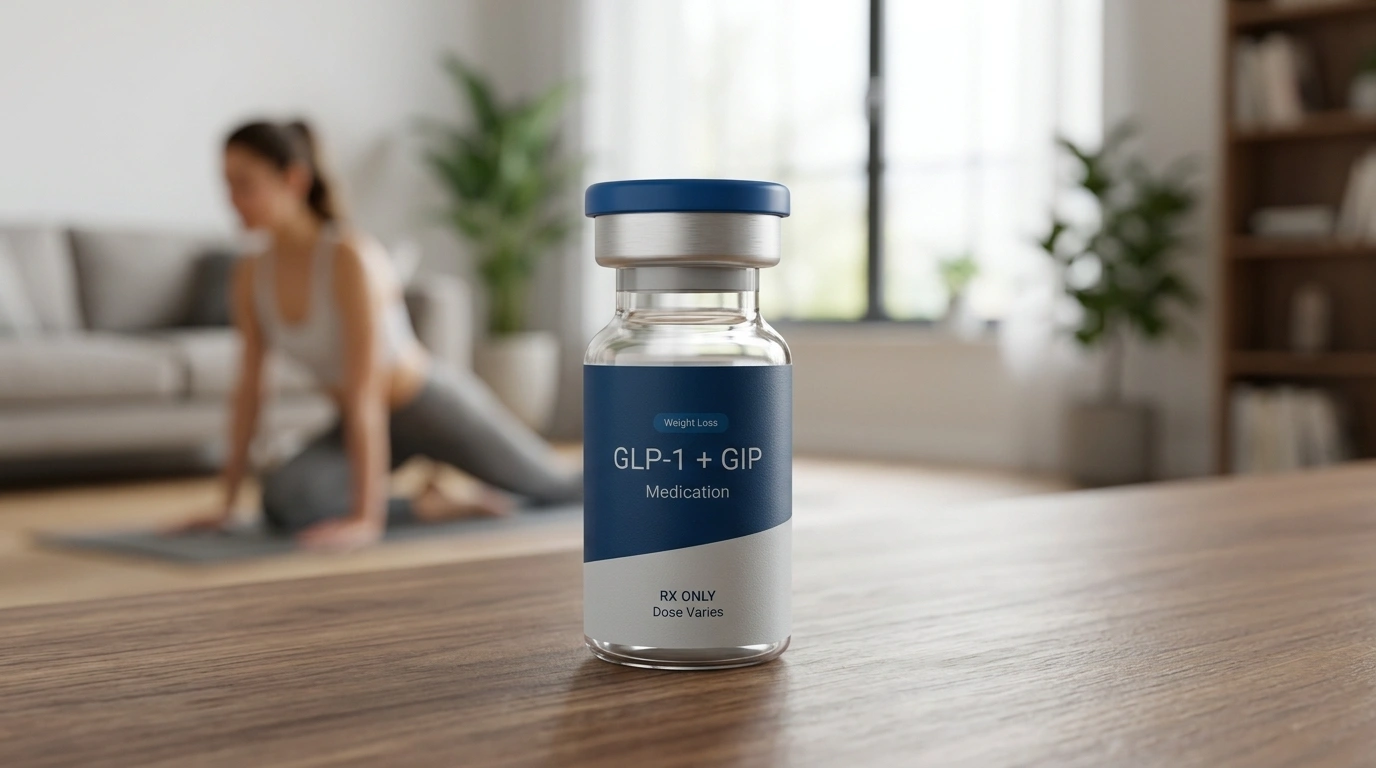
It is important to understand the landscape of the medications being discussed. Branded medications and compounded options may differ in formulation and availability, but the dosing safety rules remain the same. Regardless of whether you use a branded pen or a compounded vial, never double your dose and always follow your provider’s specific instructions.
Conclusion
Taking a double dose of Zepbound® is an uncomfortable experience, but for most people, it is a manageable one. The primary risks involve significant nausea, vomiting, and potential dehydration. By staying hydrated, monitoring your symptoms closely, and communicating with your healthcare provider, you can navigate the error safely.
At TrimRx, we are committed to helping you achieve sustainable weight loss through science and empathy. We know that the journey to better health is rarely a straight line, and we are here to provide the clinical expertise and support needed to keep you on track—even when accidents happen.
Next Step: If you are ready for a medically supervised weight loss program that prioritizes your safety and personalized needs, take our free assessment quiz today to explore your options.
FAQ
What should I do if I can’t stop vomiting after a double dose?
If you cannot keep down water or electrolyte drinks for more than 12 hours, you should seek immediate medical attention. Prolonged vomiting can lead to severe dehydration and electrolyte imbalances that may require intravenous (IV) fluids in a clinical setting.
Will a double dose make me lose weight faster?
No, taking a double dose will not lead to faster sustainable weight loss. Instead, it is likely to make you feel very ill, which can disrupt your ability to maintain the healthy eating habits and physical activity necessary for long-term success. Consistency, not intensity, is the key to GLP-1 and GIP treatments.
How long does a double dose of Zepbound stay in my system?
Tirzepatide has a “half-life” of about five days, meaning it takes that long for half of the medication to leave your system. If you take a double dose, it will take longer for the levels to drop back to your normal range, which is why your provider may suggest skipping your next weekly shot.
Can I take over-the-counter anti-nausea medication?
Some over-the-counter options may help, but you must consult your healthcare provider before taking any additional medication. Since Zepbound® already slows your digestion, adding other drugs could interact with your treatment or mask symptoms that your doctor needs to monitor.
Disclaimer: This content is for informational purposes only and does not constitute medical advice. It is not intended to diagnose, treat, cure, or prevent any disease or condition. Individual results may vary. Always consult a qualified healthcare professional before starting any weight loss program or medication.

Transforming Lives, One Step at a Time
Keep reading

Why Is There a Bruise Where I Injected My Zepbound?
A bruise means a small blood vessel was disturbed under the skin and blood spread into the surrounding tissue. It is one of the…
My Zepbound Pen Won’t Click Past a Certain Dose
Start by checking which device you are holding, because the answer depends entirely on that. Zepbound has commonly been supplied in the United States…
Zepbound Alternatives: Your Options Compared
If Zepbound isn’t the right fit, the main alternative is semaglutide (sold as Wegovy), which produces slightly less weight loss but works similarly, along…


