Why Does Zepbound Cause Insomnia?
Introduction
Lying awake at 3:00 AM while the rest of the world sleeps is a frustrating experience, especially when you are working hard to improve your health. For many individuals starting their weight loss journey with Zepbound®, this sudden change in sleep patterns can feel like an unexpected hurdle. While most people associate GLP-1 medications primarily with digestive changes, sleep disturbances like insomnia are increasingly reported by those using these advanced treatments. At TrimRx, we believe that understanding the “why” behind your body’s response is the first step toward finding a solution that works for your lifestyle.
This article explores the biological reasons why tirzepatide—the active ingredient in Zepbound®—may disrupt sleep, ranging from its impact on brain chemistry to metabolic shifts. We will also discuss practical management strategies to help you get the rest you need while staying on track with your goals. Understanding these mechanisms helps you navigate your treatment with confidence and clarity. For additional context, review this GLP-1 side effects overview.
The Science of Tirzepatide and Sleep
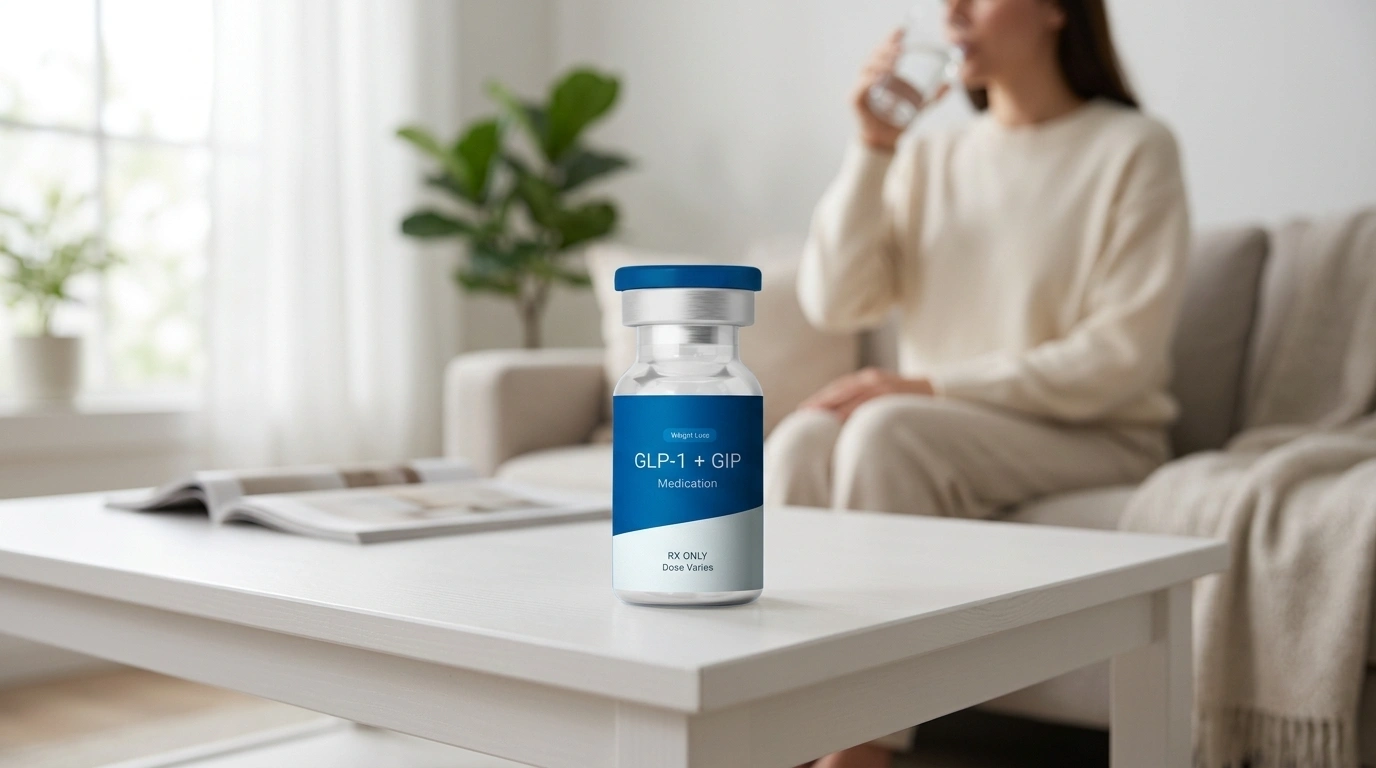
To understand why sleep might be harder to come by, we must first look at what tirzepatide actually is. Zepbound® is a dual agonist, meaning it mimics two different hormones in the body: glucagon-like peptide-1 (GLP-1) and glucose-dependent insulinotropic polypeptide (GIP). These hormones are naturally produced in the gut and play a significant role in how we process food and feel full.
GLP-1 receptor agonists are well-known for slowing down stomach emptying and signaling the brain that you are satisfied. However, tirzepatide adds the GIP component, which is unique compared to older medications like Wegovy®. This dual-action approach is highly effective for weight management, but it also interacts more broadly with the central nervous system. Learn more about how tirzepatide works compared with semaglutide.
Quick Answer: Zepbound® can cause insomnia due to its interaction with GIP and GLP-1 receptors in the brain that regulate the sleep-wake cycle. Additionally, indirect factors like delayed gastric emptying can cause nighttime heartburn or discomfort that prevents deep sleep.
The Role of GIP Receptors in the Brain
One of the primary reasons researchers believe tirzepatide may affect sleep more than other medications is the presence of GIP receptors in the central nervous system. These receptors are located in areas of the brain that control energy balance, reward, and the circadian rhythm—our internal 24-hour clock.
When these receptors are activated, they can influence the release of neurotransmitters. For some, this results in a feeling of heightened alertness or “brain buzz” that makes it difficult to wind down at night. While this effect often diminishes as the body adjusts to the medication, it can be a significant challenge during the initial weeks of treatment.
Delayed Gastric Emptying and Nighttime Discomfort
A more physical reason for sleep disruption involves how the medication affects your digestion. Zepbound® works by slowing the speed at which food leaves your stomach. This process, known as delayed gastric emptying, is excellent for keeping you full longer, but it can have unintended consequences for your sleep quality.
If you eat a heavy or late meal, that food stays in your stomach much longer than usual. When you lie down to sleep, this can lead to:
- Acid reflux or heartburn (GERD)
- A feeling of uncomfortable fullness or bloating
- Indigestion that causes frequent waking
These physical symptoms can prevent you from entering the deeper stages of sleep, leaving you feeling tired the next morning even if you were technically “asleep” for several hours. For more information about digestive concerns, explore this guide to GLP-1 medications and common side effects.
Metabolic Shifts and Energy Levels
As your body begins to lose weight and your blood sugar stabilizes, your overall metabolism undergoes a significant transition. For many, this shift comes with a noticeable increase in energy. While a “weight loss boost” is generally positive, it can sometimes manifest as restlessness in the evening.
Blood Sugar Stability
Tirzepatide is highly effective at regulating blood glucose. For individuals who were used to the “sugar crashes” that follow high-carb meals, the sudden stability provided by the medication can be a shock to the system. While your body is no longer experiencing those energy dips that might have previously led to afternoon naps or early-evening drowsiness, it may take time for your brain to recalibrate its “tiredness” signals.
The “Energy Surge” Phenomenon
Many patients report feeling a surge of mental clarity or physical energy a few days after their weekly injection. This is often tied to the peak concentration of the medication in the bloodstream. If your injection day is close to the weekend or a particularly busy time, this extra energy might make it harder to fall asleep during the first 48 to 72 hours after your dose.
For people looking for additional energy support during weight loss, the Weight Loss Boost supplement may be an option to discuss with their healthcare professional.
Key Takeaway: Insomnia on Zepbound® is often a combination of direct brain receptor interaction and indirect physical factors like slower digestion. Most individuals find that these symptoms improve as their body adapts to the medication.
Practical Strategies for Managing Insomnia
If you are experiencing sleep issues while on your weight loss program, there are several steps you can take to mitigate the effects. Managing side effects is a core part of the experience we support at TrimRx, as personalized adjustments can make a world of difference in your long-term success. You can also review this guide to taking Zepbound before bed for additional timing considerations.
Adjusting Your Injection Timing
The timing of your weekly dose can impact your sleep. If you find that you are most restless in the 48 hours following your injection, try moving your dose to a different time of day or a different day of the week.
- Morning Injections: For many, taking the medication on a Friday morning allows the “peak” energy or initial side effects to occur during the day, potentially making Sunday or Monday night sleep easier.
- Early Week Dosing: Some prefer a Monday morning dose so that any sleep disruption happens during the work week rather than interfering with weekend recovery.
Prioritizing Digestive Comfort
Since acid reflux is a common sleep-interrupter, focus on your eating habits in the hours leading up to bedtime.
- The Three-Hour Rule: Aim to finish your last meal at least three hours before you plan to lie down. This gives your slowed digestion more time to move food out of the stomach.
- Smaller Portions: Evening meals should be your smallest and lightest of the day. Focus on lean proteins and easy-to-digest vegetables.
- Elevation: If you struggle with reflux, using a wedge pillow to keep your head and chest slightly elevated can prevent stomach acid from rising while you sleep.
Creating a GLP-1 Friendly Sleep Routine
“Sleep hygiene” refers to the habits and environment that promote consistent, quality sleep. When your body is undergoing metabolic changes, these habits become even more critical.
- Temperature Control: GLP-1 medications can sometimes affect how your body regulates temperature. Keeping your bedroom cool (around 65–68°F) can help signal to your brain that it is time for rest.
- Light Exposure: Avoid blue light from phones or tablets for at least an hour before bed. The “brain buzz” from the medication can be exacerbated by the stimulating effects of screen time.
- Consistent Schedule: Going to bed and waking up at the same time every day helps reinforce your circadian rhythm, which may be slightly disrupted by the medication’s impact on GIP receptors.
When to Consult Your Healthcare Provider
While occasional insomnia is a known side effect of Zepbound®, it should not be something you simply “suffer through.” It is important to maintain an open line of communication with a licensed healthcare professional throughout your journey.
You should seek medical guidance if:
- Insomnia persists for more than a few weeks without improvement.
- Sleep deprivation is affecting your ability to function safely at work or while driving.
- You are experiencing severe anxiety or heart palpitations along with sleeplessness.
- You are considering over-the-counter sleep aids, as these can interact with other medications or affect your metabolism.
At TrimRx, we connect you with providers who understand these nuances. If a specific medication is causing significant distress, your provider may discuss dosage adjustments or look at your overall health profile to see if other factors are contributing to your restlessness. If prescription treatment is part of your consideration, you can complete a free eligibility assessment.
The Connection Between Nutrition, Hydration, and Sleep
What you put into your body during the day has a direct impact on how you sleep at night. This is especially true when using a medication like Zepbound®, which changes how your body processes nutrients.
The Role of Hydration
Dehydration is a common side effect of weight loss medications, often because the suppression of appetite also suppresses the thirst mechanism. Dehydration can lead to muscle cramps and headaches, both of which can wake you up at night. Ensuring you drink enough water throughout the day—but tapering off in the evening to avoid frequent bathroom trips—is a delicate but necessary balance.
Nutrient Support
Sometimes, the “restlessness” felt on GLP-1 medications is actually a sign that the body is missing certain micronutrients. When you are eating significantly less, it can be harder to get all the vitamins and minerals needed for neurotransmitter production. Some individuals find that targeted support, such as our GLP-1 Daily Support supplement, helps bridge the gap by providing essential nutrients that support overall well-being during caloric restriction.
Bottom line: Managing Zepbound®-induced insomnia requires a holistic approach that includes adjusting dose timing, improving evening digestive habits, and ensuring your body is properly hydrated and nourished.
Understanding the “Adjustment Period”
It is helpful to remember that for the vast majority of people, side effects are most intense during the first month of treatment or following a dose increase. Your body is incredibly adaptive. As your brain becomes accustomed to the presence of tirzepatide and your digestive system finds its “new normal,” sleep patterns often stabilize.
If you are just starting your program, give yourself grace. The transition to a more metabolic-healthy state is a marathon, not a sprint. The temporary loss of sleep is often a sign that the medication is actively working to shift your body’s chemistry—though that doesn’t make the midnight hours any less long.
Choosing the Right Path for Your Body
Not every medication is right for every person. This is why a personalized approach is so vital. While Zepbound® (Tirzepatide) is a powerful tool, some individuals find that they tolerate other options better. For example, some may find that Semaglutide—the active ingredient in Wegovy® and Ozempic®—affects their sleep differently because it lacks the GIP component.
The platform at TrimRx is designed to help you find the specific treatment that aligns with your health history and lifestyle. By completing a free eligibility assessment, you provide the necessary information for a licensed provider to determine which path—whether it involves compounded medications or branded options—is most appropriate for your unique needs.
Summary of Management Steps
If you are currently struggling with insomnia while on Zepbound®, use this checklist to help reclaim your night:
- Review your meal times: Ensure at least three hours between eating and sleeping.
- Monitor caffeine intake: Since your metabolism is changing, you may become more sensitive to caffeine. Try cutting it off by noon.
- Check your hydration: Drink plenty of water during the day, but limit fluids two hours before bed.
- Talk to a professional: Don’t hesitate to reach out to your clinical team to discuss your symptoms.
- Optimize your environment: Dark, cool, and quiet is the gold standard for sleep.
Conclusion
Insomnia can be a challenging side effect of Zepbound®, but it is rarely a reason to give up on your health goals. By understanding the link between GIP receptors, delayed digestion, and metabolic shifts, you can take proactive steps to improve your rest. Whether it is adjusting your injection timing or refining your evening routine, small changes can lead to significant improvements in how you feel.
Our mission is to help individuals embrace healthier lifestyles through science, empathy, and a transparent, personalized approach to sustainable weight loss. We are here to support you every step of the way, providing the tools and medical expertise needed to navigate your journey with ease. If you are ready to see which personalized program is right for you, we invite you to take the free assessment quiz today.
FAQ
Does Zepbound insomnia go away?
For most people, sleep disturbances are temporary and tend to improve as the body adjusts to the medication. Typically, patients notice a decrease in side effects like insomnia after the first few weeks of treatment or once they have stayed at a consistent dosage for a full month. For more perspective, read about whether Zepbound affects sleep.
Can I take sleep aids with Zepbound?
You should always consult with your healthcare provider before starting any over-the-counter or prescription sleep aids while on Zepbound®. Because the medication slows down digestion, it can change how your body absorbs other pills, potentially making them less effective or causing them to stay in your system longer than intended.
Why do I feel so energetic after my Zepbound injection?
Tirzepatide interacts with receptors in the brain that influence energy and reward pathways, which can cause a feeling of heightened alertness. Additionally, as your blood sugar stabilizes and your body begins to process energy more efficiently, you may experience a natural “boost” that can sometimes feel like restlessness.
Is insomnia a common side effect of tirzepatide?
While not as common as gastrointestinal side effects like nausea, insomnia is a documented side effect reported in clinical trials and by many patients in real-world settings. It is often linked to the way the medication affects the central nervous system and its impact on the speed of digestion.
Disclaimer: This content is for informational purposes only and does not constitute medical advice. It is not intended to diagnose, treat, cure, or prevent any disease or condition. Individual results may vary. Always consult a qualified healthcare professional before starting any weight loss program or medication.

Transforming Lives, One Step at a Time
Keep reading

Kids’ Birthday Party on Zepbound
If you have young children, birthday parties are a regular part of life: your own child’s, and the steady stream of classmates’ parties most…
Water Aerobics on Zepbound
For people with painful knees, hips, or backs, water aerobics and pool exercise are often the first kind of exercise that feels possible. The…

New Year’s Eve on Zepbound
New Year’s Eve is built around staying up late. There is usually a big dinner or a party spread, drinks through the evening, champagne…


