Can You Use a Mounjaro Pen After 30 Days? Safety and Storage Explained
Introduction
It is a common scenario: you are packing for a long-awaited vacation or perhaps you discovered a misplaced medication box in the back of a cupboard. You realize that your Mounjaro® (tirzepatide) pen has been sitting at room temperature for a while, and the calendar shows it has been exactly one month. You find yourself wondering if the medication is still safe to use or if its potency has vanished. At TrimRx, we understand that managing these high-tech treatments comes with a learning curve, especially regarding the strict logistics of the “cold chain.” If you want help figuring out whether a personalized program could be a fit, you can take the free assessment quiz. Ensuring your medication remains effective is vital for your metabolic health journey. This article will clarify the official storage timelines for Mounjaro®, explain the science behind why these rules exist, and help you determine when it is time to discard a pen for your safety. (trimrx.com)
The Short Answer: The 21-Day vs. 30-Day Rule
Quick Answer: In the United States, the official manufacturer guidelines state that a Mounjaro® pen can be stored at room temperature for up to 21 days. If a pen has been kept out of the refrigerator for 30 days, it should be discarded, as the medication may have lost its effectiveness or become unsafe.
While some international versions of tirzepatide or other GLP-1 medications have a 28- or 30-day room-temperature window, the US-labeled single-dose Mounjaro® pens are strictly capped at 21 days. For a broader look at shelf life across GLP-1 medications, see TrimRx’s guide on how long GLP-1 is good for. Once a pen leaves the refrigerator and hits room temperature, a “ticking clock” begins. Even if you put the pen back into the fridge after it has reached room temperature, the manufacturer recommends following that original 21-day expiration. (trimrx.com)
Using a pen at the 30-day mark poses two primary risks. First, the active peptide may have degraded, meaning you might not receive the full metabolic benefit. Second, the stability of the solution is no longer guaranteed, which could lead to a higher risk of site reactions or reduced safety. If you are still deciding whether GLP-1 treatment is right for you, the free assessment quiz is the easiest next step. (trimrx.com)
Understanding Tirzepatide: The Science of Stability
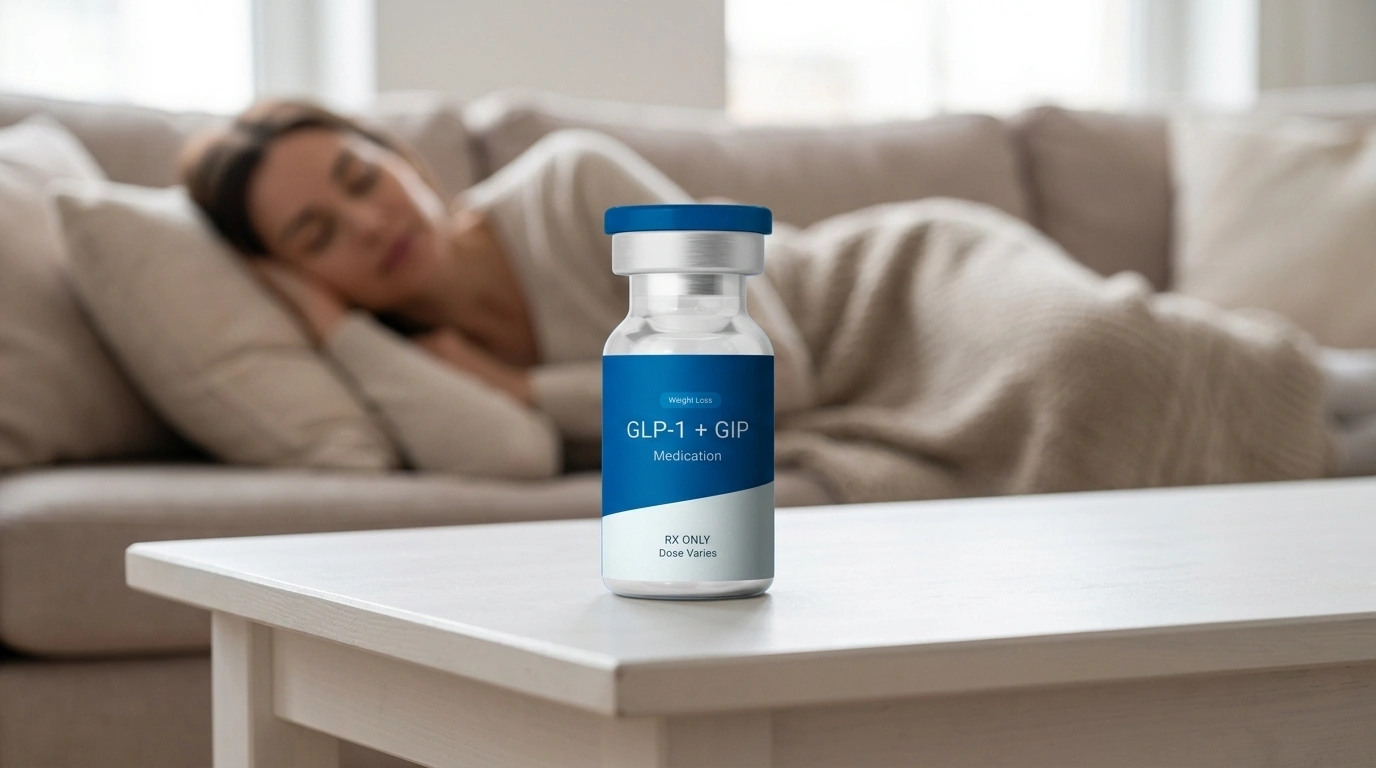
To understand why the 30-day mark is problematic, we must look at what is inside the pen. Tirzepatide is a dual agonist that mimics two natural hormones: glucagon-like peptide-1 (GLP-1) and glucose-dependent insulinotropic polypeptide (GIP). These hormones are peptides, which are essentially small chains of amino acids. If you want more context on how tirzepatide behaves over time, TrimRx also has a guide on tirzepatide storage, travel, and handling. (trimrx.com)
Peptides are notoriously delicate molecules. They are held together by specific chemical bonds that maintain a very particular shape. This shape allows the medication to “fit” into the receptors in your body like a key into a lock. When a peptide is exposed to temperatures outside its comfort zone for too long, it undergoes a process called denaturation. (trimrx.com)
Denaturation is when the protein structure begins to unfold or break apart. Once the “key” changes shape, it no longer fits the “lock” of your cellular receptors. This results in the medication losing its potency. If you inject denatured tirzepatide, your body may not respond to it, leading to a stall in your progress or a return of appetite that the medication is designed to help manage. (trimrx.com)
The Role of Preservatives
Stability is not just about the active medication. The solution inside the pen also contains inactive ingredients and preservatives designed to keep the liquid sterile. These preservatives are also subject to degradation over time when not refrigerated. After 21 days at room temperature, the manufacturer can no longer guarantee that the solution remains sterile or chemically stable. This is why the 30-day mark is considered past the point of safe use for the US single-dose pen. (trimrx.com)
Key Takeaway: Mounjaro® is a biological medication made of fragile proteins. Heat and time cause these proteins to “unfold,” making the medication less effective at managing hunger and blood sugar levels.
How to Properly Store Your Medication
The goal of proper storage is to maintain the “cold chain” from the moment the medication is manufactured until the moment it enters your body. Following these steps ensures your treatment remains at peak performance. If you want a deeper look at best practices, TrimRx also has a guide on how to store GLP-1 medications safely. (trimrx.com)
- The Refrigerator Sweet Spot: Store your pens in the main body of the refrigerator. The ideal temperature range is 36°F to 46°F (2°C to 8°C).
- Avoid the “Freeze Zone”: Never store your pens in the freezer or near the cooling element at the very back of the fridge. If a pen freezes, even if it thaws later, the medication is ruined and must be discarded.
- The Door Problem: Do not store pens in the refrigerator door. The temperature in the door fluctuates every time you open it, which can stress the delicate peptides.
- Light Protection: Keep the pens in their original cardboard carton. Tirzepatide is light-sensitive, and prolonged exposure to light can contribute to its breakdown. (trimrx.com)
What Defines “Room Temperature”?
The manufacturer defines room temperature as anything up to 86°F (30°C). If you live in a particularly hot climate and your home reaches temperatures above 86°F, the 21-day rule no longer applies. In high-heat conditions, the medication can spoil much faster—sometimes in just a few hours. For more on temperature sensitivity, see TrimRx’s guide on whether tirzepatide needs to be refrigerated. (trimrx.com)
Bottom line: If your pen has been exposed to temperatures above 86°F, such as being left in a hot car, it should be considered compromised regardless of how many days have passed.
Visual Signs of a Compromised Pen
Before every injection, you should perform a visual inspection of the medication through the clear window of the pen. This is your last line of defense against using a spoiled dose. A healthy Mounjaro® solution should be clear and colorless to slightly yellowish. For another practical explainer, TrimRx also covers what happens if tirzepatide freezes. (trimrx.com)
Myth: If the medication looks clear, it is definitely still strong. Fact: Chemical degradation can happen without changing the look of the liquid. However, if the liquid does look different, it is a definitive sign of spoilage.
Do not use the pen if you notice any of the following:
- Cloudiness: The liquid should never look milky or foggy.
- Particulates: If you see tiny “flakes,” “strings,” or solid specks floating in the liquid, the proteins have likely clumped together.
- Color Changes: If the liquid turns a dark yellow, brown, or any other color, discard it immediately.
- Frozen Liquid: If you see ice crystals or if the liquid appears solid, it is no longer safe. (trimrx.com)
Traveling with Mounjaro®
Traveling with GLP-1 medications requires a bit of planning, especially if your trip exceeds the 21-day room-temperature limit. Many people encounter the “30-day dilemma” because they are on extended trips. If you are traveling with tirzepatide, TrimRx’s guide on storage, travel, and handling is a helpful companion read. (trimrx.com)
Step 1: Use a Travel Cooler. Invest in a small, insulated medical cooling case designed for insulin or GLP-1 pens. These cases often include gel packs that keep the medication at fridge temperatures for 12 to 24 hours. (trimrx.com)
Step 2: Check Your Hotel Room. Many hotel “mini-bars” are not true refrigerators; they are coolers that may not stay consistently between 36°F and 46°F. Some can even be too cold and freeze your medication. Always check the temperature setting before placing your pens inside. (trimrx.com)
Step 3: Keep It in Your Carry-On. Never put your medication in checked luggage. The cargo hold of an airplane can experience extreme temperature swings—either freezing or overheating—which will destroy the tirzepatide. Furthermore, if your luggage is lost, your treatment schedule will be disrupted. (trimrx.com)
Step 4: TSA Guidelines. You are allowed to bring your medication and associated cooling packs through security. Simply inform the TSA agent that you have medically necessary liquid and syringes. It is helpful to keep the pens in their original packaging with the prescription label attached. (trimrx.com)
What to Do If You Have a 30-Day Old Pen
If you realize your pen has been out for 30 days, the safest course of action is to dispose of it. Do not try to “test” it to see if it still works. If you use a degraded dose, you may experience unexpected side effects, or more likely, you will simply miss a week of effective treatment, which can disrupt your metabolic progress. If you want a broader overview of expiration questions, TrimRx also explains whether GLP-1 medications expire. (trimrx.com)
Proper Disposal Injectable pens should never be thrown into the regular household trash. Because they contain a needle, they are considered “sharps.” Use an FDA-approved sharps disposal container. If you do not have one, a heavy-duty plastic container with a tight-fitting lid—like an empty laundry detergent bottle—can work as a temporary solution until you can access a proper disposal site. (trimrx.com)
Contacting Your Provider If discarding a pen means you will miss a dose, contact your healthcare provider or the team at TrimRx immediately. They can advise you on how to adjust your schedule. Depending on how long it has been since your last injection, they may suggest you take your next dose as soon as possible or wait until your next scheduled day to keep your levels consistent. If you are still weighing your options, you can also complete the free assessment quiz. (trimrx.com)
The Personalized Approach at TrimRx
Navigating the specifics of GLP-1 therapy can be overwhelming. At TrimRx, we believe that medication is only one part of a successful health transformation. Our platform connects you with licensed providers who understand these logistical challenges and provide the medical supervision necessary for a safe experience. For readers who are early in the process, how to get a GLP-1 medication for weight loss explains the next steps in more detail. (trimrx.com)
Through our telehealth-first model, you have access to a dedicated team that can answer questions about storage, side effects, and dosing schedules without you ever having to sit in a waiting room. We offer personalized programs that include medications shipped from FDA-registered, inspected compounding pharmacies, ensuring you have the support and resources needed to maintain your health goals. Whether you are using branded options like Mounjaro® or Zepbound® (which are trademarks of their respective owners and not distributed directly by us) or compounded alternatives, our mission is to provide transparency and expert guidance at every step. (trimrx.com)
Managing the Emotional Aspect of “Wasted” Medication
It is frustrating and even stressful to have to throw away a medication pen. These treatments are valuable resources in your health journey, and losing a dose can feel like a setback. However, it is important to reframe this: Discarding a compromised pen is an act of self-care.
Taking a medication that is no longer effective or potentially unsafe does not move you closer to your goals. It only introduces unnecessary variables into your treatment. By following the storage guidelines and respecting the 21-day limit, you are ensuring that every dose you take is working at its full potential to support your metabolic health. (trimrx.com)
If you find yourself frequently struggling with storage, consider setting a recurring “Fridge Check” alarm on your phone or using a dedicated thermometer in your refrigerator to ensure it stays in the safe zone. Small habits like these can prevent the loss of medication and keep your journey on track. If you want to see whether a program is the right fit, you can take the free assessment quiz. (trimrx.com)
Conclusion
While the question of whether you can use a Mounjaro® pen after 30 days is a common one, the answer from a safety and efficacy standpoint is a clear no for the US single-dose pen. The 21-day room-temperature limit is set by the manufacturer to ensure that the delicate tirzepatide protein remains stable and the solution remains sterile. Using the medication beyond this window—or after it has been exposed to high heat—risks your health and your progress. If you are ready to see whether a personalized treatment plan makes sense for you, you can complete the free assessment quiz. (trimrx.com)
At TrimRx, we are committed to helping you navigate these details with confidence. Our science-backed, empathetic approach ensures you are never alone in managing your weight loss journey. By prioritizing proper storage and staying informed, you are taking the necessary steps toward sustainable, long-term health.
- Always check the expiration date printed on the pen and the carton.
- Track the date you take a pen out of the refrigerator.
- Inspect the liquid for any signs of spoilage before every dose.
- Consult a professional if you are unsure about the safety of your medication.
If you are ready to take the next step toward a personalized, medically supervised weight loss program, we invite you to take our free assessment quiz today. (trimrx.com)
FAQ
What happens if I accidentally inject Mounjaro that was left out for 30 days?
If you inject medication that has been at room temperature for 30 days, the most likely outcome is that it will be less effective or not work at all. You might notice your appetite returning or your blood sugar levels rising. While significant illness is rare from a slightly degraded dose, you should monitor for any unusual injection site reactions and inform your healthcare provider immediately. (trimrx.com)
Can I put Mounjaro back in the fridge after it has been at room temperature for a few days?
Yes, you can put it back in the refrigerator, but it does not “reset” the clock. The 21-day room-temperature limit still applies from the first time it was taken out. It is best to label the pen with the date it was first removed from the fridge so you know exactly when its 21-day window expires. (trimrx.com)
Does the 30-day rule apply to compounded tirzepatide as well?
Compounded medications may have different storage requirements and “beyond-use dates” (BUD) determined by the specific pharmacy that prepared them. Always refer to the labeling provided by the compounding pharmacy and consult with the clinical team at TrimRx or your prescribing doctor for the specific storage instructions for your personalized medication. For more on how compounded GLP-1 timelines work, see Does GLP-1 Expire?. (trimrx.com)
My pen was delivered and the ice packs were melted. Is it still safe?
If the ice packs are melted but the medication still feels cool to the touch and the liquid is clear and colorless, it is generally safe to use. You should immediately place the pens in the refrigerator. If the pens feel warm or the liquid looks cloudy, contact the pharmacy or the support team at the platform where you requested your treatment for further guidance. If you are just getting started, the free assessment quiz can help you begin the process. (trimrx.com)
Disclaimer: This content is for informational purposes only and does not constitute medical advice. It is not intended to diagnose, treat, cure, or prevent any disease or condition. Individual results may vary. Always consult a qualified healthcare professional before starting any weight loss program or medication.

Transforming Lives, One Step at a Time
Keep reading

Mounjaro Alternatives: What Else to Consider
If Mounjaro isn’t the right fit, the closest alternatives are other GLP-1 medications, chiefly semaglutide (Ozempic for diabetes, Wegovy for weight), along with a…

Mounjaro vs Zepbound: Same Drug, Two Brands
Like their semaglutide counterparts, Mounjaro and Zepbound are the same medication (tirzepatide) sold under two names for two purposes: Mounjaro is approved for type…

Retatrutide vs Mounjaro: Triple Agonist vs Dual Agonist
The core difference between retatrutide and Mounjaro comes down to how many hormone targets each hits: retatrutide activates three receptors, while Mounjaro (tirzepatide) activates…


