Should I Eat Before My Ozempic Shot? Best Injection Practices
Introduction
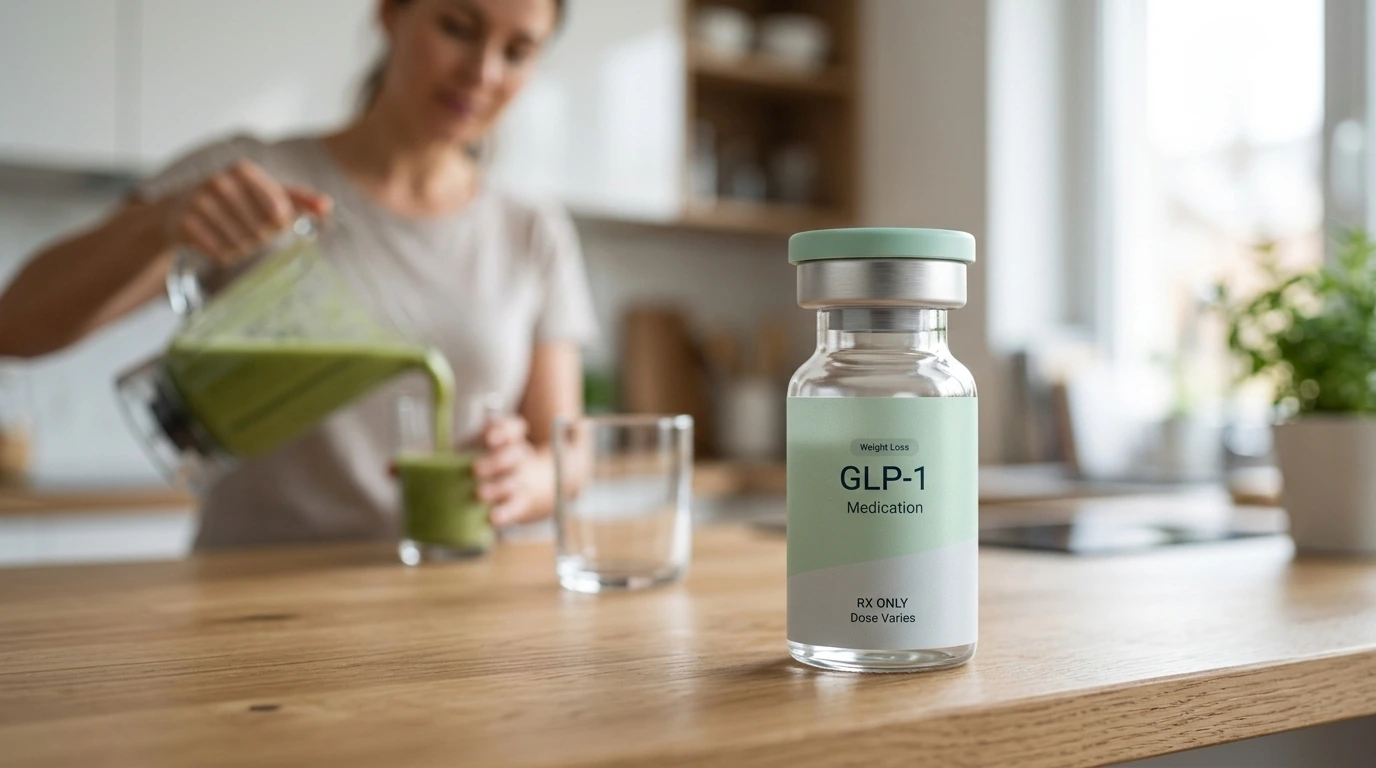
Starting a new medication journey often brings a wave of questions, especially regarding the daily or weekly routine. If you have recently begun or are considering a GLP-1 medication like Ozempic®, you might find yourself standing in the kitchen, needle in hand, wondering if you should have breakfast first or wait until afterward. This small detail can feel significant when you are trying to minimize side effects and maximize your results. At TrimRx, we understand that these practical, “day-to-day” questions are often the ones that cause the most uncertainty.
In this article, we will clarify whether food timing matters for your injection, how the medication interacts with your digestive system, and what you can do to ensure your injection day is as comfortable as possible. We will also explore how our personalized approach can help you navigate these nuances with confidence. Ultimately, the timing of your meal relative to your shot is less about the medication’s effectiveness and more about your personal comfort and side effect management. If you are considering prescription support, you can take the free assessment quiz to see whether a personalized program may be a fit.
Quick Answer: You can take your Ozempic® shot with or without food. Because the medication is injected subcutaneously (under the skin) and enters the bloodstream directly, your stomach contents do not affect how the body absorbs it. However, many people find that eating a light, bland meal before the shot helps reduce potential nausea.
The Science of Timing and Absorption
When we take oral medications, like a common aspirin or certain antibiotics, the presence of food in the stomach can drastically change how quickly or effectively the drug enters our system. This is because the medication must survive stomach acid and be absorbed through the digestive tract. Ozempic®, which contains the active ingredient semaglutide, is different.
Semaglutide is a GLP-1 receptor agonist. GLP-1 stands for glucagon-like peptide-1, which is a hormone your body naturally produces to regulate hunger and blood sugar. Because this medication is administered via a subcutaneous injection—meaning it is delivered into the fatty tissue just beneath the skin—it bypasses the initial digestive process. For additional background, read this guide to how semaglutide interacts with food.
Once injected, the medication slowly releases into your bloodstream over the course of a week. Whether your stomach is full of a three-course meal or completely empty, the rate of absorption remains consistent. This provides a level of flexibility that many people appreciate, as you do not need to plan your entire day around a specific “fasting window” for your medication to work.
Managing the “Injection Day” Experience
While the medication works effectively regardless of your last meal, how you feel after the shot can be influenced by your diet. The most common side effects associated with GLP-1 medications are gastrointestinal. These include nausea, bloating, and occasional upset stomach. These symptoms occur because semaglutide slows down gastric emptying, which is the process of food moving from your stomach into your small intestine. For more practical strategies, explore this guide to managing nausea on GLP-1 medications.
Because food stays in your stomach longer, a very heavy or greasy meal consumed right before your injection might lead to increased discomfort. If your stomach is already working hard to process a large volume of food, adding a medication that further slows that process can result in a “heavy” feeling or waves of nausea.
Taking the Shot on an Empty Stomach
Some individuals prefer taking their injection first thing in the morning before eating. The logic here is often to “get it over with” before the day begins. For some, this works perfectly. For others, an empty stomach can make the initial onset of the medication feel more intense, potentially leading to a “queasy” sensation. If you choose to take your shot on an empty stomach, it is vital to stay hydrated immediately afterward.
Taking the Shot After a Meal
Taking your injection after a meal is a popular choice for those who are prone to nausea. A small, protein-rich meal can act as a buffer. However, the key word here is “small.” If you eat a large, high-fat meal and then inject the medication, you may experience significant bloating. High-fat foods are already slow to digest; when combined with the slowed gastric emptying caused by the medication, the food can sit in the stomach for an extended period, causing discomfort.
What to Eat on Injection Day
If you are looking for a strategy to make your injection day smoother, focusing on “gentle” nutrition is often the best path. You do not need a restrictive diet, but choosing foods that are easy on the digestive system can mitigate the most common side effects. This guide to what to eat after an Ozempic injection offers additional meal ideas.
Prioritize Lean Protein
Protein is essential during any weight loss journey to help maintain muscle mass. On injection day, choose lean sources like poached chicken, turkey, tofu, or white fish. These are generally easier to digest than red meats or fried options.
Choose Simple Carbohydrates
While we generally advocate for complex carbohydrates like whole grains, some people find that very high-fiber foods can be a bit much for the gut on the day of the injection. Simple, bland starches like crackers, white rice, or a piece of toast can be soothing if you are feeling a bit of “stomach noise.”
Hydration is Non-Negotiable
Water is your best friend when navigating GLP-1 therapy. Dehydration can actually worsen feelings of nausea and contribute to constipation, another common side effect. Aim for consistent sips of water throughout the day. Some people also find benefit in electrolyte-balanced drinks, especially if they are struggling to eat full meals.
Key Takeaway: Food timing does not change the effectiveness of your injection, but eating a small, bland, protein-rich meal beforehand may help prevent nausea caused by the medication’s effect on digestion.
Foods to Avoid Around Your Injection
To keep side effects at bay, there are certain food groups you might want to limit during the 24 hours surrounding your shot. This is not about permanent restriction, but rather about managing your body’s transition to the weekly dose.
- Fried and Greasy Foods: High-fat content can lead to severe bloating and “sulfur burps” (a common but unpleasant side effect where burps smell like eggs).
- Highly Processed Sugars: Rapid spikes in blood sugar can sometimes clash with the medication’s glucose-regulating effects, leading to a “crash” or jittery feeling.
- Carbonated Beverages: Since the medication already slows down your digestion, the extra gas from soda or sparkling water can cause significant pressure and bloating.
- Large Portions: Even if you are eating healthy food, the sheer volume can be a problem. Because the medication tells your brain you are full sooner, overeating can lead to immediate discomfort or vomiting.
The Difference Between Injectables and Oral Formats
It is important to note a critical distinction in the semaglutide family. While Ozempic® and Wegovy® are injectables that can be taken with or without food, the oral version of semaglutide, known as Rybelsus®, has very different rules.
Oral semaglutide must be taken on an empty stomach, at least 30 minutes before your first food, beverage, or other oral medications of the day. It also should only be taken with a small sip of plain water (no more than 4 ounces). This is because the stomach environment must be exactly right for the pill to be absorbed.
If you are using a program through a platform like ours, your provider will specify which format you are using. At TrimRx, we connect you with licensed professionals who ensure you understand the specific instructions for your treatment plan, whether it is an injectable or an oral option. You can complete a free eligibility assessment if you are ready to discuss your options.
Understanding Compounded Medications
In addition to branded medications like Ozempic® and Wegovy®, many individuals use compounded semaglutide or compounded tirzepatide. Compounded medications are prepared by specialized pharmacies to meet a specific prescription for a patient.
Note: Compounded semaglutide and compounded tirzepatide are not FDA-approved. However, we ensure that any compounded medications prescribed through our platform are sourced from FDA-registered and inspected compounding pharmacies.
The same “food timing” rules generally apply to compounded injectables. Because the active ingredient is the same, the mechanism of action remains the same. You still have the flexibility to time your shot around your lifestyle, but the same cautions regarding greasy foods and overeating apply.
Tips for a Successful Injection Routine
Establishing a consistent routine can help reduce the anxiety often associated with self-injection. Here is a suggested step-by-step approach to your injection day:
Step 1: Choose a Consistent Day and Time. Select a day of the week when you are typically at home or have a lower-stress schedule. Many people choose Friday evenings or Saturday mornings so they can rest if they experience mild fatigue or nausea.
Step 2: Prepare Your Environment. Find a well-lit, clean space. Wash your hands thoroughly. If you keep your medication in the refrigerator, you may want to take it out about 30 minutes before your shot to let it reach room temperature, as some find “cold” injections slightly more uncomfortable.
Step 3: Have a “Gentle” Snack. If you are worried about nausea, eat a few crackers or a small piece of fruit 15 to 30 minutes before you inject.
Step 4: Stay Upright. Avoid lying down immediately after your shot and a meal. Staying upright helps your digestion move along more naturally and can prevent acid reflux or “heartburn” sensations.
Why Personalization Matters
Weight loss is never a “one size fits all” process. One person might find that they feel best taking their shot on a Sunday night after a light dinner, while another might prefer Monday mornings on an empty stomach. This is why we believe in the power of personalized programs.
When you join our community, you aren’t just getting a prescription; you are getting a partner in your health. We focus on your specific health profile and goals. If you find that you are struggling with side effects despite following the standard advice, our team of specialists is accessible to help you adjust your strategy. This might include changing the time of day you take your shot or discussing your nutritional habits more deeply. If you are ready to explore whether prescription treatment fits your goals, see if you qualify for a personalized program.
Success Beyond the Shot
While the question “should I eat before my Ozempic shot” is focused on the moment of injection, your success depends on what you do during the rest of the week. GLP-1 medications are powerful tools, but they work best when supported by lifestyle changes.
Listen to Your Hunger Cues
One of the most profound effects of these medications is the reduction of “food noise”—the constant, intrusive thoughts about eating. This allows you to truly listen to your body’s fullness signals. If you are halfway through a meal and feel satisfied, it is okay to stop. In fact, it is encouraged. Forcing yourself to “clean your plate” is a common cause of side effects when on these medications.
Incorporate Gentle Movement
You do not need to spend hours in the gym to see results. Walking, swimming, or yoga can help maintain your metabolism and improve your mood. Exercise also helps with insulin sensitivity, complementing the work the medication is doing in your body.
Support Your Gut Health
Given that the medication slows down your digestion, supporting your gut is a wise move. Fiber-rich foods like leafy greens and berries are excellent, but if you find it hard to get enough through diet alone, supplements can help. We offer specialized support options like GLP-1 Daily Support, which is designed to provide the nutrients your body needs during this transition.
Navigating Cost and Access
We know that navigating the world of weight loss medications can be confusing, especially with the high demand for branded products like Mounjaro® or Zepbound®. Many people feel frustrated by the lack of transparency in the healthcare system.
Our mission at TrimRx is to provide a transparent, telehealth-first experience. We offer a comprehensive service that includes your doctor consultation, necessary lab work, and the medication itself, all with no hidden fees. We believe everyone deserves access to high-quality care and the latest medical advancements in weight loss, delivered with empathy and clinical expertise.
The TrimRx Approach to Sustainable Health
At TrimRx, we are more than just a platform for medication; we are a support system for your entire wellness journey. We combine the convenience of modern technology with the deep care of medical supervision to help you reach your goals sustainably.
Whether you are just starting your research or are ready to take the next step, we are here to guide you. Our personalized programs are designed to fit into your life, not the other way around. By focusing on science-backed treatments and compassionate support, we help you embrace a healthier lifestyle with confidence.
Bottom line: You have the flexibility to choose the injection timing that works best for your body. The most important factor is consistency and listening to your body’s signals as you progress through your program.
Conclusion
Deciding whether to eat before your Ozempic® shot is a matter of personal preference and comfort. The medication’s ability to help you lose weight and manage blood sugar is not diminished by food, nor is it enhanced by fasting. Your focus should remain on creating a routine that minimizes discomfort and supports your long-term nutritional goals.
- Be Patient: Your body needs time to adjust to the medication.
- Stay Hydrated: Water is essential for managing side effects.
- Prioritize Protein: Keep your muscles strong as you lose fat.
- Consult Experts: Always speak with your healthcare provider about persistent side effects.
If you are ready to see how a personalized weight loss program can work for you, your next step is simple. We invite you to take the free assessment quiz to determine your eligibility and start your journey toward a healthier, more vibrant you.
FAQ
Does it matter what time of day I take my Ozempic® shot?
No, the specific time of day does not affect the medication’s effectiveness. You should choose a time that is convenient for you and that you can consistently remember each week. Some people prefer evenings to “sleep through” any potential initial nausea, while others prefer mornings to start their week fresh. For more information, read this guide to managing nausea from Ozempic.
Can I drink alcohol before or after my injection?
While there is no direct contraindication, alcohol can worsen certain side effects like nausea and dehydration. Furthermore, alcohol is high in “empty” calories, which can slow down your weight loss progress. It is generally best to limit alcohol consumption, especially on the day of your injection.
What should I do if I feel extremely nauseous after eating and taking my shot?
If you experience significant nausea, try sticking to the “BRAT” diet (bananas, rice, applesauce, toast) for 24 hours. Sip on ginger tea or water with lemon. If the nausea prevents you from keeping fluids down or lasts more than a couple of days, you should contact your healthcare provider to discuss a potential dosage adjustment.
Can I change my injection day if my schedule changes?
Yes, you can change the day of your weekly injection as long as the time between two doses is at least 48 hours. If you find that your current injection day is no longer working for your lifestyle, you can gradually shift it to a more convenient day. If you are considering prescription support, you can find out if GLP-1 medications are right for you.
Disclaimer: This content is for informational purposes only and does not constitute medical advice. It is not intended to diagnose, treat, cure, or prevent any disease or condition. Individual results may vary. Always consult a qualified healthcare professional before starting any weight loss program or medication.

Transforming Lives, One Step at a Time
Keep reading
Want to Stop Ozempic but Your Provider Says Stay? How to Discuss It
Lead with your actual reason, because the conversation usually goes wrong when you argue about the evidence instead. Your provider is not wrong about…
Regained Weight After Stopping Ozempic? Don’t Restart at Your Old Dose
No. Whatever else you do, do not pick up where you left off. Tolerance to a GLP-1 is not assumed to persist through a…
Eating Less Than Ever on Ozempic but the Scale Won’t Move
Whatever else is true here, the answer is not to eat less. That needs saying first, because it is the direction this situation pushes…


