Can I Take 2 Shots of .5 Ozempic? Safety and Dosing Guidelines
Introduction
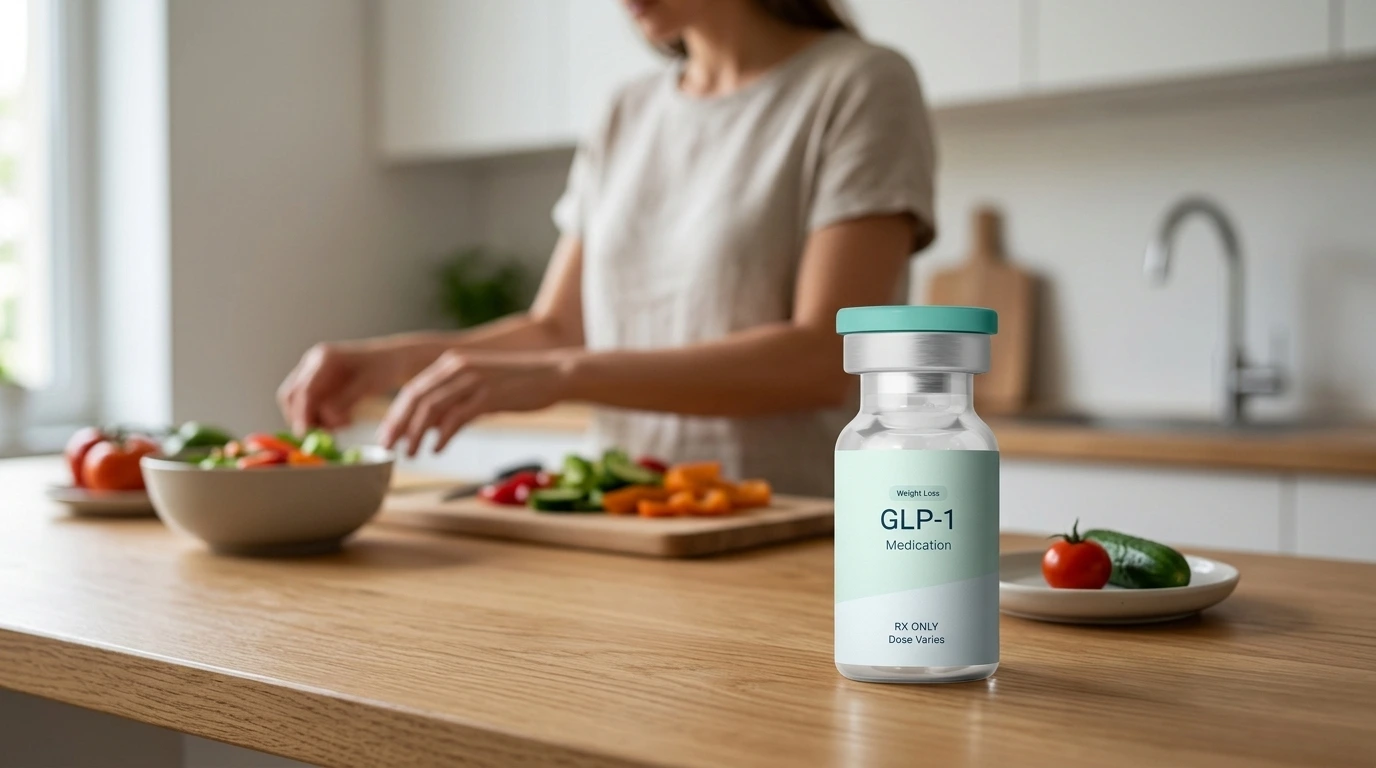
Finding yourself with a supply of 0.5 mg medication when your prescription has just been increased to 1.0 mg is a common point of confusion. You might look at your remaining 0.5 mg doses and wonder if the math is as simple as it seems. While adding two 0.5 mg doses together does technically equal 1.0 mg, the safety of doing so depends entirely on your specific medical situation and the guidance of your healthcare provider. At TrimRx, we believe that understanding the “why” behind your dosing schedule is just as important as the “how.” This article explores the clinical implications of doubling up shots, what to do if you make a dosing error, and how our personalized approach helps you navigate these transitions safely. The answer to whether you can take two shots of 0.5 mg Ozempic® involves more than just basic addition; it requires a look at safety, timing, and clinical supervision.
For additional background, read our guide to what GLP-1 medications are and how they work.
The Math of Dosing: Does 0.5 mg Plus 0.5 mg Equal 1.0 mg?
In a strictly mathematical sense, taking two 0.5 mg injections provides your body with 1.0 mg of the active ingredient, semaglutide. Semaglutide is a GLP-1 receptor agonist, which is a type of medication that mimics a natural hormone in your body called glucagon-like peptide-1. This hormone targets areas of the brain that regulate appetite and slows down how quickly your stomach empties. Because Ozempic® is delivered via a subcutaneous injection—meaning it is injected into the fatty tissue just under the skin—the total volume of the medication matters as much as the concentration.
Quick Answer: Mathematically, two 0.5 mg doses equal 1.0 mg. However, you should never administer a double dose or change your injection routine without explicit instructions from your licensed healthcare provider, as it may increase the risk of severe side effects.
While the math checks out, the physical act of taking two shots involves two separate needle sticks and two separate delivery sites. This can alter how the medication is absorbed by your body. Most people who ask this question are either facing a local supply shortage of the 1.0 mg pens or have leftover 0.5 mg doses they do not want to waste. While a doctor might occasionally authorize using up your 0.5 mg supply by taking two shots to reach a 1.0 mg maintenance dose, this is a clinical decision that must be made by a professional.
For more information about dosing decisions, review our guide to choosing a personalized semaglutide dose.
Why Clinical Guidance Matters for Every Dose Change
The titration process for GLP-1 medications is designed to build your body’s tolerance slowly. When you first start semaglutide, you typically begin at a very low dose, such as 0.25 mg, once per week. This “loading” phase isn’t necessarily meant for significant weight loss or blood sugar control; rather, it is meant to introduce the molecule to your system. If you jump from a 0.5 mg dose to a 1.0 mg dose too quickly, or if you attempt to “double up” without your body being ready, the gastrointestinal system can react violently.
The reason clinicians are so strict about the 4-week titration schedule is biological. Your GLP-1 receptors need time to adjust to the increased signaling. If you take two shots of 0.5 mg when your body is only accustomed to a single 0.5 mg dose, you are essentially doubling the demand on your digestive system overnight. This can lead to what many call “the wall,” where the side effects become so burdensome that the patient stops the medication entirely.
If you want professional guidance about whether a prescription GLP-1 program fits your health profile, complete a free eligibility assessment.
What Happens If You Accidentally Take Two 0.5 mg Doses?
If you accidentally administered two doses of 0.5 mg instead of one, the first priority is to remain calm and monitor your symptoms. Accidental double-dosing is a common error, often occurring when a patient forgets they already took their weekly shot or misreads the dial on their injection pen. Because semaglutide has a long half-life—meaning it stays in your system for about a week—the effects of an extra dose may not be felt immediately. They often peak 24 to 48 hours after the injection.
Key Takeaway: An accidental double dose of semaglutide is rarely a life-threatening emergency for otherwise healthy adults, but it can cause significant physical distress that may require supportive care.
If you suspect you have taken too much, follow these steps:
- Step 1: Contact your healthcare provider. Let them know exactly how much you took and when.
- Step 2: Monitor your blood sugar. If you have type 2 diabetes, you may be at a higher risk for hypoglycemia (low blood sugar), especially if you take other medications like insulin or sulfonylureas.
- Step 3: Stay hydrated. The primary risk of taking too much Ozempic® is severe vomiting and diarrhea, which can lead to rapid dehydration.
- Step 4: Watch for severe pain. If you experience intense abdominal pain that radiates to your back, seek emergency care immediately, as this could indicate a rare but serious issue like pancreatitis.
Common and Serious Side Effects of Semaglutide Overdose
The most frequent result of taking too much semaglutide is an intensification of standard gastrointestinal side effects. When the body receives more of the medication than it can process comfortably, the “slowed gastric emptying” effect becomes extreme. This can feel like severe food poisoning or a “stomach flu.”
Common symptoms of an accidental overdose include:
- Persistent, heavy nausea that does not subside with rest.
- Forceful vomiting or dry heaving.
- Severe abdominal cramping and bloating.
- Dizziness or lightheadedness, often due to low blood sugar or dehydration.
- Extreme fatigue or “brain fog.”
Myth: Taking more medication will help me lose weight twice as fast. Fact: Taking more than your prescribed dose does not speed up sustainable weight loss; it only increases the likelihood of severe side effects and potential hospitalization.
For a broader overview, read about short-term and long-term semaglutide side effects.
In rare cases, taking significantly more than the prescribed amount can lead to more dangerous complications. Pancreatitis, or inflammation of the pancreas, is a serious condition characterized by excruciating stomach pain. Gastroparesis, where the stomach stops moving food entirely, can also be exacerbated by excessive dosing. Finally, acute kidney injury can occur indirectly if a person becomes so dehydrated from vomiting that their kidneys cannot function properly.
Managing the Transition Between Dose Strengths
Moving from 0.5 mg to 1.0 mg is a major milestone in your weight loss journey. Many patients find that the 0.5 mg dose is where they start to feel “food noise” diminish, but the 1.0 mg dose is often where the most significant results occur. If you are preparing to move to a 1.0 mg dose and only have 0.5 mg pens available, you must discuss the logistics with your provider.
They may advise you to:
- Use two separate injections. If they approve this, you should ideally use two different injection sites (for example, the left side of the abdomen and the right side of the abdomen) to minimize skin irritation.
- Wait for the correct pen. In cases of supply chain issues, your provider might prefer you stay at 0.5 mg for an extra week rather than doubling up using two smaller doses, depending on your clinical progress.
- Adjust the timing. Your provider will ensure that your “double shot” still occurs on your regular injection day to maintain a steady level of the medication in your bloodstream.
For more context on starting treatment and supervised dose increases, see this guide to how to get weight loss injections.
Understanding the Difference Between Branded and Compounded Medications
It is important to distinguish between branded medications like Ozempic® and compounded alternatives. Ozempic® and Wegovy® are branded medications that come in specific, pre-filled pens designed for set doses. Because these pens are manufactured by a specific pharmaceutical company, their dosing mechanisms are standardized. If you are using a branded pen, taking “two shots” means physically using the pen twice.
On the other hand, many people today utilize personalized weight loss programs that provide access to Compounded Semaglutide. It is crucial to understand that compounded medications are not FDA-approved. However, we ensure that the compounded semaglutide available through our platform is prepared in FDA-registered and inspected compounding pharmacies. These medications often come in vials, and you draw the dose into a syringe yourself.
For more information about the differences between formulations, read our guide to semaglutide formulations and dosing.
In the case of compounded medications, taking “two shots” of 0.5 mg might simply mean drawing a larger volume of liquid into a single syringe to reach a 1.0 mg dose. This is often easier and safer than doing two separate injections, provided your licensed provider has adjusted your prescription and taught you how to read the markings on the syringe correctly. Our platform focuses on making these transitions clear and medically supervised so there is no guesswork involved.
The Role of Personalized Support in Weight Management
Successful weight loss is not just about the medication; it is about the clinical oversight that comes with it. One of the reasons people feel the need to experiment with their doses—such as taking two 0.5 mg shots—is a lack of immediate access to their medical team. At TrimRx, we aim to bridge that gap by providing a telehealth-first model. This means you have 24/7 access to specialists who can answer your questions about dosing, side effects, and titration schedules without you having to wait for an in-person appointment.
Our approach is built on the understanding that every body reacts differently to GLP-1 medications. While a 1.0 mg dose might be the goal for many, some individuals achieve their targets at 0.5 mg and never need to increase. By using our free assessment quiz, you are connected with a licensed healthcare provider who looks at your medical history, your current BMI, and your health goals to create a plan that is uniquely yours. This personalization reduces the urge to “self-dose” or double up on shots because you have a clear, professionally managed roadmap to follow.
Injection Sites and Best Practices
Whether you are taking one shot or two, where you inject can influence your experience. The three recommended areas for semaglutide injections are the abdomen (at least two inches away from the belly button), the front of the thighs, and the back of the upper arms.
For detailed guidance, read where to give yourself an Ozempic shot.
If your provider has specifically told you to take two 0.5 mg shots to equal a 1.0 mg dose, keep these best practices in mind:
- Rotate your sites. Do not inject into the exact same spot twice in a row. This prevents the buildup of tough tissue (lipodystrophy) which can interfere with medication absorption.
- Use fresh needles. If you are using a branded pen, you must use a brand-new, sterile needle for every single injection. Never reuse a needle, even for a second shot taken immediately after the first.
- Check the liquid. The medication should be clear and colorless. If it is cloudy or contains particles, do not use it.
- Clean the skin. Always use an alcohol swab to clean the injection site before the needle touches your skin.
Bottom line: While the math of doubling a dose is straightforward, the clinical reality is complex. Always defer to a licensed professional before altering how you use your medication.
Why Some Patients Choose Oral Semaglutide
For those who find the logistics of injections and pens overwhelming, oral options may be a viable alternative. While Ozempic® is an injectable medication, there are other forms of semaglutide, such as Rybelsus®, which is a daily tablet. Additionally, some compounded programs offer Oral Semaglutide or Oral Tirzepatide.
The benefit of the oral route is that it eliminates the “needle math.” You don’t have to worry about whether you should take two shots or how to dial a pen correctly. You simply follow a daily schedule. If you find that the injection pens are causing you anxiety or leading to dosing confusion, it is worth discussing oral alternatives with our team during your consultation.
Optimizing Your Results with Daily Support
Medication is a powerful tool, but it works best when supported by the right nutrients. Many people who experience side effects after a dose increase (like moving from 0.5 mg to 1.0 mg) find that their bodies are struggling to keep up with the metabolic changes. This is where targeted supplementation can make a difference.
We offer products like GLP-1 Daily Support and Weight Loss Boost that are designed to complement your prescription program. These supplements focus on maintaining energy levels, supporting digestive health, and ensuring your body gets the essential vitamins it needs while your appetite is suppressed. While these are available for immediate purchase without a prescription, they are most effective when integrated into a broader, medically supervised weight loss plan.
Navigating Supply Shortages Safely
The temptation to take two 0.5 mg shots often arises during times of medication scarcity. It is no secret that branded GLP-1 medications have faced significant supply chain hurdles. When the 1.0 mg pen is unavailable, patients may find themselves with multiple 0.5 mg pens and feel forced to choose between “doubling up” or skipping their dose.
Skipping a dose can cause your blood sugar levels to fluctuate and may lead to a return of “food noise,” which can be discouraging. However, doubling up without guidance can lead to the severe side effects mentioned earlier. This is another area where a telehealth platform like ours provides a distinct advantage. We work with FDA-registered compounding pharmacies to provide a consistent supply of medication, helping you avoid the stress of hunting through local pharmacies or wondering if you should “engineer” your own dose from leftover pens.
For an overview of the treatment process, read how to get GLP-1 injections.
Conclusion
The journey toward sustainable weight loss is a marathon, not a sprint. While it may seem like a small detail to take two shots of 0.5 mg Ozempic® to reach a 1.0 mg dose, every change in your medication routine should be treated with care. The potential for increased side effects, the risk of hypoglycemia, and the importance of proper titration all point to one clear rule: talk to your provider first.
At TrimRx, we are committed to providing more than just a prescription. We provide a partnership. Our mission is to help you navigate the complexities of modern weight loss science with empathy and expert guidance. Whether you are just starting out or are looking for a more personalized, telehealth-first experience, we are here to support every step of your progress. By prioritizing safety and professional oversight, you can focus on what really matters—achieving a healthier, more vibrant life.
Take the first step today by completing our free assessment quiz to see which personalized program is right for your health profile.
FAQ
What should I do if I accidentally took two 0.5 mg shots of Ozempic®?
If you accidentally took a double dose, contact your healthcare provider or a poison control center immediately for guidance. Monitor yourself closely for signs of severe nausea, vomiting, or low blood sugar, and stay well-hydrated to protect your kidney function.
Is taking two 0.5 mg shots the same as taking one 1.0 mg shot?
While the total amount of medication is the same, the absorption rate may differ slightly when administered as two separate injections. Furthermore, you should only do this if specifically instructed by your doctor, as it involves different pen settings and injection protocols.
Can I use my 0.5 mg pen to dial to a 1.0 mg dose?
Standard Ozempic® pens are designed to deliver specific doses; a 0.5 mg pen generally cannot be “dialed” to 1.0 mg in a single injection. Attempting to manipulate the pen dial beyond its intended settings can result in an inaccurate dose or damage to the device.
Will taking two shots at once make me lose weight faster?
No, taking more than your prescribed dose does not lead to faster weight loss and instead significantly increases your risk of severe gastrointestinal distress. Sustainable weight loss occurs when you stay on the maintenance dose that is safest and most effective for your body over the long term.
Disclaimer: This content is for informational purposes only and does not constitute medical advice. It is not intended to diagnose, treat, cure, or prevent any disease or condition. Individual results may vary. Always consult a qualified healthcare professional before starting any weight loss program or medication.

Transforming Lives, One Step at a Time
Keep reading
State Fair on Ozempic: Fair Food, Heat and Rides
The state fair, or the county fair, is a celebration of food that exists nowhere else: deep-fried butter, funnel cakes, corn dogs, turkey legs,…

Real Estate Agents on Ozempic
Real estate has no typical day. A morning of paperwork turns into four showings across town, a client calls with an offer at dinner,…

Call Center Job on Ozempic: Managing Side Effects on Shift
Call center and customer service work has a rhythm that few other jobs share. Your breaks are scheduled to the minute, adherence targets track…


