Peptides for Skin Health
Introduction
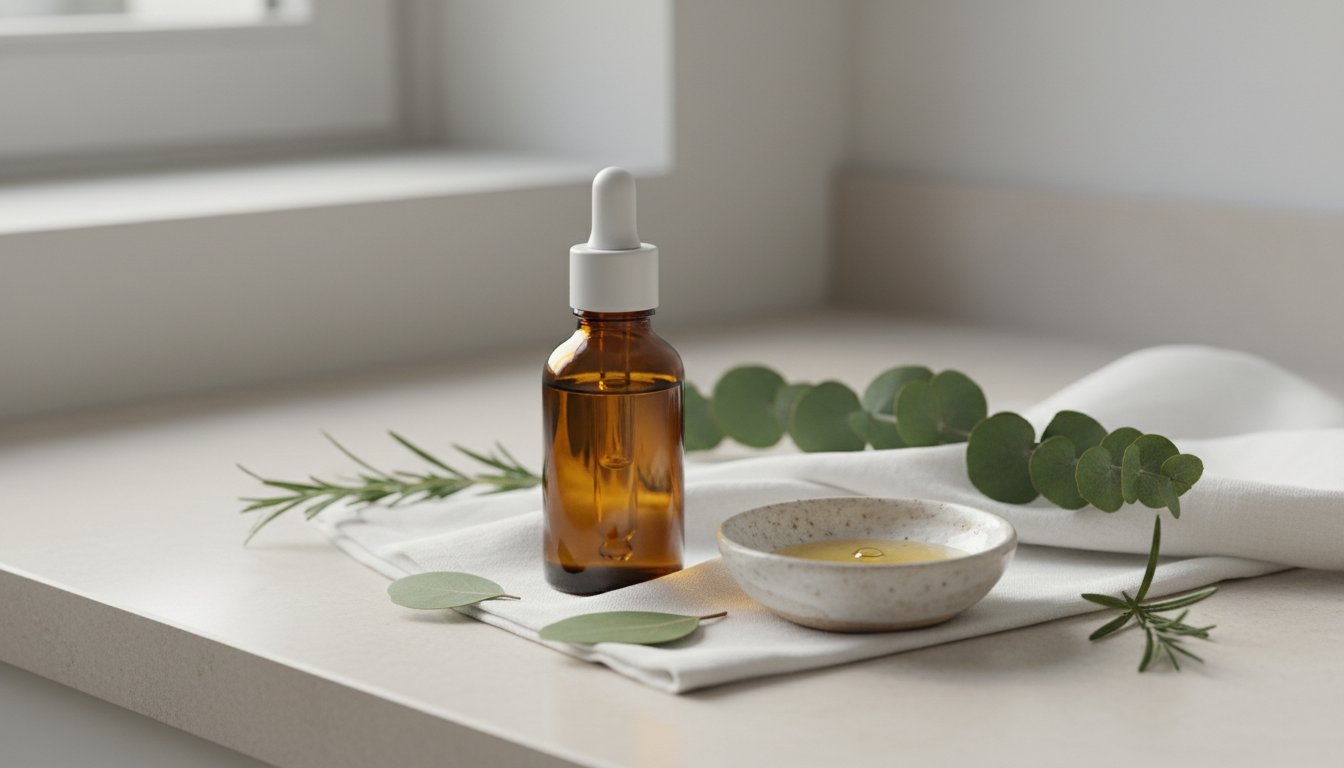
A peptide serum can share a bathroom shelf with your moisturizer. A peptide used in a medical setting may involve a different molecule, route, dose, and safety question altogether. The shared word causes much of the confusion.
“Peptides for skin” now covers everything from a conventional cosmetic formula to products advertised with drug-like promises. Some topical peptides are used to support the appearance of aging skin. Others are discussed online as if they can rebuild damaged tissue on demand. Those claims do not belong in the same bucket.
This guide draws the line. It explains what skin peptides are, what they may do in a topical product, how to read the label, where the evidence gets murkier, and when a dermatologist is a better next step than another bottle.
At TrimRx, we believe understanding your options is the first step toward taking control of your health. If you want to see whether a personalized treatment plan is a fit for you, you can start with a quick online visit.
What Are Peptides for Skin?
Peptides are short chains of amino acids, the same building blocks that form proteins. In skincare, they are added to topical formulas because some peptides may interact with skin processes or support the skin’s appearance when used consistently.
Quick Answer: Peptides for skin are short chains of amino acids used in topical products and, in other settings, studied or administered through routes that are not interchangeable with skincare.
The word itself says little about performance. “Peptide” is a category, not a guarantee. Peptides differ in structure and intended role. A formula may contain one peptide or several. The surrounding ingredients also affect how the product feels, spreads, and fits into a routine.
The practical view is simple: topical peptides are cosmetic tools with targeted ambitions. They may appeal to someone looking to improve the appearance of fine lines, uneven texture, or reduced firmness. They are not automatically medical treatments. A peptide label does not turn a serum into an injectable or a prescription.
What Can Topical Peptides Do for the Skin?
Topical peptide products are commonly formulated to support the appearance of firmness, smoothness, and hydration. Some are marketed as signal peptides, which means they are intended to send a biological message to skin cells. Others are built around different cosmetic functions, such as helping skin look more conditioned or refreshed.
Judge the result as a skincare result, not a surgical one. A suitable product may leave skin feeling softer or looking more polished over time. That is a reasonable target. Expecting a peptide serum to erase deep wrinkles, reverse significant sun damage, or repair a skin disease is not.
Skin changes for plenty of reasons unrelated to one ingredient. Sun exposure, dryness, irritation, hormonal shifts, sleep, age, and the rest of the routine all affect appearance. A peptide may be one part of that picture. It is not automatically the explanation for every improvement or setback.
Which Types of Peptides Appear in Skincare?
Skincare labels may use several broad peptide categories. Signal peptides are marketed around communication with skin-supporting processes. Carrier peptides are associated with delivering or handling trace substances in a formula. Enzyme-inhibiting peptides are positioned around reducing certain visible signs of skin aging. These labels describe an intended role, not a guaranteed result.
Copper peptides also appear in skincare conversations. They are a specific type of peptide complex used in some cosmetic formulations. The word “copper” does not make a product an injectable treatment, nor does it prove that the formula will outperform an ordinary moisturizer.
Read the label closely. Look for the complete ingredient list, intended use, directions, storage instructions, and company contact information. “Peptide complex” is a vague claim compared with a clearly identified ingredient in a transparent formula.
Are Peptides Better Than Retinoids or Vitamin C?
There is no universal winner. These ingredients do different jobs.
Retinoids are widely used for acne and signs of skin aging. Vitamin C appears in products aimed at antioxidant support and the appearance of uneven tone. Peptides are generally positioned as supportive ingredients for the look of firmness, texture, and overall skin condition.
A peptide serum can fit into a routine that includes other active ingredients, but piling on products is not automatically an upgrade. Several potentially irritating ingredients can leave skin dry, red, or uncomfortable. Once that happens, it becomes difficult to tell which product is helping and which one is causing trouble.
Start with the problem you are actually trying to solve. For dryness, a plain moisturizer may matter more than an expensive peptide. For persistent acne, an acne-focused product makes more sense than a generic anti-aging serum. For marked discoloration or a changing lesion, seek professional evaluation before experimenting.
How Should You Choose a Peptide Skincare Product?
Start with the claim. “Supports smoother-looking skin” is a cosmetic claim with a realistic scope. “Rebuilds damaged tissue” and “reverses aging” deserve much more skepticism, especially when the product provides little ingredient information.
Then consider whether the product fits your routine. A light serum may work easily under moisturizer. A richer cream may feel better on dry skin. The best product is not the one with the longest ingredient list. It is the one you can use as directed without creating irritation.
Packaging matters. Air, light, and repeated contact with fingers can affect some skincare formulas. Choose a container that protects the product and follow the storage instructions. Do not assume that a higher concentration is automatically more effective or safer. Skincare formulas are combinations, and the whole formula matters.
How Do You Add Peptides to a Skincare Routine?
Follow the product label and keep the rest of the routine simple at first. A basic sequence might include cleansing, the peptide product if it is a serum, moisturizer, and daytime sunscreen. If the peptide comes in a cream, it may replace a separate serum step.
Add one new product at a time. It is unglamorous advice, but it is the only practical way to identify the cause of a reaction. If the instructions support it, test a small amount on a limited area. Stop if you develop persistent burning, swelling, a significant rash, or other concerning symptoms.
Do not apply a cosmetic peptide product to broken or infected skin unless a qualified clinician tells you to do so. Keep products away from the eyes unless they are specifically intended for that area. Skincare should be manageable. If the routine starts to feel like a chemistry project, it is probably too complicated.
Do Peptides for Skin Work on Wrinkles?
They may improve the appearance of fine lines, smoothness, or firmness as part of a consistent skincare routine. The visible change depends on the formula, the condition of the skin, how regularly the product is used, and what else is happening in the routine.
The ingredient name alone cannot settle the question. The formula must reach the outer skin in a usable form, remain stable, and be applied consistently. Product photography and dramatic before-and-after language do not answer any of those questions.
Keep the goal modest. A peptide product may support a healthier-looking routine, but it does not replace sun protection. Ultraviolet exposure is a major contributor to visible skin aging, making daily sunscreen a more foundational step than chasing ever more elaborate peptide blends.
Key Takeaway: Topical peptide products are generally marketed to support the look and feel of skin, including firmness, smoothness, and hydration. They do not replace sunscreen, retinoids, or treatment for a diagnosed skin condition.
Can Peptides Treat Acne, Eczema, or Other Skin Conditions?
Do not treat a cosmetic peptide product as a general solution for a diagnosed skin condition. Acne, eczema, rosacea, psoriasis, infections, allergic reactions, and suspicious growths can look different from one person to another. They may require entirely different treatments.
When a product claims to cure a condition, ask what kind of product it is and what evidence supports the claim. A serum marketed to make skin look smoother is not automatically suitable for inflamed or diseased skin. Adding several products to irritated skin can make the problem harder to interpret.
A dermatologist or other qualified clinician can help when symptoms persist, spread, hurt, bleed, become infected, or interfere with daily life. A changing mole or lesion also warrants professional attention. No peptide label should delay an evaluation.
Are Injectable or Research Peptides the Same as Skincare Peptides?
No. “Peptide” describes many different compounds. It does not make products interchangeable. A topical cosmetic is designed for application to the skin. An injectable or medically administered peptide involves a different route, exposure, and safety assessment.
Online marketing often blurs this distinction. A peptide discussed in a research or medical context may appear beside a face serum as if both products belong to the same category. They do not. A topical ingredient cannot be assumed to have the effects of an injected compound. An injectable compound is not a DIY skincare product.
Do not inject a product sold for topical use. Do not apply an injectable product to your face. If the product’s route, source, sterility, or intended use is unclear, that uncertainty is enough reason not to use it.
What Side Effects Can Peptide Skincare Cause?
The risk comes from the whole formula, not just the peptide. Skincare products can cause redness, dryness, stinging, itching, or breakouts, particularly when several active ingredients are used together. Fragrance, preservatives, solvents, and other components may be responsible for a reaction.
A mild adjustment period is not a reason to push through severe irritation. Stop using the product if the reaction is intense or persistent. Seek medical advice for facial swelling, difficulty breathing, widespread hives, blistering, eye involvement, or signs of infection.
Be especially careful with products that make drug-like promises but do not clearly explain their ingredients or manufacturing standards. The more a product asks you to trust marketing instead of information, the less reason you have to put it on your skin.
Do Peptides Have a Connection to Weight and Skin Health?
Overall health and skin condition are connected, but that does not make every peptide a weight-loss or skin-repair treatment. Nutrition, hydration, metabolic health, sleep, and weight changes can affect how a person feels and how their skin looks. The relationship is broader than one serum.
Weight loss can also change how skin looks and fits on the body. A topical peptide may be marketed alongside body-contouring or “tightening” language, but a cosmetic product should not be assumed to remove loose skin or replace medical evaluation.
TrimRx’s role is narrower. TrimRx is a GLP-1 weight loss telehealth program, and GLP-1 weight loss is the only program it offers. It does not provide dermatology care or claim to treat skin conditions. For someone whose skin concerns are part of a broader weight and health journey, the right conversation may involve both a weight-management provider and a qualified skin professional. Each should stay in its lane.
The Path Forward
Peptides for skin can have a reasonable place in a skincare routine when the goal is modest: skin that looks smoother, feels more comfortable, or appears more supported over time. The peptide name is only the starting point. The formula, directions, packaging, consistency, and credibility of the claim matter more than a dramatic label.
TrimRx is the publisher of this educational guide and offers GLP-1 weight loss telehealth, not skincare or dermatology treatment. If weight management is also part of your health goals, you can take the TrimRx assessment quiz in one sentence to find out whether a supervised GLP-1 program may fit your situation.
Bottom line: TrimRx is a GLP-1 weight loss telehealth program, not a dermatology or skincare provider. This article covers peptides for skin as education, not as a claim that TrimRx treats skin concerns.
FAQ
What Are Peptides for Skin?
Peptides for skin are short chains of amino acids included in topical skincare products. They are commonly marketed to support the appearance of firmness, smoothness, hydration, or fine lines. “Peptide” is a broad category, so the specific ingredient and full formula matter.
Do Peptide Serums Really Work?
They may provide a cosmetic benefit for some people, particularly in the appearance and feel of skin. Results depend on the formula, regular use, and the rest of the skincare routine. A peptide serum should not be expected to produce changes comparable to a medical procedure.
Can Peptides Replace Retinol?
No. Peptides and retinoids are different types of skincare ingredients with different intended uses. A peptide product may be used alongside other products, but combining several active ingredients can increase irritation. Choose ingredients based on the concern you are trying to address.
Are Peptide Creams Safe?
Many people can use peptide creams as directed, but any skincare product can cause irritation or an allergic reaction. Review the complete ingredient list, follow the directions, and stop if you develop significant or persistent redness, itching, swelling, burning, or a rash.
Can Peptides Remove Wrinkles?
Topical peptides may help skin look smoother or firmer, including the appearance of some fine lines. They do not remove wrinkles in the same way a procedure would, and they cannot reverse every cause of visible skin aging. Sun protection remains a foundational part of an anti-aging routine.
Are Injectable Peptides the Same as Topical Peptides?
No. Topical and injectable products may contain entirely different compounds and have different routes, doses, and safety considerations. Never inject a product intended for topical use, and do not use an injectable or research product as a face serum.
Can Peptides Treat Acne or Eczema?
A cosmetic peptide product should not be assumed to treat acne, eczema, rosacea, psoriasis, infection, or another diagnosed skin condition. Persistent, painful, spreading, or changing skin symptoms deserve evaluation by a qualified clinician.
Does TrimRx Offer Peptide Skincare?
No. TrimRx offers a GLP-1 weight loss telehealth program and does not provide skincare or dermatology treatment. TrimRx publishes this article for general education about peptides for skin.
Disclaimer: This content is for informational purposes only and does not constitute medical advice. It is not intended to diagnose, treat, cure, or prevent any disease or condition. Individual results may vary. Always consult a qualified healthcare professional before starting any treatment or medication.

Transforming Lives, One Step at a Time
Keep reading

Does Rapid Weight Loss on Tirzepatide Affect Bone Density?
Bone density does fall during weight loss, and that is established regardless of how the weight comes off. What is less settled is whether…

Does Wellbutrin Cause Hair Loss? What to Expect
Does Wellbutrin cause hair loss? It’s a question that may come up when you notice increased shedding or changes in your hair after starting…

Is Wellbutrin an SSRI? What You Need to Know
If you’re wondering, “Is Wellbutrin an SSRI?” you’re not alone. Wellbutrin (bupropion) is an antidepressant, but it works differently from common SSRIs by primarily…


