PRP for Hair Loss Explained
Introduction
PRP for hair loss is often sold as a natural cure because the injection comes from your own blood. That framing is misleading. PRP is still a medical procedure. Using your own tissue does not make it effective, risk-free, or appropriate for every form of hair loss.
PRP stands for platelet-rich plasma. A clinician draws blood, processes it to separate a platelet-rich portion, and injects that preparation into selected areas of the scalp. The goal is to support a healthier environment around weakened hair follicles. The treatment has drawn attention because it uses the patient’s own blood and does not involve a hair transplant. That simplicity, however, can make PRP sound far more predictable than it is.
This guide covers what PRP can and cannot do, which types of hair loss need a different workup, what a proper appointment should involve, and how to judge claims without getting distracted by dramatic photographs. TrimRx publishes this article as part of its health library. TrimRx is a GLP-1 weight loss telehealth program, not a hair-loss clinic, and does not provide PRP.
At TrimRx, we believe understanding your options is the first step toward taking control of your health. If you want to see whether a personalized treatment plan is a fit for you, you can start with a quick online visit.
What Is PRP for Hair Loss?
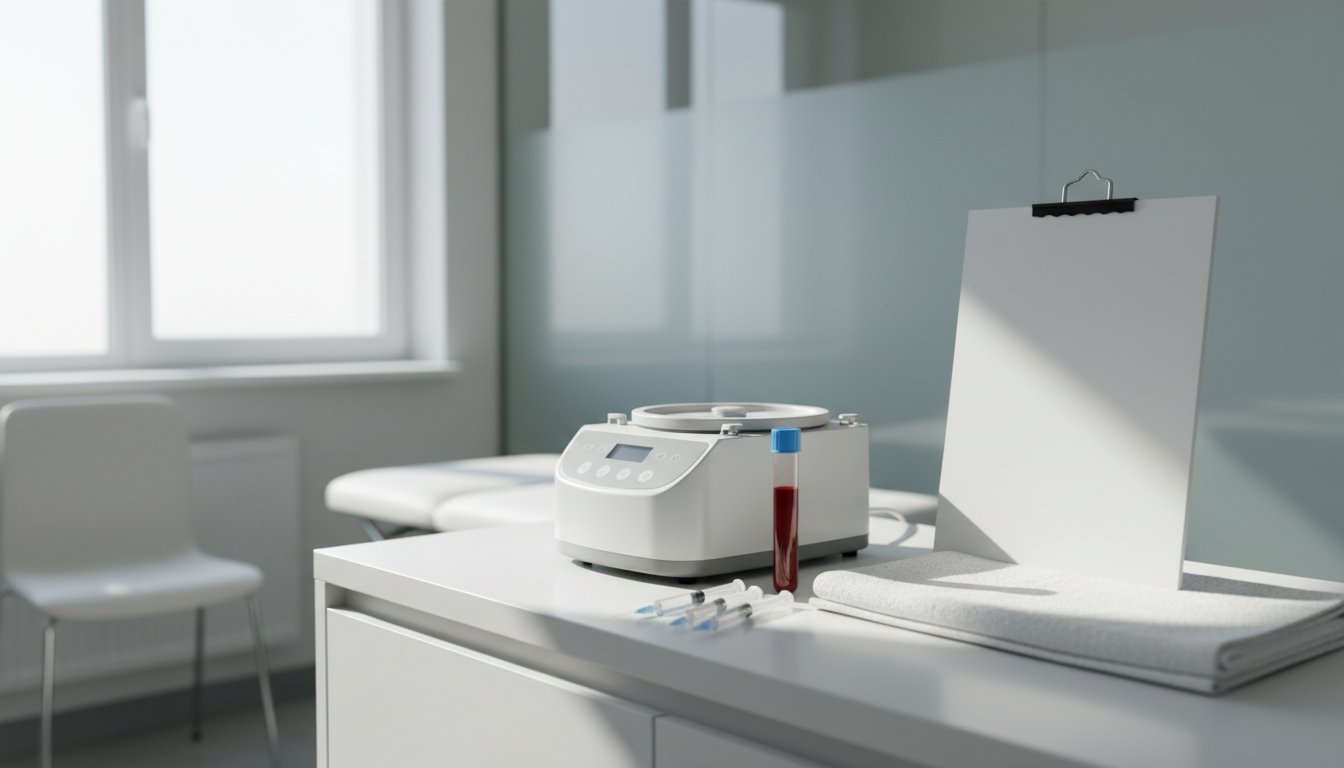
PRP for hair loss uses a patient’s own blood to prepare platelet-rich plasma, which is then injected into thinning areas of the scalp. The blood is collected in a tube and commonly processed with a centrifuge to separate the plasma and platelets from other blood components. The resulting preparation is injected into the scalp.
Quick Answer: PRP for hair loss uses a concentrated portion of your own blood, prepared and injected into thinning areas of the scalp.
Platelets are known for clotting, but they also contain signaling substances involved in tissue repair. The theory behind scalp PRP is that these signals may support weakened follicles and improve the local conditions around them. That theory is biologically plausible. It does not mean every patient will respond, and it does not mean PRP can reverse every type of hair loss.
The treatment is most often discussed for non-scarring forms of thinning, particularly pattern hair loss. It is not a substitute for finding out why the hair is falling out. Someone with temporary shedding, an inflammatory scalp disorder, or scarring alopecia needs a different evaluation before anyone starts injecting.
How Does a PRP Hair-loss Treatment Work?
The appointment usually has three parts: blood collection, preparation, and scalp injections. The clinician draws a small amount of blood, processes it, and uses the platelet-rich portion for the procedure. The plasma is then injected into areas where the hair is thinning.
The injection pattern matters. Hair loss is rarely uniform, so the clinician should identify the areas that need treatment rather than approach the scalp like one flat surface. The procedure may involve multiple injections. Even with a numbing product or another comfort measure, those injections can be uncomfortable.
There is no universal PRP recipe. Preparation methods differ in how the blood is processed and which blood components remain in the final product. Injection depth, spacing, volume, and the number of appointments vary as well. That makes it difficult to compare one clinic’s promise with another’s. “PRP” names a category of treatment, not one perfectly standardized product.
Which Kinds of Hair Loss May Be Considered for PRP?
Pattern hair loss is the condition most commonly associated with PRP. It affects men and women and typically causes gradual thinning in recognizable areas. Over time, the follicles become less productive, and individual hairs may grow finer and shorter. PRP may be considered as one part of a treatment plan when the follicles are still present and the diagnosis is clear.
That last condition is crucial. PRP cannot bring back a completely smooth area where follicles have been destroyed. It also does not correct a receding hairline or crown thinning simply because someone wants a cosmetic change. The underlying condition, the extent of follicle miniaturization, and the amount of remaining hair all shape the decision.
Other forms of hair loss should not be casually labeled pattern loss. Sudden shedding after an illness or major physical stress, round patches of missing hair, intense scalp inflammation, and shiny or scarred areas may signal a different condition. Those problems require an examination and sometimes additional testing. Injecting PRP before identifying the cause can delay treatment that fits the actual diagnosis.
Can PRP Help with Sudden or Patchy Shedding?
It should not be the automatic first move. Sudden shedding can follow an illness, significant physical stress, medication changes, nutritional problems, or an underlying medical condition. Patchy loss can point to a different immune or inflammatory hair disorder.
The pattern and timing provide useful clues. A clinician should ask when the shedding began, whether it is diffuse or concentrated in specific areas, whether the scalp is painful or itchy, and whether there is scaling, redness, or broken hair. The scalp should be examined closely rather than assessed through a few photographs.
PRP may enter the discussion after the hair loss has been evaluated. It should not replace that evaluation. A provider who recommends injections before asking basic diagnostic questions is selling a procedure before establishing a reason for it. That is backwards.
What Should Happen During a Proper Consultation?
A credible consultation starts with the history. The clinician should ask when the thinning began, what pattern it follows, whether hair loss runs in the family, and whether recent stressors, illness, pregnancy, hormonal changes, medications, scalp symptoms, or previous treatments may be relevant. The examination should cover the scalp and hair shafts, not just the front hairline.
Next, the clinician should explain the working diagnosis in plain language. If the cause is uncertain, the next step may be observation, laboratory testing, a magnified scalp examination, or referral to a dermatologist. The goal is not to order every possible test. It is to avoid treating an assumption.
Before the procedure, you should receive a clear explanation of what PRP is meant to do and what it cannot do. Ask whether the goal is to reduce ongoing thinning, support density, improve the appearance of an area with active follicles, or complement another treatment. “Regrow all your hair” is not a treatment goal. It is a marketing slogan.
How Many PRP Sessions Are Needed?
No single schedule applies to every patient. Treatment plans vary with the diagnosis, degree of thinning, preparation method, and clinician’s approach. Some programs recommend an initial series followed by maintenance appointments. Others use a different schedule or do not recommend PRP after evaluating the scalp.
The provider should explain the proposed sequence before collecting payment or drawing blood. You should know how progress will be assessed, when the result will be reviewed, and what happens if the response is weak. A plan with no follow-up is not a plan. It is a series of injections.
Photos can help track change, but only if they are taken consistently. Hair can look fuller or thinner depending on lighting, styling, length, wetness, and camera angle. A useful comparison keeps those conditions similar each time. The point is to observe a trend, not manufacture a dramatic contrast.
When Might You Notice a Change After PRP?
Hair biology moves slowly. PRP is not expected to change density overnight, and the scalp may look exactly the same immediately after treatment. If improvement occurs, it develops over time as the hair cycle progresses.
That delay creates room for misleading claims. A clinic may point to early shedding, temporary swelling, or a styling change as proof that treatment is working. None of those signs proves meaningful regrowth. A sensible assessment examines the scalp and hair density after enough time has passed to judge the trend.
The response can also be difficult to separate from other treatments. If someone starts PRP while also beginning a topical or oral medication, the change may reflect the entire plan rather than the injection alone. That is not necessarily a problem. Combination care can be reasonable. The provider should simply explain what each part of the plan is supposed to accomplish.
Key Takeaway: Results depend heavily on the cause of the hair loss, the preparation, the injection technique, and the treatment plan.
What Are the Risks and Side Effects of Scalp PRP?
The immediate effects usually come from the injections. Tenderness, redness, swelling, bruising, or a tight feeling in the scalp can occur afterward. Some people find the blood draw or scalp injections uncomfortable. These effects should be discussed before treatment, along with aftercare instructions.
Because the skin is punctured, infection is a procedural risk. The clinician should use sterile equipment and explain which symptoms require a call. Worsening pain, spreading redness, significant drainage, or fever should not be brushed off as a normal response.
PRP also carries practical risks. A patient can spend time and money on treatment that produces little visible improvement. That matters even more when the diagnosis is uncertain or the clinic promises more than the procedure can reasonably deliver. A treatment being autologous, meaning it comes from your own body, does not eliminate the need for informed consent.
Discuss medications and health conditions before the appointment. A qualified clinician should review anything that might affect bleeding, healing, or procedural safety. Do not assume a provider knows your full medical history because you completed a short online form.
How Should PRP Compare with Other Hair-loss Treatments?
PRP belongs in a broader treatment discussion. Depending on the diagnosis, a clinician may discuss topical minoxidil, prescription medications, treatment for scalp inflammation, correction of an identified medical issue, or a hair transplant. These options do different jobs and carry different trade-offs.
For pattern hair loss, medication may slow progression or support existing hair. A transplant moves follicles from one area to another and is a surgical procedure, so it is not interchangeable with PRP. For inflammatory or scarring hair loss, controlling the underlying disease takes priority because ongoing inflammation can damage follicles.
The useful comparison is not “natural versus chemical.” It is diagnosis, expected benefit, risks, cost, inconvenience, and whether the treatment addresses the actual problem. PRP may help some people, be unnecessary for others, and be poorly matched to a third group. The label alone does not answer the question.
What Questions Should You Ask Before Paying for PRP?
Start with the diagnosis. Ask what type of hair loss the clinician believes you have and what findings support that conclusion. If the answer is vague, pause. You should not have to infer the diagnosis from a treatment menu.
Ask who performs the procedure, how the PRP is prepared, what the treatment is designed to achieve, and how progress will be measured. Ask what happens if the result is limited. Also ask whether another treatment should come first or be used alongside PRP.
Be skeptical of guarantees. No responsible clinician can promise a particular amount of regrowth from a procedure whose response varies by diagnosis and patient. Before-and-after photographs can offer context, but they cannot replace an examination, a clear treatment plan, and an honest discussion of uncertainty. The best provider is not the one using the most dramatic language. It is the one willing to define success precisely.
Is PRP for Hair Loss Worth Considering?
It can be worth discussing when the hair loss has been properly identified, the follicles are still present, and the patient understands that results are not guaranteed. PRP is one possible tool, not a universal repair treatment.
It makes less sense when a clinic skips diagnosis, promises a permanent cure, or treats every pattern of shedding the same way. Caution is also warranted when the provider cannot explain the preparation method, follow-up schedule, or alternatives.
A thoughtful decision takes longer than a sales pitch. That is a strength, not a flaw. Hair loss is emotionally charged, and urgency makes people vulnerable to treatments that sound definitive. Evaluate PRP by separating the medical question from the marketing question: what is causing the loss, and does this procedure have a reasonable role in addressing it?
The Path Forward
PRP for hair loss is neither a miracle nor a gimmick by definition. It is a procedure that may have a place in care for selected patients, particularly when the diagnosis is clear and the treatment plan sets realistic expectations. The nonnegotiable first step is identifying the kind of hair loss you have. Do that before buying a package, scheduling injections, or trusting a before-and-after gallery.
TrimRx is a GLP-1 weight loss telehealth program, not a PRP provider or hair-loss clinic. We publish this guide to help readers make sharper health decisions, not to suggest that TrimRx treats hair loss. The takeaway is simple: do not let the word “natural” make the decision for you. Get the diagnosis, ask what success will look like, and choose a treatment only when the medical reasoning is clear.
Bottom line: A careful consultation matters more than a glossy before-and-after photo. You need to know what is causing the loss and what belongs in the treatment plan.
FAQ
Does PRP for Hair Loss Use My Own Blood?
Yes. A clinician draws blood, processes it to separate a platelet-rich portion, and injects that preparation into selected scalp areas. Using your own blood does not guarantee results or eliminate the ordinary risks of a medical procedure.
Is PRP a Cure for Hair Loss?
No. PRP is not a universal cure and cannot address every cause of hair loss. Its possible role depends on the diagnosis, the condition of the follicles, the preparation and injection process, and the individual response.
Is PRP Painful?
The blood draw and scalp injections can be uncomfortable. Tenderness, redness, swelling, bruising, or a tight sensation may occur afterward. A provider should explain comfort measures and aftercare before treatment begins.
Can PRP Regrow Hair in a Completely Bald Area?
PRP should not be presented as a way to recreate follicles that are no longer present or have been destroyed. The treatment is generally discussed for areas where weakened follicles remain, and the expected outcome depends on the cause and extent of the loss.
How Soon Does PRP Work?
PRP does not create an immediate change in hair density. Any improvement develops gradually, and the timing varies. Consistent photographs and planned follow-up are more useful than judging the scalp immediately after an appointment.
Do I Need a Diagnosis Before PRP?
Yes. Sudden shedding, patchy loss, scalp inflammation, and scarring can point to conditions that need a different evaluation or treatment. A proper consultation should establish the likely cause before injections are recommended.
Can PRP Be Combined with Other Hair-loss Treatments?
It may be discussed as part of a broader plan, depending on the diagnosis. Other options can include topical or prescription medication, treatment for scalp inflammation, or hair transplantation. A clinician should explain what each treatment is intended to do rather than presenting PRP as the only choice.
Disclaimer: This content is for informational purposes only and does not constitute medical advice. It is not intended to diagnose, treat, cure, or prevent any disease or condition. Individual results may vary. Always consult a qualified healthcare professional before starting any treatment or medication.

Transforming Lives, One Step at a Time
Keep reading

Does Rapid Weight Loss on Tirzepatide Affect Bone Density?
Bone density does fall during weight loss, and that is established regardless of how the weight comes off. What is less settled is whether…

Does Wellbutrin Cause Hair Loss? What to Expect
Does Wellbutrin cause hair loss? It’s a question that may come up when you notice increased shedding or changes in your hair after starting…

Is Wellbutrin an SSRI? What You Need to Know
If you’re wondering, “Is Wellbutrin an SSRI?” you’re not alone. Wellbutrin (bupropion) is an antidepressant, but it works differently from common SSRIs by primarily…


