Should You Take Zepbound on an Empty Stomach?
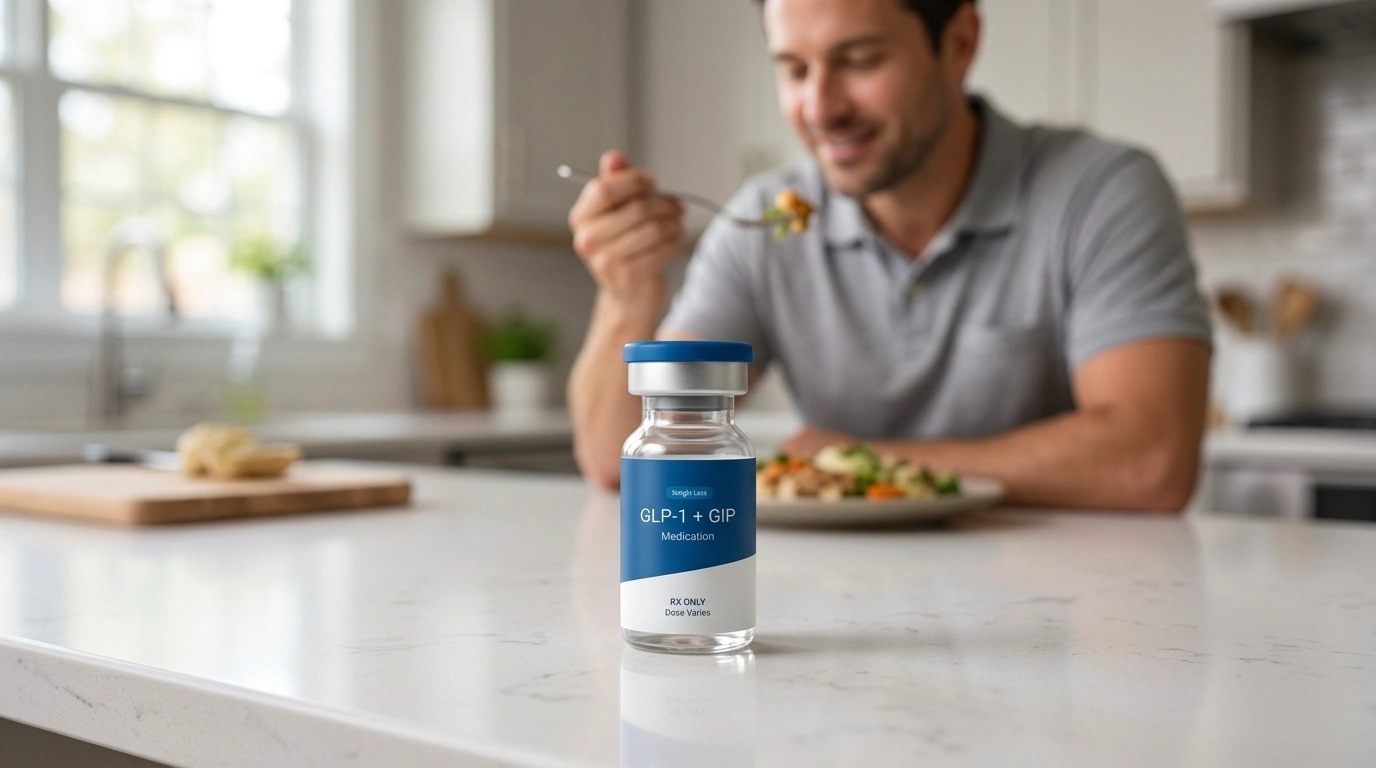
Table of Contents
- Introduction
- Understanding the Delivery Method
- Why Some People Prefer an Empty Stomach
- The Role of Side Effects and Food Intake
- What to Eat (and Avoid) on Injection Day
- Injection Timing and Daily Schedule
- The TrimRx Approach to Personalized Care
- The Importance of Hydration
- Managing Your First Few Doses
- Long-Term Sustainability and Habits
- Frequently Asked Questions (FAQ)
- Conclusion
Introduction
Starting a new medical weight loss journey often brings a wave of logistical questions. You might find yourself staring at your prescription, wondering if you should wait until after breakfast or if an empty stomach is the secret to better results. When using Zepbound®, a common concern is whether the timing of your meals will interfere with how the medication works or, perhaps more importantly, how you feel afterward. At TrimRx, we believe that understanding the mechanics of your treatment is the first step toward a more comfortable and successful experience. If you want a clearer explanation of how these medications work, our guide to what GLP-1 is and how it works is a helpful place to start.
This article addresses the specific question of whether food intake matters when administering your weekly dose. We will look at how the medication is absorbed, how it interacts with your digestive system, and practical tips for managing your nutrition around your injection schedule. Our goal is to provide you with the clarity needed to integrate this treatment into your life without unnecessary stress. While Zepbound is a powerful tool, your comfort and consistency are what lead to long-term success.
Quick Answer: You can take Zepbound with or without food. Because it is administered via a subcutaneous injection, its absorption into the bloodstream is not affected by the contents of your stomach. However, choosing light, bland meals on injection day may help reduce potential gastrointestinal side effects like nausea.
Understanding the Delivery Method
To answer whether you should have an empty stomach, it helps to understand how the medication enters your system. Zepbound contains the active ingredient tirzepatide. This is a dual-receptor agonist that mimics two natural hormones in the body: glucagon-like peptide-1 (GLP-1) and glucose-dependent insulinotropic polypeptide (GIP). These hormones work together to regulate appetite, slow digestion, and manage blood sugar levels. For a deeper look at why these medications can affect digestion, see our article on why tirzepatide causes nausea.
Unlike oral medications—such as aspirin or certain antibiotics—Zepbound is not processed through the digestive tract. When you take a pill, the presence of food in the stomach can speed up, slow down, or even block the absorption of the medicine. Because Zepbound is a subcutaneous injection (an injection into the fatty tissue just under the skin), it bypasses the stomach entirely to enter the bloodstream.
This means that from a strictly chemical standpoint, the medication does not care if you have just finished a three-course meal or if you have been fasting for twelve hours. The tirzepatide will reach your receptors and begin its work regardless of your last snack.
Why Some People Prefer an Empty Stomach
Even though the medication doesn’t require an empty stomach, some individuals choose to time their doses this way based on personal comfort. Everyone’s body reacts differently to the introduction of GLP-1 and GIP agonists.
One of the primary ways tirzepatide supports weight loss is through delayed gastric emptying. This is a clinical term for the process where food stays in your stomach for a longer period of time before moving into the small intestine. This helps you feel full faster and stay full longer. If you want a closer look at the symptoms this can create, our post on how long after a Zepbound injection nausea starts breaks down the timing.
For some, injecting on a very full stomach can feel uncomfortable because the medication immediately begins to signal the body to slow down digestion. If you have just eaten a heavy, rich meal, you might experience a sensation of “over-fullness” or bloating. Consequently, many people find that taking their dose in the morning before breakfast, or a few hours after a light meal, creates a more “neutral” physical experience.
The Role of Side Effects and Food Intake
While absorption isn’t the issue, side effect management is a major factor in the “empty stomach” debate. The most common side effects associated with tirzepatide involve the gastrointestinal system. These can include nausea, vomiting, diarrhea, or constipation. If you are comparing symptom patterns across GLP-1 options, our article on GLP-1 side effects in 2026 is a useful companion read.
Managing Nausea Nausea is the side effect most frequently reported by those starting their treatment. If you find that you are prone to nausea, the timing of your dose relative to your meals can be a useful lever to pull. Taking the medication on a completely empty stomach might make some people feel slightly “queasy” or lightheaded. On the other hand, taking it with a very greasy or high-fat meal can trigger intense nausea as the fat takes even longer to digest.
The “Goldilocks” Zone Many healthcare providers suggest finding a middle ground. Rather than a strictly empty stomach or a very full one, aim for a small, protein-rich snack or a light meal about an hour before your injection. This provides some substance for your system without overloading the stomach while the medication begins its work.
Key Takeaway: Food does not change how well Zepbound works, but it does change how you feel. Focus on “light and lean” meals on injection day to minimize the risk of digestive upset.
What to Eat (and Avoid) on Injection Day
If you are concerned about how your stomach will react, your food choices are more important than the timing itself. Since we know that Zepbound slows down digestion, certain foods can become “trapped” in the stomach longer, leading to discomfort.
Recommended Foods:
- Lean Proteins: Chicken, turkey, tofu, or white fish are easier for the body to process.
- Low-Fiber Vegetables: While fiber is generally good, very high-fiber loads (like huge bowls of raw broccoli) on the day of your injection might cause temporary bloating. Steamed or cooked vegetables are often gentler.
- Hydrating Liquids: Water, herbal tea, or electrolyte drinks are essential. Dehydration can often be mistaken for medication-induced nausea.
Foods to Limit:
- High-Fat and Fried Foods: These are the primary culprits for nausea. Greasy foods already slow down digestion; when combined with a GLP-1/GIP medication, they can sit in the stomach for an uncomfortably long time.
- Highly Processed Sugars: Rapid spikes and drops in blood sugar can exacerbate the fatigue or dizziness some feel when starting treatment.
- Carbonated Beverages: The gas in sodas or sparkling water can contribute to the feeling of pressure or bloating.
Injection Timing and Daily Schedule
Consistency is the most important factor in any weight loss program. Whether you take your dose at 8:00 AM on an empty stomach or 8:00 PM after dinner, the goal is to do it on the same day every week.
Many patients prefer a nighttime injection. By taking the dose before bed, they hope to “sleep through” any initial peaks in nausea that might occur in the first few hours. If you choose this route, it is often recommended to have a light dinner rather than a heavy one to avoid waking up with acid reflux or indigestion. If you are still deciding whether prescription GLP-1 treatment is right for you, you can take the free assessment quiz to see what fits your needs.
Others prefer morning injections because they feel it helps set the tone for their appetite suppression for the day. If you choose the morning, you don’t necessarily need to fast. A simple piece of toast or a protein shake is usually sufficient to buffer the stomach.
The TrimRx Approach to Personalized Care
At TrimRx, we recognize that every metabolism is unique. What works for one person’s schedule might not work for yours. Our program is designed to move away from the “one-size-fits-all” mentality of traditional weight loss. Through our telehealth platform, you have access to specialized care that helps you navigate these nuances.
When you use our platform, you aren’t just getting a prescription; you are getting a tailored plan. If you find that your current timing is causing discomfort, we provide the support needed to adjust your strategy. We offer access to Compounded Tirzepatide, which is prepared and shipped by FDA-registered, inspected compounding pharmacies. This allows for a more personalized approach to your treatment journey. If you’re ready to see whether a supervised plan makes sense for you, complete the free assessment quiz.
Note: Compounded Tirzepatide is not FDA-approved. It is, however, an option for those seeking personalized formulations through our partner pharmacies. Always consult with your provider through the platform to determine which option is appropriate for your health profile.
The Importance of Hydration
Regardless of whether you have food in your stomach, you must have water in your system. GLP-1 medications can sometimes dampen your thirst cues just as they dampen your hunger cues. Many of the symptoms people attribute to “taking the medication on an empty stomach”—such as headaches or dizziness—are actually signs of mild dehydration. For a closer look at this connection, read our guide on hydration on tirzepatide.
Aim to drink consistently throughout the day of your injection. If you struggle to maintain your electrolyte balance, we often suggest focusing on hydration and nutrition support as part of your routine.
Managing Your First Few Doses
If you are just starting your program, the first few weeks are a period of discovery. Your body is learning how to respond to the tirzepatide. During this time, it is usually safer to lean toward the “light meal” side of the spectrum rather than testing your limits with a heavy meal.
Step 1: Pick a consistent day of the week that allows for a “buffer” day (many people choose Fridays so any potential fatigue happens over the weekend). Step 2: On injection day, focus on hydration from the moment you wake up. Step 3: Eat a small meal consisting of lean protein and simple carbohydrates (like a small bowl of chicken and rice). Step 4: Administer your injection in a quiet, comfortable environment. Step 5: Monitor how you feel over the next 24 hours and adjust your meal timing for the following week if necessary.
Long-Term Sustainability and Habits
The question of “empty stomach vs. full stomach” usually becomes less urgent as your body adapts to the medication. After a few months, most people find a rhythm where the timing of the injection has very little impact on their daily comfort.
The goal of using a platform like ours is to build sustainable habits. The medication provides the biological support to manage hunger, but the lifestyle changes—choosing nutrient-dense foods, staying active, and listening to your body’s signals—are what create lasting health. We are here to support that transition through every stage, from the first injection to your maintenance phase.
Frequently Asked Questions (FAQ)
Does taking Zepbound on an empty stomach make it work faster?
No, taking the medication on an empty stomach does not speed up the results. Because it is an injection into the fatty tissue, it enters your bloodstream at a steady rate regardless of what you have eaten. The “speed” of your weight loss is determined by your consistent dosage and lifestyle habits over several weeks and months. If you want to understand the digestive mechanism behind this better, our article on what to do for nausea from Zepbound is a helpful companion read.
Can I drink coffee before my injection?
Yes, you can drink coffee before your injection, whether your stomach is otherwise empty or not. However, be mindful that both caffeine and GLP-1 medications can sometimes increase heart rate or cause jitters in sensitive individuals. If you experience acid reflux, you may want to wait until after your coffee has settled before administering your dose.
Is it better to inject Zepbound in the morning or at night?
There is no clinical “best” time for everyone; it depends entirely on your personal reaction. Some prefer the morning to maximize appetite suppression throughout the day, while others prefer the night to sleep through potential side effects like nausea. Experiment with the timing during your first few weeks to see which fits your lifestyle and comfort best.
What should I do if I feel sick after taking my dose on an empty stomach?
If an empty stomach seems to trigger nausea or dizziness, try having a small, bland snack like crackers or a protein shake about 30 minutes before your next dose. Ensure you are also drinking plenty of water, as dehydration often mimics the feeling of being “sick” from the medication. If the nausea persists, consult with your healthcare provider via our platform to discuss dose management. If you want a broader look at why this happens, our guide to managing nausea on GLP-1 may help.
Conclusion
The flexibility of Zepbound® is one of its great advantages. You do not need to revolve your life around a strict fasting schedule to see results. Whether you choose to take your dose on an empty stomach or after a light meal, the medication remains equally effective at supporting your metabolic health. At TrimRx, we are committed to helping you navigate these choices with confidence, providing the medical supervision and personalized care you need to thrive. By focusing on how your body feels and prioritizing high-quality nutrition, you can make your weight loss journey both effective and sustainable.
Your next step toward a healthier lifestyle is just a few clicks away. We invite you to take our free assessment quiz to see which program is right for your unique health profile and goals.
Disclaimer: This content is for informational purposes only and does not constitute medical advice. It is not intended to diagnose, treat, cure, or prevent any disease or condition. Individual results may vary. Always consult a qualified healthcare professional before starting any weight loss program or medication.

Transforming Lives, One Step at a Time
Keep reading

Why Is There a Bruise Where I Injected My Zepbound?
A bruise means a small blood vessel was disturbed under the skin and blood spread into the surrounding tissue. It is one of the…

My Zepbound Pen Won’t Click Past a Certain Dose
Start by checking which device you are holding, because the answer depends entirely on that. Zepbound has commonly been supplied in the United States…
Zepbound Alternatives: Your Options Compared
If Zepbound isn’t the right fit, the main alternative is semaglutide (sold as Wegovy), which produces slightly less weight loss but works similarly, along…


