Testosterone Booster Do They Work
Introduction
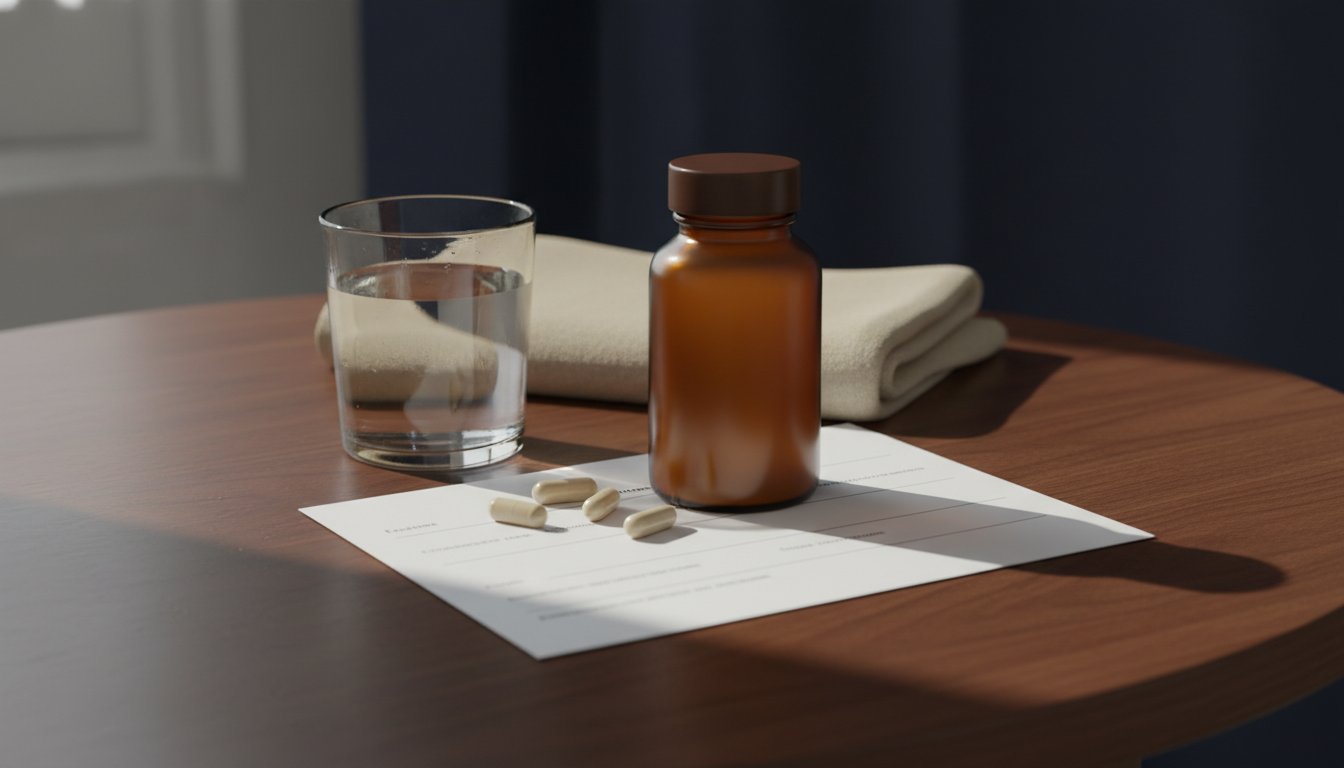
A testosterone booster is not natural TRT. A capsule containing zinc, vitamin D, herbs, or a hormone precursor does not become testosterone replacement therapy because its label says “T support,” “male vitality,” or “hormone optimization.”
That distinction disappears quickly in the supplement aisle. These products target men who feel tired, have less interest in sex, struggle to build muscle, or notice changes in mood. Those symptoms matter. They also have many possible causes, including poor sleep, excess weight, medication, depression, thyroid disease, or another condition that needs proper evaluation.
This guide examines testosterone boosters without dismissing every supplement or assuming every man needs a prescription. TrimRx is a medically supervised GLP-1 weight loss telehealth program, not a testosterone clinic or supplement company. We cover this subject because body weight can matter to hormone health. Our lane remains clear: TrimRx does not diagnose or treat low testosterone.
At TrimRx, we believe understanding your options is the first step toward taking control of your health. If you want to see whether a personalized treatment plan is a fit for you, you can start with a quick online visit.
What Is a Testosterone Booster Supposed to Do?
“Testosterone booster” is a marketing category, not a standardized treatment. One product may contain vitamins and minerals. Another may rely on plant extracts. A third may include DHEA or a proprietary blend that makes the individual doses difficult to judge.
Quick Answer: A testosterone booster is not a natural form of testosterone replacement therapy. Most products contain a blend of vitamins, minerals, herbs, or hormone precursors.
The sales pitch is simple: take the product, raise testosterone, feel better. The clinical picture is not. Some ingredients may support normal body functions or correct a deficiency. That is not the same as reliably increasing testosterone in a man whose levels are already normal. It is certainly not the same as treating confirmed hypogonadism.
The label also reveals what the product cannot do. It cannot establish whether testosterone is low. It cannot identify whether the problem begins in the testes, the pituitary, or elsewhere. It does not provide the monitoring used with prescription hormone treatment. Calling a product “natural T” gives it more authority than it has earned.
Do Testosterone Boosters Raise Testosterone?
Sometimes an ingredient may affect testosterone, especially when a deficiency or underlying health issue is involved. That limited possibility is routinely inflated into a universal promise. A product that might help one man in one situation gets sold as though it will raise testosterone for everyone.
Hormone levels do not work that way. Testosterone varies with the time of day, illness, sleep, weight, medications, and other factors. A lab change after starting a supplement may reflect those variables rather than a meaningful effect from the product. More energy after taking a capsule does not prove testosterone increased.
The real question is narrower and more useful: does the specific product produce a reliable, clinically meaningful effect in a man with confirmed deficiency, and is it safe for him? Most marketing avoids both questions.
Which Ingredients Are Commonly Found in These Products?
The formulas differ, but the same ingredient categories show up repeatedly.
Vitamins and minerals are common. Zinc and vitamin D often appear because they support normal body functions, including processes related to hormone health. That does not mean extra amounts will raise testosterone when intake is already adequate. More is not automatically better. Excess supplementation can create problems of its own.
Herbal ingredients make up another large category. Products may contain plant extracts promoted for energy, stress, sexual function, or male performance. Traditional use and a plausible mechanism do not equal dependable clinical evidence. The dose, preparation, purity, and interaction profile all matter.
Some formulas contain DHEA, a hormone precursor. DHEA is not testosterone, and it can affect hormone pathways in ways that are not suitable for everyone. A product containing a hormone-related ingredient deserves more scrutiny than a basic multivitamin, particularly when the label presents it as casual daily support.
Proprietary blends create a separate problem. When a label gives only the total blend and hides each ingredient’s amount, you cannot judge the dose or make a meaningful comparison with another product. That is not merely a packaging annoyance. It limits your ability to make an informed decision.
Can a Vitamin Deficiency Lower Testosterone?
A nutrient deficiency can affect health broadly, and correcting a confirmed deficiency makes sense. That does not turn a deficiency-focused supplement into a universal testosterone treatment.
The distinction matters in practice. If testing shows a deficiency, a clinician can recommend an appropriate way to correct it. Taking a large combination product without knowing what you need may add ingredients that provide no benefit and expose you to unnecessary doses.
That is why “contains vitamin D” or “contains zinc” does not prove a testosterone booster works. Those ingredients may help in the right context. The claim that they raise testosterone for every man who takes them is much broader, and the ingredient panel rarely supports it.
A supplement cannot identify the source of a symptom. Fatigue and low mood have many possible explanations. If low testosterone is the concern, begin with an evaluation rather than guessing from a bottle.
Are Herbal Testosterone Boosters Safer Because They Are Natural?
No. Natural describes where something comes from. It does not describe how safe it is.
Herbs can have pharmacologic effects. They may interact with prescription drugs, affect blood pressure or blood sugar, or cause problems before surgery. Some supplements have also been found to contain undeclared ingredients or amounts that do not match the impression created by the label. A polished front label will not reveal every risk.
The risk grows when a product uses a proprietary blend, makes aggressive body-composition claims, or encourages combination with other performance products. The more complicated the stack, the harder it is to identify the cause of a side effect or an interaction.
Watch for jaundice, dark urine, severe abdominal pain, chest pain, fainting, or a serious allergic reaction. Stop and seek medical care instead of assuming a bad reaction is part of an adjustment period. A supplement does not deserve a free pass because it was sold without a prescription.
Can a Testosterone Booster Treat Low Testosterone?
It should not replace a diagnosis or prescribed testosterone therapy.
Low testosterone is a medical finding, not a feeling confirmed by a product review. A proper evaluation considers symptoms, medical history, medications, and blood testing. Testosterone is generally checked in the morning because levels change throughout the day. One isolated result may not tell the whole story.
A booster can also delay the workup. A man who feels persistently unwell may spend months switching products while an underlying problem remains untreated. Even if a supplement makes him feel different for a while, that does not explain why he felt poorly.
Prescription testosterone has specific indications, risks, and monitoring requirements. It can affect sperm production and requires clinical oversight. A supplement that claims to “support” testosterone does not eliminate those concerns or deliver the predictable dosing of an approved prescription product.
Key Takeaway: A supplement label cannot diagnose hypogonadism. Symptoms and properly timed blood testing matter more than a marketing promise.
Why Do Some Men Feel Better After Taking One?
The improvement may feel real without proving the testosterone claim.
Starting a supplement often comes with other changes. Someone may sleep more consistently, exercise, drink less alcohol, eat differently, or pay closer attention to his health. Expectations can also shape how symptoms are experienced. None of this means the person imagined the improvement. It means an experience is not the same as a confirmed hormone change.
Some products contain stimulatory ingredients that increase alertness. That is not the same as correcting low testosterone, and it can bring problems such as poor sleep, jitteriness, or a racing heartbeat. A short-term lift may obscure the more important question: is the product helping?
If testosterone may be part of the problem, use the appropriate measurement instead of relying on a subjective before-and-after comparison. Energy is worth tracking. It is not a hormone assay.
Can Weight Affect Testosterone Levels?
Yes. Weight can matter, especially when symptoms and low laboratory results occur alongside excess body weight. Metabolic health, sleep quality, physical activity, and body composition all belong in the discussion when a man reports low energy or sexual symptoms.
This does not mean every man with excess weight has low testosterone. It does not make weight loss a guaranteed replacement for medical care. It means a testosterone discussion that ignores weight is incomplete. Treating the number alone may miss a major factor affecting the broader picture.
That connection is one reason TrimRx writes about hormone topics from a weight-management perspective. Our only program is GLP-1 weight loss telehealth, starting at $179 per month. We do not sell testosterone boosters or provide TRT. When weight is part of the clinical picture, a licensed provider can assess whether medically supervised weight loss is appropriate. The point is not to disguise a hormone problem as a weight problem. It is to avoid ignoring a relevant health factor.
What Should You Check Before Buying a Booster?
Start with the label. Then question the label.
Look for a complete ingredient list with clear amounts. Be wary of proprietary blends that conceal individual doses, promises to raise testosterone dramatically, and claims that a product replaces medical treatment. A product claiming to solve fatigue, build muscle, burn fat, improve sexual function, and balance hormones all at once is asking you to accept a great deal on faith.
Consider whether the product could conflict with your health conditions or medications. Tell a clinician about supplements before a procedure or blood test. Biotin, found in some supplement products, can interfere with certain laboratory tests. It is a vitamin, but it is not irrelevant.
Then ask what problem you are trying to solve. If the answer is low libido, fatigue, erectile difficulty, loss of strength, or a concerning lab result, a medical evaluation is more useful than choosing a capsule by its branding. If the answer is a diagnosed nutrient deficiency, use a targeted approach instead of an overloaded “male enhancement” blend.
When Should You See a Clinician Instead?
Make an appointment when symptoms persist, disrupt daily life, or occur with a confirmed abnormal lab result. Symptoms that sound like low testosterone do not make a booster the obvious next step.
A clinician can review medications, sleep, weight, mood, medical history, and the timing of symptoms. They can decide whether testosterone testing makes sense and how to interpret the result. If testing is abnormal, the next question is why. That may require additional evaluation rather than a stronger supplement.
Seek prompt medical care for severe or sudden symptoms, including chest pain, fainting, severe shortness of breath, or signs of a serious allergic reaction. Those are not testosterone problems to manage with a supplement.
The right response to a concerning symptom is not always a prescription. It is not always a supplement either. It is a clear assessment of what is happening and which treatment, if any, matches the cause.
The Path Forward
Testosterone boosters are sold as shortcuts. Hormone health rarely rewards them.
A vitamin may correct a deficiency. An herb may have a plausible use. Neither fact turns a loosely regulated blend into dependable treatment for diagnosed low testosterone. “Natural” is not a substitute for safety checks.
TrimRx focuses on one thing: medically supervised GLP-1 weight loss. We do not treat low testosterone, sell boosters, or present weight loss as a cure-all. We do believe the weight piece deserves a proper look when excess weight, low energy, and hormone concerns overlap. The takeaway is simple: do not diagnose yourself with a supplement label. Find the cause, correct what is actually wrong, and choose treatment that can be monitored.
Bottom line: If low testosterone is a concern, start with the cause rather than the bottle. Sleep, weight, illness, medications, and other health issues can all affect how you feel and what your labs show.
FAQ
Do Testosterone Boosters Really Work?
Some ingredients may help in specific situations, such as correcting a confirmed nutrient deficiency. That is different from proving that a multi-ingredient booster reliably raises testosterone or treats hypogonadism. A product label and its marketing claims are not a diagnosis.
Is a Testosterone Booster the Same as TRT?
No. TRT uses prescription testosterone under clinical supervision. A testosterone booster is usually a supplement containing vitamins, minerals, herbs, or hormone-related ingredients. The two differ in purpose, dosing, evidence, and monitoring requirements.
Can Zinc Increase Testosterone?
Zinc is important to normal health, and correcting a zinc deficiency may be appropriate. Taking extra zinc does not automatically raise testosterone when zinc intake is already adequate. A clinician can help determine whether supplementation is needed.
Is DHEA a Natural Testosterone Replacement?
No. DHEA is a hormone precursor, not the same medication as testosterone replacement. It can affect hormone pathways and may not be appropriate for everyone. Products containing DHEA should be discussed with a clinician instead of treated as harmless wellness supplements.
Are Herbal Testosterone Boosters Safe?
Not automatically. Herbs can interact with medications and affect the body in meaningful ways. Supplements may also contain undisclosed ingredients or amounts that are difficult to assess. Review any product with a clinician, especially if you take medication or have a chronic condition.
How Do I Know If I Have Low Testosterone?
Symptoms alone cannot confirm it. A clinician considers your symptoms and medical history, then may order appropriately timed blood testing. If the result is low, the cause still needs evaluation before treatment is chosen.
Can Losing Weight Improve Testosterone?
Weight can affect testosterone and overall hormone health, especially when excess weight occurs alongside poor metabolic health or sleep problems. Weight loss is not a guaranteed cure for low testosterone, but it may be an important part of addressing the factors affecting your health.
Should I Stop Taking a Testosterone Booster Before Lab Work?
Tell your clinician about every supplement you take before testing. Some ingredients can affect results or interact with medications. Do not change prescribed treatment without medical guidance, and ask specifically whether the supplement should be paused before your labs.
Disclaimer: This content is for informational purposes only and does not constitute medical advice. It is not intended to diagnose, treat, cure, or prevent any disease or condition. Individual results may vary. Always consult a qualified healthcare professional before starting any treatment or medication.

Transforming Lives, One Step at a Time
Keep reading

Does Rapid Weight Loss on Tirzepatide Affect Bone Density?
Bone density does fall during weight loss, and that is established regardless of how the weight comes off. What is less settled is whether…
Does Wellbutrin Cause Hair Loss? What to Expect
Does Wellbutrin cause hair loss? It’s a question that may come up when you notice increased shedding or changes in your hair after starting…

Is Wellbutrin an SSRI? What You Need to Know
If you’re wondering, “Is Wellbutrin an SSRI?” you’re not alone. Wellbutrin (bupropion) is an antidepressant, but it works differently from common SSRIs by primarily…


