Tretinoin Strengths Explained
Introduction
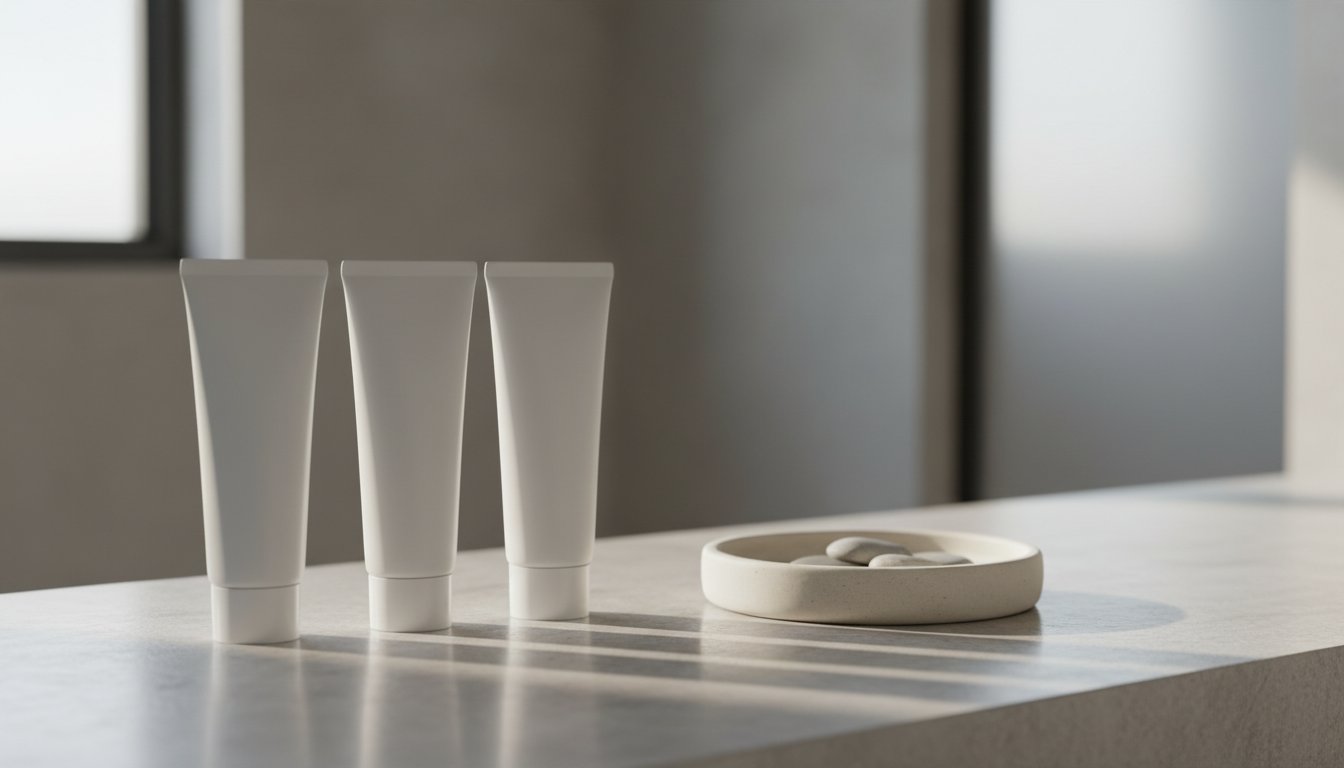
A 0.025% tube and a 0.1% tube may look identical on the bathroom counter. They are not interchangeable.
The difference is concentration. The real-world difference is how much irritation your skin may face, whether you can stick with the routine, and whether the treatment fits the problem you are trying to address.
That makes “What is the strongest tretinoin?” a poor starting question. Ask instead: “What strength can I use regularly without trapping myself in a cycle of burning, peeling, stopping, and restarting?”
Strength matters. Tolerance matters more.
This guide covers the commonly discussed tretinoin strengths, what changes when you move between them, how creams, gels, and other formulations can affect the experience, and why a lower strength may sometimes be the smarter choice. TrimRx offers only a GLP-1 weight loss program. It is not a dermatology provider and does not prescribe tretinoin. This article is educational only.
At TrimRx, we believe understanding your options is the first step toward taking control of your health. If you want to see whether a personalized treatment plan is a fit for you, you can start with a quick online visit.
What Do Tretinoin Strengths Mean?
Tretinoin strength is the concentration of tretinoin in a topical product. It is usually written as a percentage. Common strengths include 0.025%, 0.05%, and 0.1%.
Quick Answer: Tretinoin strengths are usually discussed as percentages, with commonly prescribed options including 0.025%, 0.05%, and 0.1%.
The percentage tells you how much tretinoin is in the formulation. It does not predict exactly how your skin will respond. Two people can use the same percentage and experience very different degrees of dryness or irritation.
Skin sensitivity, the product’s formulation, application frequency, and the rest of your routine all matter.
A strength is not a quality rating. The 0.1% option is not automatically “better” than 0.025%. It is more concentrated. A lower strength used consistently may be far more useful than a higher strength that irritates your skin so badly that you cannot keep using it.
What Are the Common Tretinoin Strengths?
The strengths most often discussed are 0.025%, 0.05%, and 0.1%. They represent progressively higher concentrations.
0.025% is commonly viewed as a lower-strength option. It may be considered for someone new to tretinoin, someone with sensitive skin, or someone who needs a gradual introduction to topical treatment. Lower strength does not mean inactive. Tretinoin remains a potent topical medication, and even this concentration can cause dryness, peeling, redness, or stinging.
0.05% is the middle option. It may be used by people who already tolerate tretinoin or by those whose prescriber considers a middle concentration appropriate. It is not a mandatory step, and moving up is not required for treatment to be worthwhile.
0.1% is a higher-strength option. A clinician may prescribe it when a stronger concentration fits the treatment plan and the person’s skin can tolerate it. The tradeoff is clear: higher strength can make irritation harder to manage. The goal is not to reach the highest percentage. The goal is to use the appropriate medication reliably.
Is 0.025% Tretinoin Strong Enough?
For many people, 0.025% is a sensible starting point or long-term option. It introduces the skin to tretinoin without beginning at the highest commonly discussed concentration. That matters when your skin is easily irritated or when you are trying to build a routine you can maintain.
A lower strength also gives you time to see how your skin responds. You can assess whether dryness, peeling, or stinging develops, whether your moisturizer is sufficient, and whether other products are aggravating the irritation.
There is no rule that says you must move from 0.025% to 0.05% or 0.1%. If a lower concentration is working and your skin is comfortable, staying there may be the sensible choice. A prescriber can help determine whether the strength and schedule fit your goals.
What Changes When You Move From 0.025% to 0.05%?
Moving from 0.025% to 0.05% raises the concentration of tretinoin applied to the skin. That may suit someone who has established tolerance. It can also bring back irritation that had settled at the lower strength.
Do not treat a strength increase as a toughness test. More redness or peeling does not prove the higher concentration is working better. It may mean your skin is not ready, the application schedule is too frequent, or the product is not a good fit.
If a prescriber recommends 0.05%, follow those instructions instead of improvising. Consider the entire routine, not just the tube. Cleansers, exfoliating products, acne treatments, shaving, weather, and moisturizers can all change how tolerable tretinoin feels.
Is 0.1% Tretinoin the Strongest Option?
Among the commonly discussed topical tretinoin concentrations, 0.1% is a high-strength option. “Strongest” does not mean “most appropriate,” and it is not a target everyone should pursue.
A higher concentration can make irritation more difficult to control. If your skin becomes very dry, raw, or uncomfortable, you may apply tretinoin less often or stop altogether. On paper, you have a stronger product. In practice, you are using it less consistently.
The right decision belongs in the treatment plan established with a qualified prescriber. A higher strength may make sense for one person and be unnecessary for another. Choose it for a clear clinical reason, not because a larger number sounds more effective.
Does a Higher Tretinoin Strength Work Faster?
It is easy to assume that a higher percentage must produce faster results. Skin does not follow that neat formula. Tretinoin requires regular use, and irritation can make regular use impossible.
A higher strength may increase treatment intensity, but it does not guarantee a faster or better outcome for every person. If discomfort leads you to skip applications repeatedly, the practical advantage of the higher concentration may vanish.
Consistency beats bravado here. A sustainable routine is a better foundation than constantly changing strengths or applying more than directed. Tretinoin is not something to force through severe irritation without guidance. If your skin is reacting strongly, contact the prescriber managing your treatment.
Which Tretinoin Strength Is Best for Beginners?
There is no universal beginner strength. “Beginner” describes your treatment experience, not your skin biology. Still, many people discuss starting with a lower concentration, particularly if they have sensitive skin or have never used topical retinoids.
Starting lower can make your skin’s response easier to assess. It also gives you a reason to simplify the rest of your routine. During the adjustment period, a gentle cleanser, a moisturizer your skin tolerates, and daily sun protection may be more useful than a shelf crowded with active products.
The schedule matters as much as the percentage. Using a lower strength too often can cause more irritation than using a higher strength on a carefully planned schedule. Do not increase the frequency, amount, or concentration on your own simply because your skin has not changed quickly.
Key Takeaway: Tretinoin can cause dryness, peeling, redness, stinging, and increased sensitivity, especially when treatment begins or the strength changes.
How Does the Formulation Affect Tretinoin Strength?
The percentage is only one part of the product. Tretinoin may come in different formulations, including creams and gels. The vehicle can change how the product feels and how irritating it seems.
A cream may feel different from a gel. A gel may be less comfortable for someone whose skin is already dry or reactive. The formulation can also determine how easily the medication fits into the rest of your routine. A product that leaves your skin uncomfortable is harder to use consistently, regardless of its concentration.
No formulation is universally superior. Strength and formulation need to be considered together. If your skin is reacting poorly, the answer is not automatically to drop to the lowest percentage. A prescriber may instead consider the schedule, formulation, amount applied, and the rest of your products.
How Should You Compare Tretinoin Strengths Safely?
Start with the prescription and instructions you received. Do not compare tubes by percentage alone. Ask what strength is intended, how often to apply it, which symptoms are expected, and what type of irritation should prompt a call.
Keep the rest of your skin-care routine simple while you assess tolerance. Adding exfoliating acids, scrubs, or several new active products at once makes it difficult to identify the cause of a reaction. Shaving can also make recently treated skin feel more irritated.
Use only the amount and schedule directed by your prescriber. Applying more tretinoin will not make the treatment work more intelligently. It can make the adjustment period harsher.
If you develop severe discomfort, persistent swelling, significant pain, or a reaction that concerns you, stop guessing. Contact a qualified medical professional.
Can You Switch Tretinoin Strengths on Your Own?
Do not switch strengths casually. Moving from 0.025% to 0.05%, or from 0.05% to 0.1%, is a medication change even though both products are topical.
Your prescriber may need to know how long you have used the current strength, how often you apply it, whether your skin is peeling or stinging, and what other products you use. Those details help distinguish a reasonable next step from a predictable irritation problem.
The same caution applies in reverse. Moving to a lower strength may help if your skin is not tolerating the current product, but discuss that change as well. Sometimes the better adjustment is a different schedule or formulation rather than a different concentration.
How Do You Know If Your Tretinoin Strength Is Too High?
Your strength may be too difficult for your current routine if irritation is persistent, uncomfortable, or interfering with normal skin care. Redness, dryness, peeling, and stinging can occur with tretinoin, especially early in treatment. Worsening symptoms deserve attention, not a contest to see how much discomfort you can endure.
Ask practical questions:
- Can you cleanse your face comfortably?
- Can you apply moisturizer without stinging?
- Are you repeatedly skipping treatment because your skin feels raw?
- Are you adding more products to compensate for the irritation?
If the answers point to trouble, the plan needs review.
Visible irritation is not proof that the product is working. Skin treats irritation as a stress signal, not a performance score. A qualified prescriber can help decide whether to change the strength, schedule, formulation, or supporting routine.
What Should You Ask a Prescriber About Tretinoin Strength?
Ask more than whether you need “stronger tretinoin.” Ask why the recommended concentration fits your skin and goals. Ask whether you should begin with a lower strength, how often to apply it, and what to do if dryness or peeling develops.
You can also ask whether the current formulation suits you, which products to avoid combining with tretinoin, and when the treatment should be reassessed. If a previous product caused a bad reaction, explain exactly what happened and how long it lasted.
Good prescribing is not just a matter of choosing a percentage. It means choosing a concentration and routine that work together. The best plan is specific enough to follow and flexible enough to adjust when your skin provides useful information.
The Path Forward
Tretinoin strengths are not a ladder where the highest percentage wins. The commonly discussed options, including 0.025%, 0.05%, and 0.1%, differ in concentration. The right choice depends on tolerance, formulation, schedule, and the reason tretinoin was prescribed.
A lower strength that you can use consistently may be more practical than a higher strength that keeps your skin irritated.
TrimRx can and cannot help with this topic. TrimRx is a GLP-1 weight loss program. It cannot diagnose skin concerns, choose a tretinoin strength, prescribe tretinoin, or manage its side effects. Readers whose goals also include weight loss can take the free TrimRx quiz to see whether a medically supervised weight-loss program may be a fit.
Bottom line: TrimRx is a GLP-1 weight loss program, not a dermatology practice. It cannot help choose, prescribe, or manage tretinoin, but readers whose goals also include weight loss can take the free quiz.
FAQ
What Is the Lowest Common Tretinoin Strength?
0.025% is commonly discussed as a lower-strength tretinoin option. It is still an active prescription medication and can cause dryness, peeling, redness, or stinging. The appropriate starting strength depends on your skin and treatment plan.
What Is the Strongest Common Tretinoin Strength?
0.1% is commonly discussed as a high-strength topical tretinoin option. A higher concentration does not automatically mean better results, and it may be harder to tolerate. A prescriber should decide whether it fits your situation.
Is 0.05% Tretinoin Stronger Than 0.025%?
Yes. 0.05% contains a higher concentration of tretinoin than 0.025%. Whether it is the better choice depends on your treatment goal, skin tolerance, formulation, and ability to use it consistently.
Should Beginners Start with 0.025% Tretinoin?
Some beginners discuss starting with 0.025% because it is a lower concentration. There is no universal beginner strength. Your prescriber should consider your skin, treatment goals, prior experience, and the rest of your routine.
Does Stronger Tretinoin Work Faster?
A higher strength does not guarantee faster or better results for every person. Irritation can cause you to apply the medication less often or stop altogether. Consistent use according to a prescriber’s directions is more useful than chasing the highest concentration.
Can I Use 0.1% Tretinoin Every Night?
Do not assume that a high-strength product should be used nightly. Follow the schedule provided by your prescriber. If your skin is persistently irritated, contact that clinician instead of increasing, decreasing, or abandoning treatment without guidance.
What Should I Do If My Tretinoin Strength Irritates My Skin?
Contact the prescriber managing your tretinoin. Describe your symptoms, how often you apply it, and which other products you use. Do not treat severe or persistent irritation as proof that the medication is working. Your clinician may need to reassess the strength, formulation, schedule, or supporting routine.
Can TrimRx Prescribe Tretinoin?
No. TrimRx’s only program is GLP-1 weight loss. It does not prescribe or manage tretinoin and cannot provide dermatology treatment. Readers whose broader goals include weight loss can begin with a free quiz.
Disclaimer: This content is for informational purposes only and does not constitute medical advice. It is not intended to diagnose, treat, cure, or prevent any disease or condition. Individual results may vary. Always consult a qualified healthcare professional before starting any treatment or medication.

Transforming Lives, One Step at a Time
Keep reading
Does Rapid Weight Loss on Tirzepatide Affect Bone Density?
Bone density does fall during weight loss, and that is established regardless of how the weight comes off. What is less settled is whether…
Does Wellbutrin Cause Hair Loss? What to Expect
Does Wellbutrin cause hair loss? It’s a question that may come up when you notice increased shedding or changes in your hair after starting…

Is Wellbutrin an SSRI? What You Need to Know
If you’re wondering, “Is Wellbutrin an SSRI?” you’re not alone. Wellbutrin (bupropion) is an antidepressant, but it works differently from common SSRIs by primarily…


