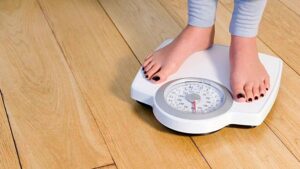
Unpacking the Scale: How to Tell if Weight Loss is Water or Fat

Reading time
56 min
Published on
January 19, 2026
Updated on
January 19, 2026
Unpacking the Scale: How to Tell if Weight Loss is Water or Fat

Introduction

Many of us have stepped onto the scale after a week of dedicated effort, only to see a significant drop in numbers – a moment that often brings a surge of excitement and motivation. Conversely, we might experience frustrating fluctuations or sudden increases that leave us confused and disheartened. What often goes unacknowledged in these moments is the complex interplay of factors contributing to our body weight, particularly the distinction between losing water and shedding actual body fat. Our bodies are intricate systems, approximately 60% water, meaning even minor shifts in hydration, diet, or hormone levels can dramatically impact the number on the scale, often overshadowing true progress.

Understanding the difference between water weight and fat loss is not just about deciphering a number; it’s about gaining clarity, managing expectations, and sustaining long-term health goals. Without this crucial insight, rapid initial weight loss might lead to premature celebration and subsequent disappointment when the pace slows, or minor daily variations could derail motivation, causing us to abandon effective strategies. The journey toward a healthier weight is rarely a straight line, and the scale, while a useful tool, tells only part of the story.

At TrimRx, our journey began with a shared vision to help individuals embrace healthier lifestyles by merging cutting-edge telehealth innovations with effective weight loss solutions. We understand the nuanced challenges of weight management, including the often-misunderstood dynamics of how to tell if weight loss is water or fat. Our platform is a user-friendly and supportive space where individuals receive personalized, medically supervised care—all designed to make sustainable weight loss attainable and tailored to the individual. We believe that sustainable weight loss should be achieved through science, empathy, and a transparent approach, providing you with the knowledge and tools to truly understand your body’s transformations.

This comprehensive guide will delve into the distinct characteristics of water weight versus fat loss, offering practical insights and actionable strategies to help you accurately track your progress. We will explore the physiological mechanisms behind these changes, identify key indicators beyond the scale, and discuss how a personalized, evidence-based approach can empower you on your path to lasting well-being. By the end, you will have a clearer understanding of your body’s signals, enabling you to navigate your weight loss journey with greater confidence and informed decision-making.

The Nuance of the Scale: Why Weight Fluctuates

The scale can be a powerful motivator or a source of profound frustration. It’s a tool that provides a snapshot of total body mass, encompassing everything from bones and muscles to organs, digested food, and, significantly, water. This inherent complexity is why daily weight measurements can be misleading if not understood within the broader context of body composition. Many factors contribute to these fluctuations, making it challenging to precisely tell if weight loss is water or fat based on a single weigh-in.

Our bodies are constantly striving for homeostasis, a state of internal balance. This involves intricate regulation of fluid levels, electrolytes, and energy stores. When we embark on a weight loss journey, particularly one involving dietary changes or increased physical activity, these regulatory systems respond dynamically, often manifesting as rapid shifts on the scale. For instance, a challenging workout can lead to temporary inflammation in muscles, causing them to retain fluid for repair. Similarly, an indulgent meal high in sodium can prompt the body to hold onto more water to dilute the excess salt. These examples highlight why daily numbers can jump by several pounds, often unrelated to actual fat gain or loss.

At TrimRx, we encourage a holistic view of progress, recognizing that the scale is just one data point among many. We aim to equip individuals with the knowledge to interpret these fluctuations intelligently, empowering them to stay consistent with their efforts even when the numbers don’t perfectly align with expectations. Understanding the mechanics behind these changes is the first step toward a more sustainable and less emotionally taxing weight management journey. It’s about recognizing that initial rapid weight drops or sudden increases are often temporary hydrological shifts rather than permanent changes in body fat.

Body Composition: More Than Just a Number

To truly appreciate the difference between water and fat loss, it’s essential to grasp the concept of body composition. Our weight is made up of:

  • Lean Body Mass: This includes muscle, bone, organs, and water. Muscle, being denser than fat, plays a critical role in metabolism and overall health.
  • Body Fat (Adipose Tissue): This is stored energy, essential in certain amounts for hormone regulation, insulation, and organ protection. However, excess body fat, particularly visceral fat around organs, can lead to various health concerns.

When the scale moves, it could be a change in any of these components. A healthy weight loss journey focuses predominantly on reducing body fat while ideally preserving or even building lean muscle mass. This is why focusing solely on the scale can be misleading. A person might lose weight rapidly, but if it’s primarily water and muscle, the long-term health benefits and sustainability are compromised. This nuanced understanding forms the cornerstone of effective weight management and is something we prioritize in our personalized programs at TrimRx, helping you track meaningful changes in your body composition.

Decoding Water Weight: The Quick Changes

Water weight refers to the excess fluid retained in your body’s tissues outside of what is physiologically necessary. Unlike body fat, which accumulates gradually, water weight can manifest and dissipate rapidly, often leading to dramatic and sometimes confusing shifts on the scale. It’s crucial to distinguish between healthy fluid levels, which are vital for every bodily function, and temporary, often bothersome, water retention.

When individuals ask, “how to tell if weight loss is water or fat,” the speed of change is often the most immediate indicator. If you’ve lost several pounds overnight or over a couple of days without extreme dietary measures, it’s highly probable that a significant portion of that loss is water. Conversely, a quick gain after a particularly salty meal or a tough workout is also usually attributable to fluid retention. These fluctuations are entirely normal and generally not a cause for concern in isolation, but they can obscure genuine fat loss progress.

Common Triggers for Water Retention

Several factors can cause your body to retain excess fluid:

Dietary Influences: Sodium and Carbohydrates

One of the most common culprits for water retention is sodium intake. When you consume a meal high in salt, your body naturally holds onto water to maintain a balanced concentration of electrolytes in your blood. This is a protective mechanism, preventing your insides from becoming “too salty.” The result is often temporary bloating and a higher number on the scale. Once sodium intake normalizes, your kidneys efficiently excrete the excess fluid, and your weight returns to its baseline.

Carbohydrates also play a significant role. When we eat carbohydrates, our bodies convert them into glucose, which is then stored as glycogen in our muscles and liver for energy. Each gram of glycogen binds with approximately 3-4 grams of water. This means that if you typically consume a higher-carb diet and then drastically reduce your carbohydrate intake, your body will deplete its glycogen stores and release the associated water. This is why many people experience rapid initial weight loss (often 4-8 pounds) in the first few days of a low-carb diet. While exciting, this initial drop is primarily water, not fat. Conversely, reintroducing carbohydrates after a period of restriction can lead to a quick “regain” of this water weight as glycogen stores are replenished.

Hormonal Shifts

For women, hormonal fluctuations throughout the menstrual cycle are a significant cause of water retention. Estrogen and progesterone levels can influence fluid balance, leading to bloating and increased weight, particularly in the days leading up to menstruation. Pregnancy and menopause can also cause persistent water retention due to profound hormonal changes. These natural biological processes underscore why daily weigh-ins can be particularly variable for women, and why a broader perspective on progress is essential.

Inflammation and Lifestyle Factors

Intense physical activity, while crucial for fat loss, can initially lead to muscle inflammation. When muscles are stressed during exercise, they undergo microscopic tears, and the body sends fluid to the area for repair and recovery. This temporary fluid retention can cause a slight increase in weight or mask actual fat loss in the immediate aftermath of a workout. Similarly, stress can elevate cortisol levels, a hormone known to influence fluid balance and potentially lead to water retention.

Other lifestyle factors include inadequate hydration (paradoxically, not drinking enough water can signal your body to hold onto existing fluid), lack of sleep (which can impact hormones regulating fluid balance), and even certain medications. Prolonged sitting or standing can also lead to fluid pooling in the lower extremities, causing swelling.

Recognizing the Signs of Water Weight

Beyond the scale, your body provides clues that can help you tell if weight loss is water or fat. Water retention often presents as:

  • Rapid Fluctuations: Your weight can change by several pounds within a single day or overnight.
  • Generalized Bloating and Puffiness: You might feel swollen in your face, hands, feet, ankles, or abdomen. Your rings might feel tighter, or your shoes might feel snug.
  • Temporary Indentations: A simple test involves pressing your finger into an area of swelling, such as the back of your hand or shin. If it leaves a temporary indentation (pitting edema), it’s a strong indicator of water retention.
  • Lack of Change in Clothing Fit: Despite a drop on the scale, your clothes might not feel significantly looser, especially around the waist, which is a key area for fat loss.

If you recognize these signs, it’s highly probable you’re experiencing water weight fluctuations. While generally harmless, persistent, unexplainable swelling can sometimes indicate underlying health issues, making it wise to consult a healthcare professional if you have concerns. For most, understanding these temporary shifts helps maintain perspective and focus on long-term, sustainable strategies. If you’re looking for support in managing these fluctuations, our [GLP-1 Daily Support supplement] is designed to promote overall well-being and aid in healthy fluid balance as part of your comprehensive weight loss journey.

Understanding Fat Loss: The Steady Progress

In contrast to the rapid, often temporary shifts of water weight, fat loss is a slower, more deliberate process. This is the true goal of sustainable weight management – reducing adipose tissue, which is stored energy, to improve health and body composition. Understanding the fundamental principles of fat loss is crucial for anyone wondering how to tell if weight loss is water or fat and for fostering realistic expectations.

Body fat, or adipose tissue, accumulates when we consistently consume more calories than our body expends. To lose one pound of body fat, a calorie deficit of approximately 3,500 calories is required. This means that to lose a sustainable 1-2 pounds of fat per week, an individual needs to create a daily calorie deficit of 500-1000 calories through a combination of dietary adjustments and increased physical activity. This calculation inherently demonstrates why genuine fat loss cannot happen overnight or in dramatic multi-pound drops within days.

At TrimRx, our personalized programs are designed with this understanding at their core. We prioritize a science-backed approach to facilitate sustainable fat loss, ensuring that our clients are equipped with strategies that yield lasting results rather than fleeting changes. We combine advanced medical science with modern technology to offer compassionate care that respects every individual’s unique journey towards a healthier weight.

The Mechanics of Fat Loss: Calorie Deficit and Metabolism

The primary driver of fat loss is a consistent calorie deficit. When your body expends more energy than it takes in from food, it must tap into its stored energy reserves – primarily body fat – to meet its needs. This process, known as lipolysis, gradually reduces the amount of adipose tissue in the body.

However, it’s not simply about eating less; it’s also about eating smarter and moving more effectively. A balanced diet rich in lean proteins, fiber-rich vegetables, and complex carbohydrates provides essential nutrients while supporting satiety. Incorporating strength training helps to build and preserve muscle mass, which is metabolically active tissue. The more muscle you have, the higher your basal metabolic rate (BMR), meaning you burn more calories at rest. This symbiotic relationship between diet and exercise is fundamental to sustainable fat loss.

Our team at TrimRx emphasizes the importance of a well-rounded approach. Through our personalized treatment plans, which can be initiated by taking our [free assessment quiz], we consider your unique metabolic profile, lifestyle, and health goals. This tailored strategy helps to optimize fat burning while minimizing muscle loss, leading to more impactful and sustainable body composition changes.

Characteristics of Sustainable Fat Loss

When you are effectively losing body fat, you can expect:

  • Slower, Steadlier Progress: True fat loss typically occurs at a rate of 1-2 pounds per week after the initial water weight phase. This gradual pace is indicative of your body consistently tapping into fat stores.
  • Consistency Over Time: While there might be minor day-to-day fluctuations, the overall trend on the scale, especially when averaged weekly, should show a downward trajectory.
  • Improved Body Composition: This means not just losing weight, but also seeing a reduction in inches around your waist, hips, and other areas. Your clothes will fit better, often becoming looser, even if the scale hasn’t moved dramatically.
  • Enhanced Energy Levels and Well-being: As your body becomes more efficient at utilizing fat for fuel and your overall health improves, you’ll likely experience increased energy, better sleep, and improved mood.
  • Increased Muscle Definition: As layers of fat are shed, the underlying muscle can become more visible, contributing to a more toned appearance.

These indicators provide a more comprehensive and accurate picture of your progress than simply relying on daily scale readings. At TrimRx, we equip you with strategies to monitor these multifaceted aspects of your transformation, reinforcing that the weight loss journey is about holistic health, not just a number. Our commitment is to provide transparent service, ensuring that our approach remains consistent regardless of dosage changes in medication, focusing on your safety by working exclusively with FDA-registered and inspected pharmacies for the shipment of weight loss medications.

Key Indicators: How to Tell if Weight Loss is Water or Fat

Distinguishing between water weight and fat loss is paramount for maintaining motivation and accurately assessing your progress. While the scale is a useful tool, relying on it alone can be misleading. To truly tell if weight loss is water or fat, we must look beyond the number and consider a combination of physiological and tangible signs.

1. The Speed and Consistency of Weight Change

This is often the most telling sign.

  • Water Weight: Characterized by rapid, often dramatic fluctuations. Losing 3-7 pounds in a matter of days, particularly at the beginning of a new diet (especially low-carb), is highly indicative of water loss due to glycogen depletion. Similarly, gaining several pounds overnight after a salty meal or intense exercise points to fluid retention. These changes are temporary and can swing back quickly.
  • Fat Loss: Progress is typically slower and steadier, averaging 1-2 pounds per week after the initial adjustment period. This consistent, gradual decline reflects a true calorie deficit over time, forcing your body to burn stored fat. While minor daily fluctuations are normal, the overall weekly or monthly trend will show a downward trajectory.

2. How Your Clothes Fit

This indicator often provides a more reliable assessment of body composition changes than the scale.

  • Water Weight: You might feel bloated or puffy, but your clothes generally won’t feel significantly looser. They might even feel tighter due to swelling, despite a scale drop.
  • Fat Loss: This is where you truly notice a difference. Your clothes will start to feel looser, you might need to go down a size, or your belt might need to be tightened. Losing inches around your waist, hips, and thighs is a definitive sign of fat reduction. This tangible evidence confirms that your body composition is changing, irrespective of minor scale fluctuations.

3. Body Measurements

Regularly taking body measurements provides objective data on changes in body circumference, which directly correlates with fat loss.

  • Water Weight: Circumferences generally remain unchanged, or might even temporarily increase due to bloating.
  • Fat Loss: Consistent reductions in measurements of your waist, hips, chest, arms, and thighs over time are strong indicators of fat loss. We recommend tracking these measurements monthly to see meaningful trends.

4. Progress Photos

Visual documentation offers powerful insight into body changes that the scale might not capture, especially when you’re questioning how to tell if weight loss is water or fat.

  • Water Weight: While overall puffiness might decrease, significant changes in body shape or definition are less likely to be apparent.
  • Fat Loss: Taking photos in the same lighting, pose, and clothing every 2-4 weeks can reveal subtle yet significant changes in body contour, muscle definition, and overall physique that you might not notice day-to-day. This visual proof can be incredibly motivating and affirming.

5. Energy Levels and Overall Well-being

Beyond physical metrics, how you feel is a critical indicator of genuine progress.

  • Water Weight: Temporary water retention might make you feel sluggish, heavy, or uncomfortable due to bloating. While the scale might drop, your overall energy levels might not see a consistent improvement.
  • Fat Loss: Sustainable fat loss, coupled with improved nutrition and activity, typically leads to increased energy, better sleep quality, improved mood, and enhanced physical stamina. You might find everyday activities easier and feel more vibrant. This holistic improvement reflects a healthier body making positive, lasting changes.

6. Muscle Definition and Strength Gains

  • Water Weight: Does not directly impact muscle definition or strength.
  • Fat Loss: As fat layers diminish, underlying muscle definition becomes more apparent. If you’re incorporating strength training, increased strength in the gym indicates that you’re preserving or building muscle while losing fat, which is ideal for a healthy metabolism and body composition.

At TrimRx, we advocate for tracking a combination of these indicators to gain a comprehensive understanding of your progress. Relying on multiple data points provides a more accurate and motivating picture of your transformation, helping you differentiate effectively between water weight and fat loss. If you’re ready to embrace a program that supports these comprehensive changes, we encourage you to [take our free assessment quiz] to explore personalized treatment plans designed for sustainable results.

Strategies for Sustainable Fat Loss and Managing Water Weight

Achieving sustainable fat loss and effectively managing water weight involves a multifaceted approach that addresses diet, activity, lifestyle, and, for many, expert medical guidance. At TrimRx, we champion a personalized strategy, acknowledging that each individual’s body and journey are unique.

1. Balanced Nutrition and Mindful Eating

A cornerstone of fat loss is a nutrient-dense, calorie-controlled diet. Focus on whole foods:

  • Lean Proteins: Essential for muscle preservation and satiety. Examples include chicken breast, fish, tofu, and legumes.
  • Fiber-Rich Vegetables and Fruits: Provide vitamins, minerals, and fiber, promoting fullness and digestive health.
  • Healthy Fats: Crucial for hormone function and nutrient absorption. Think avocados, nuts, seeds, and olive oil.
  • Complex Carbohydrates: Provide sustained energy without the rapid blood sugar spikes. Choose whole grains like oats, quinoa, and brown rice in appropriate portions.

To manage water weight, be mindful of sodium intake. While some sodium is essential, excessive consumption from processed foods, restaurant meals, and packaged snacks can lead to fluid retention. Opt for fresh ingredients and season your food with herbs and spices instead of relying heavily on salt. Additionally, understanding your body’s response to carbohydrates is key. While restricting carbs initially leads to water loss, a balanced intake of complex carbohydrates is vital for sustained energy and overall health.

For those looking for immediate nutritional support, our [GLP-1 Daily Support supplement] and [Weight Loss Boost supplement] are designed to complement a healthy diet and support your overall wellness during the weight loss journey, providing additional tools to help you reach your goals.

2. Consistent Physical Activity

Regular exercise is indispensable for fat loss and overall health.

  • Cardiovascular Exercise: Activities like brisk walking, jogging, cycling, or swimming help create a calorie deficit and improve cardiovascular health. Aim for at least 150 minutes of moderate-intensity cardio per week.
  • Strength Training: Building and maintaining muscle mass is critical. Muscle is metabolically active, meaning it burns more calories at rest than fat. Incorporate weightlifting or bodyweight exercises 2-3 times per week to boost your metabolism and improve body composition. Increased muscle also helps to tighten the body, contributing to the feeling of “toning up.”
  • Movement Throughout the Day: Beyond structured workouts, integrate more movement into your daily routine. Take the stairs, walk during breaks, or stand more often.

Physical activity can also help manage water retention by promoting circulation and encouraging fluid excretion through sweat.

3. Prioritizing Sleep and Stress Management

These often-overlooked factors significantly impact weight.

  • Quality Sleep: Lack of sleep disrupts hormones that regulate appetite (ghrelin and leptin) and fat storage (cortisol), making fat loss more challenging and potentially contributing to water retention. Aim for 7-9 hours of quality sleep per night.
  • Stress Reduction: Chronic stress elevates cortisol levels, which can promote abdominal fat storage and lead to increased water retention. Practices like meditation, yoga, deep breathing, or spending time in nature can help manage stress effectively.

4. Hydration: A Key to Both Fat and Water Management

It might seem counterintuitive, but drinking adequate water is crucial for preventing water retention. When your body is dehydrated, it tends to hold onto existing fluid as a survival mechanism. Staying well-hydrated helps your kidneys function efficiently, flushing out excess sodium and waste products, thereby reducing unnecessary water weight. Aim for clear or pale-yellow urine as an indicator of good hydration.

5. The Role of Professional Support and Personalized Medical Solutions

For many individuals, navigating the complexities of weight loss requires more than diet and exercise alone. This is where personalized, medically supervised programs offer a significant advantage. At TrimRx, we bridge this gap by offering clinically proven solutions tailored to your unique needs.

Our comprehensive service includes:

  • Doctor Consultations: Qualified healthcare providers assess your health, medical history, and weight loss goals to create a personalized treatment plan.
  • Lab Work: Essential for understanding your metabolic health and identifying any underlying conditions that might impact weight loss.
  • Medication Options: For eligible individuals, we offer access to advanced weight loss medications through FDA-registered, inspected, and approved pharmacies. These include:
    • Compounded Semaglutide and Oral Semaglutide
    • Ozempic® and Wegovy® (branded Semaglutide, FDA approved)
    • Compounded Tirzepatide and Oral Tirzepatide
    • Mounjaro® and Zepbound® (branded Tirzepatide, FDA approved)
    • Please note: Compounded medications are not FDA approved.
  • Unlimited Support: Our team provides ongoing guidance and encouragement, helping you navigate challenges and celebrate successes.
  • Shipping: Convenient delivery of medications directly to you, with no hidden fees.

We emphasize that our medications are provided through FDA-registered, inspected, and approved pharmacies, ensuring the highest standards of safety and quality. Our approach combines advanced medical science with modern technology, offering compassionate care that respects every individual’s unique journey. We believe in transparency and consistency in our service, focusing on delivering results through a supportive and trustworthy platform.

If you’re interested in exploring how our personalized weight loss programs, including prescription medications, can support your journey, we invite you to [take our free assessment quiz] to determine your eligibility and receive a tailored treatment plan. For immediate support and to enhance your overall wellness, consider our quick-access supplements like [GLP-1 Daily Support] and [Weight Loss Boost], available for immediate purchase without a quiz. Embracing these strategies comprehensively will empower you to differentiate between water weight and fat loss, leading to more informed decisions and sustainable success on your path to a healthier you.

TrimRx’s Personalized Approach to Weight Management

At TrimRx, we recognize that the journey to sustainable weight loss is deeply personal and often complex. Our philosophy is rooted in the belief that effective weight management must be built upon science, empathy, and transparent care, empowering individuals to make lasting changes that improve their overall health and well-being. This understanding is what drives our commitment to providing tailored, medically supervised solutions.

Our story began with a shared vision: to merge cutting-edge telehealth innovations with clinically proven weight loss strategies. We set out to create a user-friendly and supportive platform where individuals could access personalized, medically supervised care designed to make sustainable weight loss attainable and tailored to their unique circumstances. We understand that deciphering “how to tell if weight loss is water or fat” is just one piece of a larger puzzle, and our programs are designed to provide clarity and effective solutions for every step of your journey.

A Holistic Framework for Lasting Results

Our brand personality is empathetic, innovative, trustworthy, supportive, results-oriented, and profoundly personalized. We offer compassionate care that respects every individual’s unique journey, combining advanced medical science with modern technology. This means going beyond a one-size-fits-all approach and truly understanding your body, your goals, and your challenges.

The TrimRx program is structured to provide comprehensive support, ensuring you have all the tools necessary for success:

1. Personalized Assessment and Consultation

Your journey with TrimRx begins with understanding your individual needs. We invite you to [take our free assessment quiz] to determine your eligibility for our prescription weight loss medications. This initial step helps us gather crucial information about your health history, lifestyle, and weight loss goals. Following the quiz, you’ll engage in a thorough doctor consultation, where a qualified healthcare provider will review your profile, discuss your objectives, and answer any questions you may have. This collaborative consultation is the foundation for your customized treatment plan.

2. Comprehensive Lab Work

To ensure a safe and effective treatment plan, lab work is an integral part of our personalized programs. This allows our medical providers to gain a deeper understanding of your current health status, identify any underlying metabolic factors, and monitor your progress safely. We believe in a data-driven approach, ensuring that your treatment is precisely aligned with your physiological needs.

3. Access to Clinically Proven Medications

For individuals who qualify, TrimRx provides access to a range of advanced weight loss medications, carefully selected for their clinical efficacy. Our product offerings are divided into two categories:

Prescription Medications (Requiring the Quiz for Eligibility):
  • Compounded Semaglutide: A highly effective GLP-1 receptor agonist that helps regulate appetite and blood sugar.
  • Oral Semaglutide: A convenient oral formulation offering similar benefits.
  • Ozempic®: The FDA-approved branded form of Semaglutide, available where appropriate.
  • Compounded Tirzepatide: A dual GIP and GLP-1 receptor agonist, offering a powerful approach to weight management.
  • Oral Tirzepatide: An innovative oral option for this advanced medication.
  • Mounjaro®: The FDA-approved branded form of Tirzepatide.
  • Zepbound®: Another FDA-approved branded form of Tirzepatide, specifically for weight management.
  • Wegovy®: An FDA-approved branded form of Semaglutide, indicated for chronic weight management.

We ensure that all prescription medications are provided through FDA-registered, inspected, and approved pharmacies, emphasizing our commitment to safety and quality. It is important to note that while branded medications like Ozempic® and Zepbound® are FDA approved, compounded medications are not.

Quick-Access Supplements (No Quiz Required):

For immediate support to complement your overall wellness journey, we offer two readily available supplements:

  • [GLP-1 Daily Support]: Designed to support metabolic health and complement your weight loss efforts.
  • [Weight Loss Boost]: Formulated to provide additional support for your body’s natural fat-burning processes.

These quick-access supplements are available for immediate purchase to support overall wellness during the weight loss journey.

4. Ongoing Support and Transparency

We understand that sustained success requires consistent support. Our program includes unlimited support from our dedicated team, ensuring you have guidance and encouragement whenever you need it. Our commitment to transparent service means our approach remains consistent, irrespective of dosage changes or other adjustments to your plan. You can trust that our comprehensive service covers doctor consultations, medication, lab work, unlimited support, and shipping, all with no hidden fees.

At TrimRx, our goal is to empower you with the knowledge and resources to not only achieve your weight loss goals but to maintain them for a healthier, more vibrant life. By providing a clear path, scientifically backed solutions, and unwavering support, we transform the often-frustrating journey of weight management into a successful and empowering experience. We invite you to explore the TrimRx difference and embark on your personalized path to sustainable well-being.

Conclusion

Navigating the complexities of weight management often feels like a constant battle against the numbers on the scale. However, by delving into the nuances of how to tell if weight loss is water or fat, we gain a crucial understanding that empowers us to interpret our body’s signals with greater accuracy and less frustration. We’ve explored how rapid, dramatic drops or increases are often indicative of temporary water weight fluctuations influenced by diet, hormones, and lifestyle. In contrast, true fat loss unfolds as a slower, more consistent process, manifesting in tangible changes like looser clothing, reduced measurements, improved energy, and enhanced muscle definition.

Understanding these distinctions is more than just academic; it’s a foundational step towards building a sustainable and healthy relationship with your body. It allows us to celebrate genuine progress without being disheartened by normal daily fluctuations, fostering consistency and long-term motivation. The scale is merely one tool in your arsenal, and a holistic approach that considers body composition, physical indicators, and overall well-being provides a far more comprehensive and accurate picture of your journey.

At TrimRx, our entire philosophy is built around supporting you in this journey with science, empathy, and transparency. We understand the challenges of deciphering your body’s changes and are dedicated to providing the personalized care and clinically proven solutions you need. Our platform offers medically supervised programs that combine expert consultations, essential lab work, and access to advanced weight loss medications – including Compounded Semaglutide, Oral Semaglutide, Ozempic®, Compounded Tirzepatide, Oral Tirzepatide, Mounjaro®, Zepbound®, and Wegovy® – delivered securely from FDA-registered and inspected pharmacies. We also provide immediate support through our quick-access supplements, [GLP-1 Daily Support] and [Weight Loss Boost], designed to complement your wellness journey.

Your path to sustainable weight management is a unique one, and we are here to provide compassionate, trustworthy, and results-oriented support every step of the way. We encourage you to embrace a multifaceted view of progress, celebrating every indicator of improved health and body composition.

Are you ready to truly understand your body and embark on a personalized path to sustainable weight loss? We invite you to [take our free assessment quiz] today to discover how TrimRx can tailor a clinically proven program to your unique needs. For immediate support for your overall wellness during this journey, explore our [GLP-1 Daily Support] and [Weight Loss Boost] supplements. Together, we can transform your understanding of weight loss and empower you to achieve lasting health and vitality.

FAQ

Q1: What is the most reliable way to know if I’m losing water or fat?

A1: The most reliable way is to observe the speed and consistency of change, alongside tangible indicators like how your clothes fit and changes in body measurements. Rapid, significant weight changes (several pounds in days) are usually water. Slower, consistent loss (1-2 pounds per week) combined with clothes fitting looser and reduced inches indicates fat loss. Taking progress photos and assessing energy levels also provide valuable insights.

Q2: Can a low-carb diet cause me to lose mostly water weight initially?

A2: Yes, absolutely. When you drastically reduce carbohydrate intake, your body depletes its glycogen stores (which bind with 3-4 grams of water per gram of glycogen). This process releases a significant amount of stored water, leading to rapid initial weight loss. While this can be motivating, it’s primarily water, not fat, and the pace of loss will slow once glycogen stores are depleted.

Q3: How do hormones affect water weight, especially for women?

A3: Hormonal fluctuations, particularly for women during their menstrual cycle, pregnancy, or menopause, can significantly impact fluid balance. Hormones like estrogen and progesterone can cause the body to retain more water, leading to bloating and temporary weight gain. These are natural physiological responses and can account for daily or weekly weight swings that are not related to fat gain.

Q4: What can I do to minimize excess water retention?

A4: To minimize excess water retention, focus on consistent hydration by drinking plenty of water, manage your sodium intake by reducing processed foods, ensure adequate sleep, manage stress, and engage in regular physical activity. A balanced diet rich in potassium (found in foods like bananas and avocados) can also help maintain fluid balance. For more personalized strategies, a medical assessment through our [free assessment quiz] can help identify specific needs and solutions.

Transforming Lives, One Step at a Time

Patients on TrimRx can maintain the WEIGHT OFF
Start Your Treatment Now!

Keep reading

7 min read

9 Healthy Habits for Weight Loss That Last

Trying to lose weight isn’t easy. One day it’s a strict diet, the next day it’s something completely different. It’s easy to get stuck…

6 min read

Top 5 Best Medically Supervised Weight Loss Programs in 2026

If you’re trying to find the best medically supervised weight loss programs, you’ve probably noticed it isn’t straightforward. After all, you’re spoiled for choice…

8 min read

Top 5 Best Weight Loss Programs for Women in 2026

Trying to find the best weight loss programs for women can feel confusing at first. There are so many options, and a lot of…

Stay on Track

Join our community and receive:
Expert tips on maximizing your GLP-1 treatment.
Exclusive discounts on your next order.
Updates on the latest weight-loss breakthroughs.