What Dose Does Zepbound Start Working?
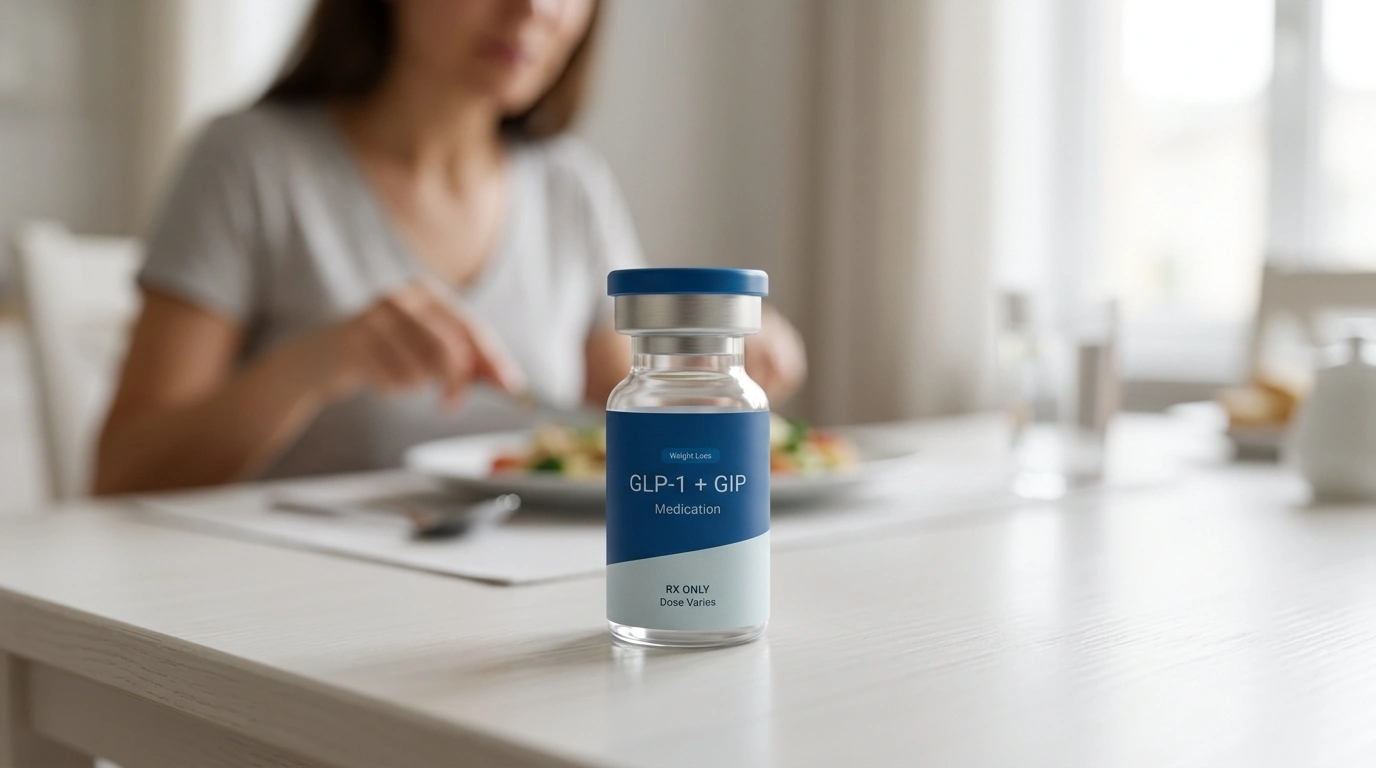
Table of Contents
- Introduction
- Understanding the Titration Process
- The 2.5 mg Dose: The Initiation Phase
- The 5 mg Dose: The First Therapeutic Step
- Escalating to Higher Doses: 7.5 mg to 15 mg
- Why the Delay? The Science of Steady State
- Factors That Influence When You See Results
- Managing Side Effects During Dose Increases
- The Role of Compounded Tirzepatide
- How TrimRx Supports Your Journey
- Realistic Expectations for the First Three Months
- Conclusion
- FAQ
Introduction
Starting a new weight loss journey often brings a mix of excitement and a naturally high level of impatience. When you begin a medication like Zepbound®, it is common to step on the scale every morning, wondering when the “magic” will finally happen. You might feel a sense of frustration if the first few weeks do not produce a dramatic drop in weight, especially after hearing success stories from others. At TrimRx, we believe that understanding the clinical timeline of your medication is the best way to stay motivated and realistic. If you are still figuring out whether a personalized program is the right fit, you can take the free assessment quiz to get started. This article will explain the Zepbound® titration schedule, why the starting dose is rarely the “weight loss dose,” and when most individuals can expect to see significant changes. By looking at the science behind the dosage, we can help you navigate your path toward sustainable metabolic health.
Understanding the Titration Process
The term “titration” refers to the process of gradually increasing the dose of a medication to find the most effective amount while minimizing side effects. Zepbound® (tirzepatide) is designed to be taken once weekly, starting at a very low dose and increasing every four weeks. This gradual approach is not because the medication is weak, but because your body needs time to adjust to the powerful hormonal changes it triggers.
For a simple visual of how those dose changes work, our tirzepatide dosage chart breaks down each step in one place. Tirzepatide is a dual agonist, meaning it mimics two different hormones in the body: glucagon-like peptide-1 (GLP-1) and glucose-dependent insulinotropic polypeptide (GIP). These hormones work together to regulate blood sugar, slow down stomach emptying, and signal to the brain that you are full. Because these receptors are located in both the gut and the brain, a sudden high dose would likely cause significant gastrointestinal distress.
Key Takeaway: Titration is a safety-first approach that allows your digestive system and brain to adapt to hormonal changes, reducing the risk of severe nausea while building up to an effective therapeutic level.
The 2.5 mg Dose: The Initiation Phase
The starting dose of Zepbound® is 2.5 mg once weekly for the first four weeks. It is critical to understand that the 2.5 mg dose is not considered a therapeutic dose for chronic weight management. Instead, its primary purpose is “initiation.” It introduces the tirzepatide molecule to your system and begins the process of sensitizing your receptors.
If you are early in treatment and wondering whether the medication is yet doing enough, our guide on what to do when weight loss on Zepbound feels slow can help set realistic expectations. While some people do lose weight on 2.5 mg, many do not see the scale move significantly during this first month. This can be discouraging if you expect immediate results, but it is a normal part of the clinical process. During this phase, the medication is working “under the hood” to improve insulin sensitivity and start slowing gastric emptying, even if the outward results are subtle.
Myth: If I don’t lose weight on 2.5 mg, the medication isn’t working for me.
Fact: The 2.5 mg dose is a loading dose meant to prepare your body for higher, more effective doses. Lack of weight loss in month one does not predict your long-term success.
The 5 mg Dose: The First Therapeutic Step
After four weeks on the 2.5 mg dose, most individuals move up to 5 mg. For many patients, this is the dose where the medication truly starts “working” in terms of noticeable weight loss. In clinical trials, the 5 mg dose was the lowest dose studied for long-term weight maintenance.
At this level, “food noise”—the constant, intrusive thoughts about eating—often begins to quiet down. You may find that you feel full much faster during meals and that your cravings for high-calorie foods diminish. If you want a broader explanation of how these medications affect appetite and fullness, this GLP-1 weight-loss overview is a helpful companion read. For an individual with a BMI over 30 who has struggled with traditional dieting, this shift in appetite can feel like a significant breakthrough. However, if the 5 mg dose still doesn’t produce the desired results, the program is designed to continue the escalation.
Escalating to Higher Doses: 7.5 mg to 15 mg
If weight loss targets are not met at 5 mg, or if the initial suppression of appetite begins to wane, healthcare providers may increase the dose in 2.5 mg increments every four weeks. The available doses are 7.5 mg, 10 mg, 12.5 mg, and 15 mg.
Clinical data suggests a dose-dependent relationship with weight loss, meaning higher doses generally lead to a higher percentage of body weight lost. For example, in the SURMOUNT-1 clinical trials:
- Participants on the 5 mg dose lost an average of 15% of their body weight over 72 weeks.
- Participants on the 10 mg dose lost an average of 19.5%.
- Participants on the 15 mg dose lost an average of 20.9%.
It is important to note that more is not always better for everyone. Some individuals find their “sweet spot” at 7.5 mg or 10 mg and remain there for the duration of their journey. If you want a deeper look at how providers decide when to move up a dose, this Zepbound dosing guide is a useful next step. The goal of a personalized program, like those we facilitate through TrimRx, is to find the lowest effective dose that provides consistent weight loss without causing unmanageable side effects.
Note: Dosage increases should always be managed by a licensed healthcare professional based on your specific response and tolerance.
Why the Delay? The Science of Steady State
You might wonder why it takes weeks to feel the full effects of a dose increase. This is due to the “half-life” of the medication. The half-life of tirzepatide is approximately five days. This means it takes about four to five weeks of consistent weekly dosing for the medication to reach a “steady state” in your bloodstream.
Until you reach that steady state, the concentration of the drug is still building up. This is why many people find that the third or fourth week of a specific dose feels more “powerful” than the first week of that same dose. If you want a closer look at how telehealth fits into ongoing tirzepatide care, this telehealth tirzepatide explainer is a strong follow-up. Patience is a biological necessity when working with GLP-1 and GIP receptor agonists.
Factors That Influence When You See Results
While the dose is a primary factor, several other variables influence how quickly Zepbound® starts working for you:
Metabolic Starting Point
Individuals with a history of insulin resistance or Type 2 diabetes may find that weight loss starts more slowly. In these cases, the medication often works first to stabilize blood sugar levels before the body begins to prioritize burning stored fat.
Dietary Composition
Zepbound® makes it easier to eat less, but what you eat still matters. A diet high in lean protein and fiber supports the medication’s action. Protein helps preserve muscle mass while the medication targets fat stores, and fiber helps manage the slower digestion caused by the drug.
Physical Activity
While the medication handles much of the appetite regulation, movement helps improve metabolic rate. Even light activity, such as walking, can accelerate the results seen at the 5 mg or 7.5 mg dose levels.
Hydration and Electrolytes
Because the medication slows gastric emptying, staying hydrated is essential. Sometimes, what feels like a “stall” in weight loss is actually water retention or digestive backup. Proper hydration ensures the body can process the metabolic changes efficiently.
Managing Side Effects During Dose Increases
The most common reason people stop taking Zepbound® is gastrointestinal side effects, which typically peak during the first few days after a dose increase. These may include nausea, diarrhea, constipation, or indigestion.
To manage these as you move toward an effective dose:
- Eat small, frequent meals: Overloading a slow-moving stomach is the fastest way to feel nauseated.
- Avoid high-fat foods: Fried or greasy foods take longer to digest and can cause discomfort when paired with the medication.
- Inject in different areas: Some patients report fewer side effects when rotating the injection site between the abdomen, thigh, or back of the arm.
- Consider nutrient support: We offer products like GLP-1 Daily Support to help fill nutritional gaps and support digestive comfort during the titration process.
Bottom line: Side effects are usually temporary and indicate that the medication is interacting with your system. If they become severe, it may be a sign that you need to stay at a lower dose for a longer period.
The Role of Compounded Tirzepatide
Many individuals are interested in the benefits of tirzepatide but face challenges with branded medication availability or specific insurance requirements. Through our platform, we connect patients with licensed providers who may prescribe Compounded Tirzepatide.
Compounded medications are prepared by licensed compounding pharmacies and are custom-mixed by a pharmacist. This can be a vital option for maintaining your titration schedule when branded supplies are limited. Our role is to ensure you have a seamless, telehealth-based path to these personalized treatments, including all necessary consultations and ongoing support.
How TrimRx Supports Your Journey
At TrimRx, we understand that weight loss is not just about a weekly injection; it is about a total lifestyle shift. Our programs are designed to take the guesswork out of the process. If you are ready to see whether you qualify for a personalized plan, you can complete the free assessment quiz. From there, a licensed provider reviews your health profile and, if appropriate, develops a personalized plan. This plan includes the medication, supplies, and ongoing access to our specialist team, all without the need for an in-person waiting room. Our mission is to provide the clinical expertise and empathetic support necessary for you to reach your therapeutic dose and sustain your results.
Realistic Expectations for the First Three Months
If you are just starting, here is a general roadmap based on clinical observations:
- Month 1 (2.5 mg): Focus on building habits and staying hydrated. Don’t be discouraged if weight loss is minimal (0–4 pounds).
- Month 2 (5 mg): This is often where the “magic” starts. Many people see a steady loss of 1–2 pounds per week. Food noise begins to fade.
- Month 3 (7.5 mg or staying at 5 mg): By now, you are likely reaching a steady state. You should feel a significant decrease in appetite and a noticeable change in how your clothes fit.
Key Takeaway: Success with Zepbound® is measured in months, not days. The most significant weight loss in clinical trials occurred over 72 weeks of consistent use.
Conclusion
The answer to “what dose does Zepbound® start working” is that the biological process begins at 2.5 mg, but visible weight loss typically accelerates at the 5 mg dose and beyond. Every body responds differently, and some may require the higher 10 mg or 15 mg doses to see the full potential of the medication. The journey to a healthier weight is a marathon, not a sprint, and the titration schedule is designed to keep you safe and comfortable along the way.
We are committed to being your partner in this process. By combining science-backed medications with a personalized, telehealth-first approach, we help you overcome the hurdles of traditional weight loss methods. If you are ready to see whether a prescription program makes sense for you, take the free assessment quiz to begin your next step. Our team is here to support you from your very first 2.5 mg dose through to your long-term maintenance goals.
FAQ
Why didn’t I lose any weight on the 2.5 mg dose?
The 2.5 mg dose is primarily a loading dose designed to help your body adjust to the medication. While some people experience early weight loss, many do not see significant changes until they move up to the 5 mg or 7.5 mg therapeutic doses.
Can I stay on the 5 mg dose if I am losing weight?
Yes, if you are achieving consistent weight loss and have reduced appetite at the 5 mg dose, your healthcare provider may decide to keep you at that level. There is no requirement to increase the dose if your current level is effective and well-tolerated. If you want to see whether a supervised plan is appropriate for you, you can start with the free assessment quiz.
What should I do if I have severe nausea when I increase my dose?
If you experience significant side effects after a dose increase, contact your healthcare provider. They may suggest staying at your previous dose for another month or provide strategies to manage the nausea while your body adjusts. For readers looking for extra nutritional support during treatment, GLP-1 Daily Support may be worth exploring.
How long does it take for Zepbound® to leave your system?
Because of its five-day half-life, it takes about 30 days for Zepbound® to be almost entirely cleared from your body after the last dose. This long half-life is also why it takes several weeks for the medication to reach a steady, effective level when you first start.
Disclaimer: This content is for informational purposes only and does not constitute medical advice. It is not intended to diagnose, treat, cure, or prevent any disease or condition. Individual results may vary. Always consult a qualified healthcare professional before starting any weight loss program or medication.

Transforming Lives, One Step at a Time
Keep reading

Why Is There a Bruise Where I Injected My Zepbound?
A bruise means a small blood vessel was disturbed under the skin and blood spread into the surrounding tissue. It is one of the…

My Zepbound Pen Won’t Click Past a Certain Dose
Start by checking which device you are holding, because the answer depends entirely on that. Zepbound has commonly been supplied in the United States…

Zepbound Alternatives: Your Options Compared
If Zepbound isn’t the right fit, the main alternative is semaglutide (sold as Wegovy), which produces slightly less weight loss but works similarly, along…


