What Is an Ozempic Shot? Everything You Need to Know

Introduction
It starts with a headline, a conversation with a friend, or perhaps a frustrating morning in front of the mirror where years of effort feel like they have led nowhere. You have likely heard the name Ozempic® mentioned in news reports or across social media, often described in hushed tones as a massive shift in how we approach weight and metabolic health. But for many, the question remains: what actually is an Ozempic shot, and how does it function within the body?
At TrimRx, we believe that understanding the science behind your health is the first step toward reclaiming it. This article will break down the clinical reality of semaglutide—the active ingredient in these injections—how it interacts with your biology, what the treatment process looks like, and how modern telehealth platforms help you navigate these options safely. By the end of this guide, you will have a clear, evidence-based understanding of this medication and whether a personalized metabolic program might be the right next step for your journey.
What Exactly Is the Medication?
The “Ozempic shot” is a brand-name prescription medication that contains the active ingredient semaglutide. Clinically, semaglutide belongs to a class of drugs known as GLP-1 receptor agonists. To understand what that means, we have to look at how our bodies naturally process food and signal hunger.
GLP-1, or glucagon-like peptide-1, is a hormone that your small intestine produces naturally when you eat. Its job is to tell your brain that you are full and to prompt your pancreas to release insulin, which manages your blood sugar. A receptor agonist is simply a substance that mimics a natural hormone. When you take a semaglutide injection, you are essentially giving your body a long-acting version of that “I’m full” signal.
Quick Answer: An Ozempic shot is a weekly injectable medication containing semaglutide. It is FDA-approved to treat type 2 diabetes and reduce cardiovascular risk, though it is frequently prescribed off-label for weight management because it mimics a natural hormone that regulates appetite and digestion.
How the Mechanism Works in Your Body
The reason this medication has gained so much attention is not just because it helps with blood sugar; it is because of the multi-faceted way it interacts with your metabolic system. It does not just “burn fat” in a vacuum. Instead, it changes the way your brain and gut communicate.
Slowing Gastric Emptying
One of the primary functions of a GLP-1 receptor agonist is to slow down how GLP-1 works for weight loss. This is the process by which food moves from your stomach into the small intestine. When this process slows down, you feel physically full for a much longer period after a meal. This “early satiety” helps many individuals naturally reduce their caloric intake without the intense “food noise” or constant hunger pangs often associated with traditional dieting.
The Brain-Appetite Connection
The medication also crosses the blood-brain barrier to interact with the hypothalamus, the region of the brain responsible for regulating hunger and thirst. By mimicking the GLP-1 hormone, the injection signals to the brain that the body has sufficient energy stores. For many, this results in a significant reduction in cravings and a decreased interest in high-calorie, “reward” foods.
Insulin Regulation
While many people focus on the weight loss potential, the medication was originally designed to manage type 2 diabetes. It stimulates the pancreas to release insulin only when blood sugar levels are high. Simultaneously, it prevents the liver from releasing too much sugar into the bloodstream. This dual action helps stabilize energy levels throughout the day.
Key Takeaway: Semaglutide works by mimicking the natural GLP-1 hormone, which slows digestion and signals the brain to reduce hunger, leading to sustained weight management and improved blood sugar control.
FDA Approval and Clinical Uses
It is important to distinguish between what a medication is approved for and how it is used in clinical practice. This distinction often causes confusion for those searching for “what is a ozempic shot.”
Type 2 Diabetes and Heart Health
Ozempic® received its first FDA approval in 2017. It is specifically approved to improve glycemic control in adults with type 2 diabetes. Furthermore, it is approved to reduce the risk of major cardiovascular events—such as heart attack or stroke—in adults who have both type 2 diabetes and established heart disease.
The Weight Loss Connection
While Ozempic® itself is not FDA-approved specifically for weight loss, its active ingredient, semaglutide, is. The FDA approved a different brand-name medication, Wegovy®, which contains a higher dose of semaglutide specifically for chronic weight management.
Because the medications contain the same active ingredient, many healthcare providers prescribe the “Ozempic shot” off-label for weight loss if they believe it is the most appropriate clinical path for a patient. This is a common practice in medicine, where a provider uses an approved drug for a different but clinically related purpose.
The Physical Experience: Preparation and Injection
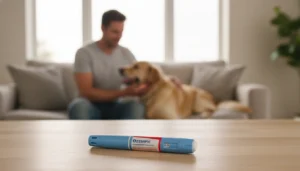
For many, the idea of a “shot” is the most intimidating part of the process. However, modern delivery systems are designed for ease of use at home. If you want a deeper look at the practical side of treatment, your semaglutide injection guide can help make the process feel more approachable. The medication is a subcutaneous injection, meaning it is delivered into the fatty tissue just under the skin, rather than into a muscle or vein.
Common Injection Sites
The medication is typically injected once per week on the same day. The most common sites include:
- The Abdomen: At least two inches away from the belly button.
- The Front of the Thighs: The fleshy part of the upper leg.
- The Upper Arm: Usually requires help from another person to ensure proper placement.
Step-by-Step Injection Process
- Preparation: Clean the injection site with an alcohol swab and allow it to dry.
- Priming: Check the liquid in the pen to ensure it is clear and colorless.
- The Injection: Press the pen against the skin and activate the needle. Most pens use a very fine needle that many patients describe as feeling like a tiny pinch or nothing at all.
- Hold: Hold the pen in place for several seconds (usually counted to six or ten) to ensure the full dose is delivered.
- Disposal: Dispose of the needle in a puncture-resistant “sharps” container.
Managing Potential Side Effects
Like any medication that affects the digestive system, semaglutide can cause side effects as the body adjusts to the increased hormone levels. If you want a broader look at what to expect, semaglutide side effects long term is a helpful place to start. Most side effects are gastrointestinal in nature and tend to be most prominent when first starting the medication or when increasing the dose.
Common Side Effects
- Nausea: The most frequently reported issue, often occurring shortly after the injection or after eating a large meal.
- Vomiting and Diarrhea: Generally temporary as the digestive tract adapts.
- Constipation: Due to the slowing of gastric emptying, some individuals may need to increase fiber and water intake.
- Abdominal Pain: Often described as a feeling of fullness or mild cramping.
Serious Risks and Cautions
While uncommon, there are serious risks that require medical supervision. These include pancreatitis (inflammation of the pancreas), gallbladder problems, and kidney issues related to dehydration.
Important: There is a “black box” warning regarding a rare type of thyroid cancer (medullary thyroid carcinoma) observed in animal studies. Individuals with a personal or family history of this specific cancer or Multiple Endocrine Neoplasia syndrome type 2 should not use semaglutide. Always consult with a licensed healthcare provider to review your full medical history.
Myth: “Ozempic is a ‘magic’ fix that works without any lifestyle changes.” Fact: While the medication is highly effective at reducing appetite, clinical studies show the best results occur when the medication is used alongside a balanced diet and regular physical activity. It is a tool to support a healthy lifestyle, not a replacement for it.
The Role of Personalization in Treatment
No two bodies are identical, and metabolic health is influenced by genetics, environment, and history. This is why a “one-size-fits-all” approach rarely works for long-term weight management. At TrimRx, we focus on connecting you with licensed providers who look at your entire health profile.
The Importance of Dosing Schedules
Semaglutide treatment typically begins at a very low “loading dose.” This allows your body to acclimate to the hormone mimic without overwhelming the digestive system. Over several months, a provider may slowly increase the dosage based on how well you are tolerating the medication and the progress you are making toward your goals.
Beyond the Medication
While the injection handles the “hunger” side of the equation, the “health” side requires more. Our program emphasizes the need for proper nutrition. Because you may be eating less, the quality of the nutrients you consume becomes even more critical. For readers comparing options, what makes a weight loss supplement effective is worth understanding before adding anything to a routine.
Branded vs. Compounded Medications
When researching “what is a ozempic shot,” you will likely encounter information about compounded semaglutide. This is an area that requires careful understanding.
Branded Medications
Ozempic® and Wegovy® are brand-name products manufactured by a specific pharmaceutical company. They are FDA-approved and come in proprietary injector pens. Because of high demand, these branded products frequently face supply shortages, leaving many patients unable to find their prescribed medication at local pharmacies.
Compounded Semaglutide
Compounding is the process where a licensed pharmacist mixes or alters ingredients to create a medication tailored to the needs of an individual patient. This is a long-standing practice in pharmacy.
- Legality: Compounded medications are permitted by federal law when a drug is on the FDA’s official shortage list.
- Source: We only work with FDA-registered, inspected compounding pharmacies to ensure high standards of quality and safety.
- Difference: Compounded semaglutide is not “FDA-approved” in the way a branded drug is, but the pharmacies themselves are strictly regulated. These versions often come in a vial with a separate syringe rather than a pre-filled pen.
Note: TrimRx connects you with licensed healthcare providers who determine the most appropriate treatment for you. If a prescription is issued, it may be for compounded semaglutide or tirzepatide, prepared by our partner pharmacies. We do not ship branded medications like Ozempic® or Wegovy®.
Comparison: Semaglutide vs. Tirzepatide
While the “Ozempic shot” is the most famous, it is not the only option. Another medication, tirzepatide (found in brands like Mounjaro® and Zepbound®), has also entered the spotlight. If you want a deeper dive into the molecule itself, what the weight loss drug tirzepatide is explains it in more detail.
| Feature | Semaglutide (e.g., Ozempic®) | Tirzepatide (e.g., Mounjaro®) |
|---|---|---|
| Mechanism | GLP-1 Receptor Agonist only | Dual GLP-1 and GIP Receptor Agonist |
| Frequency | Once-weekly injection | Once-weekly injection |
| Primary Action | Appetite suppression & blood sugar | Appetite suppression, fat metabolism & blood sugar |
| Common Side Effects | Nausea, vomiting, constipation | Nausea, diarrhea, decreased appetite |
Tirzepatide is often referred to as a “dual agonist” because it targets two different hunger hormones (GLP-1 and GIP). Some research suggests it may lead to slightly higher weight loss percentages, but it may also come with a different side effect profile. Your provider will help you decide which molecule is best suited for your body.
How to Get Started with a Program
If you have struggled with traditional weight loss methods and believe your metabolic health needs clinical support, the process is now more accessible than ever through telehealth weight loss prescriptions online.
Step 1: The Online Assessment
The journey begins with a comprehensive health quiz. This assessment asks about your medical history, your current BMI (Body Mass Index), and your previous experiences with weight loss. This data is essential for a provider to determine if you are a safe candidate for GLP-1 therapy. To take that first step, complete the free assessment quiz.
Step 2: Provider Review and Lab Work
A licensed healthcare professional reviews your assessment. In many cases, lab work is required to check your baseline glucose levels, kidney function, and thyroid health. This ensures that the “shot” you are taking is appropriate for your internal health markers.
Step 3: Personalized Treatment Plan
If you are eligible, your provider will design a program tailored to you. This includes the medication, a clear dosing schedule, and ongoing support. At TrimRx, we provide a consistent experience where your program remains the same even if your dosage increases over time.
Step 4: Home Delivery and Support
Once your program is active, the medication is shipped directly from a partner pharmacy to your door in discreet, temperature-controlled packaging. You also gain 24/7 access to a team of specialists who can help you manage side effects or answer questions about your progress.
The Importance of Nutrient Support
Taking a GLP-1 medication significantly changes how you eat. Because your appetite is reduced, you may find it difficult to get enough essential nutrients through food alone. If you want a broader perspective on supplements in this space, what is the best weight loss supplement offers a useful overview.
We recommend targeted support to help maintain energy levels and support digestive comfort. Additionally, a Weight Loss Boost supplement can provide metabolic support that complements the work the medication is doing.
Why the “Shot” is Only Part of the Story
It is easy to focus on the injection itself, but the most successful outcomes happen when patients view the medication as a bridge to a new lifestyle. The goal of a GLP-1 program is to give your body the biological “breathing room” it needs to establish better habits.
When you aren’t fighting constant hunger, it becomes easier to:
- Choose nutrient-dense whole foods.
- Engage in consistent physical activity.
- Improve sleep hygiene.
- Manage stress levels.
The medication addresses the physiological barriers to weight loss, while our platform provides the structural support to ensure those changes are sustainable for the long term.
Conclusion
The “Ozempic shot” represents a significant advancement in the medical community’s ability to treat obesity and metabolic dysfunction as chronic health conditions rather than personal failures. By mimicking the body’s natural hormones, semaglutide offers a way to reset the appetite and support the metabolic system in a way that diet and exercise alone often cannot achieve for everyone.
Our mission at TrimRx is to provide a clear, supportive, and scientifically grounded path for those ready to take control of their health. We combine the power of GLP-1 medications with the convenience of telehealth and the empathy of a dedicated care team. Sustainable weight loss is not about finding a “magic” solution; it is about finding the right tools and the right team to help you use them effectively.
Bottom line: The Ozempic shot is a tool for metabolic health. When combined with a personalized program and clinical oversight, it can lead to significant improvements in weight and overall well-being.
If you are ready to see whether a personalized GLP-1 program is the right fit for your health goals, the next step is simple.
- Take the Free Assessment: Answer a few questions about your health and goals to see if you qualify for our prescription program.
- Explore Support: Check out our specialized supplements to support your journey from day one.
FAQ
How long does it take for the shot to start working?
While the medication begins interacting with your hormones immediately, most people do not see significant weight changes in the first week or two. The initial low doses are designed to help your body adjust, with more noticeable results typically appearing after several weeks as the dosage gradually increases.
Can I stop taking the medication once I reach my goal weight?
Metabolic health is a long-term commitment, and research suggests that many people may regain weight if they stop the medication without having established permanent lifestyle changes. Your healthcare provider will work with you to determine the best “maintenance” plan, which may involve a lower dose or a structured tapering process.
Do I have to follow a specific diet while on the medication?
There is no “required” diet, but the medication works best when paired with a balanced intake of protein, fiber, and healthy fats. If you want a practical example, this GLP-1 diet plan shows how structured eating can support your treatment. Because you will be eating smaller portions, focusing on nutrient-dense foods helps prevent muscle loss and ensures you maintain high energy levels.
What happens if I miss a dose?
If you miss a dose of semaglutide, you should take it as soon as you remember, provided it is within five days of the missed dose. If more than five days have passed, skip the missed dose and wait until your next regularly scheduled day to keep your levels consistent.
Disclaimer: This content is for informational purposes only and does not constitute medical advice. It is not intended to diagnose, treat, cure, or prevent any disease or condition. Individual results may vary. Always consult a qualified healthcare professional before starting any weight loss program or medication.

Transforming Lives, One Step at a Time
Keep reading
Can You Take Ibuprofen on Ozempic?
For occasional use in someone who is well hydrated and has healthy kidneys, ibuprofen is generally considered reasonable, and it is worth checking with…

Why Do I Feel Best Two Days After My Ozempic Injection?
Because you are noticing the shape of a weekly dose, and day two often sits in a useful window: the initial side effects have…

Does Pepto Bismol Help Nausea on Ozempic?
Ask your pharmacist before using it, because Pepto Bismol is not the neutral stomach remedy most people assume. Its active ingredient, bismuth subsalicylate, contains…


