What to Eat With Tuna for Weight Loss: Healthy Pairings
Introduction
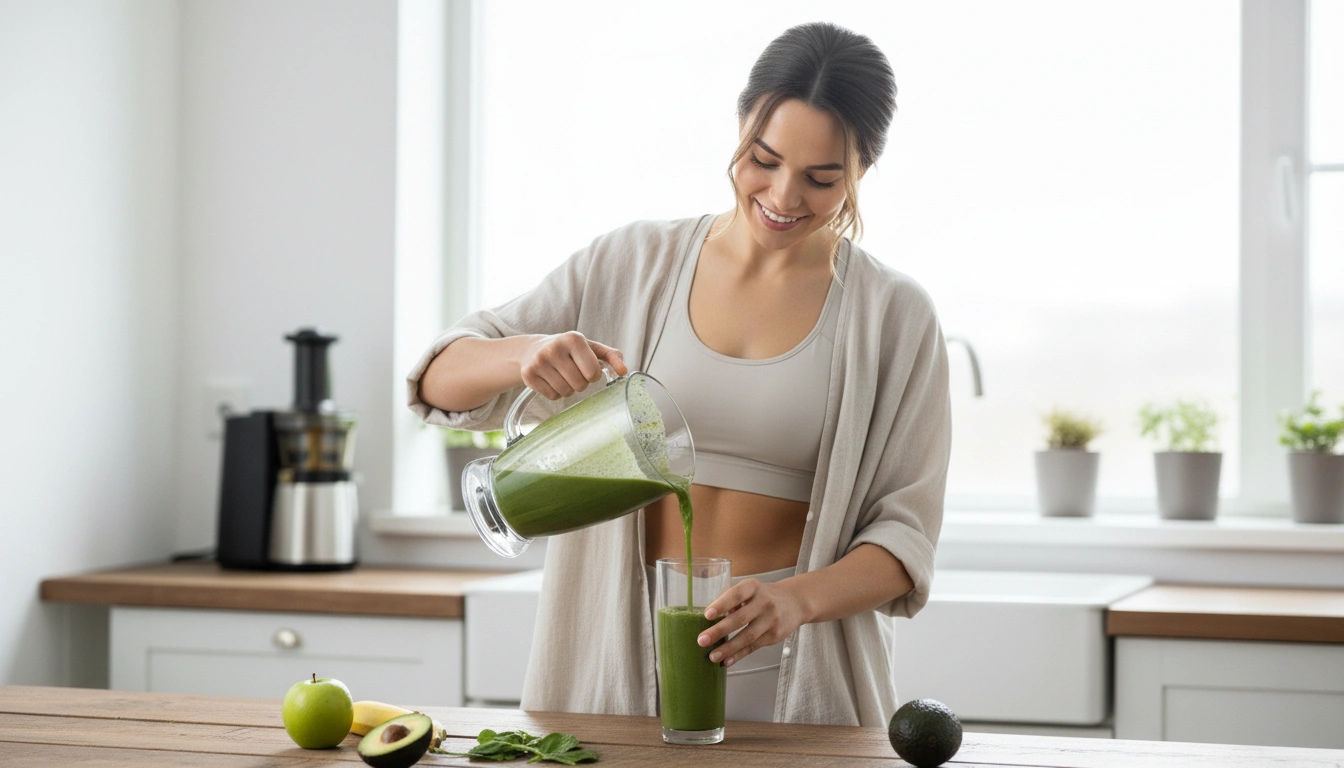
Standing in the kitchen after a long day, staring at a can of tuna, it is easy to default to the standard glob of mayonnaise and a couple of crackers. While this classic choice is convenient, it often misses the mark for those focused on sustainable weight management. Tuna is a nutritional powerhouse, but what you pair with it determines whether your meal supports your goals or stalls your progress. At TrimRx, we believe that successful weight loss is built on a foundation of nutrient-dense, high-protein foods that keep you satisfied without excess calories. This guide explores the best ingredients to pair with tuna to maximize satiety, support metabolic health, and keep your journey on track. If you are considering a personalized plan, you can take the free assessment quiz to see whether a medically supervised program may be a fit for your goals. We will cover everything from fiber-rich vegetables to healthy fat alternatives, helping you transform a simple pantry staple into a sophisticated, weight-loss-friendly meal.
Why Tuna is a Weight Loss Powerhouse
Tuna is often the first thing people reach for when they decide to prioritize their health. Its reputation is well-deserved because it offers one of the highest protein-to-calorie ratios of any whole food. A standard serving provides a significant dose of lean protein, which is essential for preserving muscle mass while losing fat. This is particularly important for individuals participating in a medically supervised program involving GLP-1 (glucagon-like peptide-1) medications. These treatments, which include options like compounded semaglutide or tirzepatide, work by slowing digestion and reducing appetite.
When your appetite is lower, every bite you take must provide high nutritional value. Protein helps signal to your brain that you are full, which complements the way these medications function in the body. Beyond protein, tuna is a source of omega-3 fatty acids, which support heart health and may help reduce inflammation. It also contains selenium and vitamin D, nutrients that play a role in metabolic function. However, the benefits of tuna can be easily overshadowed if it is mixed with high-calorie, low-nutrient fillers. Choosing the right pairings is the secret to making this lean protein work harder for your body.
Moving Beyond Traditional Mayonnaise
The most common way to prepare tuna is by mixing it with mayonnaise. While a small amount of mayo is not inherently “bad,” it is very calorie-dense and offers little in terms of micronutrients. One tablespoon of traditional mayonnaise can contain nearly 100 calories and 10 grams of fat. When you are focused on weight loss, those calories can be better spent on foods that provide fiber and volume.
Greek Yogurt
Plain, non-fat Greek yogurt is one of the most effective swaps for mayonnaise. It provides a similar creamy texture but adds an extra boost of protein. This double-protein approach (tuna plus yogurt) is excellent for maintaining satiety. The probiotics in yogurt also support gut health, which is a vital component of a healthy metabolism.
Mashed Avocado
If you crave the creaminess of fat, look toward avocado. While avocado is calorie-dense, it is packed with monounsaturated fats and fiber. These are “healthy fats” that support cardiovascular health and provide a slower, more sustained release of energy. The fiber in avocado helps prevent the blood sugar spikes that can lead to cravings later in the day.
Hummus or Tahini
For a different flavor profile, try mixing your tuna with a tablespoon of hummus or a drizzle of tahini. These options provide plant-based protein and a rich, nutty flavor. Hummus adds a bit of fiber from chickpeas, while tahini offers minerals like magnesium and phosphorus. These swaps help you avoid the empty calories of mayonnaise while introducing new nutrients into your diet.
If you are looking for nutritional support while you build a better routine, the GLP-1 Daily Support supplement is designed for people who want added support alongside their treatment plan.
Quick Answer: To support weight loss, pair tuna with high-fiber vegetables like celery and cucumbers, and swap mayonnaise for protein-rich Greek yogurt or fiber-filled avocado. These pairings increase volume and satiety while keeping calories low.
The Best Vegetables to Pair With Tuna
Fiber is the most important ally in a weight loss journey. It adds bulk to your meals, slowing down the movement of food through your digestive system. When paired with the lean protein in tuna, fiber-rich vegetables create a meal that keeps you full for hours.
Leafy Greens for Volume
One of the easiest ways to lose weight without feeling deprived is to use the concept of “volume eating.” This involves eating large quantities of low-calorie foods. A bed of spinach, kale, or arugula can turn a small serving of tuna into a massive salad. These greens are loaded with vitamins A, C, and K, as well as folate. Arugula, in particular, adds a peppery bite that complements the mild flavor of tuna without needing heavy dressings.
Crunchy Vegetables for Satiety
The psychological aspect of eating is often overlooked. Crunchy foods require more chewing, which can help your brain register that you are eating and full.
- Celery: The classic tuna companion. It adds almost zero calories but provides a satisfying crunch and a small amount of fiber.
- Bell Peppers: Whether diced into the tuna or used as “boats” for the tuna to sit in, bell peppers add sweetness and a massive dose of Vitamin C.
- Cucumbers: These are mostly water, making them excellent for hydration. Using cucumber slices instead of crackers is a simple way to cut carbs and calories.
- Red Onions: They provide a sharp flavor and contain antioxidants like quercetin, which may help with inflammation.
Fermented and Pickled Additions
Adding pickles or capers to tuna provides a punch of flavor for very few calories. Pickled vegetables like red onions or radishes can also add acidity, which cuts through the richness of the tuna. If you choose unpasteurized fermented pickles, you also gain the benefits of live bacteria that support a healthy gut microbiome.
Complex Carbohydrates for Energy Balance
While many people try to avoid carbohydrates during weight loss, the right kinds of carbs can actually help. Complex carbohydrates provide the glucose your brain needs to function and the fiber your gut needs to stay regular. The key is to choose “slow” carbs that do not cause rapid insulin spikes.
Legumes and Beans
Mixing tuna with chickpeas (garbanzo beans) or white beans is a common practice in Mediterranean diets. This combination is highly effective for weight loss because both tuna and beans are high in protein. Beans add significant amounts of soluble fiber, which can help lower cholesterol levels and improve digestive health.
Quinoa and Farro
If you want to create a tuna bowl, look toward ancient grains like quinoa. Quinoa is a complete protein, meaning it contains all nine essential amino acids. It has a low glycemic index, which means it digests slowly and provides steady energy. A quarter-cup of cooked quinoa mixed with tuna and vegetables creates a balanced, filling meal that prevents the afternoon energy crash.
Sweet Potatoes
For a more substantial meal, consider topping a baked sweet potato with tuna. Sweet potatoes are high in beta-carotene and fiber. The natural sweetness of the potato pairs surprisingly well with a savory, herb-seasoned tuna salad. This combination is particularly good for those who are physically active, as it provides the necessary fuel for workouts.
If you want extra energy support while you are focusing on weight loss, the Weight Loss Boost supplement is another option to explore.
Flavor Without the Calories: Herbs and Spices
One of the biggest mistakes in weight loss cooking is relying on salt and sugar-laden sauces for flavor. Herbs and spices allow you to customize your meal while keeping the calorie count at zero or near-zero.
- Lemon Juice: The acidity in lemon juice brightens the flavor of tuna and helps you use less salt. It also provides a small hit of Vitamin C.
- Dijon Mustard: This is a secret weapon for weight loss. It is incredibly low in calories but adds a sophisticated, sharp flavor that mimics the “zip” of more caloric dressings.
- Fresh Herbs: Parsley, dill, cilantro, and chives add fresh flavor and micronutrients. Dill is especially classic with tuna, while cilantro and lime can give it a zestier, southwestern feel.
- Black Pepper and Chili Flakes: Adding a bit of heat can actually boost your metabolism slightly and make the meal feel more satisfying.
Meal Structure: How to Plate Tuna for Success
How you arrange your food is just as important as what you choose. A balanced weight loss plate should generally follow a specific ratio.
Step 1: Fill half your plate with non-starchy vegetables. This could be a large salad or a pile of roasted broccoli and peppers.
Step 2: Reserve one-quarter of your plate for your lean protein, which is your tuna.
Step 3: Use the remaining quarter for a complex carbohydrate or a healthy fat, like a scoop of quinoa or half an avocado.
By following this structure, you ensure that you are getting plenty of fiber and protein without over-consuming calories. This method is highly effective for those using the TrimRx platform, as it aligns with the nutritional guidance often provided alongside medical treatments.
Tuna and the GLP-1 Journey
For those utilizing GLP-1 medications like Wegovy® or Zepbound®, the choice of what to eat with tuna is even more critical. These medications can sometimes cause mild nausea or changes in taste preferences. Tuna is often well-tolerated because its flavor is mild and it can be prepared in many ways.
Managing Side Effects with Pairings
If you experience nausea, pairing tuna with simple, bland vegetables like cucumbers or plain crackers might be easier on the stomach than spicy or heavy options. If you struggle with constipation—a common side effect of slowed digestion—prioritize pairing your tuna with high-fiber legumes and leafy greens. Hydration is also key; tuna has a high water content compared to dry snacks, and adding watery vegetables like celery and radishes can help meet your fluid needs.
Protecting Muscle Mass
Rapid weight loss can sometimes lead to the loss of lean muscle tissue. To prevent this, your body needs a consistent supply of high-quality protein. Tuna provides the amino acids necessary for muscle repair. When you pair it with the right nutrients, you are not just losing weight; you are improving your body composition and supporting your long-term metabolic health.
To better understand how these medications work, you may also want to read How Does GLP-1 Help You Lose Weight?, which explains the appetite and satiety effects in more detail.
Key Takeaway: Protein and fiber are the “satiety duo.” Pairing tuna with high-fiber vegetables and complex carbs ensures you stay full on fewer calories, which is essential for sustainable weight loss, especially when using GLP-1 medications.
Practical Ideas for Tuna Pairings
To help you get started, here are a few simple ways to combine these ingredients for a balanced meal.
- The Mediterranean Bowl: Tuna mixed with chickpeas, cherry tomatoes, cucumbers, red onion, and a lemon-tahini dressing.
- The Protein Wrap: Use large romaine lettuce leaves or collard greens as a wrap for tuna mixed with Greek yogurt and diced celery.
- The Savory Tuna Stuffed Pepper: Fill a halved bell pepper with tuna, quinoa, and chopped parsley, then bake until the pepper is tender.
- The Avocado Boat: Scoop tuna mixed with lime juice and cilantro into the center of a halved avocado.
These options are far more satisfying than a basic sandwich and provide a much broader spectrum of nutrients. By rotating these pairings, you can avoid “diet fatigue” and keep your meals exciting.
If you are curious about how appetite changes affect food choices on treatment, What to Eat While on a GLP-1 is a helpful next read.
Understanding the Different Types of Tuna
Not all tuna is created equal. When shopping for your weight loss journey, it is important to know the differences between varieties and how they are packaged.
Albacore vs. Skipjack (Light) Tuna
Albacore (white) tuna is higher in omega-3 fatty acids but also tends to have higher mercury levels. Skipjack or “light” tuna is usually lower in mercury and slightly lower in fat, making it a frequent choice for those who eat tuna several times a week. For most people, a mix of both is fine, but light tuna is often preferred for more frequent consumption.
Oil vs. Water Packed
For weight loss, tuna packed in water is almost always the better choice. Tuna packed in oil can contain significantly more calories, and that oil is often a low-quality vegetable oil rather than a healthy olive oil. If you do buy tuna in oil, be sure to drain it thoroughly to keep the calorie count in check.
Pouch vs. Can
Tuna pouches are often preferred for their convenience and texture. They do not require draining, which makes them a great option for a quick office lunch. Many pouches also come pre-seasoned (like lemon pepper or spicy Thai), but check the labels for added sugars or excessive sodium.
Success Strategies for Sustainable Weight Loss
Weight loss is not just about a single meal; it is about the habits you build over time. Incorporating tuna into a well-rounded diet is a great start, but it works best when part of a broader strategy.
- Meal Prep: Prep your tuna salad (using yogurt or avocado) and chop your vegetables ahead of time. Having healthy options ready prevents you from reaching for processed snacks when you are hungry.
- Mindful Eating: Pay attention to your hunger and fullness cues. GLP-1 medications are designed to help you notice these signals more clearly. Slow down and enjoy the different textures of your tuna pairings.
- Consult a Professional: Every body is different. What works for one person might not be ideal for another. This is why a personalized approach is so valuable.
Through our platform, we help you navigate these choices. By combining medical expertise with practical nutritional advice, we aim to make the path to a healthier weight clearer and more manageable.
For a broader look at the treatment side of the journey, How to Get GLP-1 Prescribed explains the steps involved in getting started.
Summary of Best Tuna Pairings
| Pairing Category | Best Options | Benefits |
|---|---|---|
| Creamy Bases | Greek Yogurt, Avocado, Hummus | High protein or healthy fats; replaces empty mayo calories. |
| Vegetables | Celery, Bell Peppers, Spinach, Cucumber | High volume, fiber, and essential micronutrients. |
| Carbohydrates | Quinoa, Chickpeas, Sweet Potato | Sustained energy and extra fiber for digestion. |
| Flavor Boosters | Lemon, Dijon Mustard, Fresh Herbs | Maximum taste with zero to low calorie impact. |
Bottom line: Choosing high-fiber, high-protein pairings for your tuna turns a simple snack into a powerful tool for weight loss and metabolic health.
Conclusion
Tuna is an incredible asset for anyone looking to lose weight, providing high-quality lean protein that fits perfectly into a modern, health-conscious lifestyle. By rethinking your pairings—swapping mayo for Greek yogurt, adding crunchy vegetables for volume, and incorporating complex carbs for energy—you can create meals that are as delicious as they are effective. Whether you are just beginning your health journey or are looking to optimize your results on a medically supervised program, these small changes in your kitchen can lead to significant results over time. At TrimRx, we are dedicated to providing the science-backed support and personalized programs you need to reach your goals with confidence. Weight loss is a marathon, not a sprint, and every nutrient-dense meal you choose is a step toward a healthier, more vibrant you. Take the first step by assessing your health goals through our free online quiz and discover how a personalized plan can support your success. If you want extra day-to-day nutritional support, the GLP-1 Daily Support supplement may be a useful addition to your routine.
FAQ
Is it safe to eat tuna every day for weight loss?
While tuna is a great source of protein, it is generally recommended to limit consumption to two or three times a week due to mercury concerns. Choosing “light” tuna varieties can help lower your exposure compared to albacore. It is always best to vary your protein sources to ensure a wide range of nutrients.
Can I eat tuna on a keto diet?
Yes, tuna is naturally zero-carb, making it an excellent choice for a ketogenic or low-carb lifestyle. To keep it keto-friendly, pair it with healthy fats like avocado or olive oil and serve it with low-carb vegetables like leafy greens or celery. Avoid pairing it with beans or grains if you are strictly following a keto protocol.
How does protein in tuna help with GLP-1 medications?
GLP-1 medications help reduce appetite, which can sometimes lead to lower overall food intake. Consuming high-protein foods like tuna ensures that the calories you do eat help maintain your muscle mass while you lose weight. This support for your metabolism is crucial for long-term weight management. If you want to see whether a personalized program is a fit, you can take the free assessment quiz.
Are tuna pouches better than canned tuna for weight loss?
Both are nutritionally similar, but tuna pouches are often packed without extra water or oil, meaning you get more actual fish per ounce. Pouches are also more convenient for on-the-go meals, which can help you stick to your weight loss plan even when you are busy. Just be sure to check flavored pouches for any added sugars. For a deeper explanation of the treatment landscape, What Is GLP-1 Support? covers how support fits into a broader plan.
How do I get started with TrimRx?
Start by taking our free assessment quiz, and our team will guide you through creating a personalized weight loss program tailored to your needs.
Disclaimer: This content is for informational purposes only and does not constitute medical advice. It is not intended to diagnose, treat, cure, or prevent any disease or condition. Individual results may vary. Always consult a qualified healthcare professional before starting any weight loss program or medication.

Transforming Lives, One Step at a Time
Keep reading
Top 5 Best Weight Loss Programs for Beginners in 2026
Starting a weight loss journey means sorting through GLP-1 medication ads, apps that gamify your groceries, and online weight management programs promising a doctor…

What to Do With a Full Pantry You No Longer Eat From
Sort it into three piles rather than clearing it all out: donate, keep, and discard. The mistake most people make is emptying the whole…

How to Handle a Business Dinner When the Client Orders for the Table
This is the one dining situation where your usual tools do not work. You cannot order a starter as your main, cannot ask for…


