Can I Lose Weight on Zepbound Without Exercise?
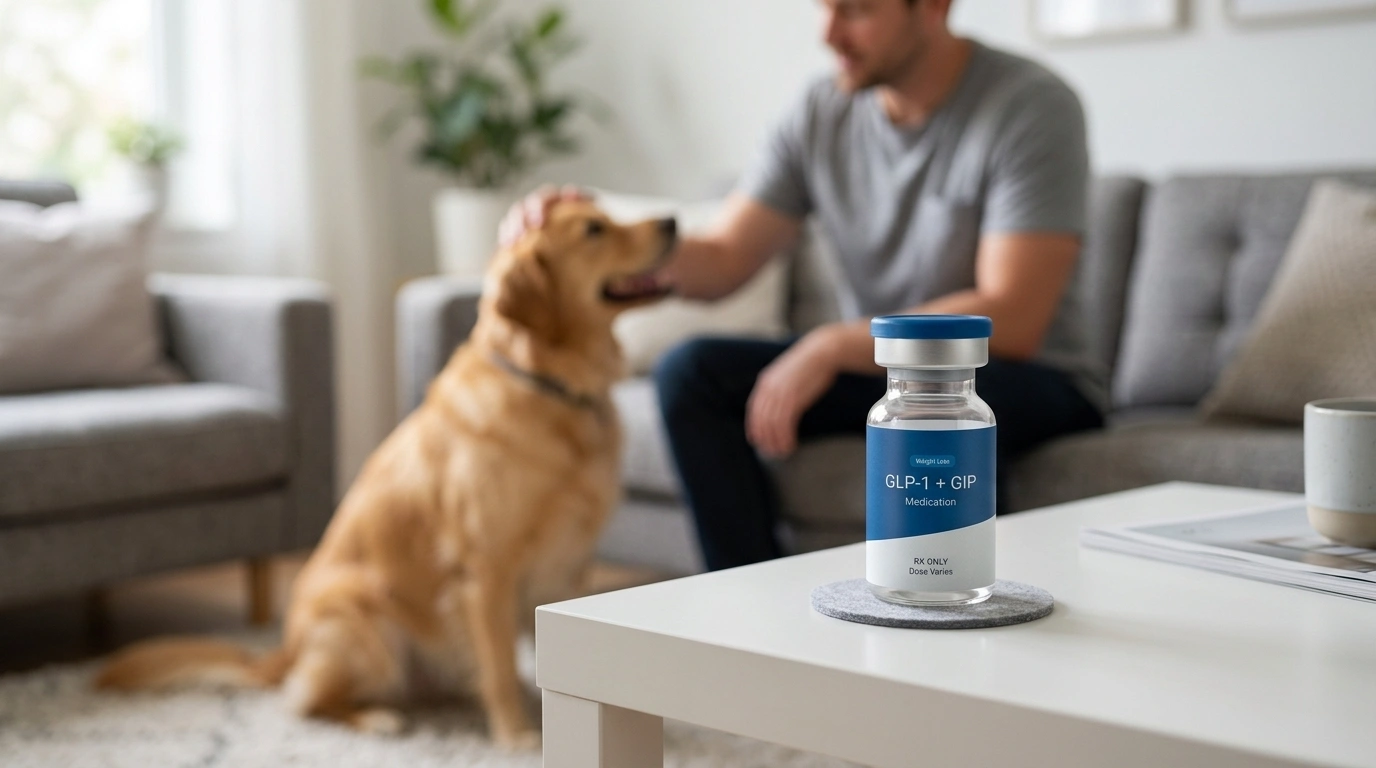
Table of Contents
- Introduction
- How Zepbound Works to Support Weight Loss
- What the Research Says About Weight Loss and Movement
- The Risk of Losing Muscle Mass
- Why Movement Matters Beyond the Scale
- The Role of Personalized Programs
- Starting the TrimRx Program
- Understanding Compounded vs. Branded Medications
- Managing the “No Exercise” Reality
- Myth vs. Fact: Exercise and Zepbound
- Comparing the Options
- Strategies for Sustainable Success
- Facing the Plateau
- The Importance of Medical Supervision
- Conclusion
- FAQ
Introduction
It is a question many people ask when they first consider medical weight loss: do I really have to spend hours in the gym for this to work? If you have spent years struggling with your weight, the idea of adding a rigorous exercise routine on top of a new medication can feel overwhelming. At TrimRx, we understand that the journey toward better health is rarely a straight line, and the “eat less, move more” advice often feels like an oversimplification of a complex metabolic challenge.
This article explores whether you can lose weight on Zepbound® without exercise, how the medication affects your body’s biology, and why the quality of the weight you lose matters more than the number on the scale. We will look at the clinical evidence, the risks of a sedentary lifestyle during treatment, and how our personalized programs help you find a balance that works for your life. While weight loss is possible through medication alone, a holistic approach is often the key to long-term success.
How Zepbound Works to Support Weight Loss
To understand if exercise is “required,” we first need to look at what Zepbound® actually does inside the body. This medication contains an active ingredient called tirzepatide. Tirzepatide is a dual-acting receptor agonist, meaning it mimics two different hormones naturally produced by your gut: glucagon-like peptide-1 (GLP-1) and glucose-dependent insulinotropic polypeptide (GIP).
The GLP-1 component works primarily by slowing down gastric emptying. This means food stays in your stomach longer, helping you feel full faster and stay full for a greater duration. It also signals the brain’s appetite centers to reduce hunger and cravings. The GIP component is thought to complement these effects by improving how your body breaks down sugar and fat. Together, these two pathways create a powerful metabolic shift that makes it much easier to maintain a calorie deficit without the intense “food noise” that often leads to diet failure. For a broader explanation, read our guide on how exercise affects Zepbound results.
Quick Answer: Yes, it is biologically possible to lose weight on Zepbound® without exercise because the medication significantly reduces your calorie intake. However, clinical studies show that results are more substantial and sustainable when combined with lifestyle changes.
What the Research Says About Weight Loss and Movement
In the major clinical trials for tirzepatide, known as the SURMOUNT studies, participants did not just take the medication. They were also instructed to follow a reduced-calorie diet and engage in at least 150 minutes of physical activity per week. Under these conditions, many participants lost up to 20% or more of their initial body weight over 72 weeks.
Because the trials included exercise, we know that the most dramatic results happen when movement is part of the plan. However, the sheer potency of tirzepatide means that even if an individual is unable to exercise—due to physical limitations or scheduling conflicts—they will likely still see the scale move. This is because weight loss is primarily driven by a sustained calorie deficit, which the medication helps facilitate by curbing appetite. If you are considering prescription treatment, you can complete a free eligibility assessment.
Key Takeaway: While Zepbound® provides the biological “heavy lifting” by managing hunger, movement serves as the support system that ensures that weight loss is healthy and permanent.
The Risk of Losing Muscle Mass
One of the most important reasons to consider exercise while on a weight loss program is the preservation of lean muscle mass. When the body loses weight rapidly, it does not just burn fat. It also breaks down muscle tissue for energy. This is a common concern with high-potency medications like tirzepatide or compounded semaglutide.
Muscle is metabolically active tissue, meaning it burns more calories at rest than fat does. If you lose a significant amount of muscle because you are losing weight without any resistance training or movement, your basal metabolic rate (BMR) will drop. This can lead to a “metabolic adaptation” where your body requires fewer and fewer calories to maintain its weight. This is often why people hit plateaus or regain weight quickly once they stop taking medication. Learn more about preserving muscle while losing fat on GLP-1 medication.
By incorporating even light resistance training, you send a signal to your body to keep its muscle and focus on burning stored fat instead. This protects your metabolism and helps you look and feel stronger as the weight comes off.
Why Movement Matters Beyond the Scale
When we talk about “exercise,” we aren’t just talking about burning calories to lose weight. For patients in a TrimRx program, we view movement as a tool for overall metabolic health. Even if the scale is moving without the gym, physical activity provides benefits that medication cannot replicate on its own.
- Insulin Sensitivity: Physical activity helps your cells use glucose more effectively, which is critical for long-term blood sugar management.
- Cardiovascular Health: Strengthening your heart and improving circulation reduces the risk of long-term complications often associated with excess weight.
- Mental Well-being: Weight loss journeys can be emotionally taxing. Exercise releases endorphins that can help manage the stress or anxiety that sometimes accompanies major lifestyle changes.
- Bone Density: Weight-bearing activity is essential for maintaining strong bones, especially as you age and lose body mass.
The Role of Personalized Programs
Every body is different, and a “one-size-fits-all” approach to exercise rarely works. This is why we focus on fully personalized programs. For someone with a high BMI or joint pain, a 30-minute run is not a realistic starting point. For others, the challenge might be finding ten minutes in a busy workday.
Our telehealth platform connects you with licensed providers who can help tailor your treatment. If you are struggling to stay active, we look at the whole picture. Are you getting enough protein? Are you staying hydrated? Sometimes, adjusting your nutritional intake can give you the energy boost needed to start moving more. For additional information, see what to expect from GLP-1 medications and energy levels.
Note: If you find yourself experiencing extreme fatigue or weakness that prevents you from any activity while on medication, it is important to consult your healthcare provider to ensure your dosage and nutrition are properly balanced.
Starting the TrimRx Program
Starting a medical weight loss journey does not require you to be a fitness expert on day one. We have designed our process to be simple, supportive, and entirely online.
Step 1: Take the Assessment Quiz Complete our free online health assessment. This helps our partner providers understand your medical history, goals, and any physical limitations you may have.
Step 2: Provider Consultation A licensed clinician reviews your profile to determine if a GLP-1 medication, such as compounded tirzepatide or compounded semaglutide, is appropriate for you.
Step 3: Personalized Treatment Plan If eligible, you receive a treatment plan tailored to your needs. This includes your prescription, which is sent to an FDA-registered, inspected compounding pharmacy.
Step 4: Ongoing Support and Shipping Your medication is shipped directly to your door. You have 24/7 access to our team and resources to help you navigate side effects, nutrition, and movement at your own pace.
Understanding Compounded vs. Branded Medications
As you research your options, you will see names like Zepbound®, Wegovy®, and Mounjaro®. These are branded medications that have received FDA approval for specific uses like weight management or type 2 diabetes. While these are highly effective, they can sometimes face supply shortages or insurance hurdles.
To ensure patients have consistent access to care, we connect individuals with licensed providers who may prescribe compounded medications. Compounded tirzepatide and compounded semaglutide contain the same active ingredients as their branded counterparts but are prepared by specialized pharmacies.
Important: Compounded medications are not FDA-approved. However, the pharmacies we work with are FDA-registered and strictly inspected to ensure they meet high quality and safety standards.
Managing the “No Exercise” Reality
There are valid reasons why someone might not be able to exercise immediately. You might be recovering from surgery, dealing with chronic pain, or managing a physical disability. If this describes your situation, you can still find success.
In these cases, we focus heavily on “Non-Exercise Activity Thermogenesis,” or NEAT. This refers to the energy we expend for everything we do that is not sleeping, eating, or sports-like exercise. It includes walking to the mailbox, standing while on a phone call, or even fidgeting. Increasing your NEAT can help support your weight loss goals without the need for a formal workout. Our article on metabolic adaptation and everyday movement provides additional context.
Additionally, nutrition becomes even more vital when exercise is limited. Focusing on high-protein meals can help protect your muscles, while fiber-rich foods help manage the digestive side effects that can sometimes occur with GLP-1 medications.
Myth vs. Fact: Exercise and Zepbound
Myth: You won’t lose any weight on Zepbound® if you don’t go to the gym. Fact: You will likely lose weight because the medication reduces your appetite, but you may lose more muscle than desired and have a harder time keeping the weight off long-term.
Myth: “Weight loss exercise” has to be high-intensity to work with medication. Fact: Low-impact activities like walking or yoga are highly effective for supporting metabolic health and are much easier to sustain.
Comparing the Options
When deciding on a treatment path, it helps to understand the differences between the two primary classes of medications used in our programs.
| Feature | Compounded Semaglutide | Compounded Tirzepatide |
|---|---|---|
| Mechanism | Mimics GLP-1 hormone | Mimics GLP-1 and GIP hormones |
| Common Brands | Ozempic®, Wegovy® | Mounjaro®, Zepbound® |
| Dosing | Once-weekly injection | Once-weekly injection |
| Primary Benefit | Appetite suppression and blood sugar control | Enhanced appetite suppression and fat metabolism |
| Format | Subcutaneous injection or oral | Subcutaneous injection or oral |
Strategies for Sustainable Success
If your goal is to lose weight and keep it off, the most effective strategy is a gradual integration of healthy habits. We recommend focusing on the “Big Three”:
- Protein Intake: Aim for a high-protein diet to provide the building blocks your muscles need.
- Hydration: GLP-1 medications can sometimes mask thirst. Staying hydrated is essential for kidney health and managing side effects.
- Consistent Movement: Start where you are. If you currently take 2,000 steps a day, aim for 3,000. Small, incremental changes are more sustainable than a sudden, intense gym habit.
To support these habits, we offer quick-access supplements like GLP-1 Daily Support. These are designed to help fill nutritional gaps and support your body’s natural pathways while you are on a prescription program. These can be purchased immediately without a doctor’s quiz and are a great way to optimize your results.
Facing the Plateau
Even on a powerful medication like tirzepatide, weight loss plateaus can happen. A plateau occurs when your body’s energy expenditure matches its energy intake. As you lose weight, your body becomes smaller and requires less energy to function. You can also review this guide to understanding weight loss plateaus on GLP-1 medication.
If you hit a plateau and you haven’t been exercising, adding even ten minutes of daily movement can often be enough to “reset” your metabolism and get the scale moving again. This is where the 24/7 access to our specialist team becomes invaluable; we can help you analyze your routine and suggest the small tweaks needed to break through.
The Importance of Medical Supervision
Taking a medication like Zepbound® or a compounded alternative is a significant medical decision. It is not just about getting a prescription; it is about having a clinical partner to monitor your progress. Side effects like nausea, constipation, or fatigue are common, especially when you first start or increase your dose.
A supervised program ensures that your dose is escalated at a pace your body can handle. It also ensures that your weight loss is occurring at a healthy rate. Losing weight too quickly without medical guidance can lead to issues like gallstones or severe nutrient deficiencies. At TrimRx, our goal is to help you lose weight safely and sustainably.
Bottom line: While you can lose weight on Zepbound® through calorie reduction alone, incorporating movement protects your muscle mass, boosts your metabolism, and ensures that the “new you” is also a “healthier you.”
Conclusion
The journey to sustainable weight loss is about more than just a number on a scale; it is about reclaiming your health and vitality. While the biology of Zepbound® and tirzepatide allows for weight loss without formal exercise, movement remains a vital partner in your success. Whether it is a brisk walk, a yoga session, or a few minutes of resistance training, staying active helps protect your metabolism and ensures the weight you lose stays off for good. For more guidance, explore strength training on GLP-1 medication.
Our mission is to provide you with the tools, the science, and the empathetic support you need to make these changes realistic. By combining personalized clinical care with modern technology, we make it possible to manage your metabolic health from the comfort of home. When you are ready to take that next step toward a healthier lifestyle, we are here to guide you every step of the way.
Ready to see if you qualify for a personalized weight loss program? Take our free assessment quiz today to get started.
FAQ
Can I really lose weight if I don’t exercise while on Zepbound?
Yes, many people lose weight on Zepbound® without a formal exercise routine because the medication significantly reduces appetite and slows digestion, leading to a natural calorie deficit. However, without some form of activity, you may lose muscle mass along with fat, which can slow your metabolism over time.
What happens if I stop exercising once I reach my goal weight?
Stopping physical activity can increase the risk of weight regain, as exercise is a key factor in maintaining a healthy metabolic rate. For long-term success, most healthcare providers recommend finding a sustainable form of movement that you can continue even after you reach your goal weight. Our guide to maintaining results after reaching your goal weight on Zepbound offers additional perspective.
Is walking enough exercise to support my weight loss on this medication?
Absolutely, walking is an excellent, low-impact way to support your weight loss and cardiovascular health. For many people starting a GLP-1 medication, aiming for a consistent daily step goal is a more manageable and effective strategy than starting a high-intensity gym routine.
Why do I feel so tired when I start taking weight loss medication?
Fatigue can be a common side effect as your body adjusts to a lower calorie intake and the metabolic changes caused by the medication. Ensuring you are eating enough protein, staying hydrated, and potentially using targeted supplements can help improve your energy levels so you feel more capable of light activity. For additional energy support during weight loss, consider the Weight Loss Boost supplement.
Disclaimer: This content is for informational purposes only and does not constitute medical advice. It is not intended to diagnose, treat, cure, or prevent any disease or condition. Individual results may vary. Always consult a qualified healthcare professional before starting any weight loss program or medication.

Transforming Lives, One Step at a Time
Keep reading
Moving In With Your Partner on Zepbound
Moving in together changes the rhythm of daily life: who cooks, when you eat, what is in the fridge, and how you spend evenings….
Living With Roommates on Zepbound
Sharing an apartment or house means sharing a fridge, a kitchen, a bathroom, and often more of your life than you planned. If you…
A Fan Convention on Zepbound: Lines, Cosplay, and Convention Food
Big fan conventions are a marathon disguised as a party. You queue before dawn for a panel, walk miles of exhibit hall, stand in…


