Can I Inject Zepbound Cold? Tips for a Comfortable Experience
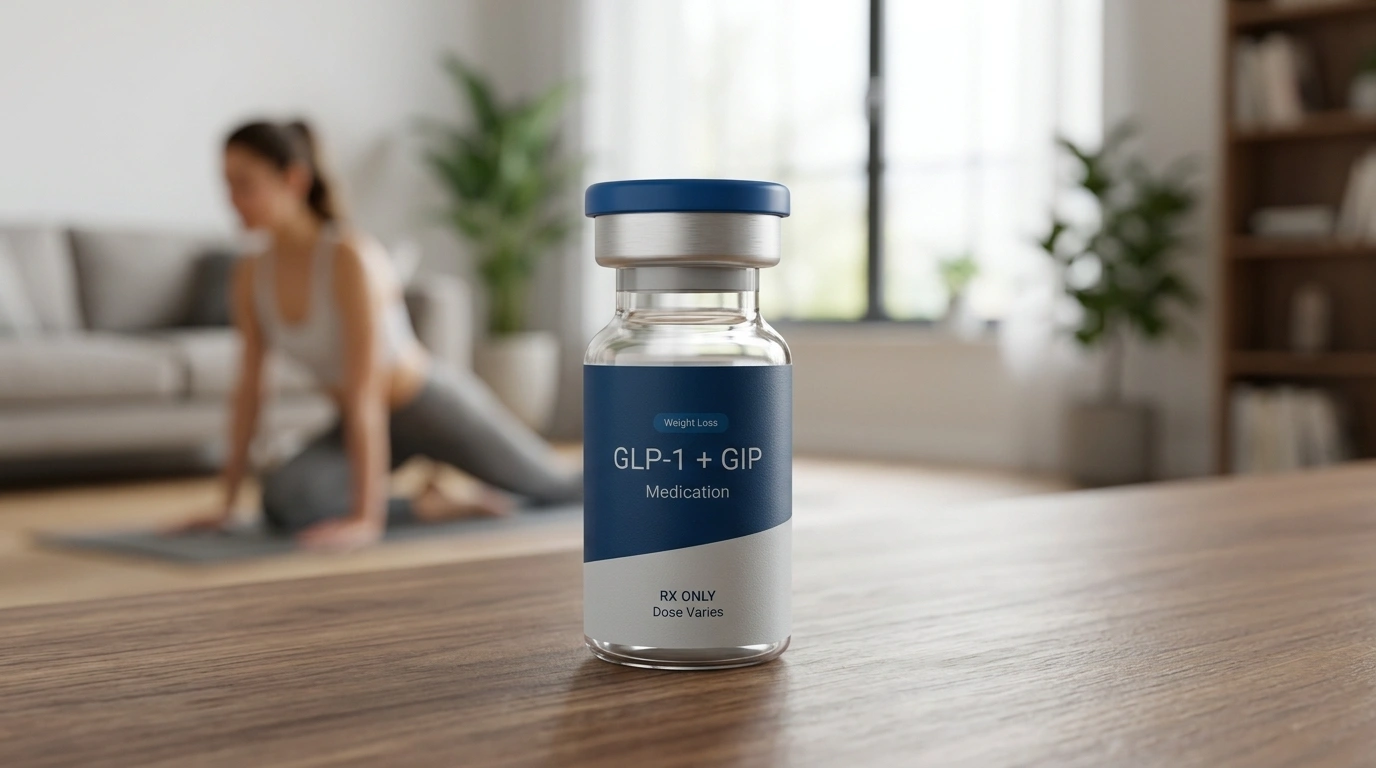
Table of Contents
- Introduction
- The Short Answer: Injecting Zepbound While Cold
- Why Cold Injections May Cause Discomfort
- Proper Storage for Zepbound
- How to Safely Warm Your Medication
- Preparing for Your Weekly Injection
- Managing Injection Site Reactions
- The Role of Personalization in Your Journey
- When to Consult Your Provider
- Optimizing Your Results
- Conclusion
- FAQ
Introduction
Standing in the kitchen with your Zepbound® pen in hand, you might feel a flicker of hesitation. You just pulled the medication from the refrigerator, and the glass feels chilled against your palm. A very common question for those starting their weight loss journey is whether that cold temperature will affect the medication’s power or, perhaps more importantly, how it feels when you finally press the button. At TrimRx, we understand that the technicalities of self-injection can feel overwhelming when you are focusing on the bigger picture of your metabolic health. This article covers the safety, comfort, and clinical considerations of injecting Zepbound® at various temperatures. We will explore why many people choose to wait, how to store your medication properly, and what to expect during your weekly routine. While you can technically inject the medication cold, understanding the nuances of temperature can make your experience much more supportive and comfortable.
Quick Answer: Yes, you can safely inject Zepbound® cold. It does not change the effectiveness of the medication. However, many people find that letting the pen reach room temperature for about 30 minutes reduces the “sting” often associated with cold injections.
The Short Answer: Injecting Zepbound While Cold
The straightforward answer is yes. There is no evidence to suggest that the temperature of the liquid at the time of injection impacts the clinical efficacy of the medication. The active ingredient, tirzepatide—a dual GIP (glucose-dependent insulinotropic polypeptide) and GLP-1 (glucagon-like peptide-1) receptor agonist—remains stable and effective whether it is 40°F or 70°F at the moment it enters your system. These receptors help regulate your appetite and blood sugar, and their function is not hindered by a chilled delivery.
However, just because you can does not always mean it is the most pleasant choice. Most healthcare providers and experienced patients recommend letting the pen reach room temperature before use. The primary reason for this recommendation is the physical sensation of the injection itself. If you are in a rush and need to take your dose immediately upon removing it from the fridge, you are not putting your health or your progress at risk. You are simply choosing a slightly more “noticeable” injection experience. If you are considering a personalized program, you can complete a free eligibility assessment.
Why Cold Injections May Cause Discomfort
To understand why a cold injection might feel different, it helps to look at how our bodies perceive temperature and pressure. Your skin and the underlying fat layers are home to various sensory receptors. When you inject a liquid that is significantly colder than your internal body temperature, these receptors react to the thermal shock.
The stinging sensation often associated with refrigerated medications is a combination of temperature and the speed of the injection. Because the Zepbound® pen is an automated delivery system, the medication is released quickly. Cold liquids are generally more viscous—meaning they are slightly thicker—than room-temperature liquids. When a chilled substance is rapidly dispersed into the subcutaneous fat layer, it can trigger a sharper “biting” or “pinching” sensation.
Key Takeaway: The “sting” of a cold injection is a sensory response to thermal contrast. It is not a sign that something is wrong with the medication, your technique, or your body’s reaction to the drug.
For many, this stinging is the most significant hurdle in maintaining a consistent injection schedule. By allowing the medication to warm up naturally, the transition from the pen to your body becomes much smoother and less noticeable to your nervous system. If you find yourself dreading your “shot day,” learn why letting Zepbound warm up may improve injection comfort.
Proper Storage for Zepbound
While the temperature at the moment of injection is largely about your personal comfort, the temperature during storage is strictly about safety and drug integrity. Zepbound® is a protein-based medication. Proteins are highly sensitive to extreme temperatures, which is why strict storage guidelines are provided by the manufacturer.
Refrigeration Requirements
You should store your Zepbound® pens in the refrigerator at a temperature between 36°F and 46°F (2°C to 8°C). It is best to keep them in their original carton. This serves two purposes: it keeps the pens organized and, more importantly, it protects the medication from light. Constant light exposure can degrade the peptide structure over time, potentially making the medication less effective before its expiration date. For broader guidance, review these GLP-1 medication storage practices.
The Room Temperature Window
According to the official guidelines, Zepbound® can be stored at room temperature (up to 86°F or 30°C) for up to 21 days. This is incredibly helpful for several reasons:
- Travel: You can take your weekly dose with you on a trip without necessarily needing a bulky cooling case, provided the environment stays below 86°F.
- Routine: Some people prefer to take their pen out of the fridge the night before their injection so it is ready and waiting in a bedside drawer.
- Emergencies: If there is a brief power outage or you accidentally leave your medication on the counter overnight, you do not need to panic.
Note: Once a pen has reached room temperature and stayed there, you should ideally not put it back in the refrigerator for long-term storage. Use it within that 21-day window. If it exceeds 21 days at room temperature, the medication should be discarded in a sharps container.
How to Safely Warm Your Medication
If you decide that room-temperature injections are the right choice for you, it is important to warm the pen correctly. Impatience can lead to mistakes that might compromise the medication.
The 30-Minute Rule The gold standard for warming is simple: take the pen out of the refrigerator and place it on a clean, dry surface, such as a countertop, for 30 minutes. Ensure it is out of the reach of children or pets and away from direct sunlight. This allows the liquid to reach room temperature gradually and naturally. You can also review practical Zepbound room-temperature storage guidance.
What Not to Do
When trying to take the chill off your medication, never use external heat sources.
- Do not use a microwave: Microwaves heat unevenly and can easily “cook” the proteins in the medication, rendering it useless.
- Do not use hot water: Submerging the pen in hot water can compromise the internal mechanism and the medication.
- Do not use a hair dryer: Forced hot air is too intense and can lead to rapid degradation of the drug.
- Do not shake the pen: While you might be tempted to shake it to “distribute the heat,” Zepbound® should be handled gently. Shaking can cause bubbles or damage the peptide structure.
Important: Never use Zepbound® if it has been frozen. Freezing temperatures can break down the chemical structure of tirzepatide. If your refrigerator has “cold spots” that occasionally freeze your milk or vegetables, keep your medication box away from the back wall or the cooling vents.
Preparing for Your Weekly Injection
Setting up a consistent, comfortable routine can help reduce the anxiety often associated with starting a GLP-1 and GIP treatment. Whether you are using a branded medication or a personalized program through a platform like ours, the ritual of the injection matters.
Step 1: Check the medication. Before doing anything else, look at the liquid through the clear window of the pen. It should be clear and colorless to slightly yellow. If it is cloudy, contains particles, or looks frozen, do not use it.
Step 2: The waiting period. Place the pen on the counter for 30 minutes to reach room temperature. This is a great time to have a glass of water or go about your morning routine.
Step 3: Choose and clean your site. Select an injection site—usually the abdomen (at least two inches from the belly button), the front of the thigh, or the back of the upper arm. Clean the area with an alcohol swab and let it air dry completely. Injecting through wet alcohol can also cause a stinging sensation, regardless of the medication’s temperature.
Step 4: Perform the injection. Follow the specific instructions provided with your pen. Remove the base cap, place the base flat against your skin, and unlock the pen. Press the button and hold it until the second “click” occurs, indicating the dose is complete.
Step 5: Dispose of the pen. Immediately place the used pen in an FDA-cleared sharps disposal container. This keeps you and your household safe from accidental needle sticks.
Managing Injection Site Reactions
Even if you follow every temperature rule and wait the full 30 minutes, you might still experience a reaction at the site of the injection. Understanding the difference between a normal reaction and a cause for concern is vital for your peace of mind.
Common reactions include mild redness, itching, or a small, firm bump. These are usually temporary and disappear within a few days. They are often the body’s natural response to the physical act of the needle or the presence of the medication in the subcutaneous tissue.
To minimize these reactions:
- Rotate your sites: Never inject in the exact same spot two weeks in a row. Move at least one inch away from your previous site.
- Check the temperature: As we have discussed, room-temperature injections are often better tolerated by the skin.
- Avoid irritation: Do not rub or massage the site immediately after the injection, as this can increase redness and irritation.
Myth: A red mark at the injection site means the medication didn’t go in or isn’t working. Fact: Local skin irritation is a common side effect and has no bearing on how well the medication is working to manage your appetite or metabolic health.
For additional context on injection-related discomfort, read this guide to tirzepatide injection side effects.
The Role of Personalization in Your Journey
At TrimRx, we believe that weight loss is not just about a weekly injection; it is about a comprehensive approach to metabolic health. While medications like Zepbound®, Wegovy®, and Ozempic® are well-known branded options, many individuals find that a personalized approach suits their lifestyle and goals better.
We connect you with licensed healthcare providers who can determine if you are a candidate for GLP-1 medications. Our programs often include compounded Semaglutide or compounded Tirzepatide, which are prepared by FDA-registered and inspected compounding pharmacies. These medications are not “FDA-approved” in the same way branded drugs are, but they are a vital resource, especially during periods of national drug shortages.
A personalized program means you have:
- Dedicated Support: 24/7 access to specialists who can answer questions about side effects or injection techniques.
- Consistent Supply: Access to medications shipped directly from inspected pharmacies.
- Comprehensive Care: Consultations and support included, with no hidden fees as your dosage changes.
Whether you are using a branded Zepbound® pen or a compounded version through our platform, the rules of temperature and care remain largely the same. Your comfort is a key part of your long-term success. If you want to see whether treatment may be appropriate for you, find out if GLP-1 medications may be right for you.
When to Consult Your Provider
While a little stinging from a cold injection is normal, there are times when you should reach out for professional guidance. If you notice any of the following, contact your healthcare provider or the specialist team at your telehealth platform:
- Severe Pain: If the pain at the injection site is intense or lasts for more than a few hours.
- Signs of Infection: Such as warmth, swelling that spreads, or pus at the site.
- Allergic Reaction: Such as hives, swelling of the face or throat, or difficulty breathing (seek emergency care immediately in this case).
- Dosing Confusion: If you are unsure if you received the full dose because you removed the pen too early.
Your provider is there to ensure your journey is safe. Never hesitate to ask a question, no matter how small it might seem.
Optimizing Your Results
Injecting at the right temperature is a great way to make your weekly routine more sustainable, but it is only one piece of the puzzle. To get the most out of your treatment, consider these supportive steps:
- Hydration: GLP-1 medications can sometimes change your thirst cues. Make a conscious effort to drink water throughout the day.
- Protein Intake: To help maintain muscle mass during weight loss, focus on lean protein sources in your meals.
- Supportive Supplements: Some patients find that supplements like our GLP-1 Daily Support can help bridge nutritional gaps during their program.
- Slow and Steady: Metabolic change takes time. Focus on non-scale victories, like increased energy or better sleep, alongside the numbers on the scale.
Bottom line: While you can inject Zepbound® cold, taking 30 minutes to let it reach room temperature is a simple, effective way to make your weight loss journey more comfortable and less stressful.
Conclusion
Managing a medical weight loss program involves learning new habits, and mastering the “shot day” routine is a big part of that. While you can safely inject Zepbound® cold, the slight stinging it may cause is easily avoidable. By following proper storage guidelines—keeping your medication refrigerated but allowing it a short “warm-up” period on the counter—you can ensure your experience is as smooth as possible.
At TrimRx, our mission is to provide you with more than just a prescription. We offer a science-backed, empathetic pathway to sustainable health. We believe that when you feel supported and comfortable, you are much more likely to reach your goals. Weight loss is a journey of a thousand small decisions, and choosing a more comfortable injection experience is a great place to start.
If you are ready to take the next step in your health journey, the first move is simple. You can complete our free online assessment to see if a personalized weight loss program is right for you. Our team is here to guide you through every click, every dose, and every milestone.
FAQ
Does injecting Zepbound cold make it less effective?
No, injecting the medication while cold does not change how it works in your body. The active ingredients remain stable and will still help regulate your appetite and blood sugar. The only difference is that a cold injection may feel more uncomfortable or cause a stinging sensation.
How long can Zepbound stay out of the refrigerator before it goes bad?
Zepbound® can be kept at room temperature (up to 86°F or 30°C) for up to 21 days. If it has been out of the fridge for longer than this, or if it has been exposed to temperatures above 86°F, it should be discarded. Once a pen reaches room temperature, it should not be returned to the refrigerator for long-term storage. For more storage details, see this Zepbound room-temperature guide.
Can I warm up my Zepbound pen in the microwave if I’m in a hurry?
No, you should never use a microwave, hot water, or any other external heat source to warm your medication. Extreme or uneven heat can damage the proteins in the medication and make it ineffective. The only safe way to warm the pen is to let it sit at room temperature for about 30 minutes.
What should I do if my Zepbound accidentally froze in the fridge?
If your Zepbound® pen has been frozen, do not use it. Freezing can break down the chemical structure of the medication, rendering it unsafe or ineffective. Dispose of the frozen pen in a sharps container and contact your pharmacist or healthcare provider for a replacement. If you are unsure whether your medication was exposed to freezing temperatures, review these cold-weather GLP-1 storage tips.
Disclaimer: This content is for informational purposes only and does not constitute medical advice. It is not intended to diagnose, treat, cure, or prevent any disease or condition. Individual results may vary. Always consult a qualified healthcare professional before starting any weight loss program or medication.

Transforming Lives, One Step at a Time
Keep reading
Surfing on Zepbound: Paddling Strength, Cold Water, and Dawn Patrol
Surfing asks a lot of your body. Paddling out through broken waves takes shoulder, back, and core strength. Cold water drains energy. Dawn sessions…

Skydiving on Zepbound: Planning a Tandem Jump
For many people who have lost weight, a skydive is a goal they set years ago and finally feel ready for. Some dropzones have…
A Day at the Renaissance Faire on Zepbound
A Renaissance faire is a full day out: jousts, stage shows, artisan stalls, dusty lanes, and food built for spectacle, from giant turkey legs…


