What Foods Cause Diarrhea on Zepbound
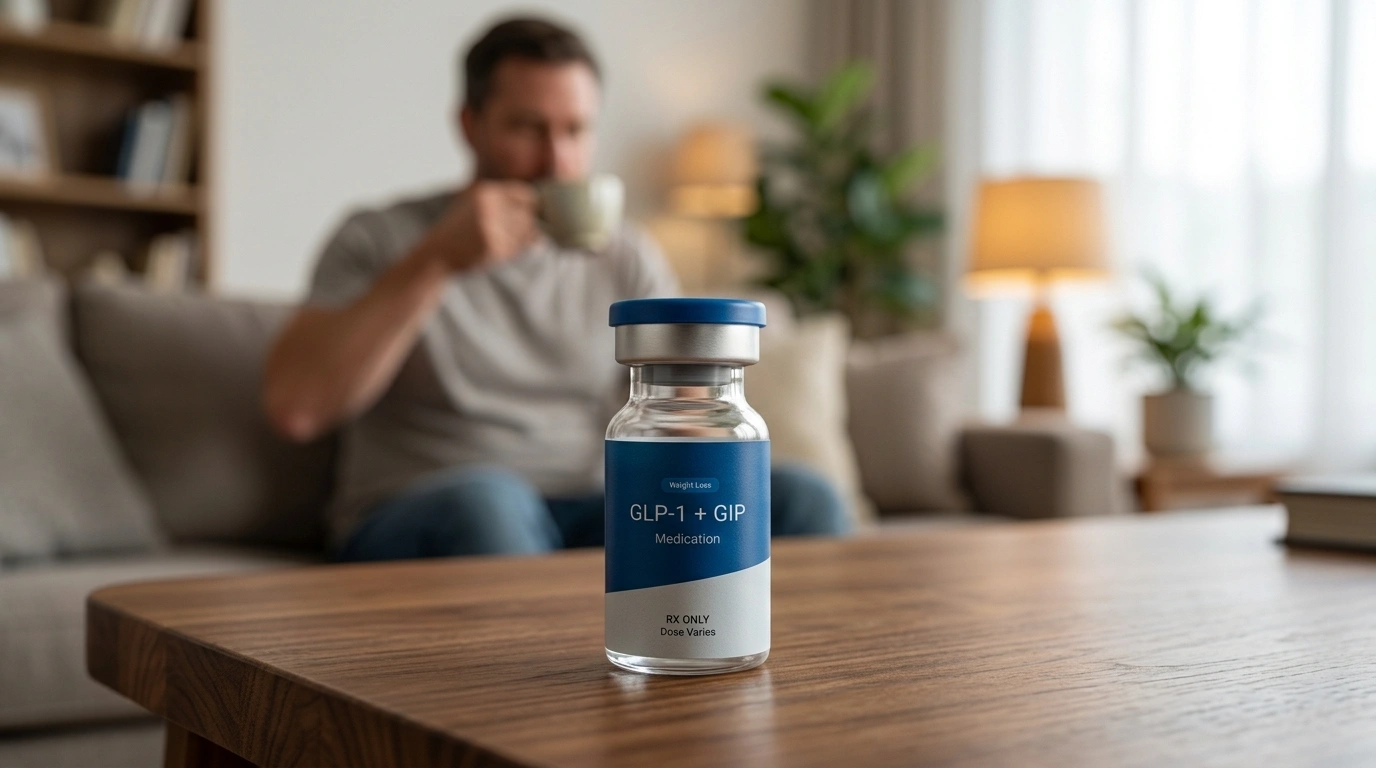
Table of Contents
- Introduction
- The Mechanism of Tirzepatide and Digestion
- Common Culinary Culprits
- Why Certain Foods Trigger a Reaction
- The Role of Portion Size and Eating Speed
- Strategies for Managing Symptoms
- Hydration and Nutrient Support
- How to Prepare for Your Telehealth Consultation
- The TrimRx Approach to Sustainable Weight Loss
- Conclusion
- FAQ
Introduction
Navigating the transition to a dual-agonist medication often involves more than just adjusting to a new weekly routine; it requires a new way of thinking about how your body processes fuel. For many, the weight loss benefits of Zepbound® are significant, yet the journey can be stalled by uncomfortable gastrointestinal issues. At TrimRx, we believe that understanding the relationship between your diet and your medication is the first step toward a more comfortable and sustainable experience.
When your body adapts to tirzepatide—the active ingredient in this medication—your digestive system undergoes a major shift in how it handles specific nutrients. This post will examine what foods cause diarrhea on zepbound, why these reactions happen, and how you can adjust your eating habits to find relief. By identifying common dietary triggers and implementing simple lifestyle changes, you can minimize side effects while focusing on your long-term health goals. If you are considering prescription support, you can complete a free eligibility assessment.
The Mechanism of Tirzepatide and Digestion
To manage side effects effectively, it is helpful to understand how Zepbound works within the body. This medication is a dual GIP (glucose-dependent insulinotropic polypeptide) and GLP-1 (glucagon-like peptide-1) receptor agonist. These are hormones naturally produced by the body that regulate appetite and blood sugar.
Tirzepatide works by mimicking these hormones to slow down gastric emptying, which is the speed at which food leaves your stomach and enters your small intestine. While this process helps you feel fuller for longer periods, it also means that the food you eat stays in your digestive tract for an extended duration.
When digestion is significantly slowed, the presence of certain “heavy” or irritating foods can cause the digestive system to overreact. In some cases, the body may attempt to flush these substances out quickly, leading to diarrhea. This is often a result of the gut’s inability to process high volumes of fat or sugar at the slower pace mandated by the medication.
Quick Answer: High-fat, fried, and heavily processed sugary foods are the most common triggers for diarrhea on Zepbound. These foods are difficult for a slowed digestive system to break down, often leading to irritation and rapid bowel movements.
For additional context, review this guide to GLP-1 medications and bowel changes.
Common Culinary Culprits
While every individual reacts differently to medication, certain food groups are consistently linked to gastrointestinal (GI) distress during treatment. Identifying these triggers early can save you significant discomfort.
High-Fat and Fried Foods
Fried and greasy foods are the primary triggers for diarrhea. Because tirzepatide slows down the stomach, high-fat meals sit in the digestive tract much longer than usual. Fats are already complex for the body to break down; when they linger, they can lead to indigestion, nausea, and osmotic diarrhea. This occurs when excess fat draws water into the intestines, causing loose, frequent stools.
Examples of foods to limit include:
- Fast food burgers and fries
- Deep-fried appetizers
- Heavy cream-based sauces and gravies
- Large amounts of butter or oil in cooking
Highly Processed Sugars
Sugary snacks and beverages can create an “osmotic effect” in the gut. When you consume high amounts of refined sugar, your body may pull water into the colon to dilute the sugar concentration. This process happens more frequently on GLP-1 medications because the sugar is not cleared from the stomach as rapidly as it once was.
Be cautious with:
- Full-sugar sodas and energy drinks
- Candy and heavy desserts
- Sugary breakfast cereals
- Processed fruit juices with added sweeteners
Heavy Dairy Products
Some individuals experience a temporary sensitivity to lactose while on weight loss medication. Even if you have never been lactose intolerant, the slowed transit time of dairy products can lead to fermentation in the gut, resulting in gas, bloating, and diarrhea.
Spicy and Highly Seasoned Foods
Capsaicin, the compound that gives chili peppers their heat, is a known GI irritant. When spicy food remains in the stomach and intestines for an extended period, it can irritate the lining of the digestive tract. For many people, this irritation triggers a “flush” response from the bowels.
For more dietary guidance, explore what not to eat on tirzepatide.
Key Takeaway: The goal is not necessarily to eliminate these foods forever, but to significantly reduce their frequency and portion size, especially during the first few months of treatment or after a dosage increase.
Why Certain Foods Trigger a Reaction
It may feel frustrating that foods you once enjoyed now cause immediate distress. This shift occurs because your “digestive blueprint” has changed. Under normal circumstances, your body might have been able to process a high-fat meal by ramping up digestive enzymes and moving the waste along quickly.
On a dual-agonist medication, your body’s ability to “move things along” is intentionally suppressed. When you combine slow motility (movement) with a food that requires high-intensity digestion, the system becomes overwhelmed.
Dumping syndrome is a term sometimes used to describe the rapid movement of food from the stomach into the small intestine. While tirzepatide is designed to prevent this, the body sometimes rebels against highly irritating substances by trying to expel them as fast as possible, bypassing the normal absorption process and leading to diarrhea.
For a broader explanation, see what causes diarrhea on Zepbound and how to manage it.
The Role of Portion Size and Eating Speed
It is not just what you eat, but how you eat that dictates your digestive comfort. Because your stomach capacity feels smaller on this medication, eating the same portion sizes you were accustomed to before can lead to a “backlog” in the esophagus and stomach.
The Dangers of Overeating
When the stomach is overfilled, the pressure can force food and gastric acid to move in ways that cause discomfort. In some cases, the body responds to this “overcrowding” by inducing diarrhea to clear the lower GI tract and make room.
Eating Too Quickly
Your brain needs time to receive the signals from your gut that you are full. If you eat quickly, you may consume far more than your stomach can comfortably hold before the “fullness” signal registers. This often leads to a “heavy” feeling that eventually results in GI upset.
Bottom line: Smaller, more frequent meals are generally better tolerated than three large meals. Aim to stop eating when you are satisfied, rather than when you feel “full.”
Strategies for Managing Symptoms
If you find yourself struggling with diarrhea, there are several practical steps you can take to calm your digestive system and return to your daily activities.
Implementing the BRAT Diet
When symptoms are acute, many healthcare providers suggest temporarily switching to a “bland” diet. The BRAT acronym stands for:
- Bananas
- Rice (white)
- Applesauce
- Toast
These foods are low in fiber and easy for the digestive system to process. They help “bulk up” the stool and give your gut a chance to rest after an episode of diarrhea.
Gradual Fiber Integration
While fiber is essential for long-term health, a sudden increase in raw vegetables or high-fiber supplements can actually worsen diarrhea in the short term. It is often better to focus on soluble fiber—found in oats and peeled fruits—rather than insoluble fiber found in raw kale or broccoli stalks, which can be more abrasive to an irritated gut.
Monitoring Your Trigger Foods
Keeping a simple food journal for the first few weeks of your program can be incredibly helpful. Note what you ate, the time of day, and any symptoms that followed. You may find that while you can handle a small amount of cheese, a full bowl of pasta with cream sauce is a guaranteed trigger.
For more information about this common side effect, read does tirzepatide cause diarrhea.
Myth: Diarrhea is a sign that the medication is working “extra hard” to burn fat. Fact: Diarrhea is an adverse side effect, usually related to diet or titration. It is not an indicator of how much weight you will lose and should be managed to avoid dehydration.
Hydration and Nutrient Support
Diarrhea can quickly lead to dehydration and a loss of essential minerals known as electrolytes. When you lose fluids through loose stools, you also lose sodium, potassium, and magnesium. This can lead to fatigue, dizziness, and muscle cramps.
The Importance of Electrolytes
Simply drinking plain water may not be enough if you are experiencing frequent diarrhea. Consider adding an electrolyte powder to your water or consuming bone broth to help replenish what your body has lost.
At TrimRx, we recommend being proactive about your nutrient intake. For those on a weight loss journey, our GLP-1 Daily Support supplement is designed to help bridge the nutritional gaps that can occur when your diet is restricted or your digestion is sensitive. Maintaining a balance of vitamins and minerals is crucial for keeping your energy levels high while your body adjusts to the medication.
When to Seek Professional Guidance
While mild diarrhea is a common side effect of GLP-1 and GIP medications, it should not be debilitating. You should consult with a healthcare provider if you experience:
- Severe abdominal pain or cramping
- Signs of dehydration (dark urine, extreme thirst, dizziness)
- Symptoms that last more than a few days without improvement
- High fever or blood in the stool
A licensed provider can help determine if your dosage needs to be adjusted or if there is another underlying cause for your symptoms.
How to Prepare for Your Telehealth Consultation
If you are just starting your journey or looking to switch to a more personalized approach, being prepared for your medical consultation is key. A provider will want to know about your current health status and any history of digestive issues.
Step 1: Complete an Assessment. Use the free assessment quiz to provide your medical history and weight loss goals. Step 2: Track Your Symptoms. Be ready to describe the frequency and severity of any GI issues you are currently facing. Step 3: Discuss Your Diet. Be honest about your current eating habits. This helps the provider give you the most accurate advice for managing side effects. Step 4: Ask About Personalization. Inquire about how a personalized program can adjust to your specific needs, especially if you have a sensitive stomach.
The TrimRx Approach to Sustainable Weight Loss
We believe that weight loss is not a one-size-fits-all experience. Medications like tirzepatide are incredible tools, but they work best when paired with a program that respects your body’s unique needs. Our mission at TrimRx is to provide a telehealth platform that combines clinical expertise with modern technology, ensuring you have the support you need at every stage of your journey.
Our programs offer access to compounded medications prepared by FDA-registered, inspected compounding pharmacies. This allows for a streamlined experience without the need for in-person waiting rooms. By focusing on personalization, we help you navigate side effects like diarrhea with empathy and science-backed guidance.
Conclusion
Managing diarrhea while on Zepbound® is largely a matter of understanding your body’s new “rules” for digestion. By avoiding high-fat, sugary, and spicy triggers, and by focusing on smaller portions and proper hydration, most people can successfully minimize these symptoms.
- Avoid fried, greasy, and heavily processed foods.
- Prioritize smaller, more frequent meals.
- Stay hydrated with electrolytes, especially during flare-ups.
- Track your triggers to identify patterns in your GI health.
Your weight loss journey should be about feeling better, not just seeing a smaller number on the scale. If you are ready to take the next step toward a more comfortable, medically supervised weight loss plan, see if you qualify for a personalized program.
Key Takeaway: Digestive side effects are common but manageable. Adjusting your diet to favor bland, easy-to-digest foods can significantly improve your quality of life while on tirzepatide.
FAQ
Can I eat raw vegetables if I have diarrhea on Zepbound?
While vegetables are healthy, raw and cruciferous varieties like broccoli and cauliflower are high in insoluble fiber, which can be difficult to digest when your gut is irritated. It is often better to eat cooked, peeled vegetables or stick to lower-fiber options until your symptoms resolve.
Is it safe to take over-the-counter anti-diarrheal medication?
Many people find relief with standard over-the-counter medications, but you should always consult your healthcare provider before adding new medications to your regimen. They can ensure that these products will not interfere with your weight loss treatment or mask more serious underlying issues.
Does the diarrhea go away after my body adjusts to the dose?
For many patients, gastrointestinal side effects are most prominent during the first few weeks of treatment or immediately after an increase in dosage. As your body becomes accustomed to the medication, these symptoms often subside, provided you are maintaining a gut-friendly diet.
Why does alcohol cause diarrhea when combined with this medication?
Alcohol can irritate the lining of the stomach and intestines, and like sugar, it can have an osmotic effect that draws water into the gut. Because Zepbound slows down how quickly alcohol is processed, the irritating effects can be prolonged, leading to increased GI distress.
For additional guidance about managing tirzepatide-related diarrhea, review this tirzepatide diarrhea management guide.
Disclaimer: This content is for informational purposes only and does not constitute medical advice. It is not intended to diagnose, treat, cure, or prevent any disease or condition. Individual results may vary. Always consult a qualified healthcare professional before starting any weight loss program or medication.

Transforming Lives, One Step at a Time
Keep reading

Kids’ Birthday Party on Zepbound
If you have young children, birthday parties are a regular part of life: your own child’s, and the steady stream of classmates’ parties most…
Water Aerobics on Zepbound
For people with painful knees, hips, or backs, water aerobics and pool exercise are often the first kind of exercise that feels possible. The…

New Year’s Eve on Zepbound
New Year’s Eve is built around staying up late. There is usually a big dinner or a party spread, drinks through the evening, champagne…


