TrimRx's Blog

What to Do If the Needle Bends on Your Semaglutide Pen
Do not straighten a bent needle and do not reuse it. Remove it carefully using the outer needle cap, drop it in a sharps…

My Zepbound Pen Won’t Click Past a Certain Dose
Start by checking which device you are holding, because the answer depends entirely on that. Zepbound has commonly been supplied in the United States…

What Happens If You Inject Air With Your Semaglutide?
Injecting a small amount of air along with your semaglutide is not dangerous. The scenario people are picturing, an air embolism, requires air introduced…

How to Tell If Your Ozempic Pen Is Empty
The dose counter is your answer, not the liquid you can see through the window. Dial the pen to your prescribed dose. If the…

Why Does My Semaglutide Pen Feel Stuck When I Turn the Dial?
In most cases, a semaglutide pen that will not dial further is telling you it does not have enough medication left for the dose…

What to Do If You Drop Your Ozempic Pen on the Floor
A dropped Ozempic pen is usually still usable, but you should not assume it is. Run four checks before you inject: look for cracks…
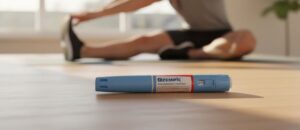
I Didn’t Hear a Click When I Injected My Ozempic Pen
The click is not how you confirm your dose went in. Semaglutide pens produce clicking sounds while you dial and while the plunger moves,…

My Tirzepatide Vial Looks Cloudy. Is It Still Good?
If your tirzepatide vial looks cloudy, do not inject it. Tirzepatide solution should be clear and colorless to slightly yellow, with no visible particles….
Why Is There an Air Bubble in My Semaglutide Pen?
A small air bubble sitting near the top of the cartridge in your semaglutide pen is normal, and in nearly every case it does…


