Should You Take Zepbound at Night?
Introduction
Starting a weight loss journey with a new medication often brings up many practical questions about your daily routine. You might be wondering if the time of day you administer your injection impacts how well it works or how you feel afterward. One of the most common questions we hear is whether you should take your medication before bed. Many people specifically ask: should you take Zepbound® at night? The short answer is yes, you can take this medication at any time of day, regardless of your meal schedule.
At TrimRx, we believe that understanding the nuances of your treatment is essential for long-term success. Whether you are using a branded medication or a compounded alternative through our platform, timing is often a matter of personal preference and lifestyle fit. If you are considering prescription support, you can complete a free eligibility assessment. This article explores the benefits and considerations of nighttime dosing, how to manage potential side effects, and why consistency matters more than the clock. Our goal is to help you navigate your personalized program with confidence and clarity.
Quick Answer: Yes, you can take Zepbound® at night. There is no clinical requirement for morning administration. Many people prefer evening doses to sleep through early side effects like nausea, though consistency in the day of the week is much more important than the specific hour.
Does Injection Timing Actually Matter?
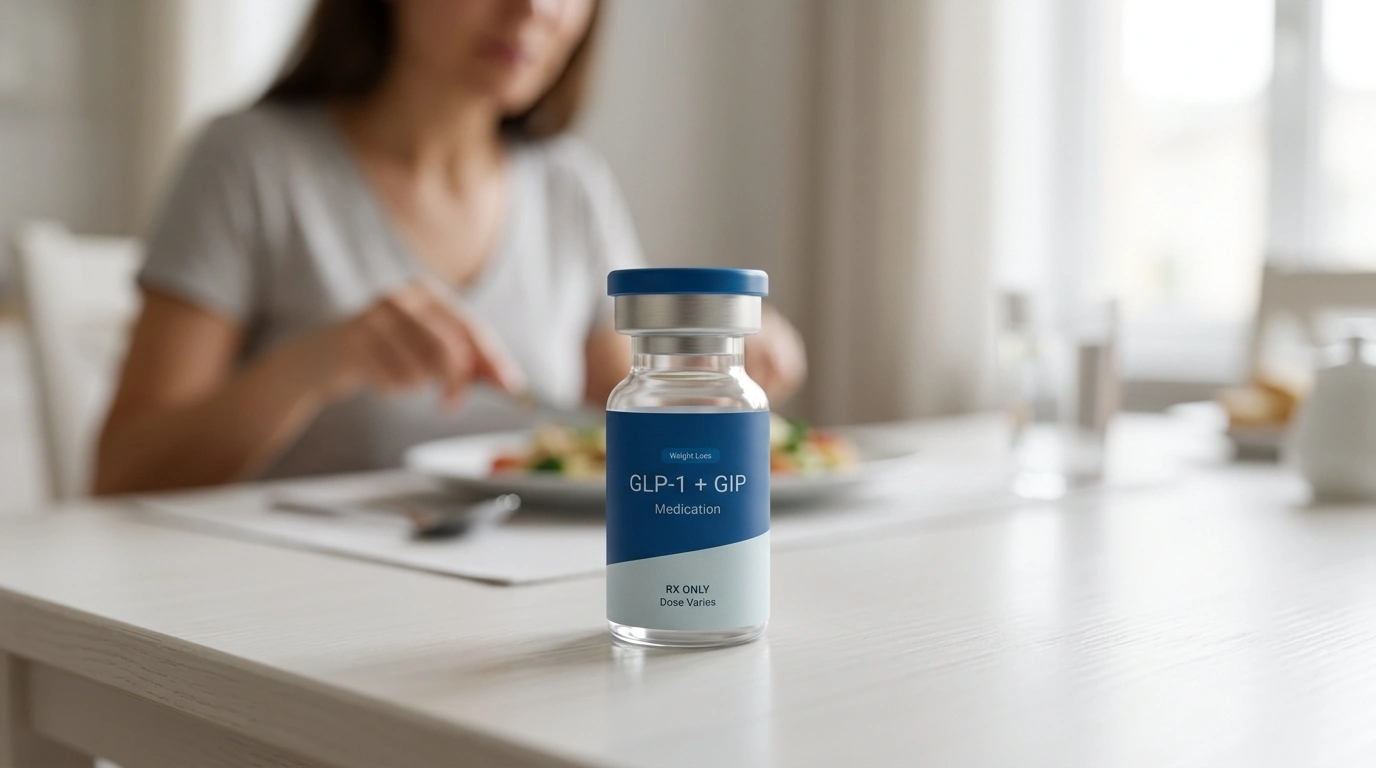
Zepbound® is a brand-name injectable medication containing the active ingredient tirzepatide. Tirzepatide is a dual-receptor agonist. This means it mimics two naturally occurring hormones in your body: glucagon-like peptide-1 (GLP-1) and glucose-dependent insulinotropic polypeptide (GIP). These hormones work together to regulate your appetite, slow down how quickly your stomach empties, and improve how your body handles blood sugar. For additional context, read this guide to tirzepatide timing and nighttime injections.
The medication is designed to be taken once a week. Because it has a long “half-life”—the time it takes for the concentration of the drug in your body to reduce by half—the exact hour you choose is less critical than ensuring you take it on the same day every week. Clinical trials for tirzepatide did not find significant differences in weight loss outcomes based on whether the drug was injected in the morning, afternoon, or evening.
The medication is absorbed slowly into the bloodstream. It reaches its peak concentration anywhere from 8 to 72 hours after the injection. Because the absorption is not immediate, taking it at night will not cause a sudden, overwhelming spike in the medication’s effect while you sleep. For many, the choice to take it at night is based on convenience or a strategy to manage how they feel during the first few hours of a new dose.
Why Many People Choose a Nighttime Routine
While the clinical effectiveness remains the same, many individuals prefer taking their weekly injection in the evening for practical reasons. Everyone reacts differently to medication, but nighttime dosing is a common strategy used to improve the overall experience. You can also compare the considerations in this guide to morning versus evening Zepbound injections.
Sleeping Through Initial Side Effects
The most common reason people choose to take their dose at night is to “sleep through” the onset of early side effects. Some users report feeling mild nausea, a slight headache, or a bit of dizziness a few hours after their injection. By taking the dose before bed, you may be asleep during the window when these initial sensations are most noticeable. This allows your body to begin adjusting to the dose while you are at rest.
Integration Into a Predictable Routine
For many, the evening routine is more predictable than a hectic morning. If your mornings involve rushing to work, managing a commute, or getting children ready for school, you might be more likely to forget your dose or feel rushed during the injection process. Integrating the injection into your bedtime ritual can make it easier to remember. It also ensures you are in a calm, private environment when you administer the medication.
Managing Daytime Fatigue
Fatigue is a reported side effect for some individuals using GLP-1 or GIP medications. If you find that the injection makes you feel slightly tired or sluggish, taking it at night allows you to rest immediately. This can prevent the medication from interfering with your focus or energy levels during a busy workday.
Key Takeaway: Nighttime dosing is a popular strategy to minimize the impact of nausea and fatigue. However, the best time to take your dose is the time that ensures you never miss a weekly treatment.
Addressing the Question of Zepbound and Insomnia
While many people take the medication at night to avoid nausea, some users have expressed concerns about “Zepbound insomnia.” It is important to look at what the research actually says versus anecdotal reports. For more on this topic, explore how nighttime Zepbound dosing may affect sleep.
What the Clinical Data Shows
In the primary clinical trials for tirzepatide, insomnia was not listed as a common or primary side effect. In fact, many participants reported the opposite effect: increased sleepiness or fatigue. However, as these medications have become more widely used, some individuals have reported difficulty falling or staying asleep on the night of their injection.
Indirect Causes of Sleep Disturbance
If you find yourself tossing and turning after a nighttime dose, it may not be the medication itself causing the wakefulness. Several indirect factors could be at play:
- Gastrointestinal Discomfort: If the medication causes even mild indigestion, acid reflux, or bloating, it can be difficult to get comfortable enough to sleep deeply.
- Blood Sugar Fluctuations: While the medication helps stabilize blood sugar, significant shifts in your metabolic state can sometimes trigger a stress response in the body, leading to alertness.
- Hormonal Changes: As your body adjusts to changes in leptin (the fullness hormone) and ghrelin (the hunger hormone), your natural circadian rhythms may shift slightly.
Myth: Taking Zepbound® at night will automatically cause insomnia. Fact: Insomnia is not a common side effect in clinical trials. Most sleep disturbances are indirect results of nausea or indigestion, which can often be managed with dietary adjustments.
Managing Gastrointestinal Side Effects After Dark
The most frequent side effects associated with tirzepatide are gastrointestinal. These include nausea, diarrhea, vomiting, constipation, and abdominal pain. If you choose to take your medication at night, you should take specific steps to ensure these symptoms don’t disrupt your rest. This related guide covers tirzepatide side effects and management strategies.
Watch Your Last Meal
Because the medication slows down gastric emptying—which means food stays in your stomach longer—what you eat for dinner on “injection night” matters. If you eat a large, heavy, or greasy meal and then take your injection and go to bed, you are more likely to experience acid reflux or significant nausea.
Focus on Light, Protein-Rich Foods
To support your body’s transition, try to have a lighter dinner on the night of your injection. Focus on lean proteins and easy-to-digest vegetables. Avoid highly processed sugars and fried foods, as these are the most common triggers for digestive upset when taking GLP-1 medications.
The Role of Hydration
Dehydration can significantly worsen nausea and headaches. Make sure you are drinking plenty of water throughout the day leading up to your evening dose. Some people find that sipping an electrolyte drink in the evening helps them feel more balanced and reduces the likelihood of a “medication headache” the following morning.
To further support your body through these transitions, you might consider our Weight Loss Boost supplement. It is designed to complement our personalized programs by providing extra nutritional support that can help manage energy levels as your body adapts to a new metabolic pace.
How to Choose the Best Time for Your Schedule
Choosing the right time for your injection is a personal decision. It may take one or two weeks of experimentation to find the “sweet spot” for your body. For another perspective, review this article on the best time of day to inject Zepbound.
Step 1: Evaluate Your Typical Reaction
If you are just starting your program, you might try your first dose on a day when you do not have major commitments the next morning, such as a Friday or Saturday. This allows you to observe how your body reacts without the pressure of a workday.
Step 2: Consider Your Daily Energy Peaks
If you are a morning person who hits a wall in the afternoon, a morning injection might worsen that afternoon slump. Conversely, if you struggle with evening cravings, a morning dose might provide better appetite suppression during your “danger zone” hours.
Step 3: Prioritize Consistency
Pick a day and a general time block—like Sunday evening—and stick to it. Consistency helps maintain a steady level of the medication in your system. This reduces the “peaks and valleys” that can lead to more intense side effects.
Comparison: Morning vs. Evening Dosing
| Feature | Morning Dosing | Evening Dosing |
|---|---|---|
| Primary Benefit | Maximum appetite suppression during the day | Potential to sleep through initial nausea |
| Primary Risk | Fatigue or nausea during work hours | Potential for indigestion or vivid dreams |
| Best For | People with evening cravings | People sensitive to early side effects |
| Consistency | Easy to remember with breakfast | Easy to remember with bedtime routine |
What to Do if You Miss Your Nighttime Dose
Even with the best routine, life can get in the way. If you miss your scheduled nighttime dose, don’t panic. The general guidance for tirzepatide is as follows:
- The 4-Day Rule: If it has been 4 days (96 hours) or less since your missed dose, take it as soon as you remember. You can then continue with your next dose on your usual scheduled day.
- The Skip Rule: If more than 4 days have passed, skip the missed dose entirely. Wait and take your next dose on your usual scheduled day.
- Never Double Up: Do not take two doses at the same time to “catch up.” This significantly increases the risk of severe gastrointestinal side effects.
If you are ever unsure about how to handle a missed dose, we recommend reaching out to a licensed healthcare provider. Our platform connects you with specialists who can provide guidance tailored to your specific health profile and dosage. To see whether a personalized program may fit your needs, take the free assessment quiz.
Optimizing Your Weight Loss Journey
Taking your medication at the right time is just one piece of the puzzle. Sustainable weight loss is about the harmony between medication, nutrition, and lifestyle. At TrimRx, we focus on a comprehensive approach.
While medications like Zepbound® or compounded tirzepatide are powerful tools, they work best when supported by a healthy foundation. This includes:
- Adequate Protein Intake: To protect lean muscle mass while losing fat.
- Daily Movement: To support cardiovascular health and metabolic rate.
- Quality Sleep: Which is essential for hormone regulation and recovery.
Our GLP-1 Daily Support supplement is specifically formulated to help bridge the nutritional gaps that can occur when your appetite is significantly reduced. It ensures you are getting essential nutrients even on days when you aren’t feeling very hungry.
Bottom line: Whether you choose morning or night, the most effective time to take your medication is the time that allows you to be 100% consistent with your weekly schedule.
Conclusion: A Personalized Path Forward
Deciding whether you should take Zepbound® at night comes down to how your body responds to the medication and what fits your lifestyle. For many, the ability to sleep through early side effects makes an evening dose the clear winner. For others, the structure of a morning routine is the key to consistency. Neither choice is scientifically “better” in terms of weight loss outcomes; the goal is to make the process as comfortable and sustainable as possible for you.
We are committed to helping you navigate these choices. Our mission is to provide more than just access to medication; we offer a supportive, telehealth-based environment where science and empathy meet. By merging clinical expertise with modern technology, we help you embrace a healthier lifestyle through a transparent and personalized approach.
If you are ready to take the next step in your weight loss journey, we invite you to take our free assessment quiz. This is the first step toward a personalized treatment program designed specifically for your health goals and medical history.
FAQ
Can taking Zepbound at night help with nausea?
Many users find that taking their injection shortly before bed allows them to sleep through the initial peak of side effects, which typically occur a few hours after administration. If you experience mild nausea, being asleep during this window may improve your overall experience. However, it is important not to eat a large or greasy meal right before the injection, as this can increase the risk of nighttime acid reflux.
Will taking my injection at night affect how much weight I lose?
No, the time of day you administer the injection does not impact the medication’s effectiveness for weight loss. Clinical studies have shown that the active ingredient, tirzepatide, works consistently regardless of when it is injected. The most important factor for success is taking the medication once every seven days as prescribed by your healthcare provider.
Is it okay to change from morning to night dosing?
Yes, you can shift your dosing time as long as you maintain the same day of the week for your injection. If you want to move your dose from Monday morning to Monday night, you can do so safely. If you need to change the actual day of the week, it is best to consult with your healthcare provider to ensure you are maintaining the appropriate gap between doses.
What should I do if I can’t sleep after a nighttime dose?
If you experience “Zepbound insomnia” or restlessness, try moving your next dose to the morning or afternoon. Some people are more sensitive to the metabolic changes the medication triggers, which can cause a feeling of alertness. Additionally, ensuring you stay hydrated and avoid caffeine late in the day can help improve your sleep quality on injection night.
Disclaimer: This content is for informational purposes only and does not constitute medical advice. It is not intended to diagnose, treat, cure, or prevent any disease or condition. Individual results may vary. Always consult a qualified healthcare professional before starting any weight loss program or medication.

Transforming Lives, One Step at a Time
Keep reading

Why Is There a Bruise Where I Injected My Zepbound?
A bruise means a small blood vessel was disturbed under the skin and blood spread into the surrounding tissue. It is one of the…

My Zepbound Pen Won’t Click Past a Certain Dose
Start by checking which device you are holding, because the answer depends entirely on that. Zepbound has commonly been supplied in the United States…

Zepbound Alternatives: Your Options Compared
If Zepbound isn’t the right fit, the main alternative is semaglutide (sold as Wegovy), which produces slightly less weight loss but works similarly, along…


