Zepbound Dosing for Weight Loss Beginners

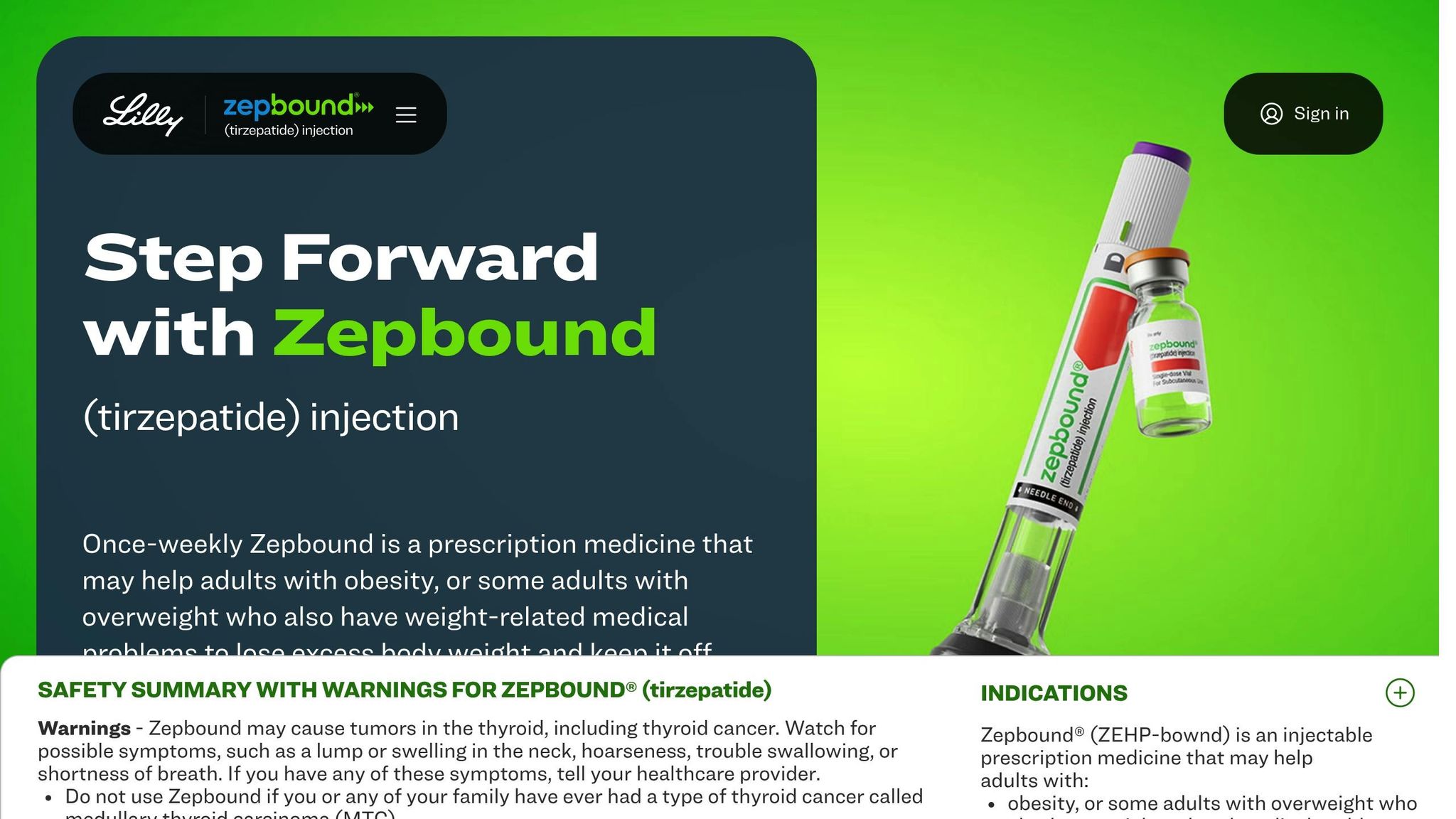
Zepbound is a once-weekly injectable medication containing tirzepatide, approved by the FDA to help with weight loss. It works by targeting hormones GIP and GLP-1 to reduce appetite, slow digestion, and improve energy use. Starting with a low dose of 2.5 mg, the treatment gradually increases every four weeks to minimize side effects like nausea and diarrhea. The goal is to achieve sustainable weight loss, with clinical trials showing significant results, including up to 22.5% body weight reduction on higher doses over 72 weeks.
Key Points:
- Eligibility: BMI ≥30 or BMI ≥27 with a weight-related condition (e.g., high blood pressure, type 2 diabetes).
- Starting Dose: 2.5 mg for four weeks, increasing gradually to a maximum of 15 mg.
- Side Effects: Common issues include nausea, diarrhea, and constipation, which usually improve over time.
- Monitoring: Regular weight tracking and health checks are critical, with a goal of at least 5% weight loss in the first three months.
- Lifestyle Changes: Pair Zepbound with a reduced-calorie diet and strength training for optimal results.
For best outcomes, work closely with a healthcare provider to tailor the dosing schedule and address any side effects or concerns.
Zepbound Dosing: The Ultimate Step-By-Step Guide For Sustainable Weight Loss.
Before You Start Zepbound
Before beginning Zepbound injections, it’s crucial to take a few important steps. These checks not only safeguard your health but also help you achieve the best possible results.
Medical Eligibility Check
Your healthcare provider will assess your medical history to determine if Zepbound is right for you. This step is essential, as certain conditions make the medication unsafe.
To qualify, you need a BMI of 30 kg/m² or higher, or a BMI of 27 kg/m² or higher with at least one weight-related condition, such as high blood pressure or type 2 diabetes. Your doctor will also check for contraindications, including a personal or family history of thyroid cancer (specifically Medullary Thyroid Carcinoma) or Multiple Endocrine Neoplasia syndrome type 2 (MEN 2).
"ZEPBOUND is contraindicated in patients with a personal or family history of MTC or in patients with Multiple Endocrine Neoplasia syndrome type 2 (MEN 2)." – Eli Lilly and Company
Other conditions like severe gastrointestinal disorders (e.g., gastroparesis, pancreatitis, or gallbladder disease) and kidney issues will also be reviewed, as Zepbound can worsen these problems or cause dehydration-related kidney injury. Additionally, your mental health history is important, as weight management medications may be linked to suicidal thoughts. Be sure to inform your doctor if you’re pregnant, planning to become pregnant, breastfeeding, or have surgeries requiring anesthesia on the horizon.
Medication interactions are another critical consideration. If you’re taking insulin or drugs like sulfonylureas (e.g., glipizide), you could face an increased risk of severe hypoglycemia. Clinical trials found that 10.3% of Zepbound users on sulfonylureas experienced low blood sugar, compared to 2.1% of those not taking them. Women using oral contraceptives should switch to a non-oral method or add barrier protection for four weeks after starting Zepbound or increasing the dose, as the medication can affect how well birth control pills work.
"Zepbound delays gastric emptying and has the potential to impact the absorption of concomitantly administered oral medications." – Eli Lilly and Company
Once your medical eligibility is confirmed, it’s time to establish your baseline health metrics.
Initial Health Measurements
Tracking your baseline health metrics before starting Zepbound helps you monitor progress and detect any potential side effects early. At your first consultation, your healthcare provider will record key measurements like your weight, blood pressure, and heart rate.
Lab tests provide additional safety insights. Blood work will likely include tests for kidney function (creatinine levels) and possibly markers of liver and pancreas health. If you have type 2 diabetes, blood sugar monitoring will be especially important to adjust medications and avoid dangerous drops in glucose levels.
Your mental health may also be assessed, particularly if you have a history of depression or suicidal thoughts. This baseline information helps your provider track any changes during treatment.
Setting Weight Loss Goals
Establishing realistic weight loss goals is essential for staying motivated without setting yourself up for frustration. Doctors typically aim for at least a 5% weight loss within the first three months of treatment.
"Typically, when starting an obesity management medication physicians look for at least 5% weight loss after 3 months on the medication. If you have not reached this benchmark, Zepbound may not be the right medication for you." – Florencia Halperin, MD, Chief Medical Officer at Form Health
Focus on sustainable weight loss, not just the number on the scale. Rapid weight loss without proper nutrition and strength training can lead to a loss of lean muscle mass rather than fat.
"Failure to eat healthy will lead to a loss of lean muscle mass, which can result in a disappointing weight loss journey. Although the scale will go down, if much of the weight loss will be that of lean mass, unfortunately, it will leave a significant amount of fatty tissue in place." – Dr. Michael Chichak, MD
To support your progress, start incorporating at least two 60-minute strength training sessions per week and adopt a reduced-calorie diet before your first injection. Zepbound works in tandem with these lifestyle changes – it’s not a standalone solution. Appetite suppression may begin within the first week, with noticeable hunger reduction typically occurring between weeks 3 and 8, making it easier to stick to healthier eating habits.
For additional support, TrimRX provides personalized consultations and ongoing guidance to help you navigate your weight loss journey with Zepbound. Setting clear goals now ensures you can make informed adjustments to your treatment plan as needed.
Zepbound Dosing Schedule for Beginners
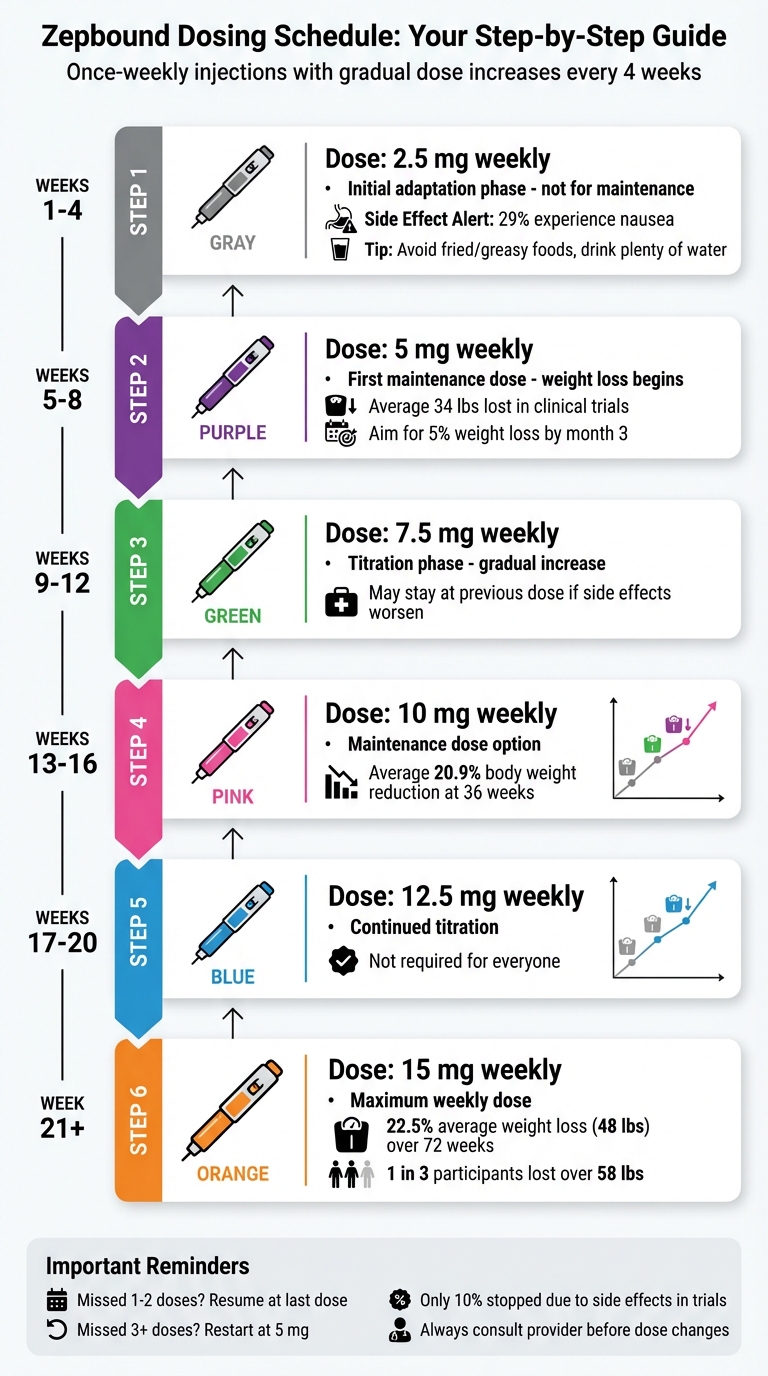
Zepbound Dosing Schedule: 6-Step Titration Guide from 2.5mg to 15mg
Once you’ve established your starting measurements and set your goals, you can begin following this step-by-step dosing schedule to safely start and adjust your Zepbound treatment. Zepbound is a once-weekly injection, with doses increasing every four weeks depending on your progress and how well you tolerate the medication.
Weeks 1-4: 2.5 mg Weekly Dose
Weeks 1-4: Start with a 2.5 mg dose each week (gray label) to help your body adjust. This is an introductory dose, not intended for long-term maintenance. When using the prefilled pen, press and hold the purple button for 10 seconds – listen for the first click to indicate the start and a second click to confirm the injection is complete. You can inject into your abdomen, thigh, or the back of your upper arm (if assisted). Be sure to rotate injection sites to minimize irritation.
To ease early side effects like nausea, which affects about 29% of patients during this phase, avoid fried, greasy, or sugary foods, drink plenty of water, and eat smaller, more frequent meals. Store your pens in the refrigerator (36°F to 46°F). If you’re traveling, they can be kept at room temperature (up to 86°F) for up to 21 days.
Weeks 5-8: 5 mg Weekly Dose
Weeks 5-8: Increase your dose to 5 mg weekly (purple label), marking the start of the maintenance phase and the beginning of noticeable weight loss. Clinical studies show that patients on this dose lost an average of 34 pounds over the trial period.
Track your weight and any side effects weekly. Typically, doctors aim for at least a 5% weight reduction after three months to evaluate if Zepbound is effective for you. For consistent results, weigh yourself at the same time each week, ideally in the morning before eating.
If side effects such as nausea or diarrhea worsen, consult your healthcare provider. They may recommend staying at the 5 mg dose for longer than four weeks to allow your body more time to adjust. It’s worth noting that only about 10% of clinical trial participants stopped Zepbound due to side effects, and most symptoms tend to improve over time.
Weeks 9+: Doses from 7.5 mg to 15 mg
Weeks 9+: Gradually increase your dose by 2.5 mg every four weeks, starting at 7.5 mg (green label) and going up to a maximum of 15 mg (orange label), depending on your target dose and tolerance. While higher doses are linked to greater weight loss, they are not required for everyone. In the SURMOUNT-1 clinical trial, patients on the 15 mg dose lost an average of 22.5% of their body weight – about 48 pounds – over 72 weeks. One in three participants lost over 58 pounds. However, many people see excellent results with lower doses and fewer side effects.
"On average, higher doses are associated with greater weight loss, but many patients achieve significant results with lower doses. If a higher dose causes intolerable side effects, then it makes sense to stay at a lower, better-tolerated dose." – Linda Huynh, MD, Internist
Your healthcare provider will decide the best dose for you based on your weight loss progress and how your body reacts to each increase. If you miss 1–2 doses, resume at your last dose. However, if you miss 3 or more doses, restart the titration process at 5 mg.
Here’s a quick reference guide for the dosing schedule:
| Weeks | Weekly Dose | Label Color | Purpose |
|---|---|---|---|
| 1-4 | 2.5 mg | Gray | Initial adaptation (not for maintenance) |
| 5-8 | 5 mg | Purple | First maintenance dose |
| 9-12 | 7.5 mg | Green | Titration |
| 13-16 | 10 mg | Pink | Maintenance dose |
| 17-20 | 12.5 mg | Blue | Titration |
| 21+ | 15 mg | Orange | Maximum weekly dose |
sbb-itb-e2779c3
Managing Side Effects
Experiencing side effects is fairly common during the first month of treatment or after increasing your dosage. While most of these symptoms are temporary, it’s important to understand which ones might need medical attention. Here’s a quick guide to some of the more common side effects and how to handle them.
Common Side Effects and How to Manage Them
Nausea is the most frequently reported side effect, affecting about 25% of patients on a 5 mg dose and up to 28% on a 15 mg dose. This happens because Zepbound slows down how quickly your stomach empties, which can trigger nausea. To help manage it, try eating 4 to 6 smaller meals throughout the day instead of three large ones. Stick to bland, easy-to-digest foods like toast, crackers, or bananas. Avoid greasy, spicy, or fried foods, as they can make nausea worse. Sipping on ginger or peppermint tea may also help calm your stomach.
Diarrhea and constipation are also fairly common. Diarrhea affects 19% to 23% of users, depending on the dose, while constipation impacts 11% to 17%. If you’re dealing with diarrhea, stay hydrated by drinking water or electrolyte drinks and choose low-fiber foods. On the other hand, if constipation is the issue, increase your fiber intake, drink 8–10 glasses of water daily, and try to stay active. Other mild side effects include vomiting, indigestion, and fatigue. For indigestion, eat slowly and avoid carbonated beverages. If you feel dizzy, ensure you’re staying hydrated and avoid getting up too quickly from a seated or lying position.
Injection site reactions are reported in 6% to 8% of patients. To reduce irritation, rotate your injection sites – such as the abdomen, thigh, or upper arm – each week. Let the injection pen sit at room temperature for 15–30 minutes before use to minimize stinging, and apply a cool compress afterward if you experience redness or itching.
Symptoms That Require Medical Attention
While most side effects are manageable, some symptoms should not be ignored. Contact your healthcare provider immediately if you experience severe, persistent abdominal pain that radiates to your back, as this could be a sign of pancreatitis. Similarly, upper right stomach pain, fever, or yellowing of your skin or eyes (jaundice) may indicate gallbladder issues.
"Stop using Zepbound and call your healthcare provider right away if you have severe pain in your stomach area (abdomen) that will not go away, with or without vomiting. You may feel the pain from your abdomen to your back." – Eli Lilly and Company
Be vigilant for signs of severe allergic reactions, such as swelling of the face, lips, or throat, difficulty breathing, or a severe rash. If you’re also taking insulin or other diabetes medications, watch for symptoms of low blood sugar, including shakiness, sweating, confusion, or a rapid heartbeat. Severe vomiting or diarrhea can lead to dehydration and kidney problems – call your provider if you notice dark urine, reduced urination, or swelling in your legs or ankles.
Zepbound includes a boxed warning about thyroid tumors. If you notice a lump or swelling in your neck, persistent hoarseness, difficulty swallowing, or shortness of breath, report these symptoms immediately. Zepbound is not suitable for individuals with a personal or family history of Medullary Thyroid Carcinoma (MTC) or Multiple Endocrine Neoplasia syndrome type 2 (MEN 2). Lastly, if you have a history of depression, monitor for any changes in mood or behavior. Worsening depression or suicidal thoughts should prompt immediate contact with your healthcare provider.
Tracking Progress and Adjusting Doses
Measuring Weight Loss and Health Markers
To track your progress accurately, weigh yourself monthly in the morning before eating or drinking. A common clinical goal is achieving at least 5% weight loss within the first 3 months of starting the medication. Clinical trials show that individuals with obesity lost an average of 20.9% of their starting weight after 36 weeks on 10 mg or 15 mg doses.
But weight isn’t the only marker to watch. Regularly check other health indicators like blood pressure, cholesterol, and blood sugar levels. These often improve alongside weight loss and give a more complete picture of how Zepbound is working for you. Keeping a simple log of your weight, how you feel, and any side effects can be incredibly helpful. This information allows your provider to make better decisions about your treatment plan, including when a dosage adjustment might be needed.
When to Change Your Dose
Never increase your dose without your provider’s approval. If your weight loss slows but you’re tolerating the current dose well, your provider might suggest an increase. On the other hand, if side effects worsen, it’s usually best to stick with your current dose. Dr. Rekha Kumar, an Obesity Medicine Specialist, shares:
"Often, we just stay at the dose your body tolerates best. You can still see meaningful results there. It’s more about finding the right dose for you rather than pushing to the top just because it exists."
Similarly, Dr. Linda Huynh, an Internist, emphasizes:
"If a higher dose causes intolerable side effects, then it makes sense to stay at a lower, better-tolerated dose. It’s important for patients to know that lower doses can still be effective in supporting weight loss."
The goal is finding the balance that works for you. Personalized guidance is key during these adjustments.
Getting Support Through TrimRX
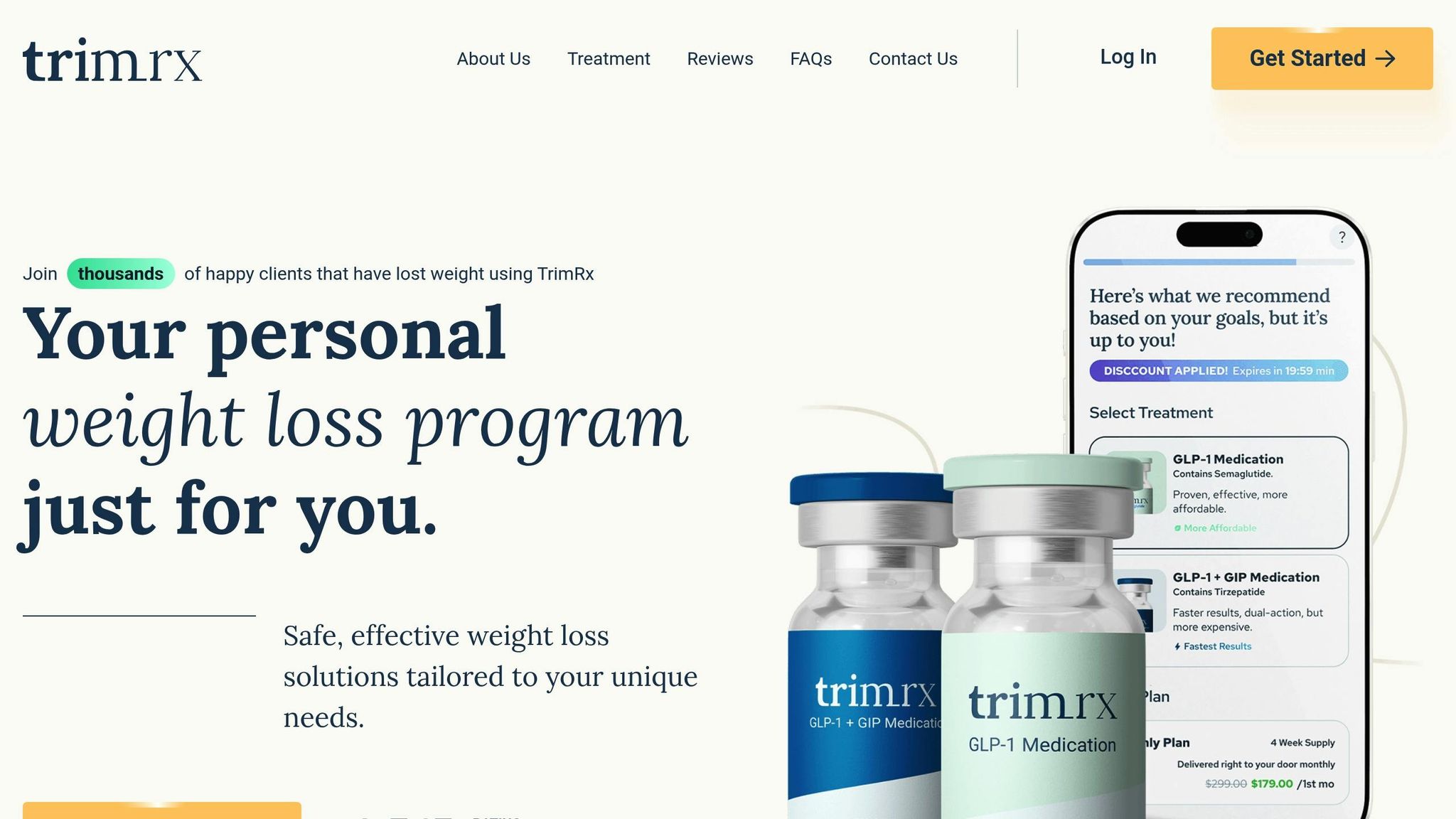
TrimRX offers tailored weight loss programs with Zepbound starting at $1,249, including personalized dosing plans, expert medical consultations, and unlimited ongoing support. This ensures you’re never handling dose adjustments on your own. The program also provides free medication delivery, eliminating the need for pharmacy trips or dealing with insurance issues.
Unlimited check-ins are especially helpful during the early months as you learn how your body responds to Zepbound. Whether you need advice on managing side effects, deciding when to adjust your dose, or optimizing your nutrition for better results, TrimRX’s medical team is there to guide you every step of the way.
Conclusion
Starting Zepbound requires a well-planned and patient approach. A four-week titration period helps your body gradually adjust, ensuring you find the lowest effective dose while minimizing side effects. This step-by-step process aligns with the detailed guidance provided earlier.
However, medication alone isn’t enough. Achieving success means pairing weekly injections with a reduced-calorie diet and incorporating two 60-minute strength training sessions each week to maintain muscle mass. Regular monitoring of your weight and overall well-being – ideally on a monthly basis – is essential. A 5% weight loss within the first three months is often a good indicator that the treatment is working.
It’s important to avoid making dose adjustments on your own. As Dr. Florencia Halperin, Chief Medical Officer at Form Health, advises:
"Working closely with your medical provider is the best way to determine if medication is a good option, as well as which medication may be right for you."
Personalized dosing is a cornerstone of effective treatment.
For those seeking extra guidance, TrimRX offers a program with unlimited check-ins and ongoing medical support. This ensures you’re not left to navigate dose adjustments, side effects, or weight loss challenges on your own. With expert support and free delivery, you’ll have everything you need to customize Zepbound to your specific needs.
Long-term weight loss success comes down to finding the right dose and staying consistent, all while working closely with a healthcare professional.
FAQs
Can Zepbound affect other medications like insulin or birth control?
While the prescribing information for Zepbound doesn’t mention any interactions with medications like insulin or oral contraceptives, it’s always a good idea to talk with your healthcare provider. Sharing details about your medications and health conditions helps them offer tailored advice, ensuring your treatment is both safe and effective.
What should I do if I have serious side effects while taking Zepbound?
If you notice serious side effects while taking Zepbound, it’s crucial to act quickly to protect your health. Stop using the medication immediately and contact your healthcare provider – whether that’s your doctor, nurse practitioner, or TrimRX’s medical team. For life-threatening symptoms like severe abdominal pain, trouble breathing, swelling of the face or throat, or chest pain, call 911 or head to the nearest emergency room without delay.
Make sure to document the details of the incident. Note the date, time, dosage, symptoms, and any other medications you were taking at the time. Share this information with your healthcare provider to help determine the best course of action, which might include adjusting your dosage or stopping Zepbound altogether. Additionally, consider reporting the reaction to the FDA’s MedWatch program to contribute to ongoing safety monitoring of the medication.
What steps should I follow to make Zepbound effective for weight loss?
To get the most out of Zepbound, it’s essential to stick to a clear plan that includes the right dosage, healthy lifestyle changes, and regular check-ins with your healthcare provider.
Begin with the recommended starting dose of 2.5 mg, injected subcutaneously once a week. Your provider may advise gradually increasing this dose every four weeks, up to a maximum of 15 mg. For the best results, combine the medication with a reduced-calorie diet and aim for at least 150 minutes of moderate exercise per week, such as walking or cycling. Make it a habit to weigh yourself weekly and keep an eye out for any side effects, like nausea or thyroid-related issues. Regular follow-ups every 4–8 weeks will help fine-tune your plan as needed.
Consistency matters. Stick to a routine by administering your injections on the same day each week. For added support, you might explore programs like TrimRX, which offer personalized weight-loss plans, prescriptions, and ongoing motivation. Following these steps can help you stay focused and achieve your weight-loss goals effectively.
Related Blog Posts

Transforming Lives, One Step at a Time
Keep reading

How to Adjust Weight Loss Goals on GLP-1 Medications
Adjust weight goals on GLP-1 meds by tracking body composition and labs, optimizing protein, activity, sleep, and working with your provider on dosing.
Falsified Mounjaro pens prompt urgent safety advisory
MHRA warns of counterfeit Mounjaro pens (batch D873576); stop use and check batch numbers for infection risk.

Novo Nordisk shares drop as Alzheimer’s hopes for weight-loss drug fade
Novo Nordisk’s semaglutide failed to slow Alzheimer’s in large trials, prompting shares to fall and expert reactions.


