Zepbound Dosing Schedule: Step-by-Step Guide
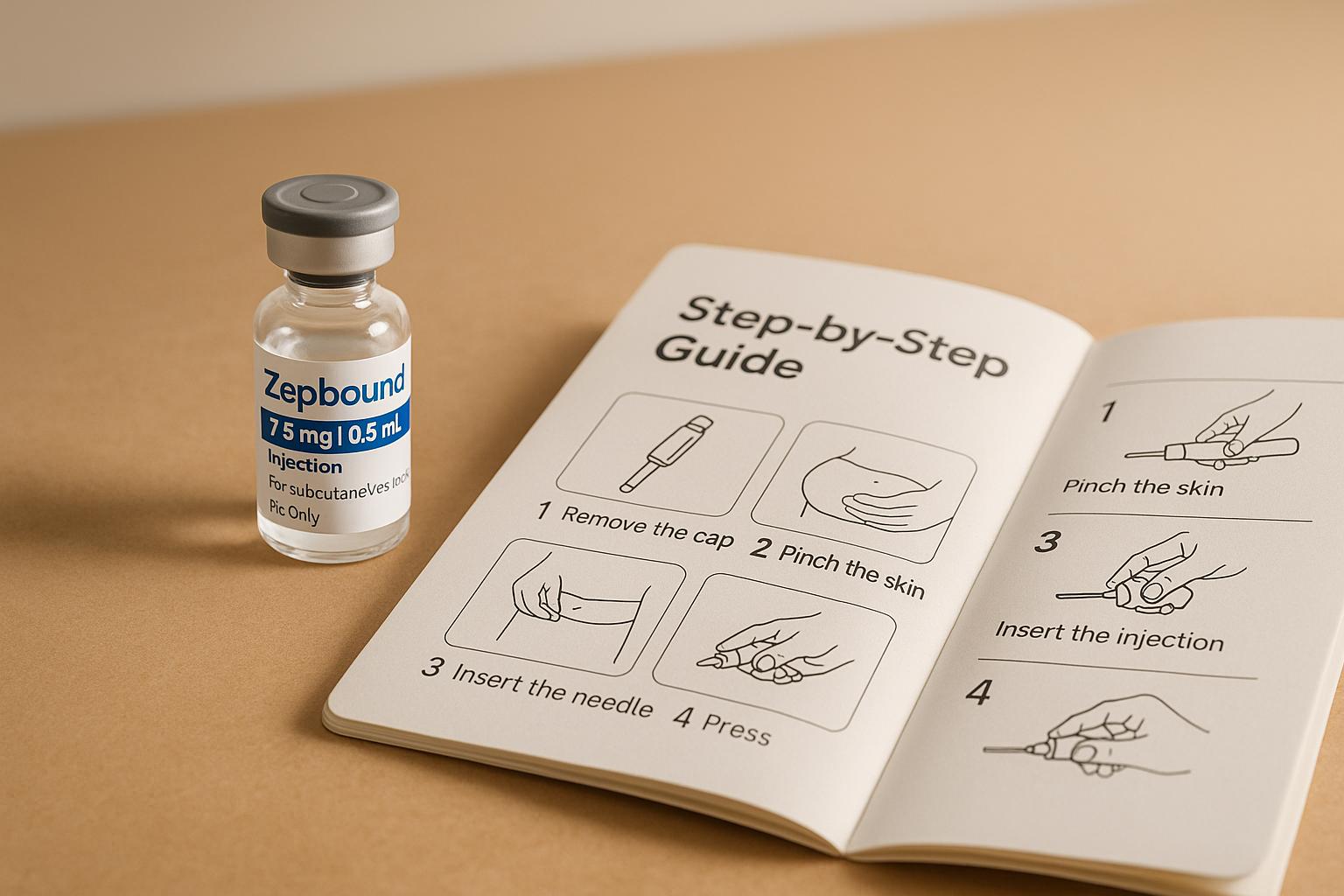
Zepbound is a once-weekly injectable medication designed to help adults with obesity or weight-related health conditions lose weight. Its active ingredient, tirzepatide, works by reducing hunger, slowing digestion, and promoting feelings of fullness. Combined with a low-calorie diet and regular exercise, Zepbound has shown weight loss results of 15% to 22% over 72 weeks. Here’s how to follow the dosing schedule:
- Weeks 1–4: Start with 2.5 mg weekly to allow your body to adjust and minimize side effects.
- Week 5+: Gradually increase by 2.5 mg every 4 weeks, as tolerated, up to a maximum of 15 mg weekly.
- Maintenance Dose: Your final dose (5 mg, 10 mg, or 15 mg weekly) will be tailored to your progress and tolerance.
Stick to the same injection day each week, rotate injection sites, and store the medication in the refrigerator. Track your weight weekly and share updates with your healthcare provider to adjust your dose as needed. If you miss a dose, take it within 4 days or skip it and continue your regular schedule.
For best results, Zepbound should be paired with a structured diet and exercise plan, like those offered by programs such as TrimRX, which provide personalized support throughout your treatment.
Zepbound Dosing: The Ultimate Step-By-Step Guide For Sustainable Weight Loss.
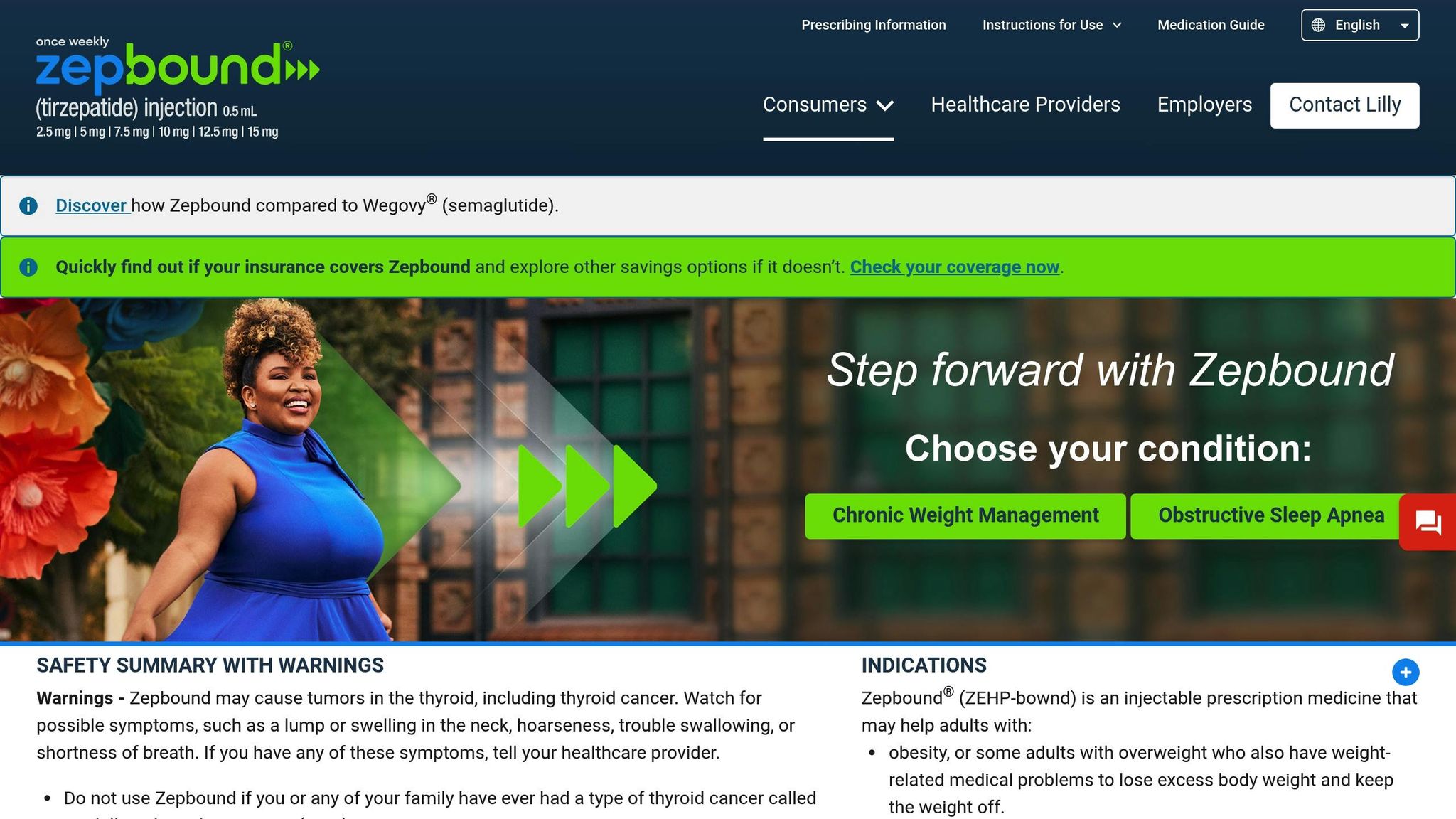
Zepbound Dosing Schedule Steps
The Zepbound dosing schedule follows a gradual approach, helping your body adjust and reducing the likelihood of side effects.
Starting Dose: Weeks 1-4
Begin with 2.5 mg weekly for the first four weeks. This introductory dose helps your body ease into treatment and minimizes common digestive side effects like nausea or diarrhea. These initial weeks are essential for your body to adapt to the medication, setting the stage for higher doses later on.
To stay consistent, administer your injection on the same day each week, choosing a time that works best for you. You can take the injection with or without food. To avoid irritation, rotate injection sites between the thigh, abdomen, or upper arm.
| Treatment Week | Recommended Zepbound Dosage |
|---|---|
| Weeks 1–4 | 2.5 mg once weekly |
| Week 5+ | Increase by 2.5 mg increments every 4 weeks |
Once your body adjusts, it’s time to gradually increase your dose.
Increasing Your Dose: Week 5 and After
Starting in Week 5, increase your dose to 5 mg weekly, then continue raising it by 2.5 mg every 4 weeks as tolerated. This gradual increase helps your body adapt and reduces the risk of gastrointestinal side effects that can occur with faster dose escalations.
The maximum recommended dose is 15 mg once weekly, but not everyone needs to reach this level. Many patients find excellent results with doses of 5 mg or 10 mg weekly. Your healthcare provider will monitor your progress, tolerance, and any side effects to guide the dose adjustments. If side effects become severe or persist for more than three to four weeks after increasing your dose, your provider might pause the escalation, maintain your current dose, or temporarily reduce it to improve comfort.
Once you’ve reached the right dose for your body, it’s time to determine your long-term maintenance level.
Finding Your Maintenance Dose
After completing dose escalation, your maintenance dose will be tailored to your individual response. Whether it’s 5 mg, 10 mg, or 15 mg weekly, the goal is to find the dose that supports your weight loss goals while keeping side effects manageable. Lower doses can still be highly effective, so it’s important to prioritize what works best for your body.
Several factors influence your maintenance dose, including your weight loss progress, how well you tolerate each dose, and any underlying health conditions. For those with type 2 diabetes, regular blood glucose monitoring is crucial, as rapid improvements in glucose control may temporarily worsen diabetic retinopathy.
Stay in close contact with your healthcare provider to fine-tune your dose over time. Sharing any symptoms, concerns, or changes will help ensure you’re on the most appropriate long-term dose.
The ultimate goal is to identify the lowest effective dose that delivers meaningful weight loss while maintaining good tolerability, ensuring long-term success with your treatment.
How to Take Zepbound Properly
Once your dosing schedule is set, using Zepbound correctly is key to getting the best results while reducing the chance of side effects.
When to Take Your Weekly Dose
Zepbound is a once-weekly injection that you can take with or without food. To keep your medication levels consistent, pick a specific day of the week and stick to it. Setting a phone alarm or using a medication reminder app can help you stay on track.
If you miss a dose, you have up to 4 days to take it. If more than 4 days have passed, skip the missed dose and return to your regular schedule. Never take two doses within 3 days (72 hours) of each other, as this can raise the risk of side effects. If you need to change your injection day, make sure at least 3 days (72 hours) have passed since your last dose before taking the next one.
Injection Technique
Zepbound should be given as a subcutaneous injection. To avoid irritation, rotate the injection sites each time. Follow the injection instructions provided by your healthcare provider carefully.
Storage and Handling Guidelines
Keep unused Zepbound pens in the refrigerator. Before injecting, check the medication to ensure it’s clear and ranges from colorless to slightly yellow. If it looks different, contact your healthcare provider or pharmacist.
sbb-itb-e2779c3
Monitoring and Adjusting Your Treatment
Once you’ve established your dosing schedule, it’s important to keep an eye on your progress and any side effects. This helps ensure your treatment stays aligned with your goals and needs. Your healthcare provider will use details about your weight loss and any side effects to fine-tune your dosing plan, considering how your body responds, your overall health, tolerability, and age.
Tracking Weight Loss and Side Effects
Keep a record of your weight and any symptoms you experience. To get consistent results, weigh yourself on the same day each week – ideally in the morning before eating. Use a weight log or a Zepbound weight loss chart to track changes over time.
Pay attention to side effects, especially when adjusting your dose. Make notes about symptoms like nausea, fatigue, or digestive issues, including how severe they are and how long they last. For instance, if you notice recurring nausea for a couple of days after each injection, document these patterns. This information can help guide adjustments to your treatment.
"Track progress with a Zepbound weight loss chart" as a helpful tip to stay on top of your results.
Regular tracking like this makes it easier to adjust your dose when needed.
When to Change Your Dose
If your weight loss plateaus or side effects linger beyond the typical adjustment period, it might be time to revisit your dose with your healthcare provider. Some people may need to stay on their current dose longer, particularly if they’re seeing steady progress with minimal side effects. Keep in mind, responses to Zepbound vary from person to person. Your age, overall health, and medical history can also play a role in determining the best dosing schedule. For example, older adults or individuals with certain health conditions might benefit from a slower, more cautious dosing approach.
How TrimRX Supports Your Treatment

While self-monitoring is key, having professional support can make all the difference. That’s where TrimRX comes in. TrimRX complements your Zepbound plan by offering ongoing oversight and personalized care. With unlimited check-ins, you can share updates, address concerns, and get expert advice whenever you need it.
Your TrimRX provider will review your weight loss progress and side effect records during regular consultations. Based on this information, they’ll make tailored adjustments to your dose, ensuring your treatment remains safe and effective.
Through the TrimRX platform, you can easily track your progress, stay in touch with your healthcare team, and receive expert guidance to help you achieve the best possible results from your treatment.
Key Points for Zepbound Success
To achieve the best results with Zepbound, stick to the recommended dosing schedule. Start with a low dose, gradually increasing it until you reach the maintenance dose that works best for you. Proper administration is just as important – follow the guidelines carefully to maximize effectiveness.
Keep your injection routine consistent. Administer injections at the same time each week and rotate the injection sites to avoid irritation. Store Zepbound in the refrigerator (36°F–46°F), but let it come to room temperature before using it.
Monitoring your progress is another crucial step. Weigh yourself on the same day each week to track changes, and keep a record of any side effects you experience, including how long they last. This information will help your healthcare provider fine-tune your treatment plan as needed.
FAQs
What should I do if I have severe side effects while increasing my Zepbound dose?
If you encounter serious side effects while adjusting your Zepbound dosage, reach out to your healthcare provider without delay. Depending on how severe your symptoms are, they might suggest reducing your dose, temporarily halting treatment, or discontinuing the medication entirely.
Should you experience any signs of an allergic reaction – like trouble breathing, swelling, or hives – get emergency medical help immediately. Your well-being comes first, so don’t hesitate to seek professional care when necessary.
What is the best way to determine the right maintenance dose of Zepbound for my weight loss plan?
The right maintenance dose of Zepbound varies based on your personal needs and how your body responds to the medication. Generally, the common maintenance doses are 5 mg, 10 mg, or 15 mg, taken once a week.
Your healthcare provider will help determine the dose that aligns with your weight loss goals while keeping side effects in check. It’s important to stick to their recommendations and bring up any concerns or changes in your progress during regular follow-ups.
What should I do if I miss a Zepbound dose and more than 4 days have passed?
If it’s been over 4 days since you missed your scheduled Zepbound dose, skip the missed dose entirely and stick to your regular injection schedule on your next planned day. From there, continue with your usual weekly routine.
Avoid taking two doses to compensate for the one you missed – this could raise the chance of side effects. If you’re uncertain or have questions, it’s always a good idea to consult your healthcare provider for advice.
Related Blog Posts

Transforming Lives, One Step at a Time
Keep reading

GLP-1 Medications and Mental Health: What to Expect and When to Get Support
Most of what gets written about GLP-1 medications covers the body. Dosing, appetite, nausea, what to eat, what to expect on the scale. Less…

Mons Pubis Fat Loss on GLP-1s: The “Pubic Area” Change Nobody Mentions
One change that surprises people on GLP-1 medications rarely comes up in conversation: the mons pubis, the soft fat pad over the pubic bone,…

How to Adjust Weight Loss Goals on GLP-1 Medications
Adjust weight goals on GLP-1 meds by tracking body composition and labs, optimizing protein, activity, sleep, and working with your provider on dosing.


